





Independent media since 2014
by Charlotte Wannebroucq · CNE Accredited Gemmologist

Cartier

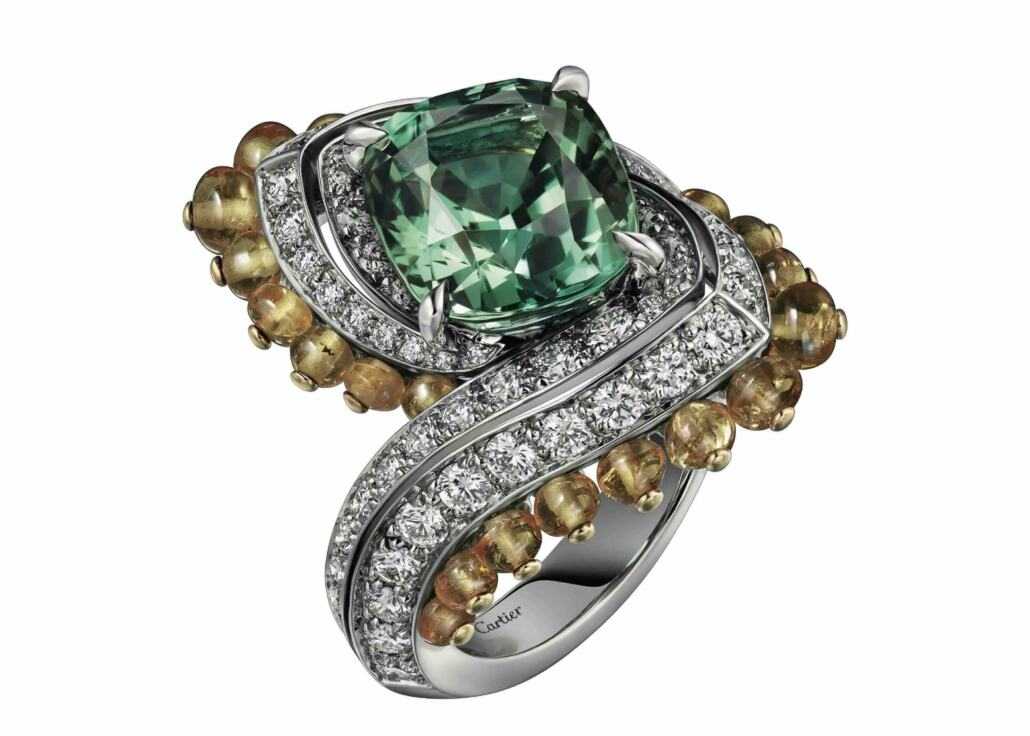
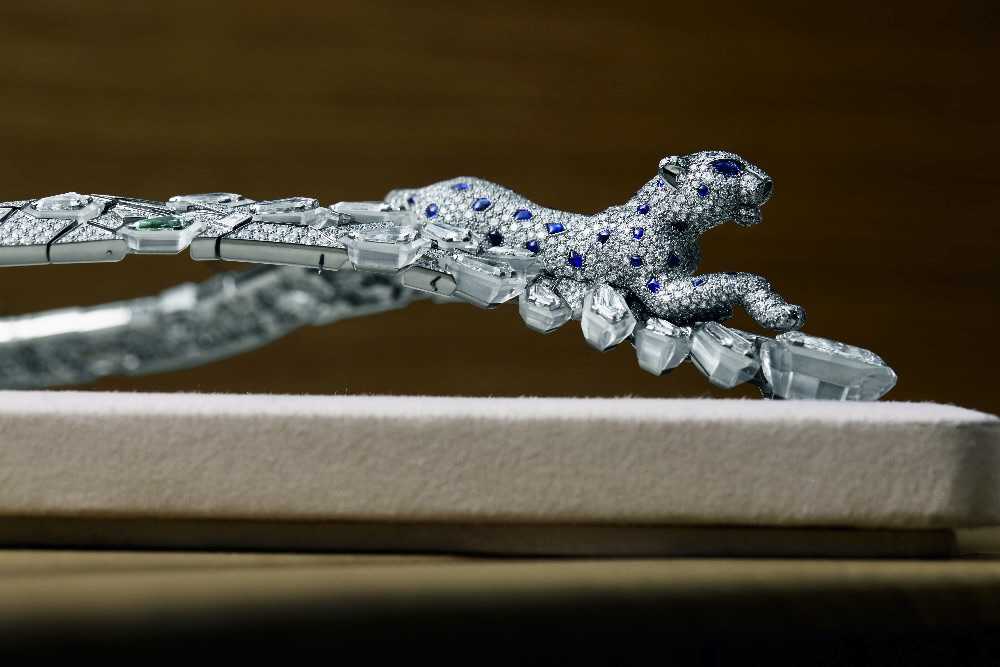
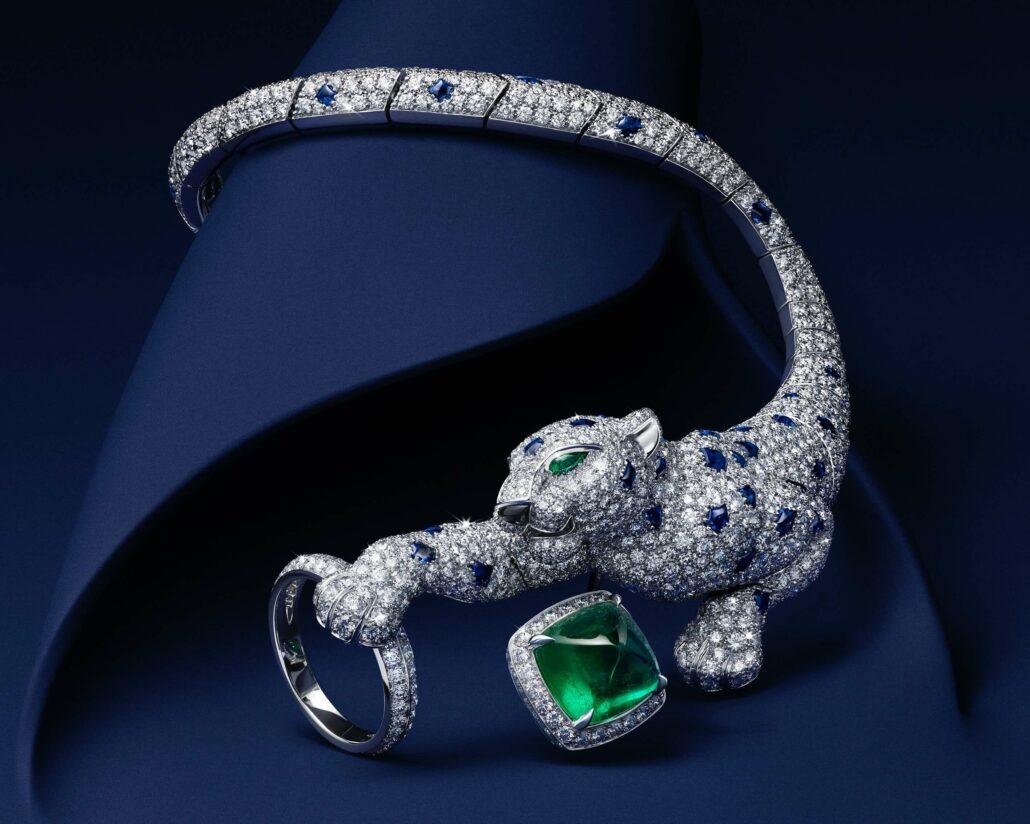
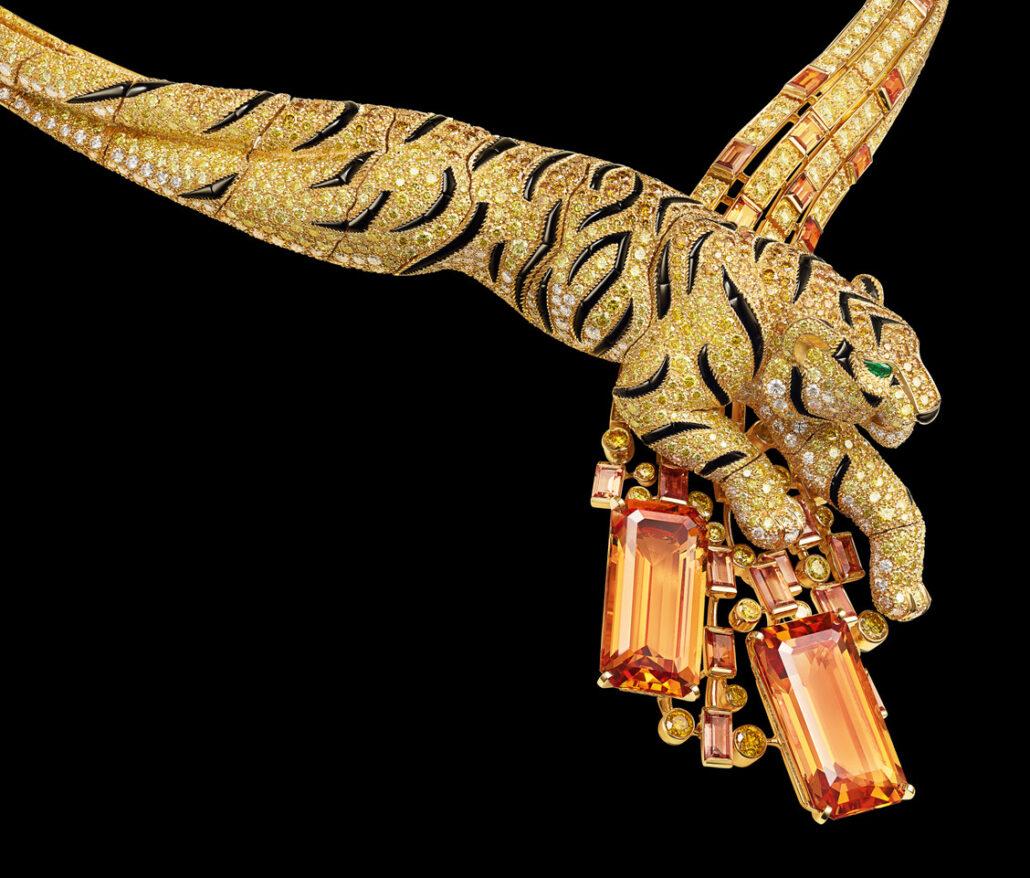
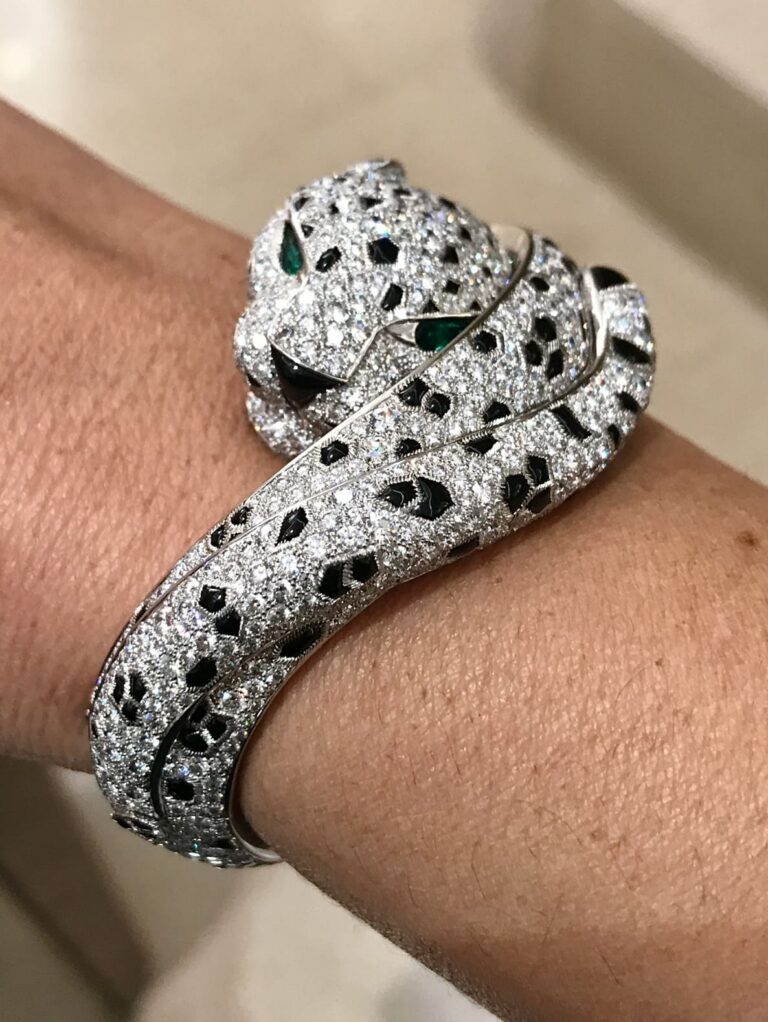
Cartier, a jeweler of exceptional quality since 1847 Founded in Paris in 1847 by Louis-François Cartier, the Cartier house has established itself as an indispensable benchmark in high jewelry and luxury watchmaking. Dubbed the «jeweller of kings, king of jewelers» by King Edward VII, Cartier embodies the exceptional French savoir-faire for more than 175 years. Recognizable by all, the Cartier universe is manifested through iconic creations: the Panthère collection, the Love and Juste un Clou bracelets, and the Tank and Santos watches. Each piece reflects a unique balance between creative boldness, technical precision, and exceptional materials: diamonds, precious stones, and noble metals. Today present worldwide, the Cartier house continues to sublimate the art of jewelry, between historical heritage and contemporary innovation.

Cartier
Fine Jewellery Spirit
  • Foundation

    Paris, 1847

  • Historical seat

    13 rue de la Paix, Paris

Update of the file on July 24, 2026

How to identify a Cartier piece
  • Signature

    Engraved in relief, usually on the frame's edge or on the reverse of the motif. The outline follows a cursive writing whose design has evolved: a signature that is too regular, or engraved with a laser on a piece presented as being old, should be a warning sign.

  • Serial number

    Present in almost all of the production of the 20th century. It allows the piece to be confirmed by the house archives, the sole authority in matters of authentication.

  • Maker's mark

    A lozenge containing the initials of the workshop and a symbol. It identifies the manufacturer, not the seller: several workshops have worked for the house according to the periods and countries.

  • Hallmark

    Eagle’s head for 750-thousandth gold in France. Its absence on a piece declared French and ancient raises the question of its title or provenance.

  • Quality of execution

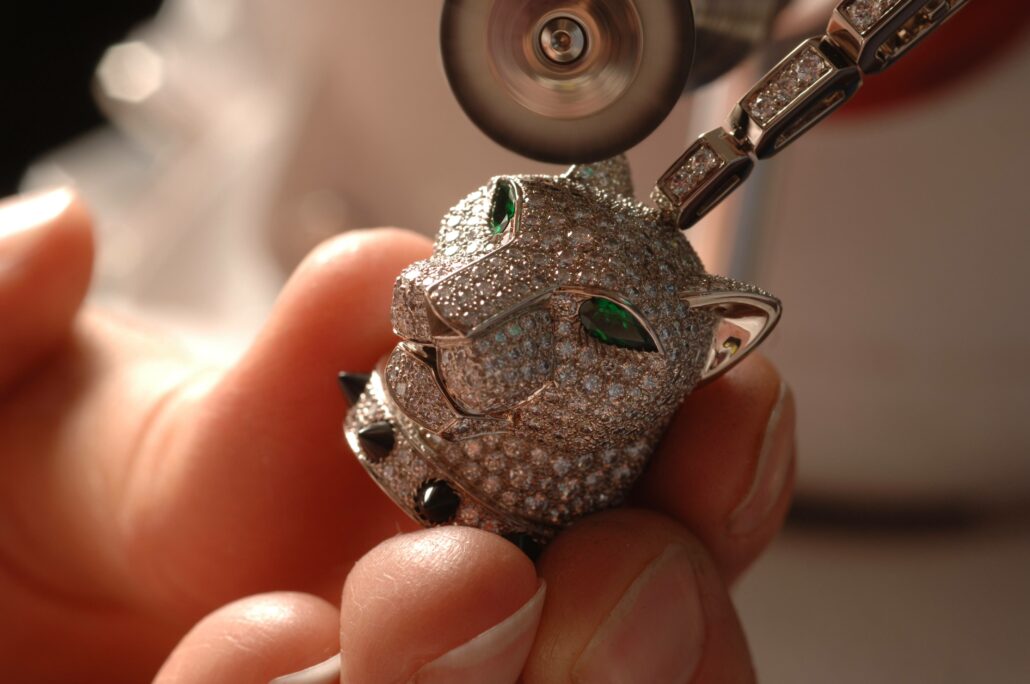
    Stone calibration, precision of the settings, finishing of the non-visible parts. This is where the best-made fakes are revealed: the back of a piece is just as well-crafted as its face.

Warning

This document is an editorial reference. It does not constitute a certificate: only the house, through its archives, can authenticate a document, and only an expert assessment in person can establish its value.

Chronological markers

  • 1847

    Foundation in Paris

    Louis-François Cartier takes over his master’s workshop. The house settles in rue Montorgueil, before several Parisian relocations.

  • 1899

    Rue de la Paix

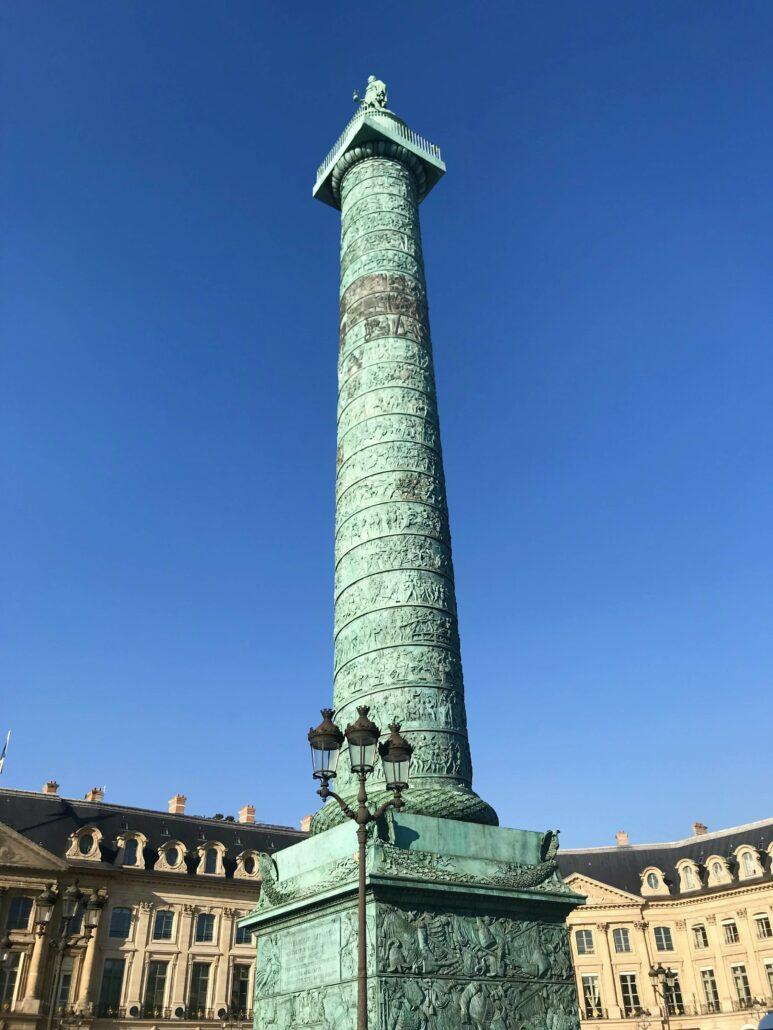
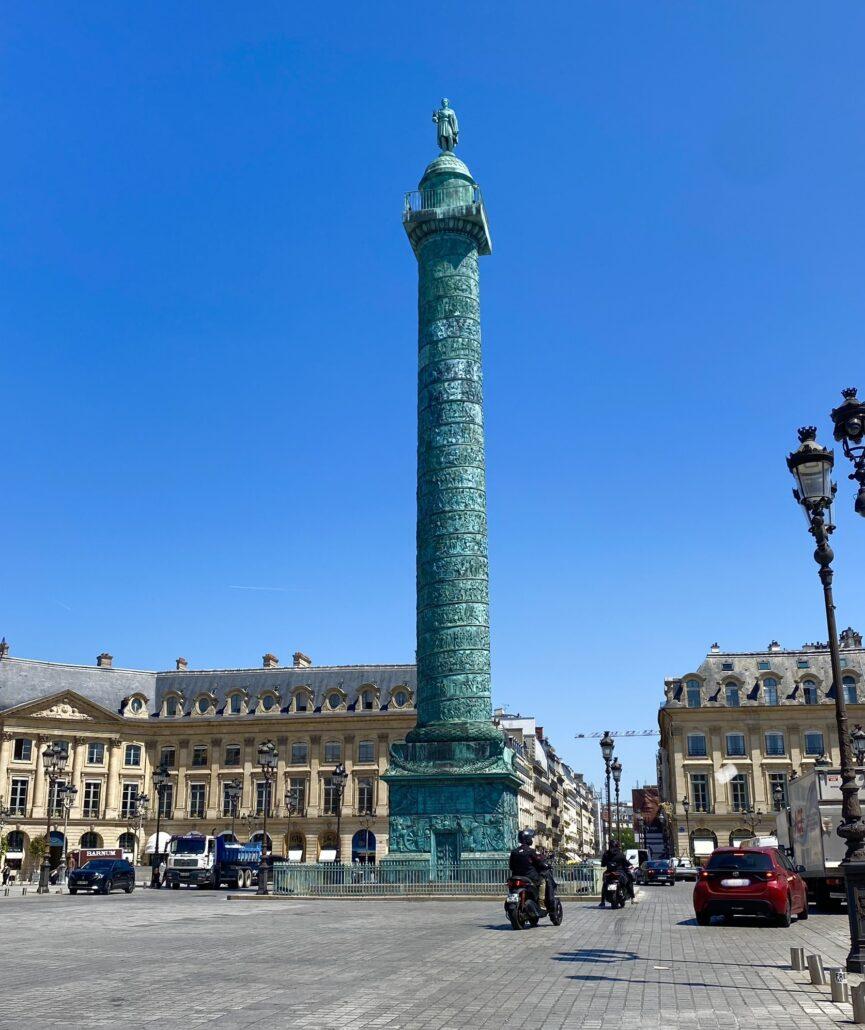
    The installation at 13 rue de la Paix marks the entry into the luxury jewelry district, just steps from Place Vendôme.

  • 1904

    La Santos

    The Santos, designed for Alberto Santos-Dumont, paved the way for the watch worn on the wrist rather than in a pocket.

  • 1917

    Tank

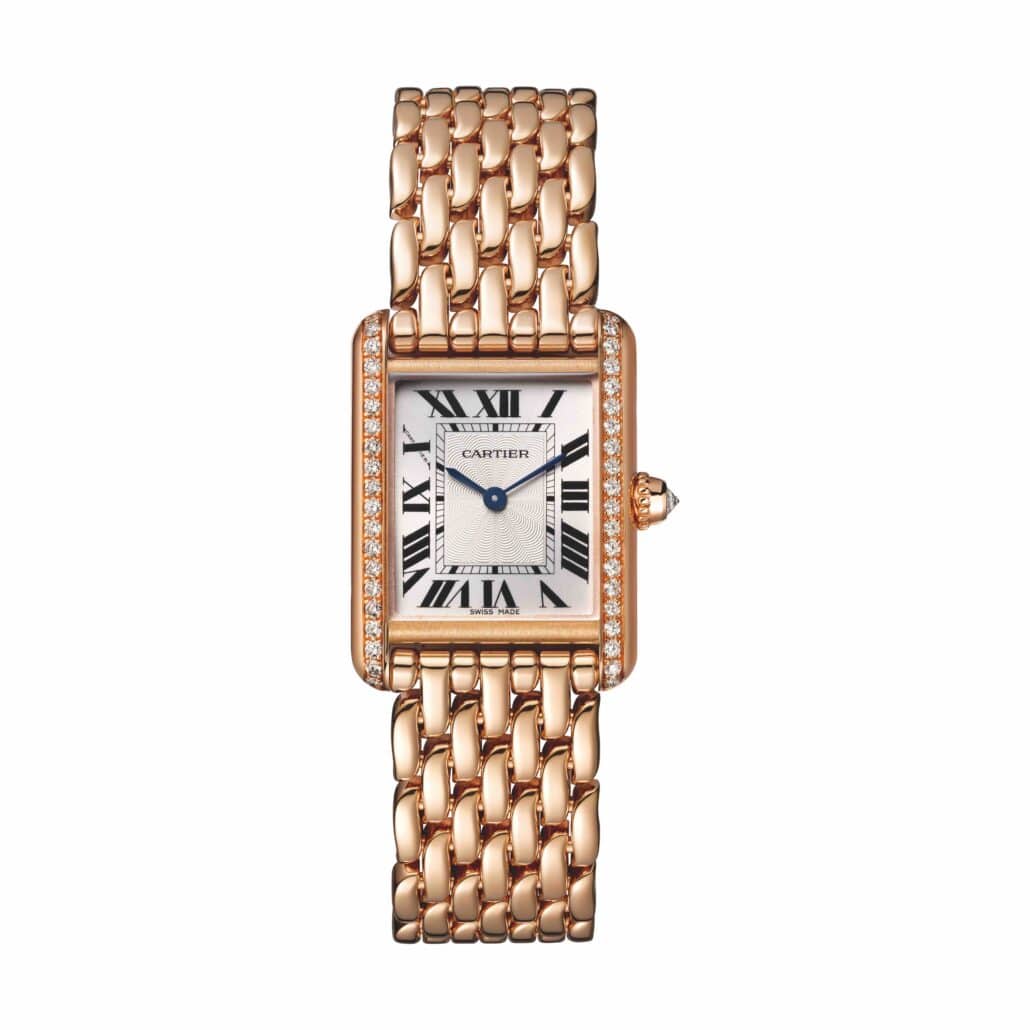
    The design is inspired by the tanks seen on the front line. The rectangular box with stretcher beds becomes one of the formal landmarks of the house.

  • 1969

    Love

    Designed by Aldo Cipullo for Cartier New York, the bracelet closed with a screwdriver introduces an object whose wearing requires a gesture, not just a simple clasp.
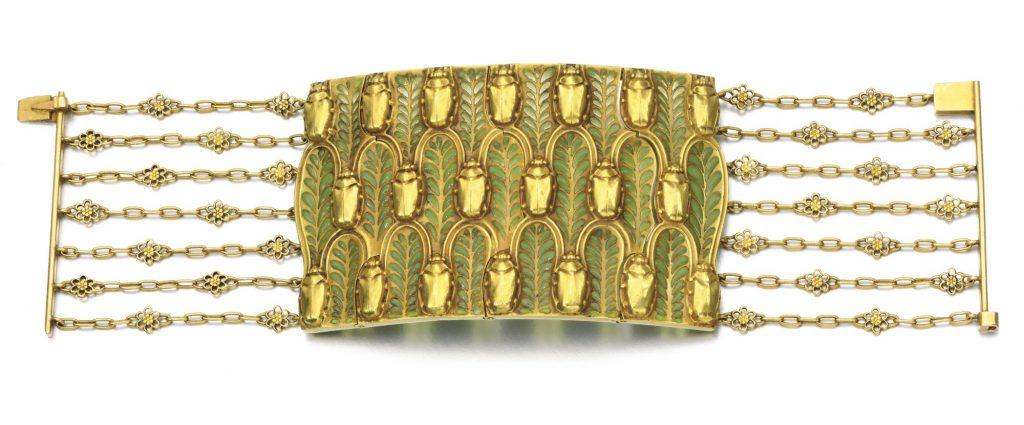
Commonly documented historical references cited for editorial information. The exact dates of a piece are verified with the archives of the house.

Motifs and collections

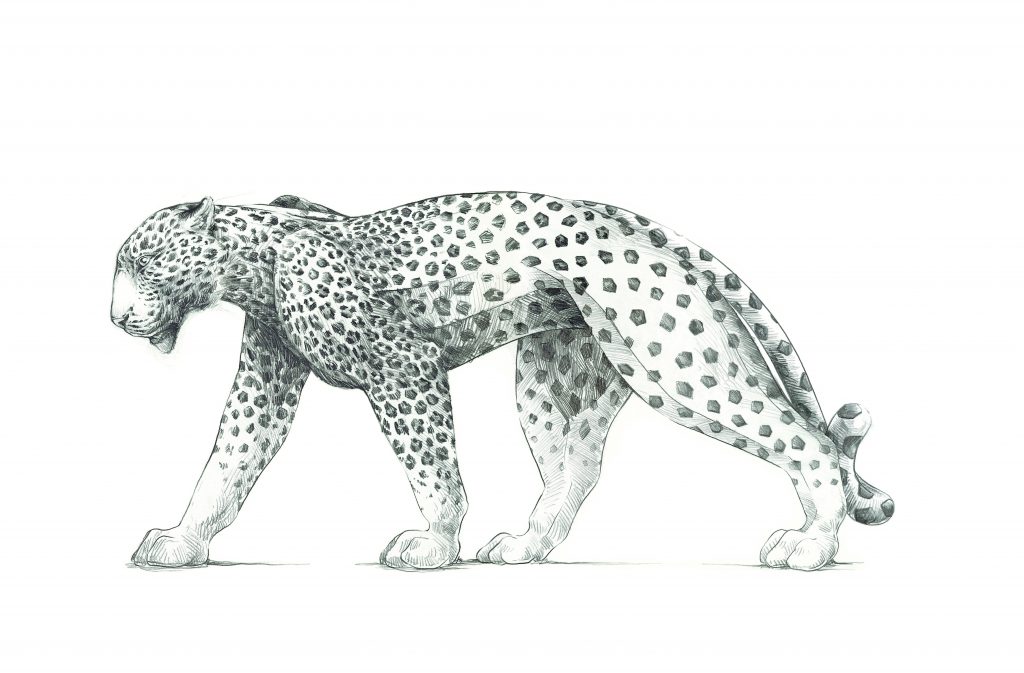
  • Panther
  • Tank
  • Santos
  • Love
  • Just a Clou
  • Trinity
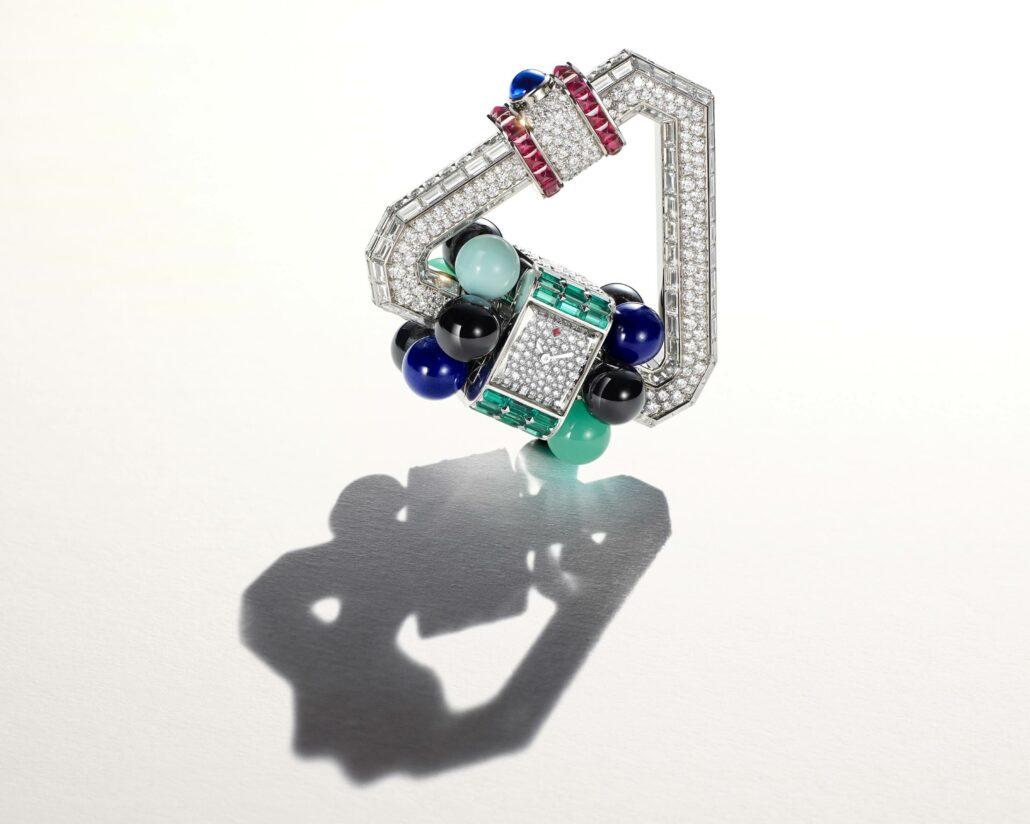
  • Tutti Frutti
  • Clash
  • Ballon Bleu

Names of collections cited as editorial references. These designations are the property of the Cartier house; Esprit Joaillerie has no connection with it.

Our articles about Cartier