






The revived Art Deco style at MAD
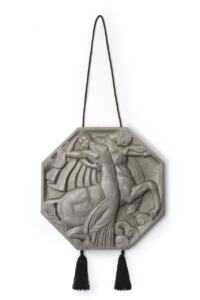
(1890-1986)
Medalion Perseus and Andromeda 1926-1929
Silver plaster, model
based on the
bas-reliefs in the entrance hall of the pavilion of the Société des artistes décorateurs: a French embassy at the International Exhibition in Paris,
1925
© Les Arts Décoratifs /
Christophe Dellière
One hundred years after lighting up the world, Art Deco is finding its luster once again at the Museum of Decorative Arts. The exhibition «1925-2025. Cent Years of Art Deco,» on view through April 26, 2026, offers more than just a tribute: a journey through the century that questions the relationship between modernity and beauty, between luxury and creation.
Beneath the MAD’s grand nave, the geometric rigour of the forms coexists with the opulence of the material. More than 1,200 works, drawn from the museum’s collections and prestigious loans, remind us that this style, born in the 1910s, was originally a manifesto for a new elegance. Sculptural furniture, jewelry, posters, fashion items: each piece tells a story of a moment of balance between order and movement, ornament and structure.
The masterpieces of André Groult, Jacques-Émile Ruhlmann or Pierre Chareau dialogue with the contemporary daring of an Orient Express reinvented by Maxime d’Angeac, installed in the nave as a link between the centuries. The sober and precise scenography brings together galuchat and steel, enamels by Jean Dunand and stained glass by François Décorchemont, dresses by Madeleine Vionnet and drawings by Sonia Delaunay.
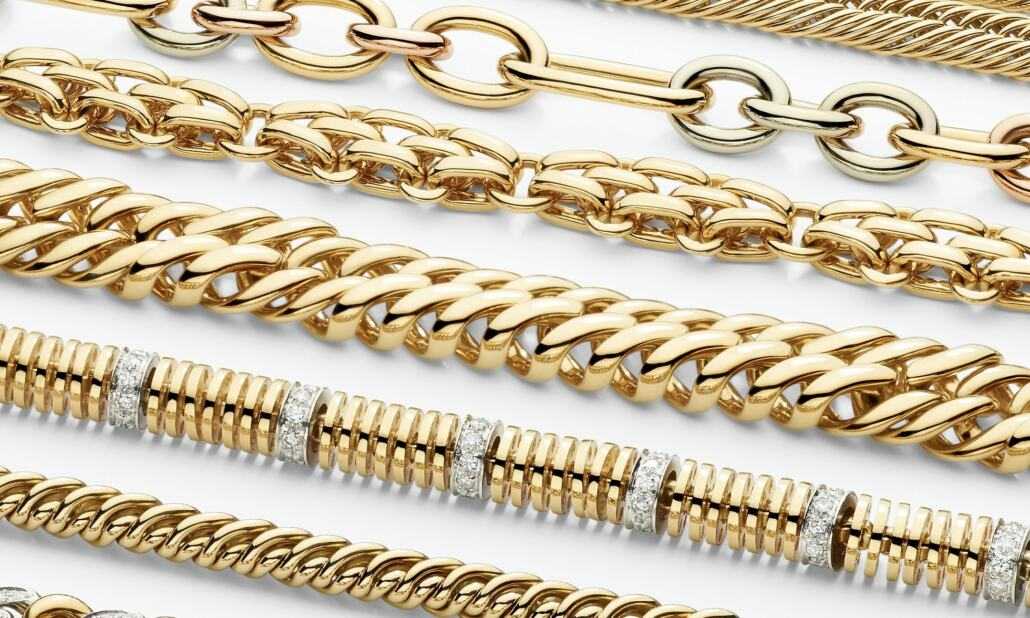
But one of the most subtle aspects of this exhibition remains the jewelry section. Art Deco, often forgotten, found in jewelry a field of experimentation as demanding as it was refined. The creators of the time, fascinated by geometry and light, transposed into the tiny scale what architects dreamed of on a grand scale: the harmony between structure and brilliance.
Cartier, As a major partner of the exhibition, it offers the most eloquent demonstration of its collection. Its necklaces, bracelets, and accessories from the 1920s embody this precious modernity where rubies dialogue with onyx, diamonds with coral. These compositions, in perfect balance, testify to a new approach to jewelry: no longer a simple ornament, but an architecture of the body, a jewel conceived as space.
Alongside them, an exceptional corset front designed by Boucheron, Created for the International Exhibition of Decorative Arts in 1925, it attracts attention. Lapis, coral, jade, and diamonds are displayed on a gold frame, a dazzling synthesis of the refinement and audacity of that era. A true jewelry manifesto, it embodies the fusion of exoticism, geometry, and technical virtuosity characteristic of Art Deco.
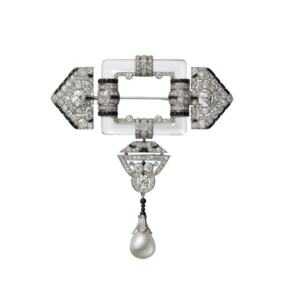
Paris, order of 1924
Platinum, diamonds, pearl
drop of culture, crystal
rock, onyx
© Cartier Collection /
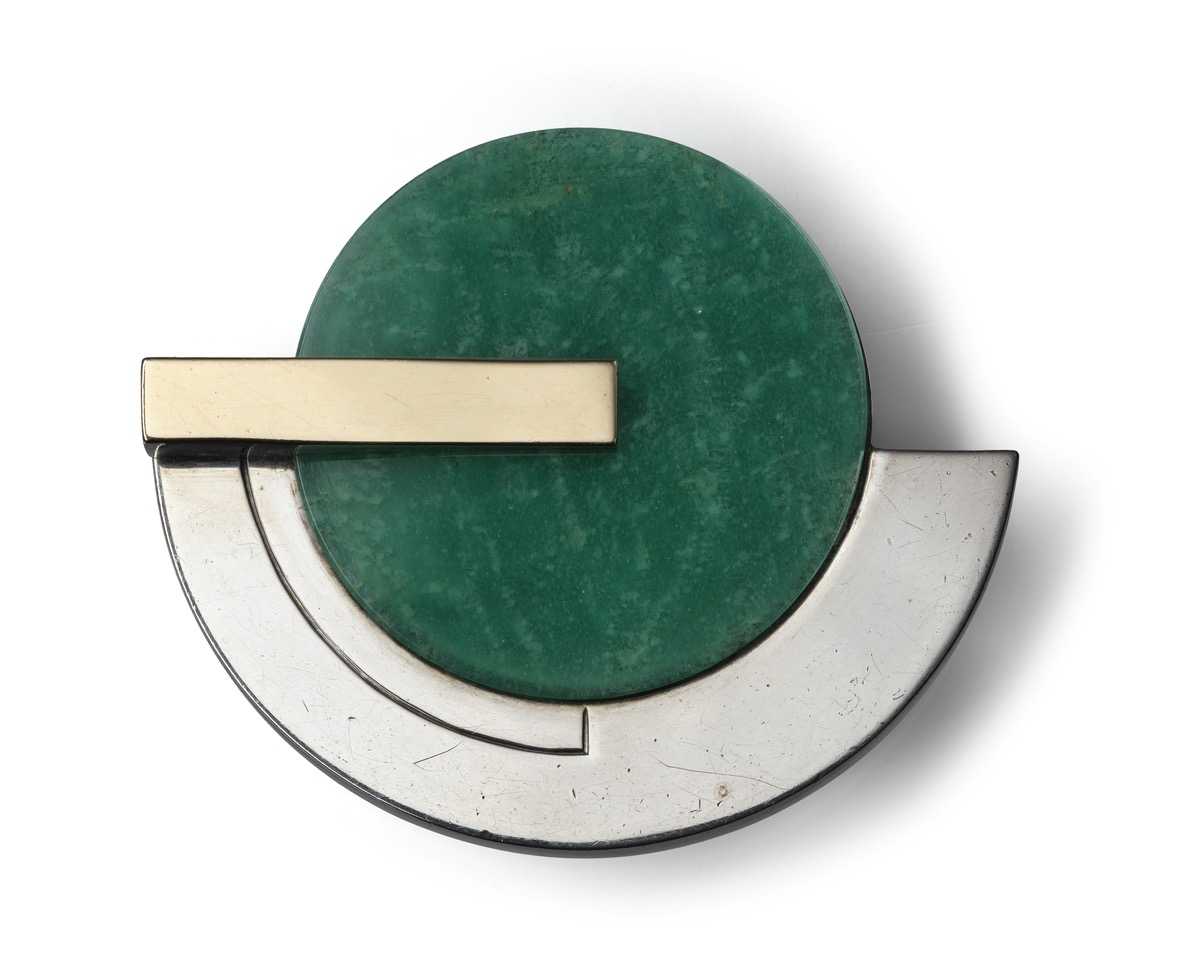
Around these emblematic pieces, other creators such as Raymond Templier, Jean Desprès, and Gérard Sandoz remind us how jewelry was a laboratory of Art Deco style. Lines that stretch out, rhythms that break, metallic reflections: each jewel becomes a fragment of a world in motion, a mirror of an era where speed, technique, and freedom mingled with a taste for the rare.
The MAD, true to its history, recalls that it was a witness to the first salons of the Société des Artistes Décorateurs. By revisiting its own memory, it demonstrates that Art Deco is not a fixed style but a language that is always alive, the language of a certain way of living in French style.
Finally, the exhibition goes beyond nostalgia. By evoking the dialogues between yesterday and today, from pavilions from 1925 to creations from the 21st century, it raises a subtle question: is modernity a moment or an attitude?
Through these refined lines, these precious materials and these jewels cut like banners, the visitor may discover that Art Deco does not belong only to the past, but to the future of our gaze.
Visual emphasis © Les Arts Décoratifs / Christophe Dellière