




Few women of the eighteenth century were so extensively drawn, engraved, ridiculed and ultimately forgotten beneath the weight of a legend. Jeanne Du Barry (1745–1793), the last favourite of Louis XV, was long reduced to the image of a venal courtesan who had risen from the lowest ranks of Parisian society. Until February 28, 2027 the Musée du Domaine royal de Marly, in Marly-le-Roi, invites visitors to look beyond this “distorting mirror” with Jeanne Du Barry, The Making of a Royal Favourite.
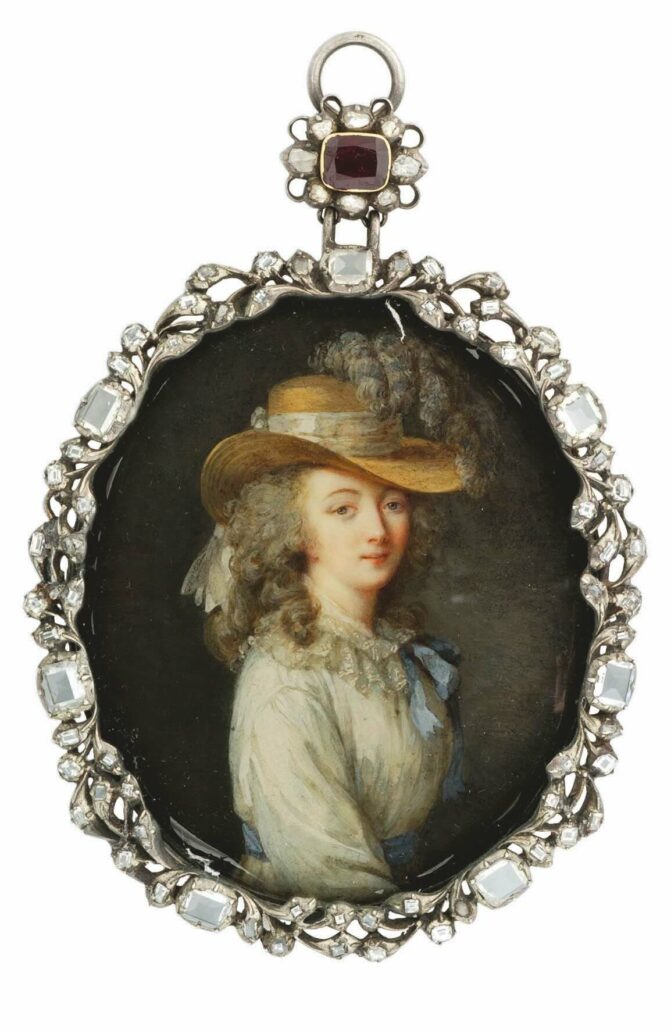
D’APRES ELISABETH VIGEE-LE BRUN
Portrait de la comtesse Du Barry
D’après un portrait de 1781
Miniature sur ivoire
© Musée du Louvre, Dist. GrandPalaisRmn
A Woman Without a Title, Forced to Establish Her Legitimacy
Born Jeanne Bécu, the illegitimate daughter of a woman of modest means, she carefully obscured her origins through fabricated baptismal records and a marriage of convenience to Guillaume Du Barry, the brother of her protector. The title of countess completed the transformation. Historian Emmanuel de Waresquiel, who published a landmark biography of Du Barry in 2023 and wrote the catalogue’s preface, has demonstrated how far more complex and carefully managed her rise to prominence was than previously believed.
Arranged across seven chapters, the exhibition traces this ascent, from the opening section, Shadows and Favour, to Louveciennes, described as a “laboratory of taste”. Along the way, it explores her apprenticeship in the etiquette of Versailles, her ability to “inhabit power” within the royal apartments, and the deliberate construction of her public image.
When Image Becomes an Instrument of Power
This is the heart of the exhibition: at court, appearances were a political weapon. Jeanne Du Barry understood this better than most. She circulated her likeness through paintings, sculptures and engravings. She commissioned a Sèvres porcelain service bearing her monogram, and even a boat named after her. Her image travelled throughout the kingdom like that of a queen, despite her never having held such a position.
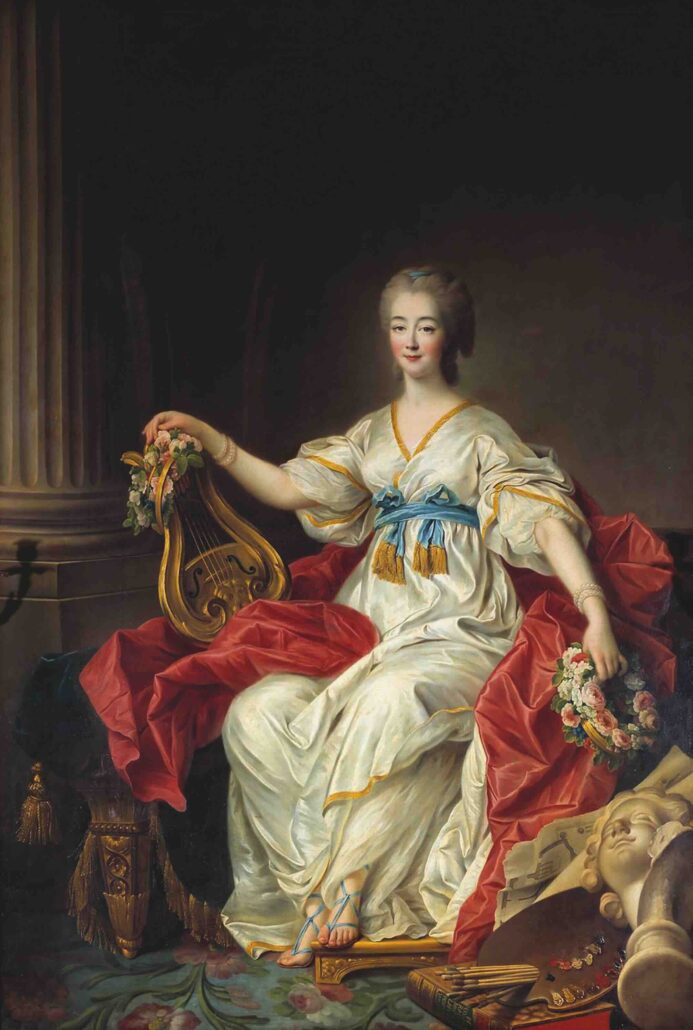
Portrait de Madame Du Barry en muse
1774
Huile sur toile
Versailles, chambre de commerce
et d’industrie des Yvelines et du Val-d’Oise
© Alain Leprince
The exhibition brings together celebrated portraits by François-Hubert Drouais, including one depicting her as Flora, crowned with roses, alongside the marble bust created by Augustin Pajou in 1773. The latter celebrates her cascading hair and sensuously draped garments, seemingly damp against the body. Surrounding these works are Fragonard’s The Three Graces, Greuze’s The Broken Pitcher and Falconet’s The Bather. These artists belonged to a generation she helped support, alongside Vigée Le Brun and the architect Claude-Nicolas Ledoux.
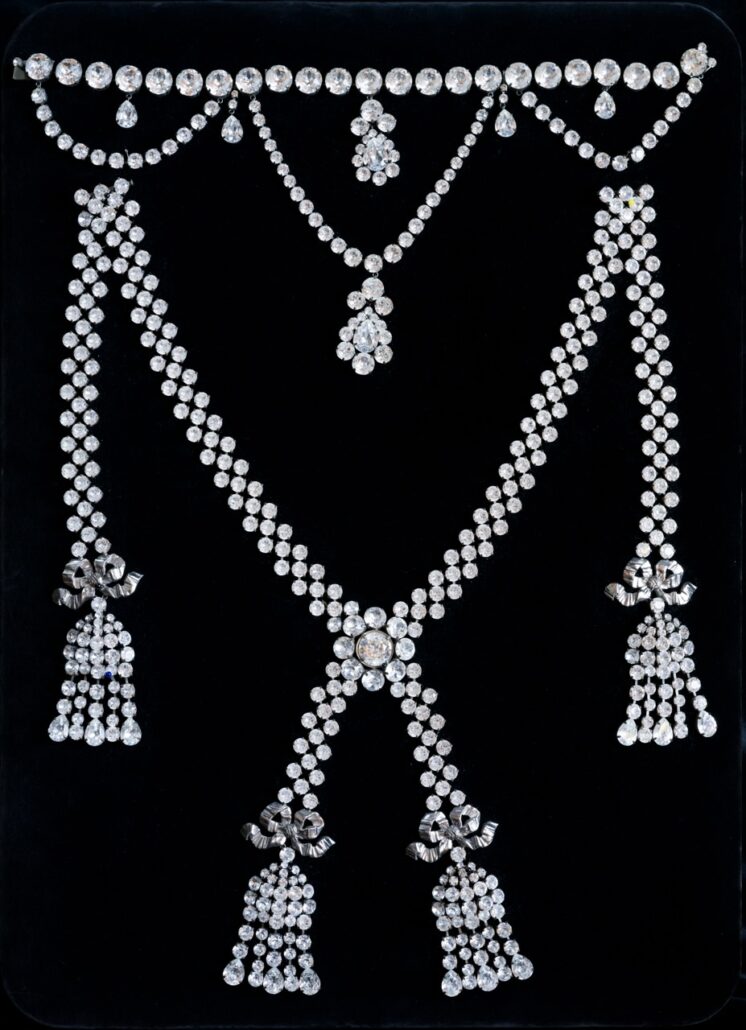
XXe siècle, argent et strass
© Port-Marly, Château de Monte Christo /
Photographe David Bordes
Adorning the Body, Dictating Fashion: A Jewellery Expert’s Perspective
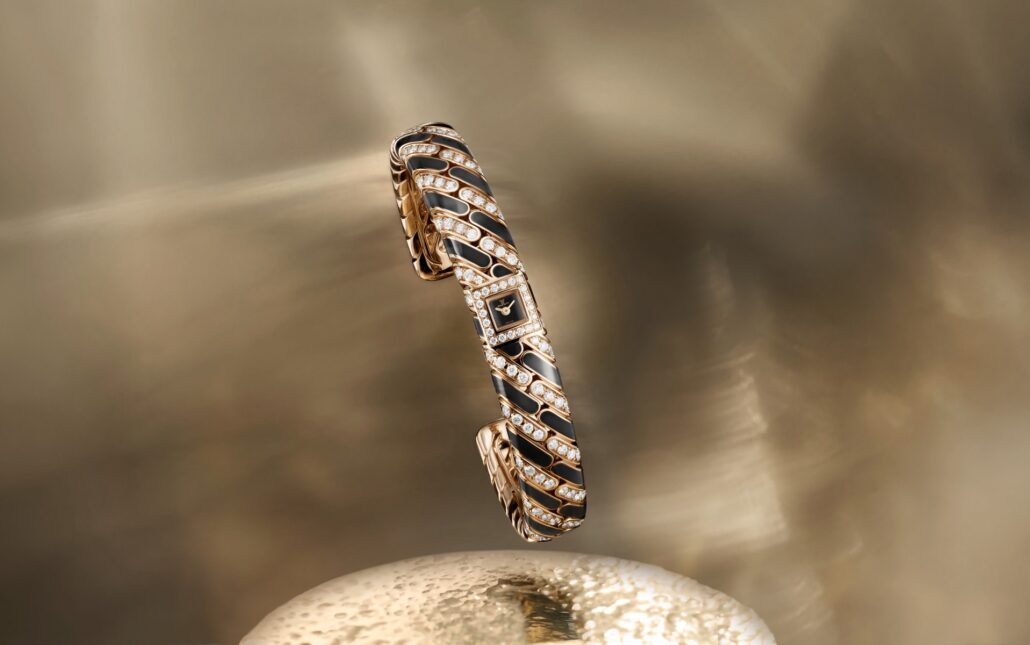
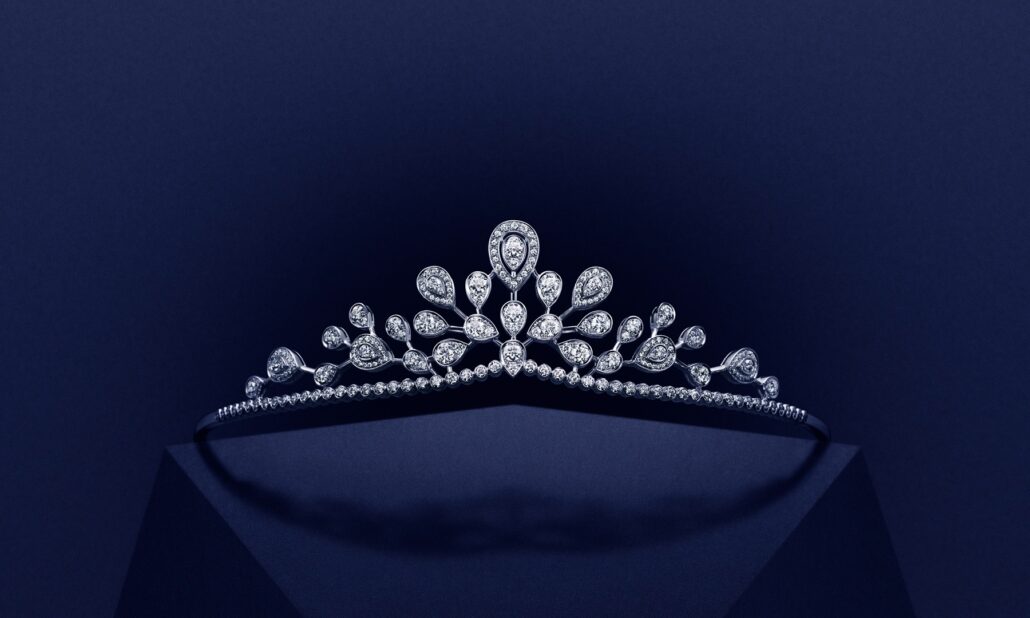
For those interested in the decorative arts and the art of adornment, the fifth chapter offers a particularly welcome surprise. Here, the royal favourite emerges as a genuine style pioneer: blonde hair worn without powder, understated make-up, and dresses and hats that the entire court observed and imitated. She even anticipated Marie Antoinette. Her diamonds were tangible symbols of an unprecedented degree of royal favour. Their theft in 1791 would, paradoxically, hasten her downfall.
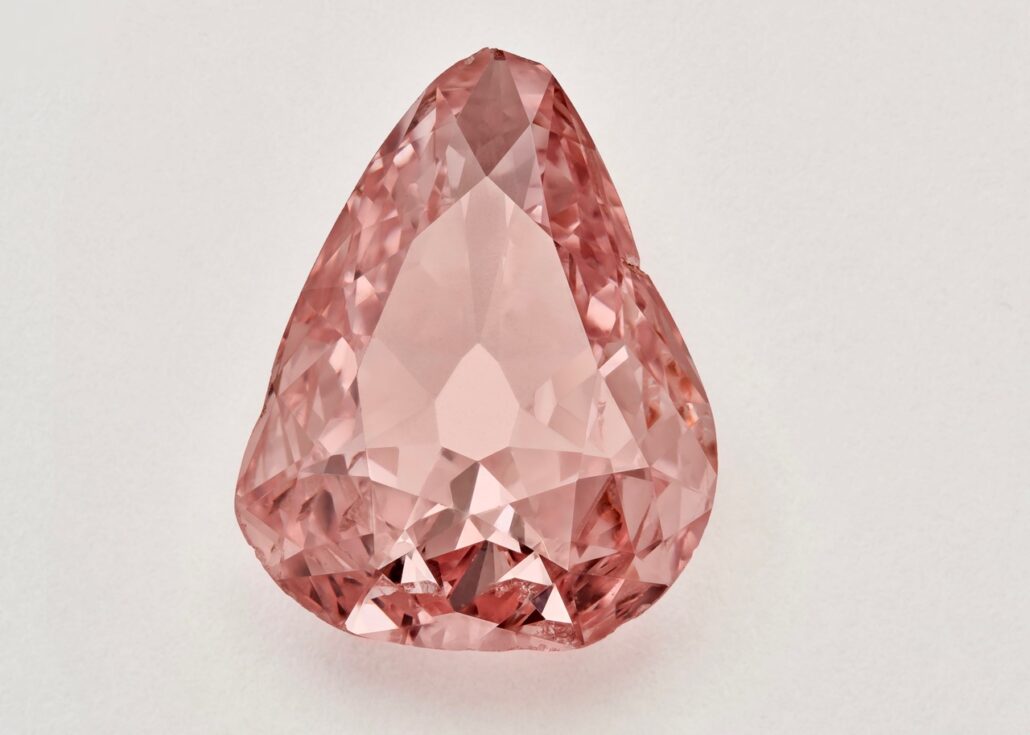
Another jewel, never worn by the countess, is nonetheless inseparable from her memory: the future "Queen's Necklace," whose origins lie in her shadow. According to tradition, the Crown jewellers Charles Auguste Böhmer and Paul Bassenge had created this extravagant piece (nearly 650 diamonds totalling around 2,800 carats) in the hope of selling it to Louis XV, who would have intended it for Madame Du Barry. The king died in 1774 before the deal could be concluded. In 1782, the jewellers offered the necklace to Louis XVI for Marie-Antoinette, who declined it, put off by a price that had nonetheless been lowered to 1.6 million livres. Left without a buyer, the jewel would, two years later, become the instrument of the affair that would permanently tarnish the queen's image.
The exhibition brings together jewellery, objets d’art and goldsmiths’ work, including a gold and enamel snuffbox by Pierre-François Drais and the finely chased and gilded bronzes of Pierre Gouthière. Each object is interpreted as a personal signature. A contemporary reference extends the narrative: the dress and cape designed by Virginie Viard for Chanel, worn by Maïwenn in the 2023 film Jeanne du Barry. They serve as a reminder that the fascination surrounding the countess has never truly faded.


Sèvres Porcelain, Gilded Bronzes and Furniture: The Art of Living of a Collector
Soft-paste Sèvres porcelain, girandole vases, a carved and gilded walnut chair by Louis Delanois, and a clock by Charles Dutertre: the exhibition also reveals the countess as a bold patron of the arts and a discerning collector. Her passion for depictions of children and her taste for classical antiquity placed her, according to the museum, several years ahead of her time, as the Rococo style gradually gave way to Neoclassicism.
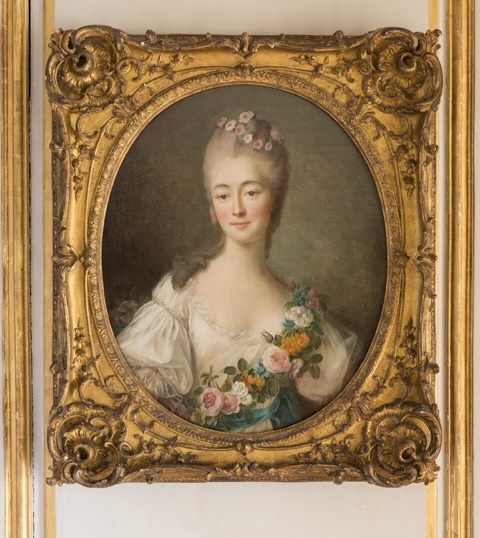
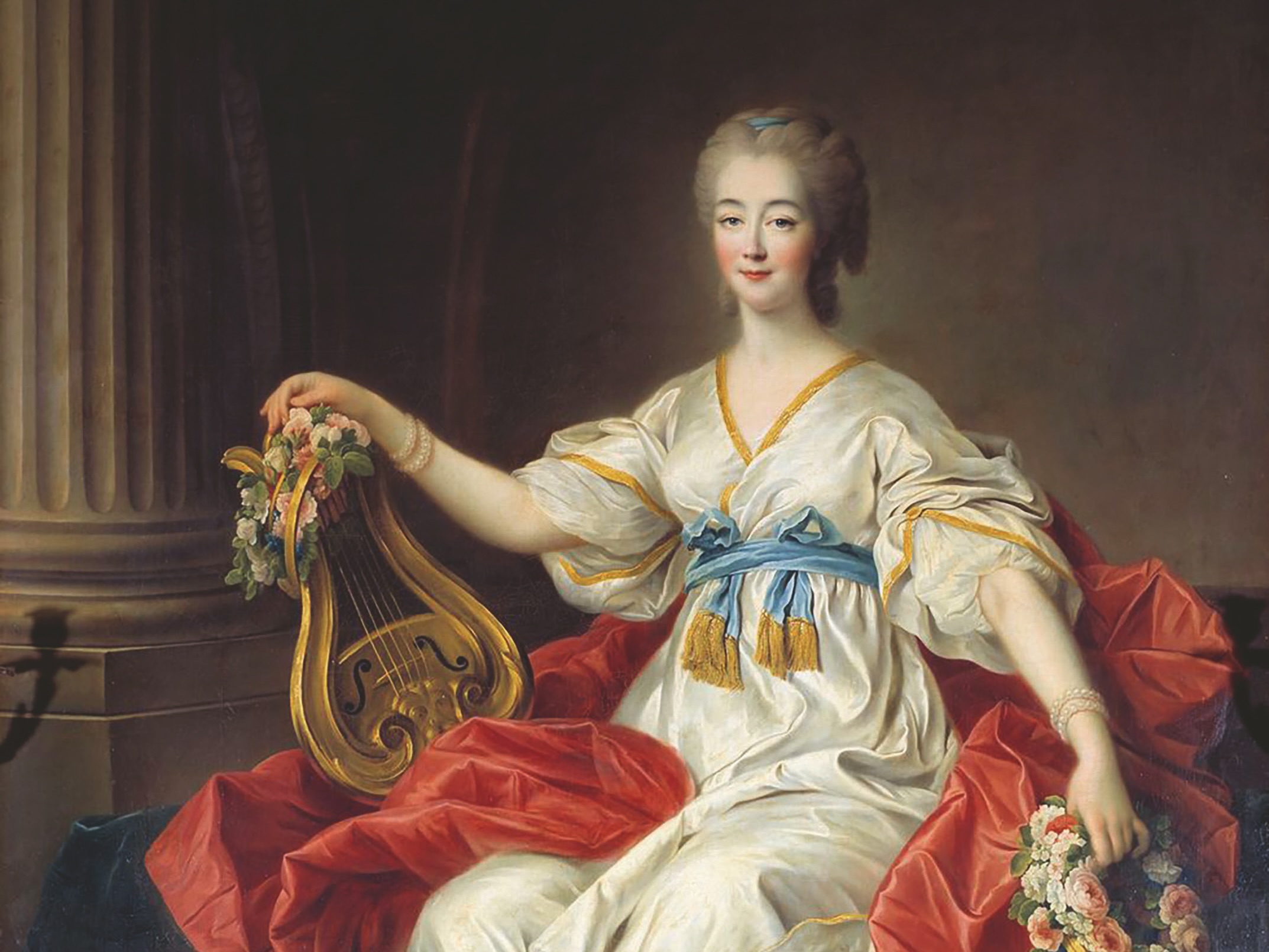
(PARIS, 1727 – PARIS, 1775)
Madame du Barry en Flore
1769
Huile sur toile
© Château de Versailles, Dist. RMN /
Photographe Christophe Fouin
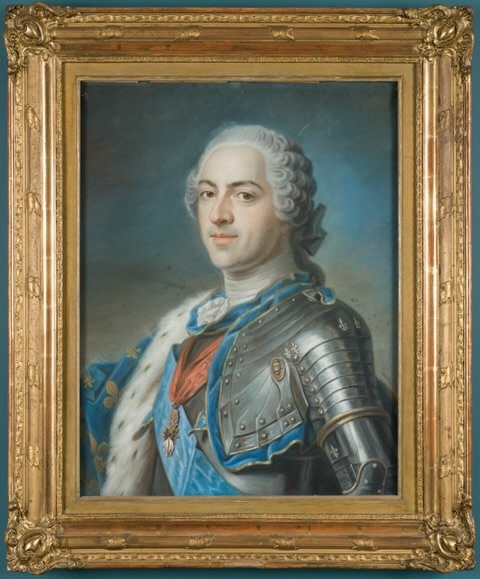
TOUR (SAINT-QUENTIN,
1704 – SAINT-QUENTIN, 1788)
Portrait de Louis XV
D’après un original de 1748
Pastel sur papier
© Marly-le-Roi, musée du Domaine royal
de Marly / Photographe David Bordes
Louveciennes: A Manifesto for the Greek Revival
The exhibition concludes at Louveciennes, where Ledoux built a Music Pavilion for the countess. This Neoclassical masterpiece is presented as a “total work of art”, anticipating the aesthetic transformations of Louis XVI’s reign. A watercolour after Moreau le Jeune evokes the festivities held on 2 September 1771. Far from Versailles, the countess spent her mature years here leading an independent life, surrounded by her collections.
A Life That Questions the Making of Celebrity
Beyond the individual portrait, curator Karen Chastagnol, director of the museum, examines how reputations and collective memory are constructed. How did an image shaped by both fascination and rejection survive across the centuries, finding its way into the novels and films of today? At a time when women who shaped history are being rediscovered, this question carries a particular resonance.