






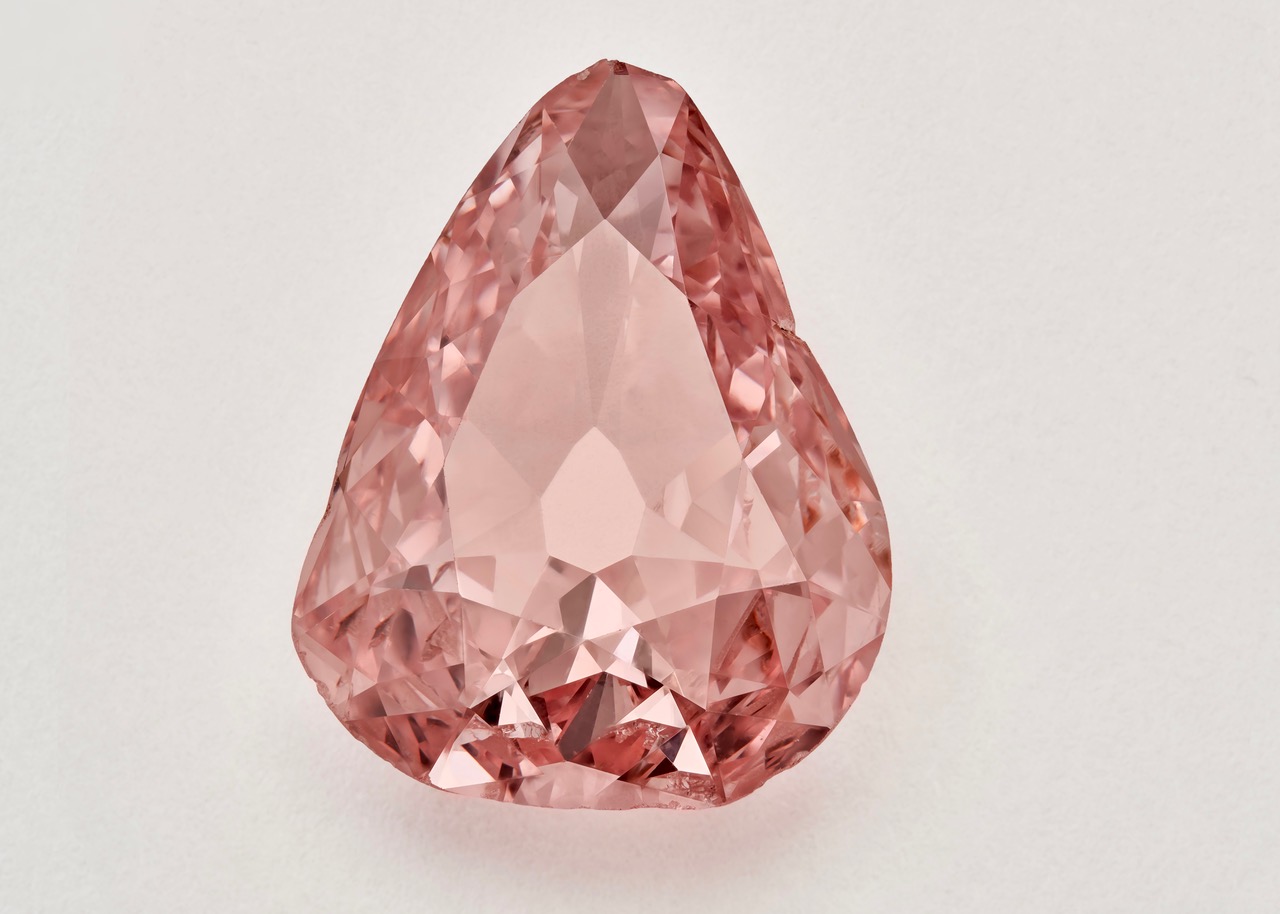
Weighing more than nine carats, it bears a hue one might imagine borrowed from the dawn. The Pink Diamond, known as the “Grand Condé,” has been part of the collections of the Princes of Condé since the 18th century. In October 1926, it was stolen from the château during a burglary. It was recovered shortly afterwards, hidden... inside an apple. This autumn, it returns to Chantilly’s display cases in an exhibition created with L’École des Arts Joailliers and supported by Van Cleef & Arpels.
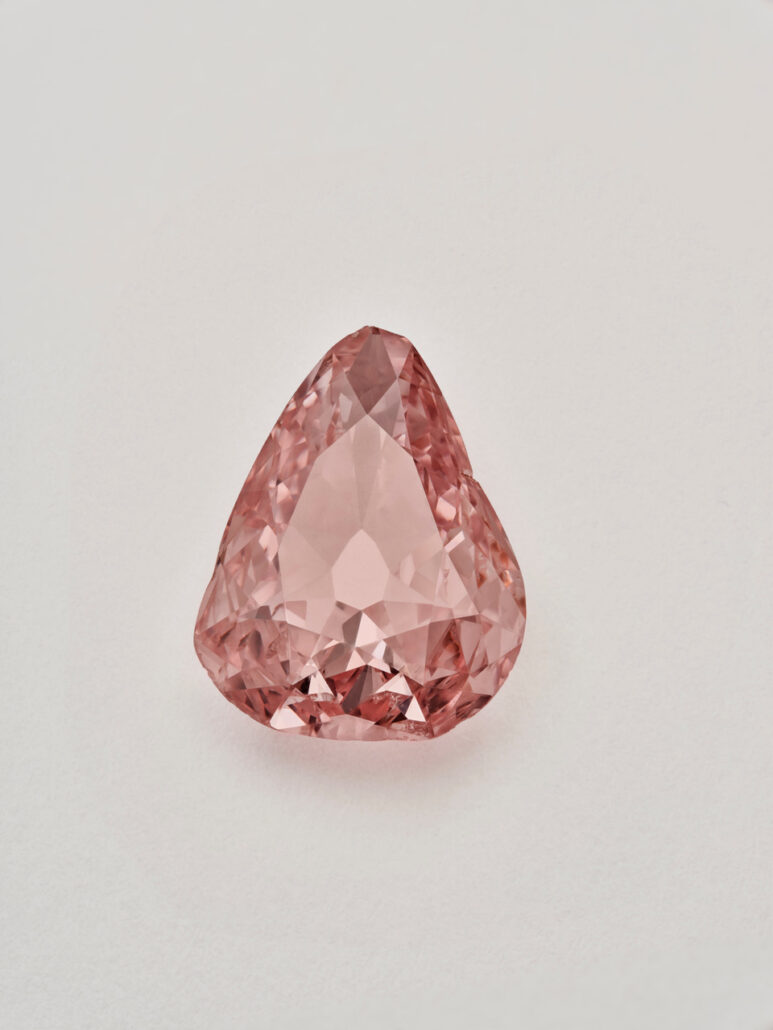
© L’École des Arts Joailliers, Benjamin Chelly
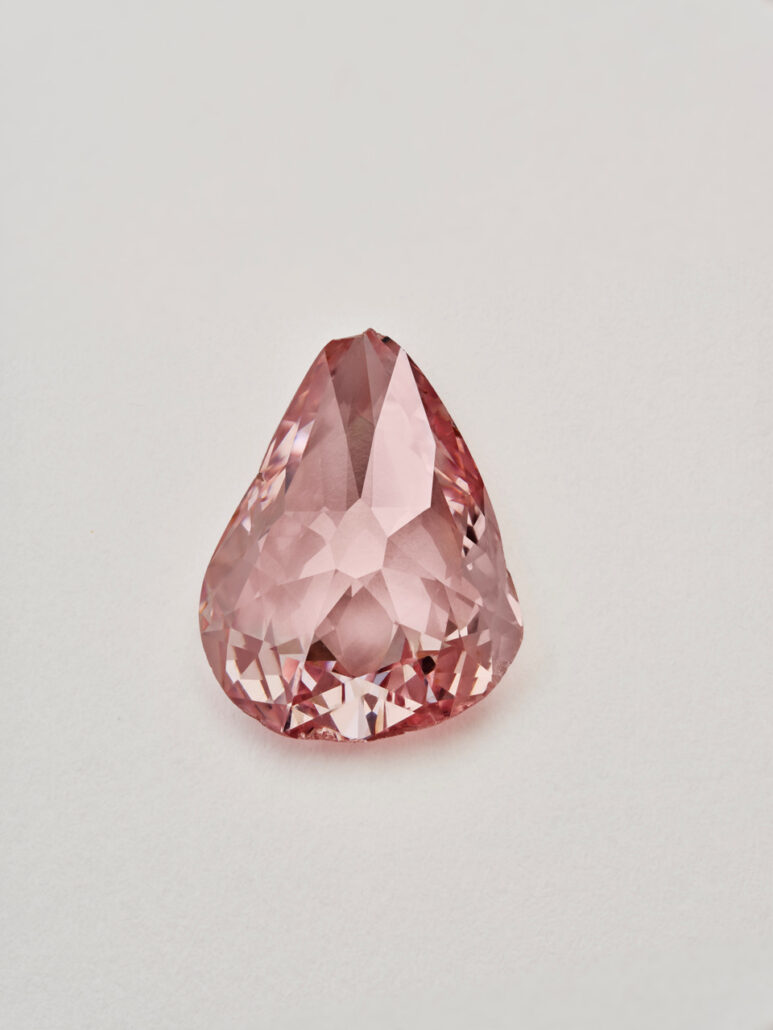
© L’École des Arts Joailliers, Benjamin Chelly
1740: The First Record of the Pink Diamond
Famous gems tend to attract legends, while their true histories often remain in the shadows. In this case, previously unpublished archives have made it possible to trace the diamond’s history back to 1740. The stone appears in the posthumous inventory of Louis Henri de Bourbon, Prince of Condé, where it is listed among the major jewels of the Condé treasure.
What follows reads like a family chronicle. Queen Marie-Amélie of Bourbon-Two Sicilies intended the diamond for her grandson, Louis d’Orléans, eldest son of the Duke of Aumale. The prince died prematurely, and the stone passed to his father, Henri d’Orléans, who bequeathed it, along with the entire Musée Condé, to the Institut de France. It has remained at Chantilly ever since, in accordance with the wishes of the Duke of Aumale: to preserve the collections on site and make them accessible to the public.
October 1926: A Theft, an Investigation, an Apple
The 1926 burglary added an aura of mystery to the diamond. The stone resurfaced a few weeks later, concealed inside a piece of fruit. The final section of the exhibition revisits the case: the disappearance, the investigation, the discovery and its eventual return to the museum. Historic photographs, press clippings and investigative documents retrace the story.
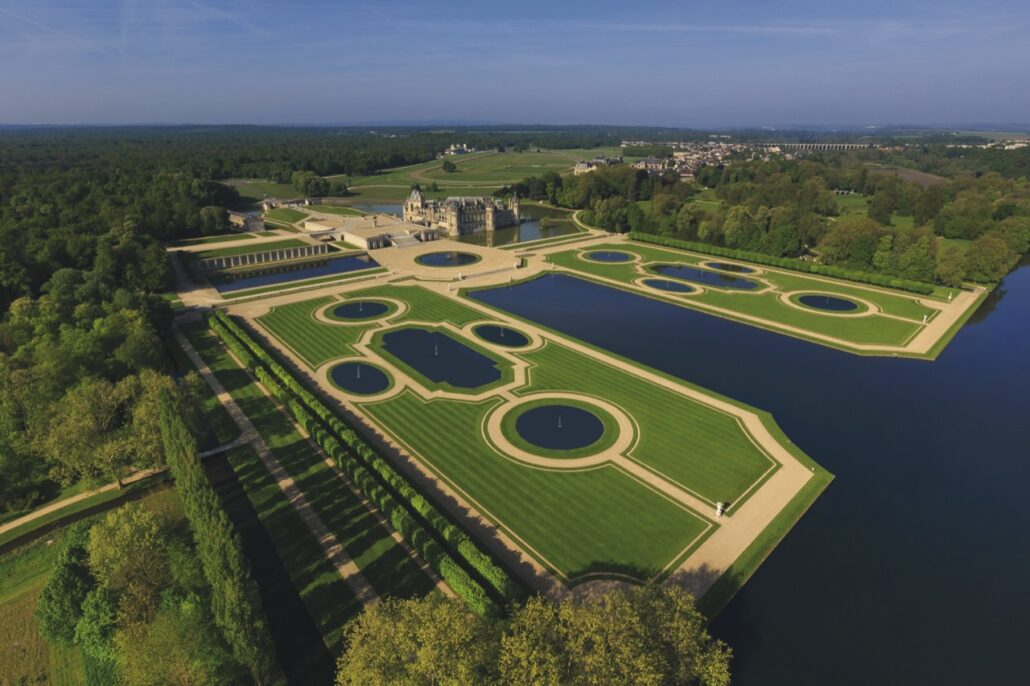
Copyright Jérôme Houyvet
Gemological Analysis: Understanding the Colour
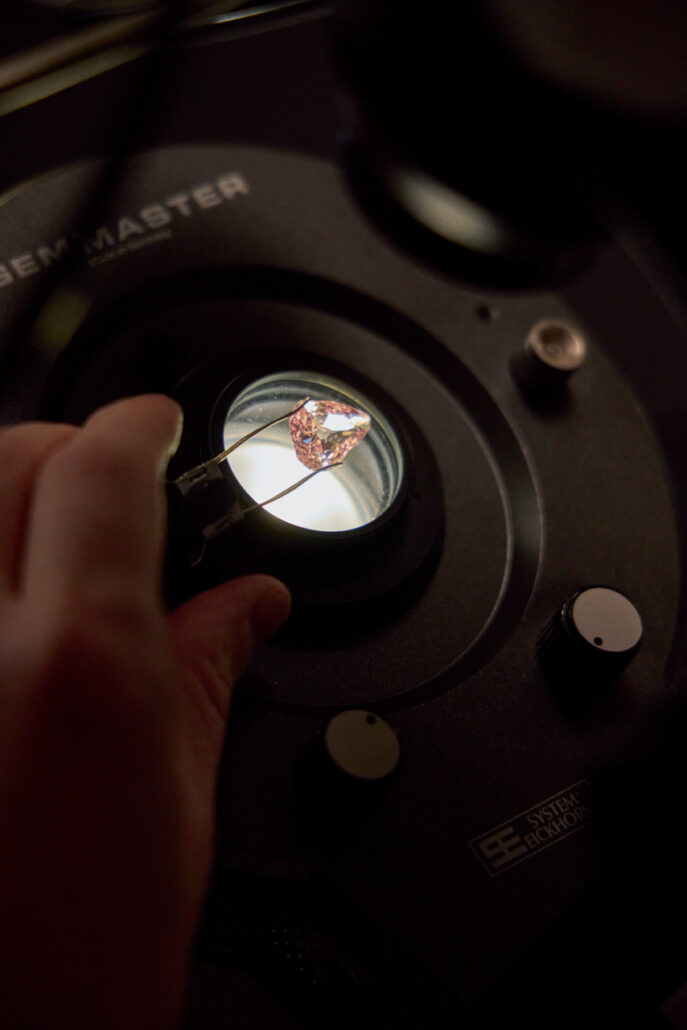
The exhibition’s second focus turns to the laboratory. The Musée Condé and L’École des Arts Joailliers have undertaken an interdisciplinary research project, unprecedented for a diamond of this significance. The analyses were led by Emmanuel Fritsch, Professor Emeritus of Physics and gemologist at the University of Nantes, together with Aurélien Delaunay and Annabelle Herreweghe, Director and Deputy Director of the Laboratoire Français de Gemmologie.
Their findings establish that the diamond’s colour results from physical characteristics rarely observed. The research sheds new light on the stone’s properties, adds to the study of historic French diamonds and suggests new ways of interpreting the history of gemstones. The exhibition also presents the tools used in the investigation, from microscopic observation to modelling the pavilion facets with an automated profilometer, alongside interpretive displays.
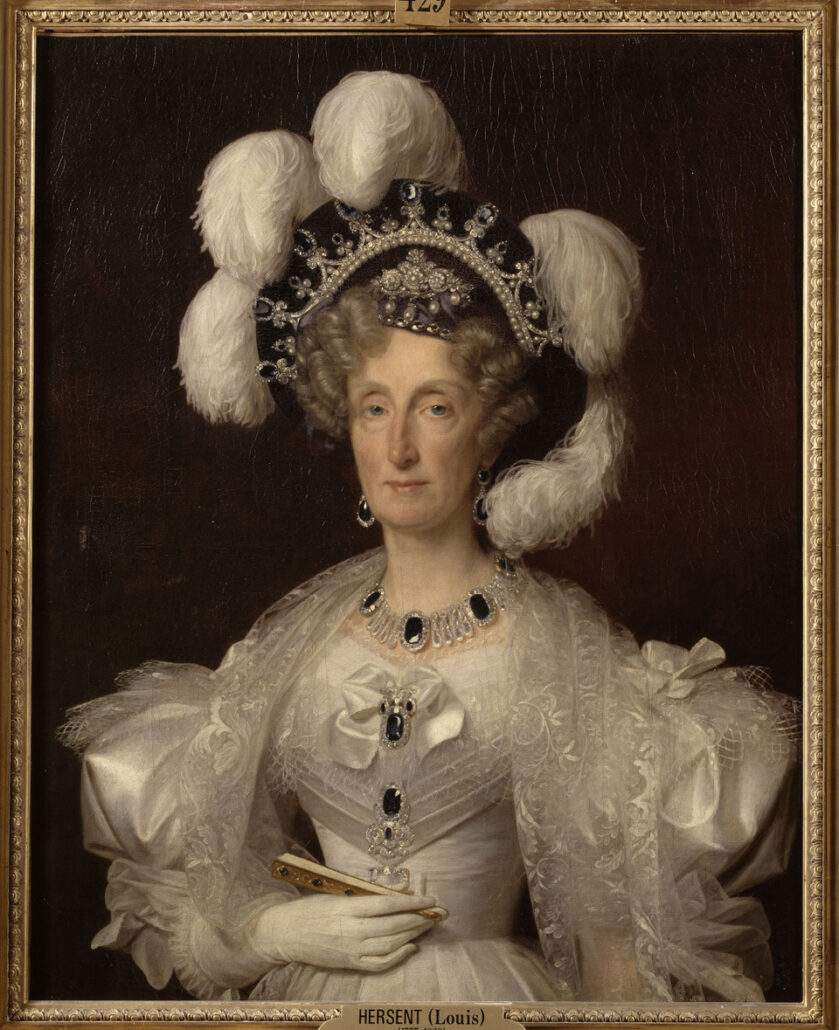
Portrait de la reine Marie-Amélie , vers 1835. Restauration permise grâce au généreux soutien de The Kendall Fund,
créé en l’honneur de Dona S. et Dwight M. Kendall par le Dr Susan E. Kendall
© RMN-Grand Palais, Gérard Blot Copyright RMN-Grand Palais- Gérard Blot
A Journey Between Princely Jewellery and the Laboratory
Visitors move from the splendour of a princely collection to the inner workings of a scientific investigation. The exhibition is curated through two complementary perspectives: Mathieu Deldicque, Chief Curator of Heritage and Director of the Musée Condé, and Marie-Laure Cassius-Duranton, art historian and gemologist at L’École des Arts Joailliers. The exhibition is supported by the GRoW @ Annenberg Foundation and the Friends of the Domaine de Chantilly.
Frequently asked questions :
Where can the Pink Diamond be seen ?
At the Château de Chantilly, in the Gem Cabinet and the Galerie de Psyché, from October 17, 2026 to January 3, 2027.
What is the Grand Condé ?
It is the name by which the Pink Diamond is known, a stone weighing more than nine carats and documented in the collections of the Princes of Condé since the 18th century.
What happened in 1926 ?
The diamond was stolen during a burglary in October 1926 and recovered a few weeks later, concealed inside an apple.
Is the exhibition included in the admission ticket?
Yes. It is included in the château’s timed one-day admission ticket.
Who studied the diamond ?
A team comprising Emmanuel Fritsch, Aurélien Delaunay and Annabelle Herreweghe, working in collaboration with the Musée Condé and L’École des Arts Joailliers.