







The dreamed-of Asia in the collections Cartier and Baur.
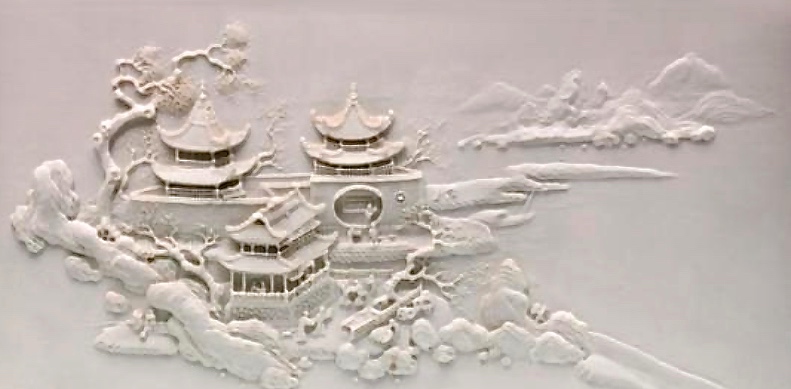
It should be noted that a very beautiful exhibition begins today at the Baur Foundation, the Museum of the Arts of the Far East in Geneva. To our greatest delight, the dreamlike Asia of the collections of the Baur Foundation is now on display in the museum. House Cartier Those from the Baur Foundation are on display for visitors.
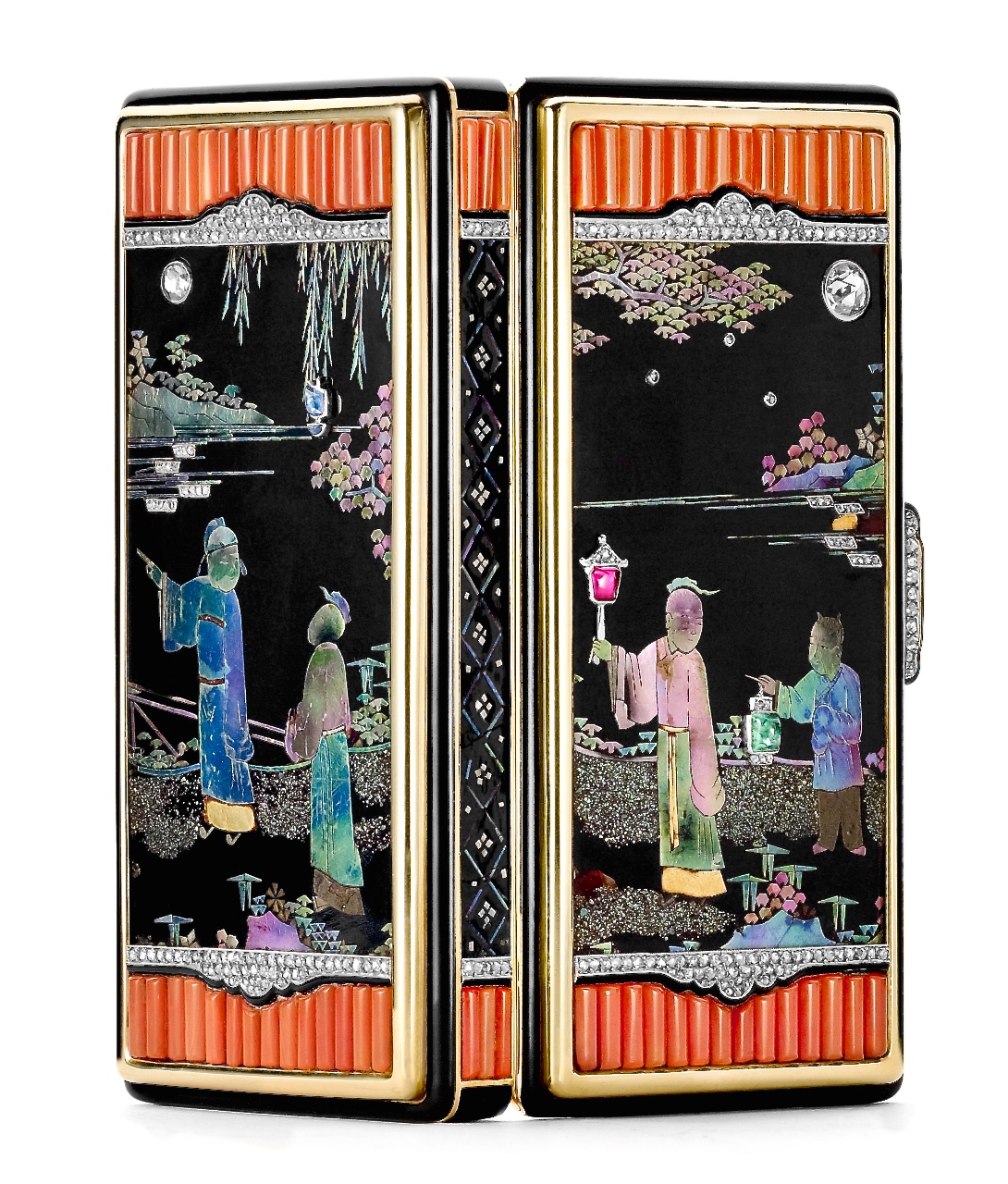
Or, Platinum, Diamonds, Coral, Mother of Pearl, Enamel, Lacquer
Cartier 1926
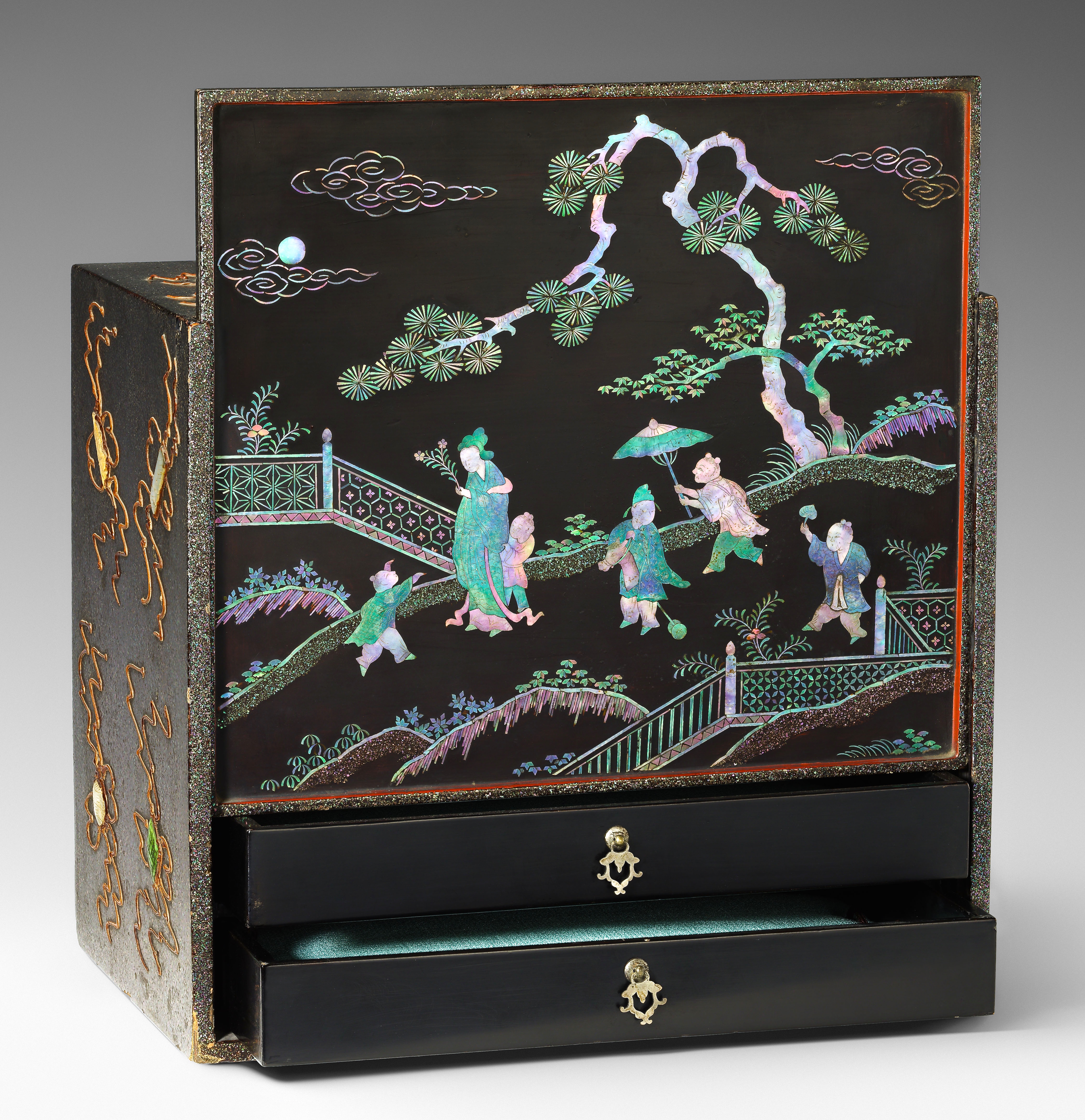
end of the 19th century
Baur Collection
It should be noted that it was in the 19th century that a fascination with an «exotic art», Asian art, began. Thus, Asia exerted a considerable influence on Western art until the 20th century. In fact, Europe discovered Asia, its way of life, its philosophy, and its «curiosities».
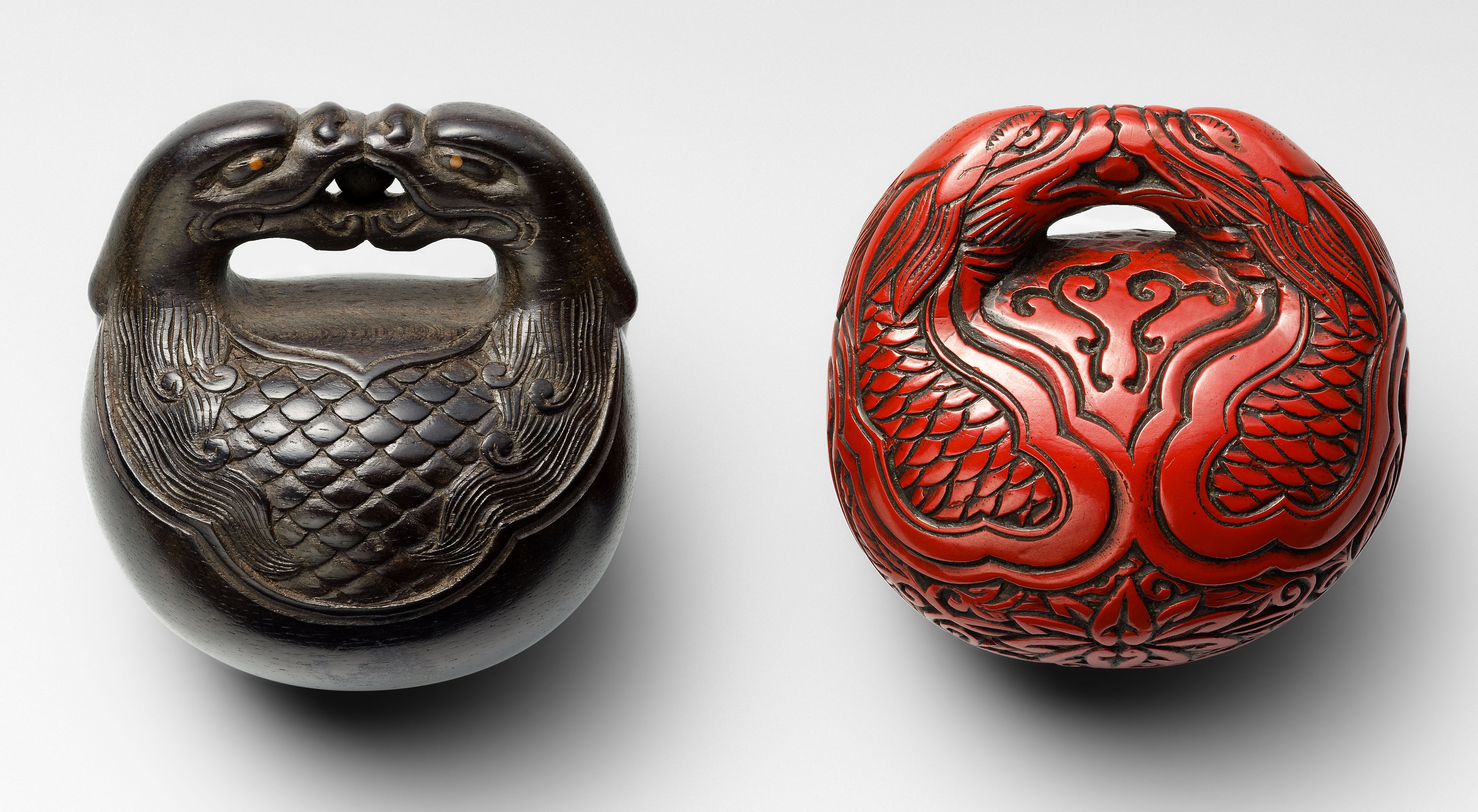
Wood, Lacquered Wood
Japan at the end of the Edo period, 19th century
Baur Foundation
As we go along, tVarious kinds of objects from China and Japan are then offered (porcelain, ivory, prints, netsuke…). These curiosities called «curiosities» captivate, and the enthusiasts soon become collectors.
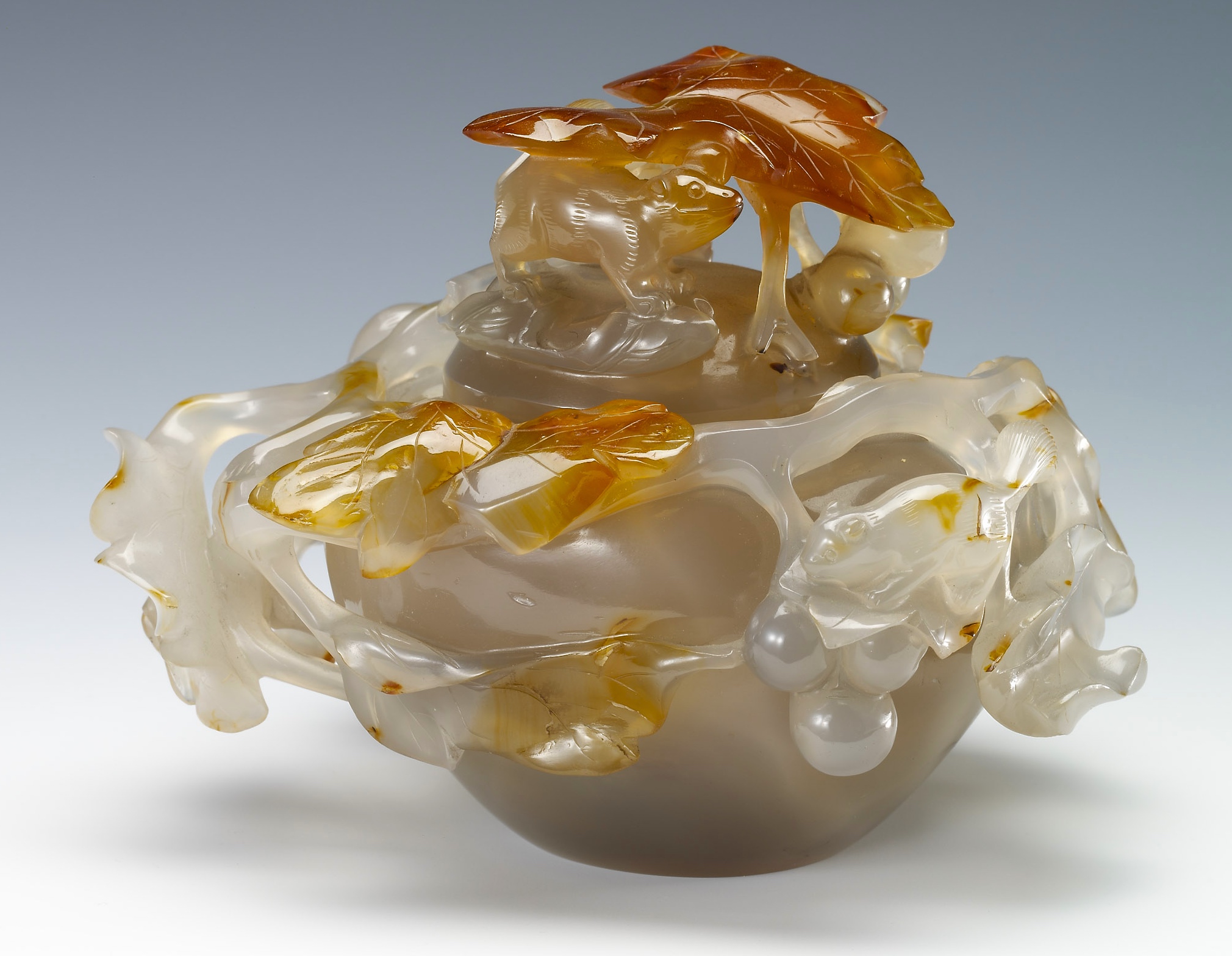
China, Qing Dynasty
1850-1920
Baur Foundation
After that, Alfred Baur embarked on a great journey in Asia, which would give rise to a passion and then an exceptional collection.
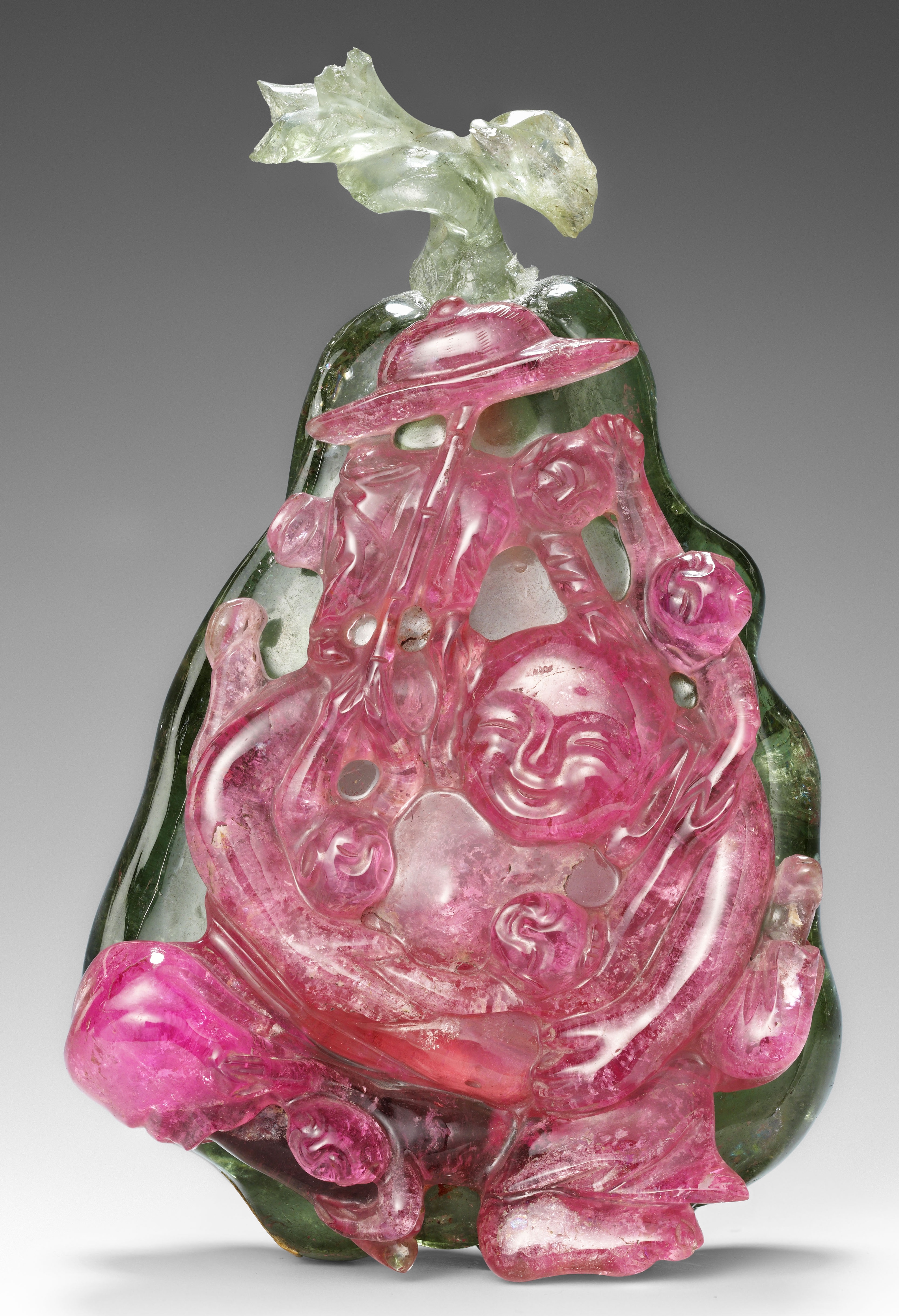
Tourmaline, Qing Dynasty China, Late 19th century
Baur Foundation
Similarly, the Joaillier Cartier I feel this curiosity, this taste in fact. This is how Chinese or Japanese-style creations emerge.
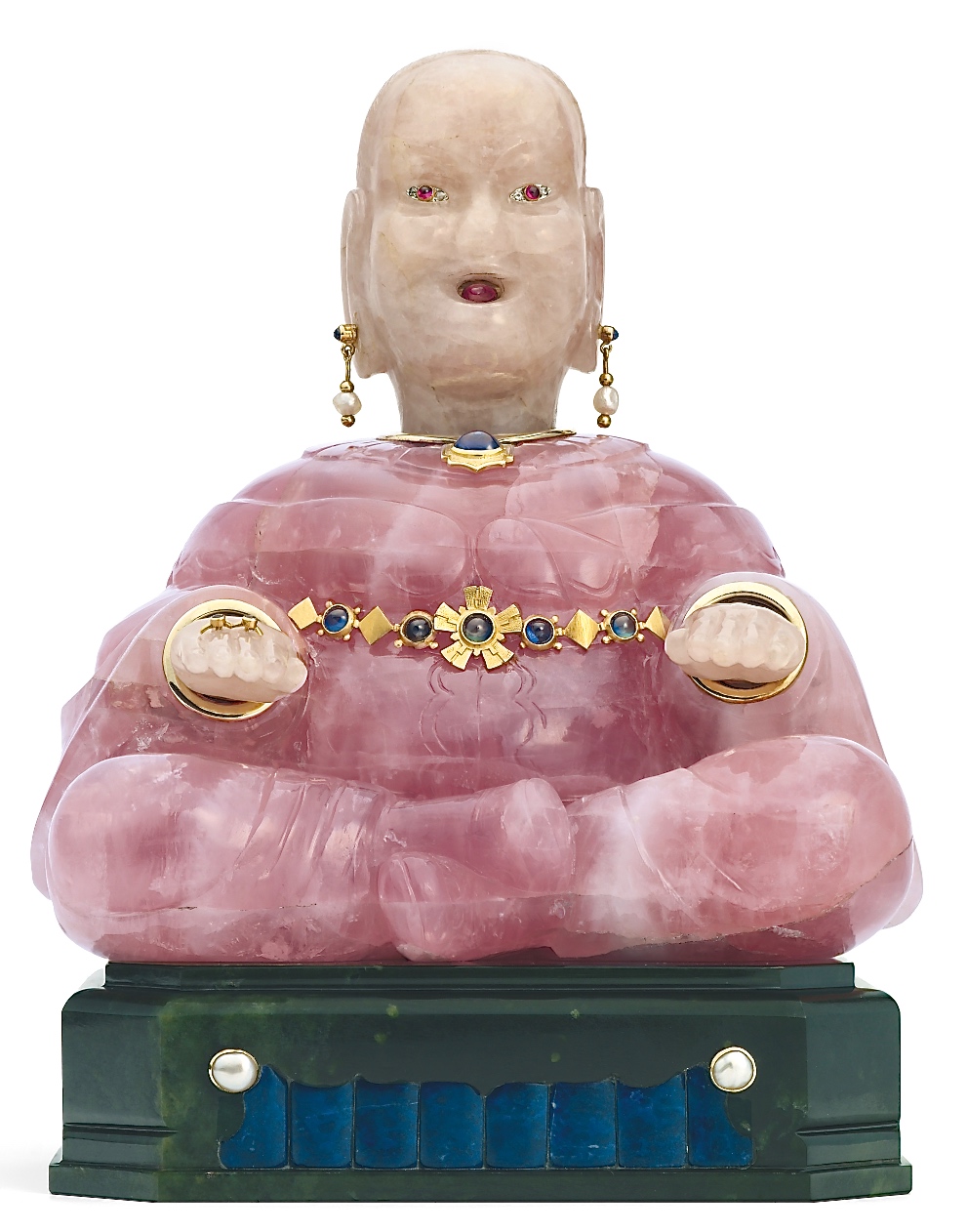
Or, Quartz, Jade, Lapis-Lazuli, Diamonds
Cartier 1928
In this spirit, we encounter two conceptions: the first one incorporates genuine Chinese or Japanese elements; the second one, whose Asian style is entirely realized by Cartier.
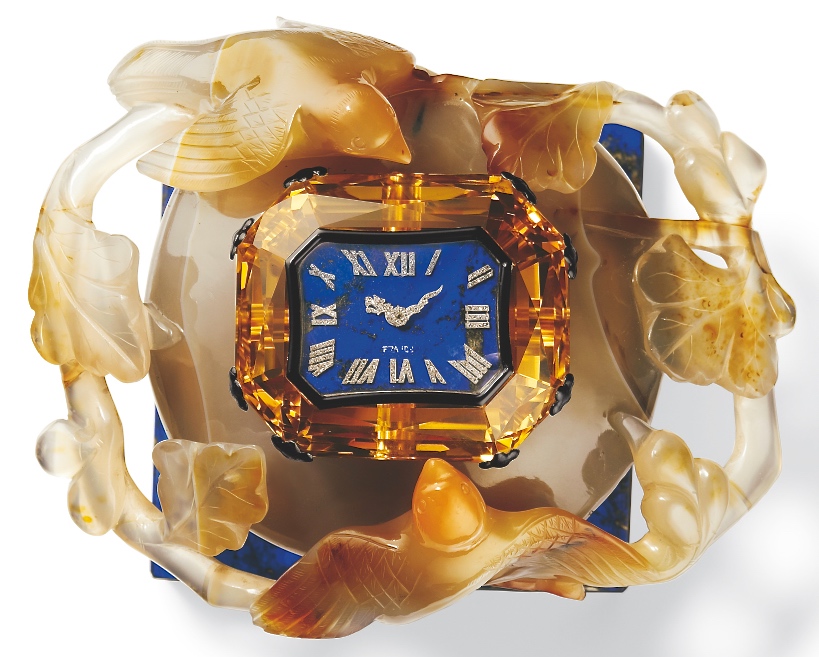
Chinese brush holder in Agate from the late 19th century. Lapis-Lazuli, Citrine, Gold
Cartier 1927
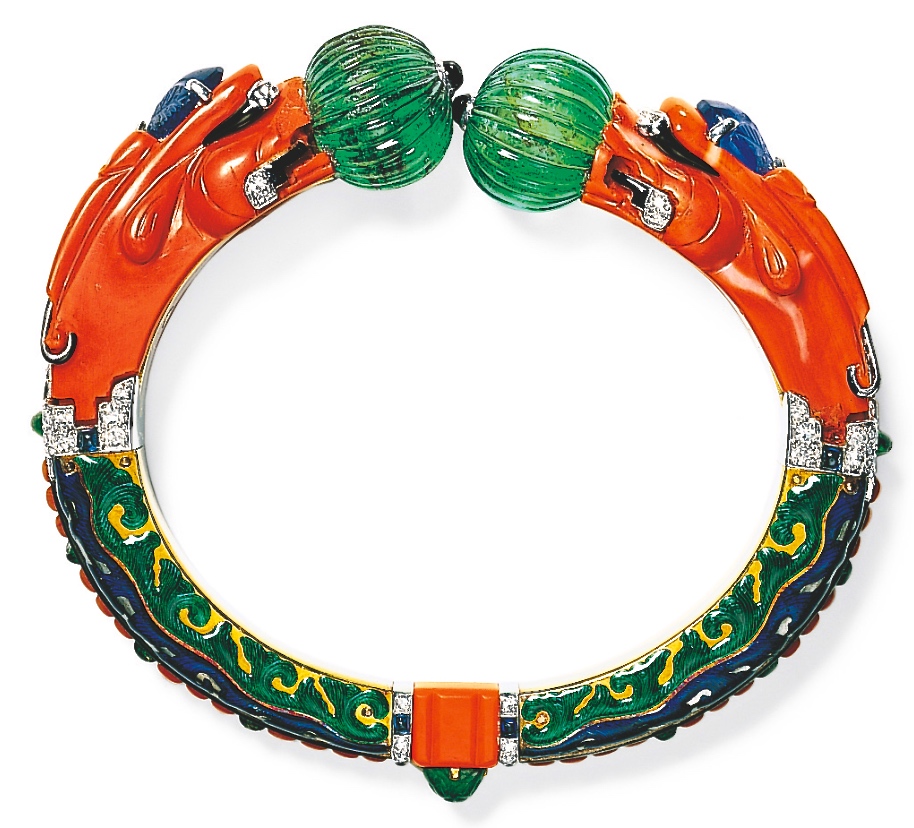
Platinum, Gold, Diamonds, Emeralds, Coral
Cartier 1961
Moreover, the Chinese or Japanese designs so closely resemble the aesthetics of the jeweler that they serve as a general decoration for the enamel or engraved gold used for the boxes. We will therefore find these geometric patterns or cloud motifs.
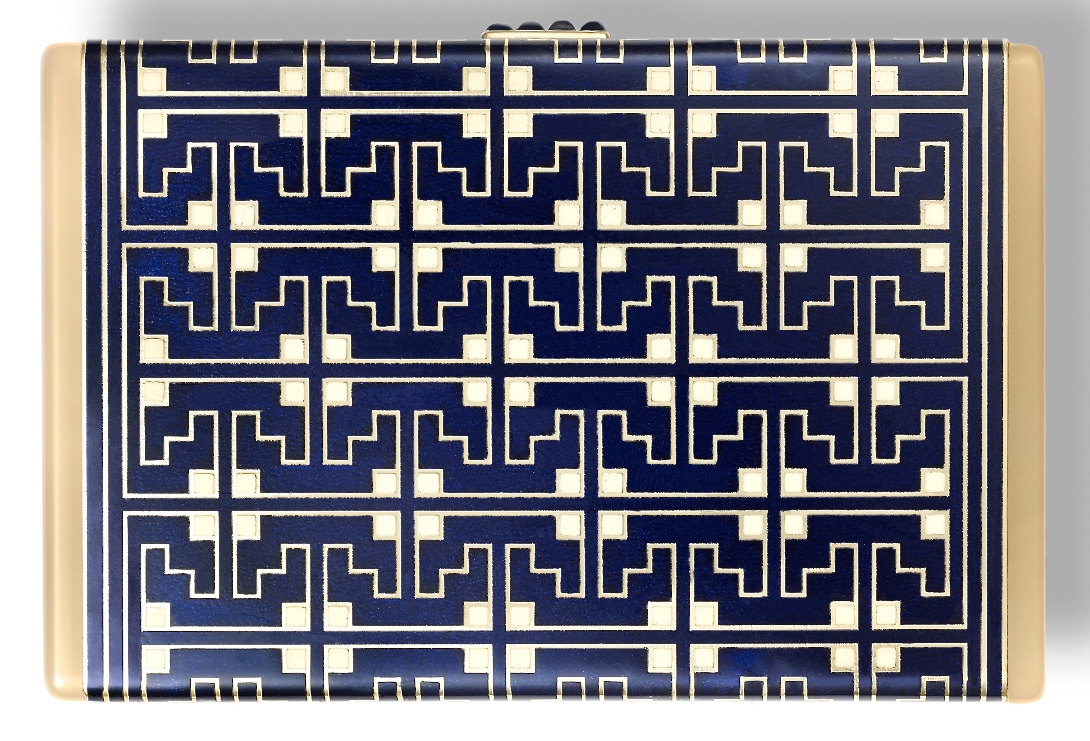
Or, enamel, agate, sapphires
Cartier 1928
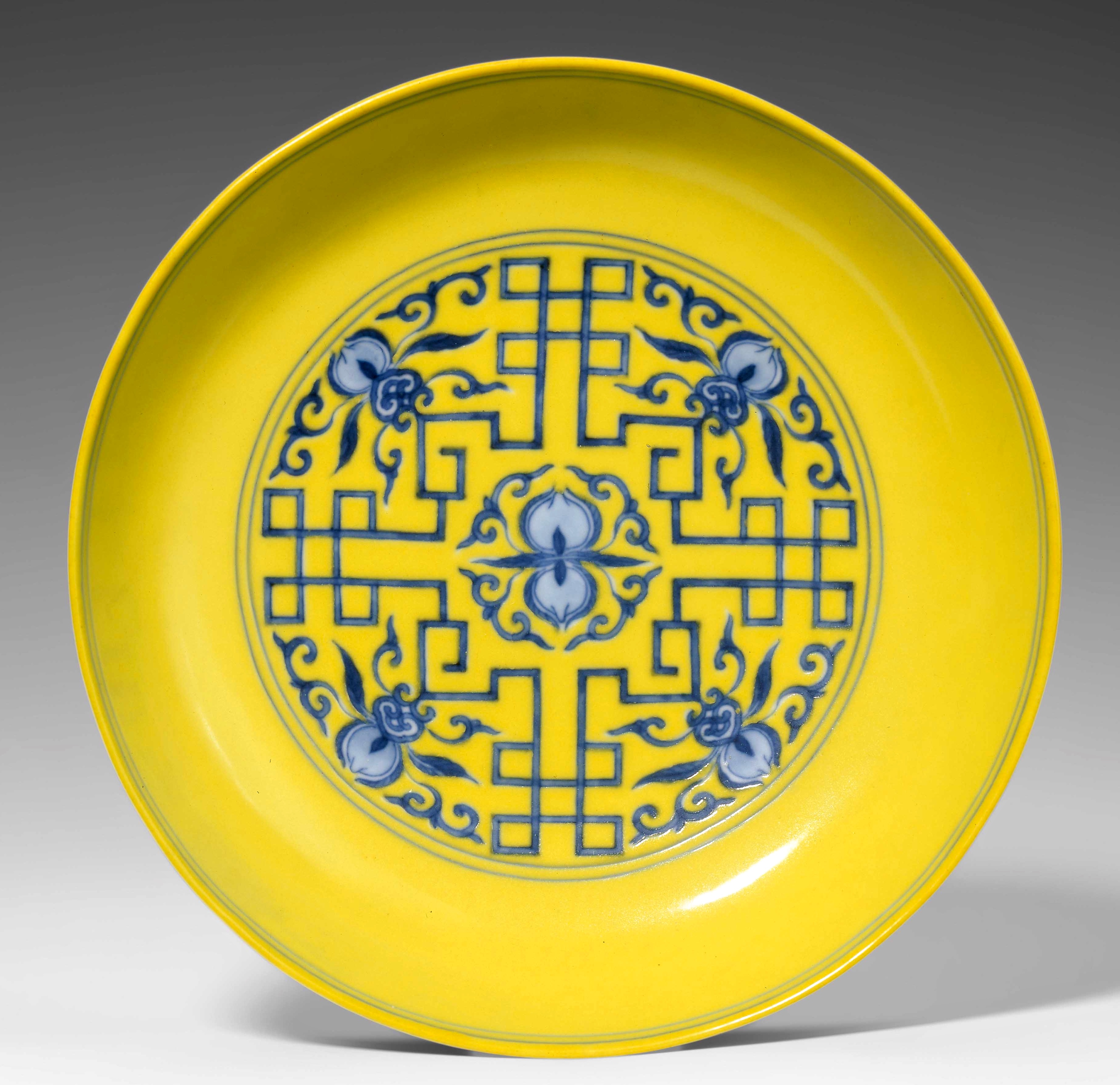
Painted porcelain with enamels
China, Qing dynasty, 1723-1735
Baur Foundation
It should not be forgotten that at this time House Cartier He successfully produced the so-called mysterious pendulums. The mechanism for driving the needles is hidden in the engraved stone; the object is beautiful and also useful. The pendulums could suggest a Shintoist temple.
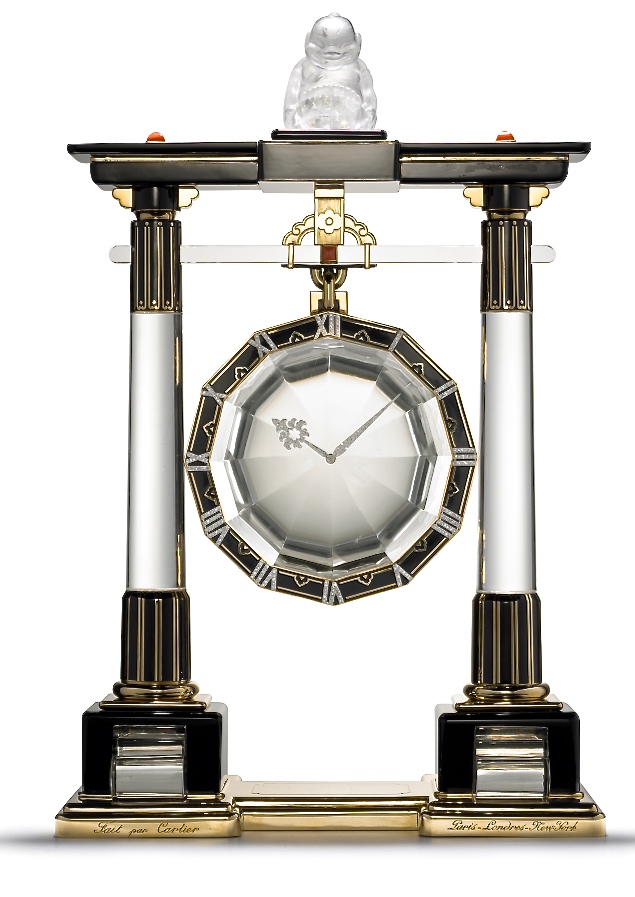
Crystal of Roche, Onyx, Diamonds, Coral, Gold, Platinum
Cartier 1923
Perhaps more subtle is the inspiration of the inrô. This small Japanese male box, the Inrô was practical; you could put all kinds of personal items in it because kimono were without pockets. Note that the object has compartments that are held together by a cord. Notably, Cartier adapted the shape of the inrô, rectangular or cylindrical, for necessities.
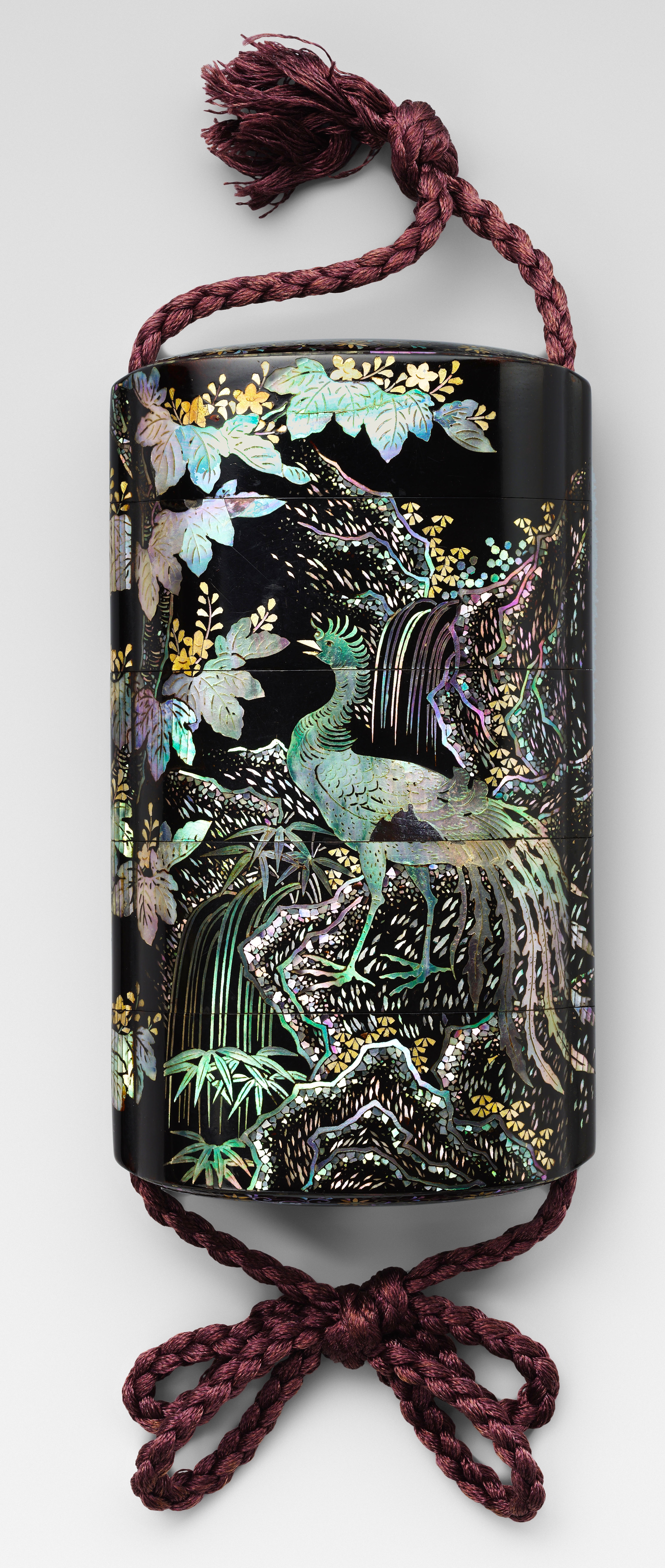
Lacquer, Nacre
Japan 19th century
Baur Foundation
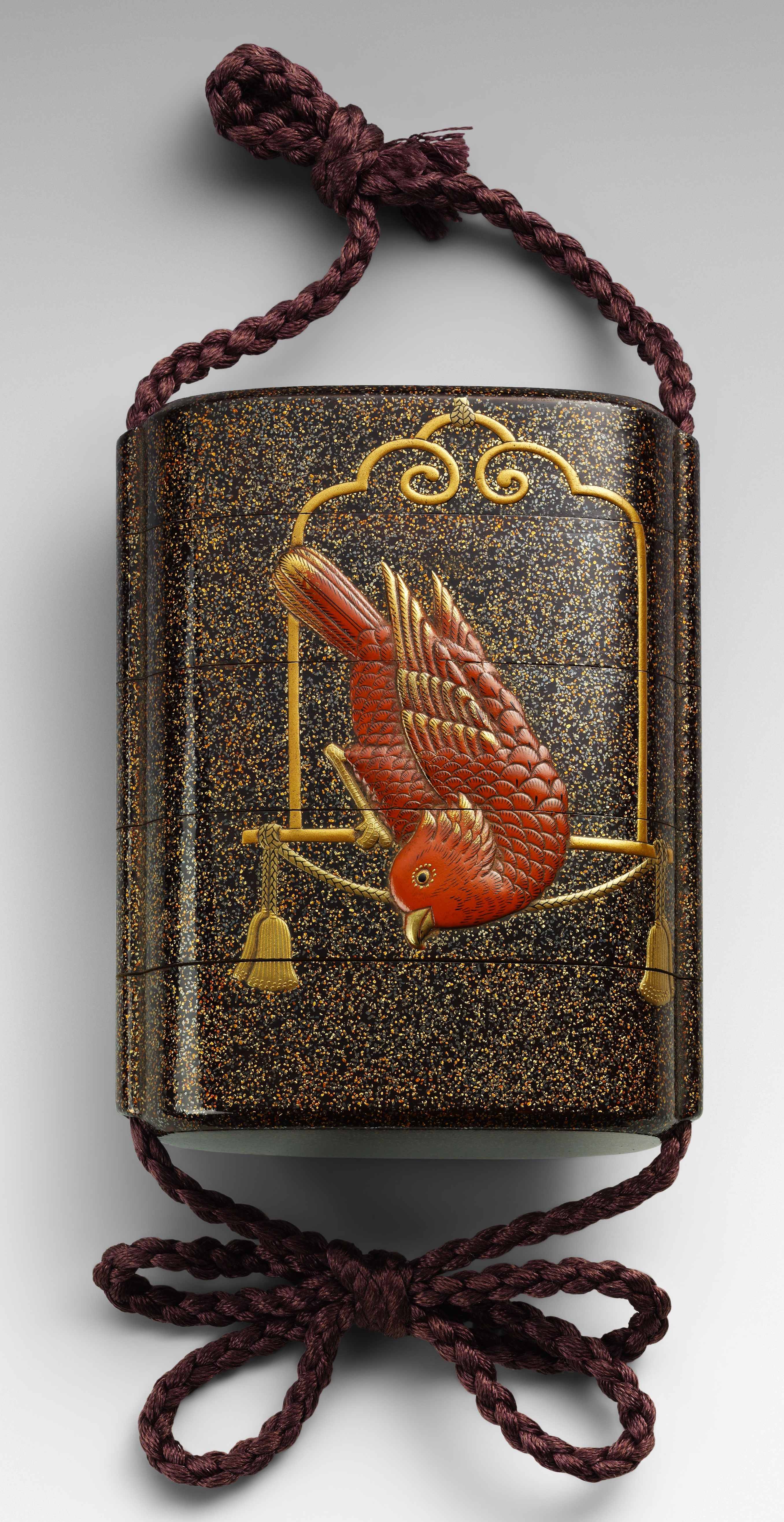
Japanese Edo period 1722
Black lacquer, gold sequins
Baur Foundation
Since inside this case, there is a mirror on the lid, two powder compartments and a blush palette, and a lipstick case in the center.
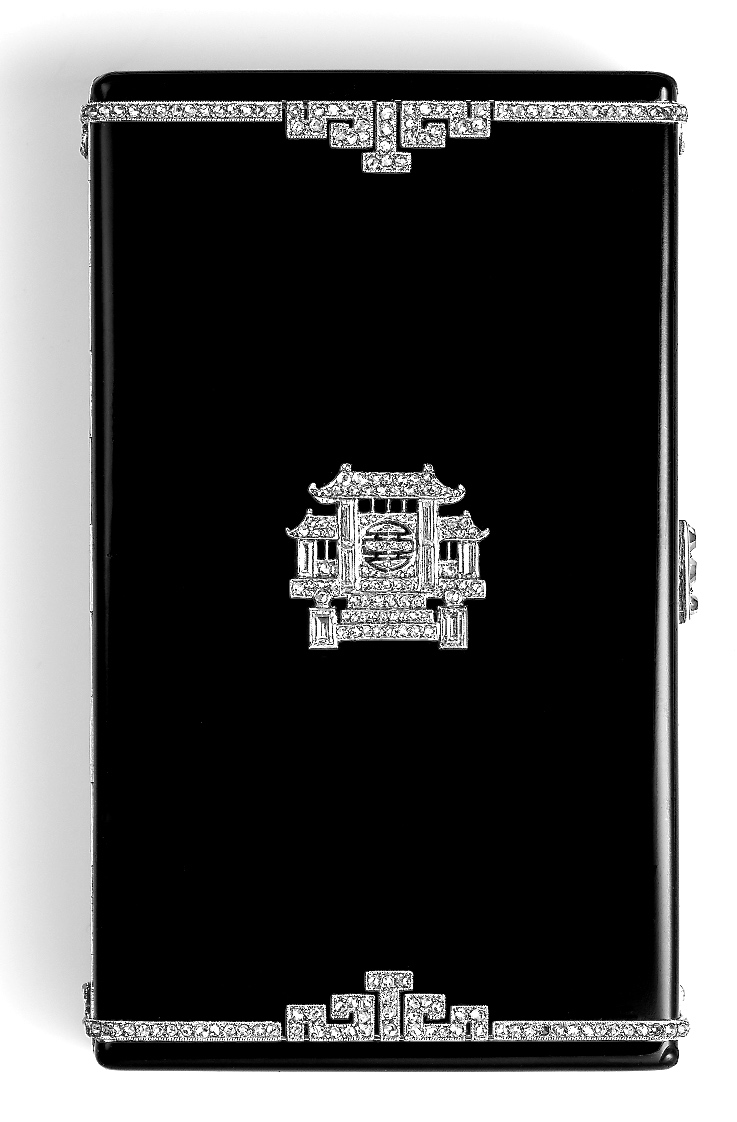
Gold, Rose, Yellow, Diamonds, Enamel.
Cartier 1927
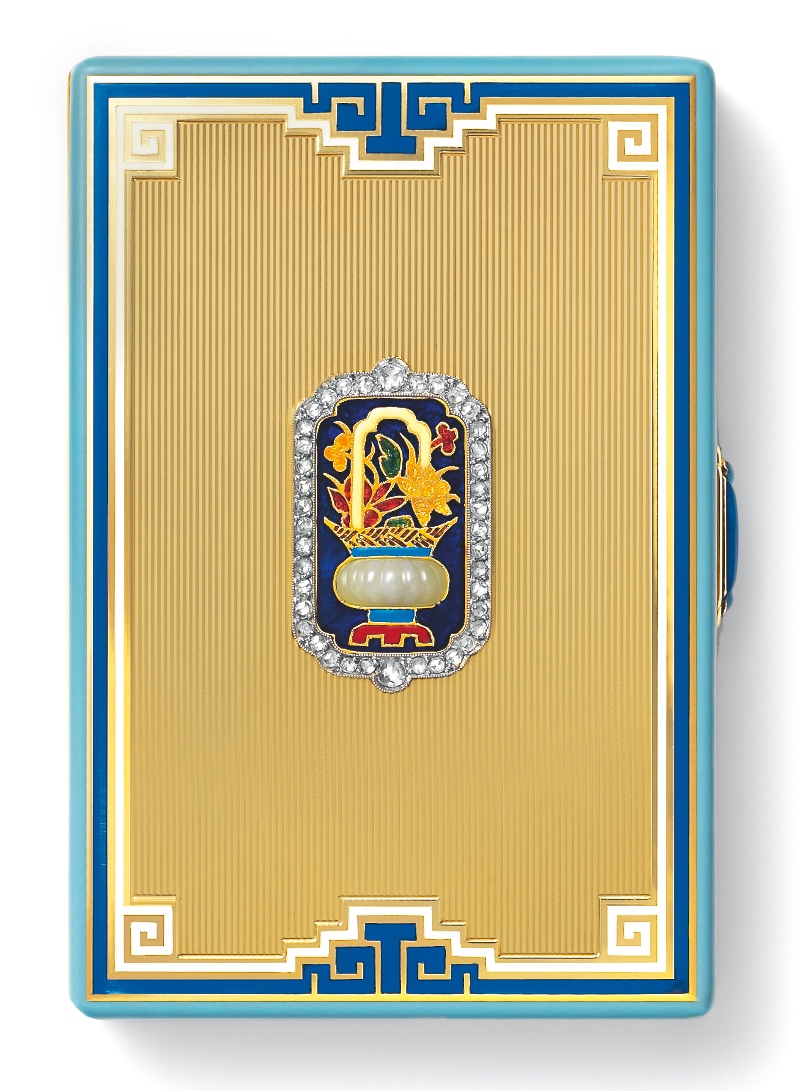
Or, Jade, Lapis-Lazuli, Turquoise, Diamonds, Enamel
Cartier 1930
Moreover, the diamond-studded jewelry also incorporates these Chinese motifs, wonderful flowers and beasts where the birds sing from a place far away.
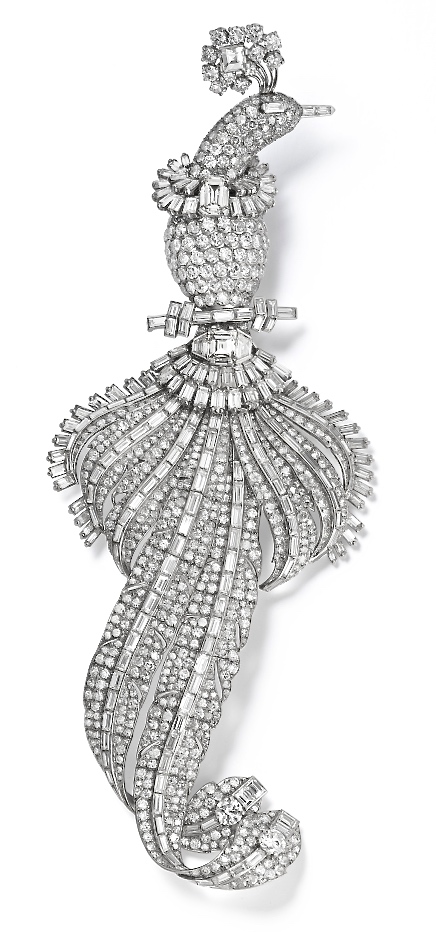
Platinum, Gold, Diamonds
Cartier 1948
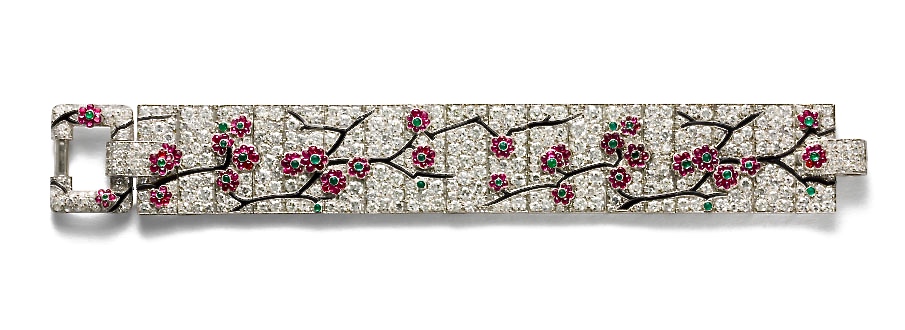
Platinum, Diamonds, Emeralds, Ruby, Onyx
Cartier 1926
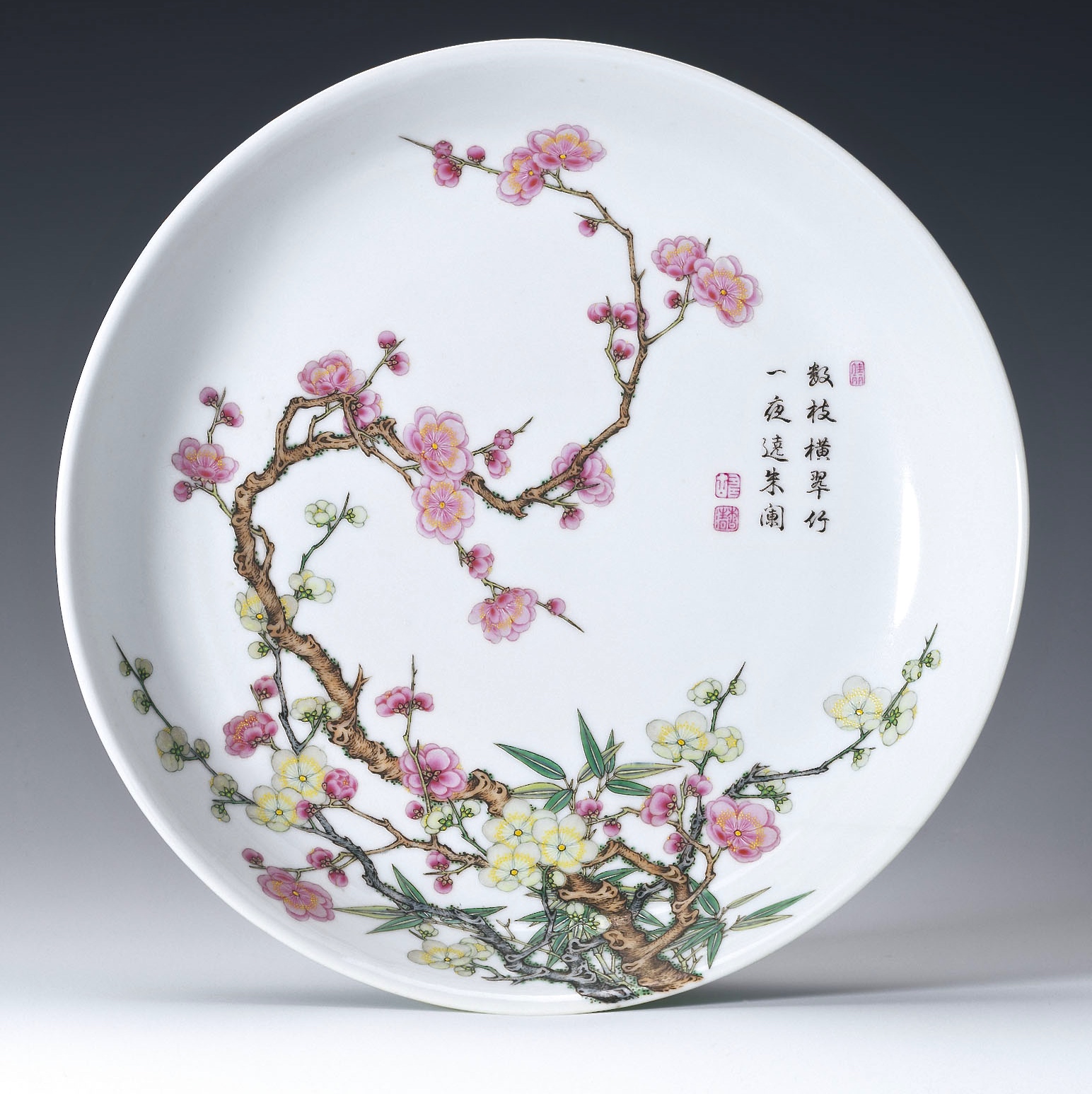
Baur Foundation 18th century
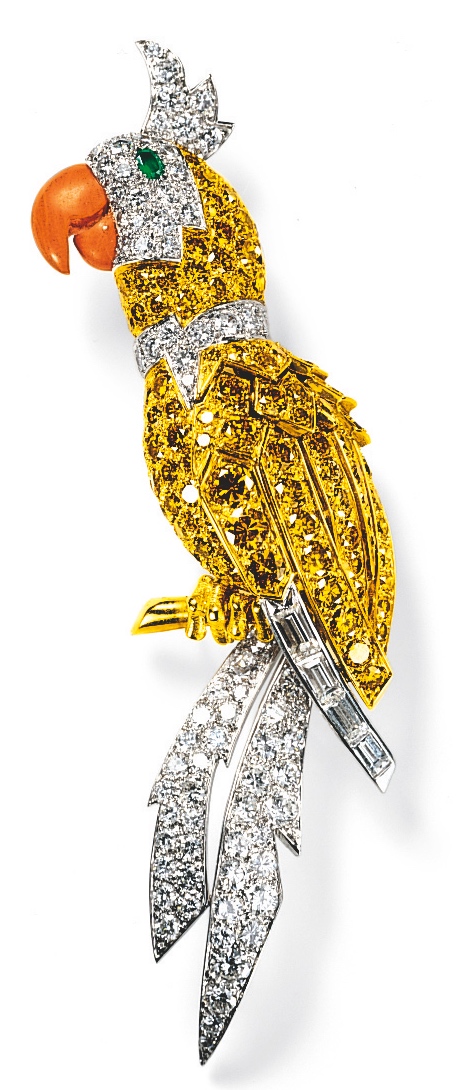
Diamonds, Yellow Diamonds, Corals, Emeralds, Gold, Platinum
Cartier 1969
To conclude this visit, the treasures of the Baur Foundation find an echo in the creations of the House Cartier. It is a fascinating cultural encounter where the fragrances of Asia continue to inspire us on a daily basis.
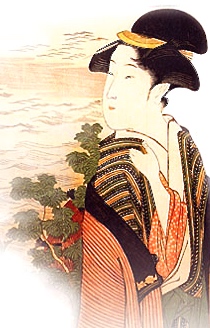
From November 12, 2015 to February 14, 2016
Baur Foundation, Museum of the Arts of the Far East
8 rue Munier-Romilly
1206 Geneva
Photos Credits Baur Foundation
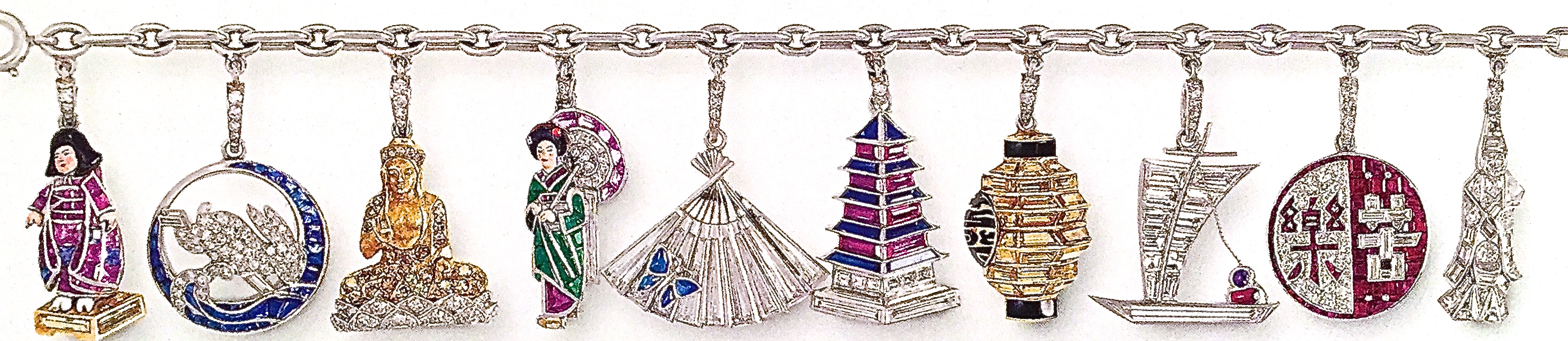
Cartier 1942