






Dynastic jewels, the eloquence of power adorned with light.

Russia (probably), 1850-1900
Diamonds, or, silver
8.3 × 10 × 1.5 cm
Al Thani Collection, ATC374d
© The Al Thani Collection, 2018. All rights reserved. Photograph by Prudence Cuming Associates Ltd
At Hôtel de la Marine, the Al Thani Collection continues its dialogue with the history of prestige. After exploring medieval and Renaissance art, it concludes its trilogy with Dynastic Jewels. Power, Prestige and Passion (1700-1950), presented from December 10, 2025 to April 6, 2026 in collaboration with the Victoria and Albert Museum in London.
The exhibition reveals, through more than two centuries of jewelry, a theater of gems where power is read in the size of a diamond and politics is expressed through the gesture of a gift. The stones are not mere ornaments here; they become the actors of a diplomacy of sentiment and a ceremonial of rank.
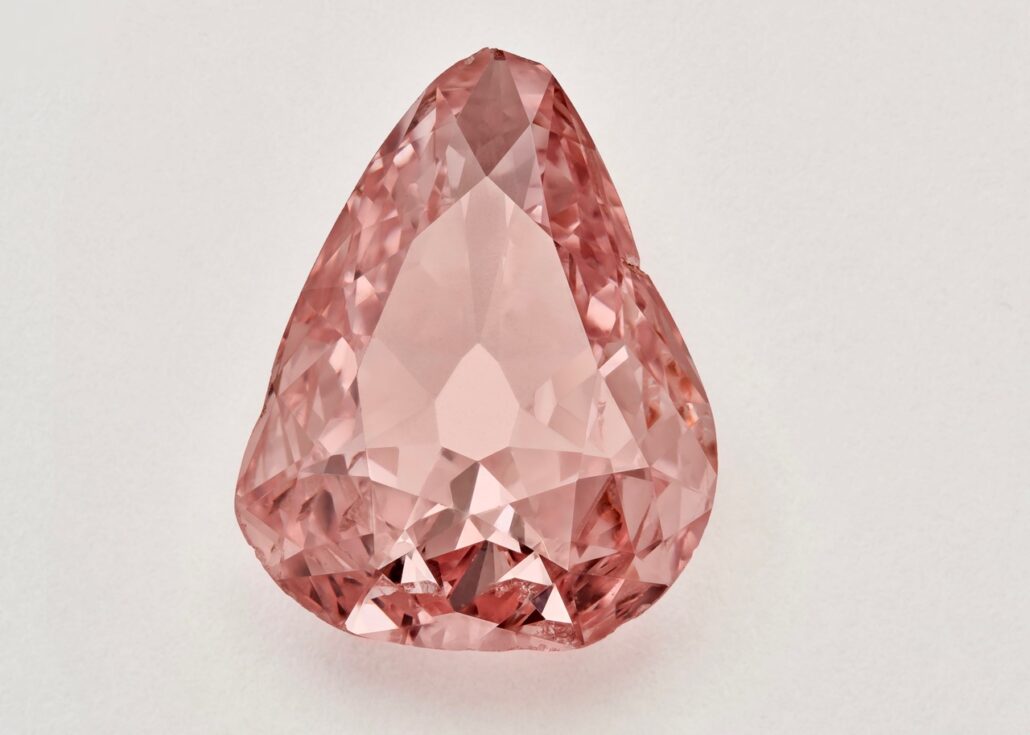
From the first room, the gaze lingers on the Indies Briolette and the’Star of Golconda, Legendary stones whose purity evokes both the roads of commerce and those of fascination. Mogul emeralds, bicolor sapphire from the Crown jewels: each gem is a fragment of empire, a flash of history where the mineral brilliance blends with human fragility.
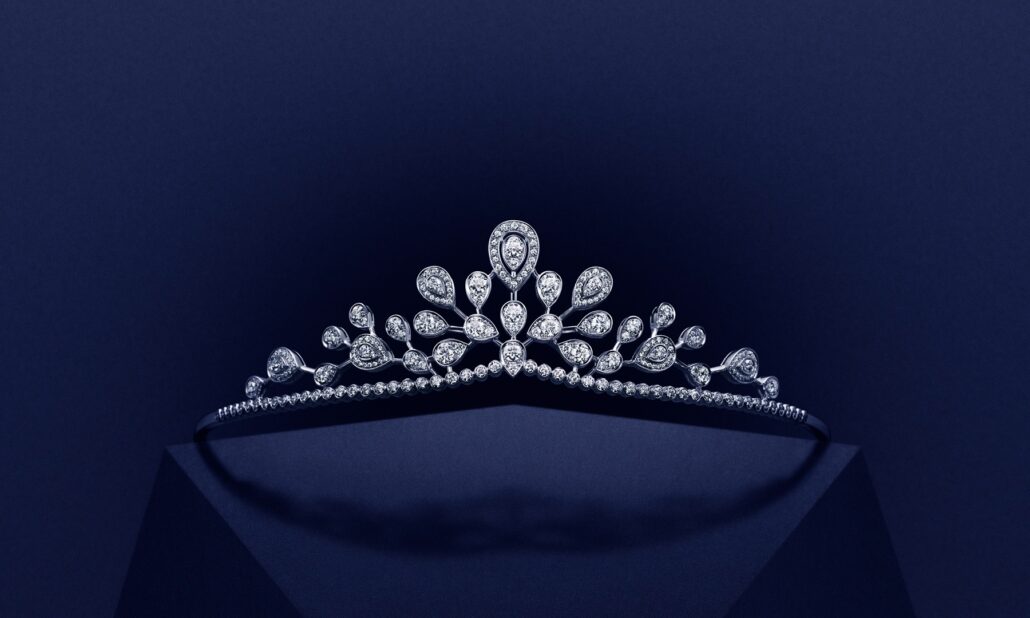
Then come the diadems, eleven masterpieces suspended between the present and memory. From the jewel offered by the Prince Regent to Mrs Fitzherbert to the diadems Rinceaux From Queen Elisabeth of Belgium, a female gallery emerges where jewelry becomes both armor and language. The creations of Fossin and Cartier reflect the slow evolution of taste, from the Napoleonic romanticism to the geometric rigor of Art Deco.
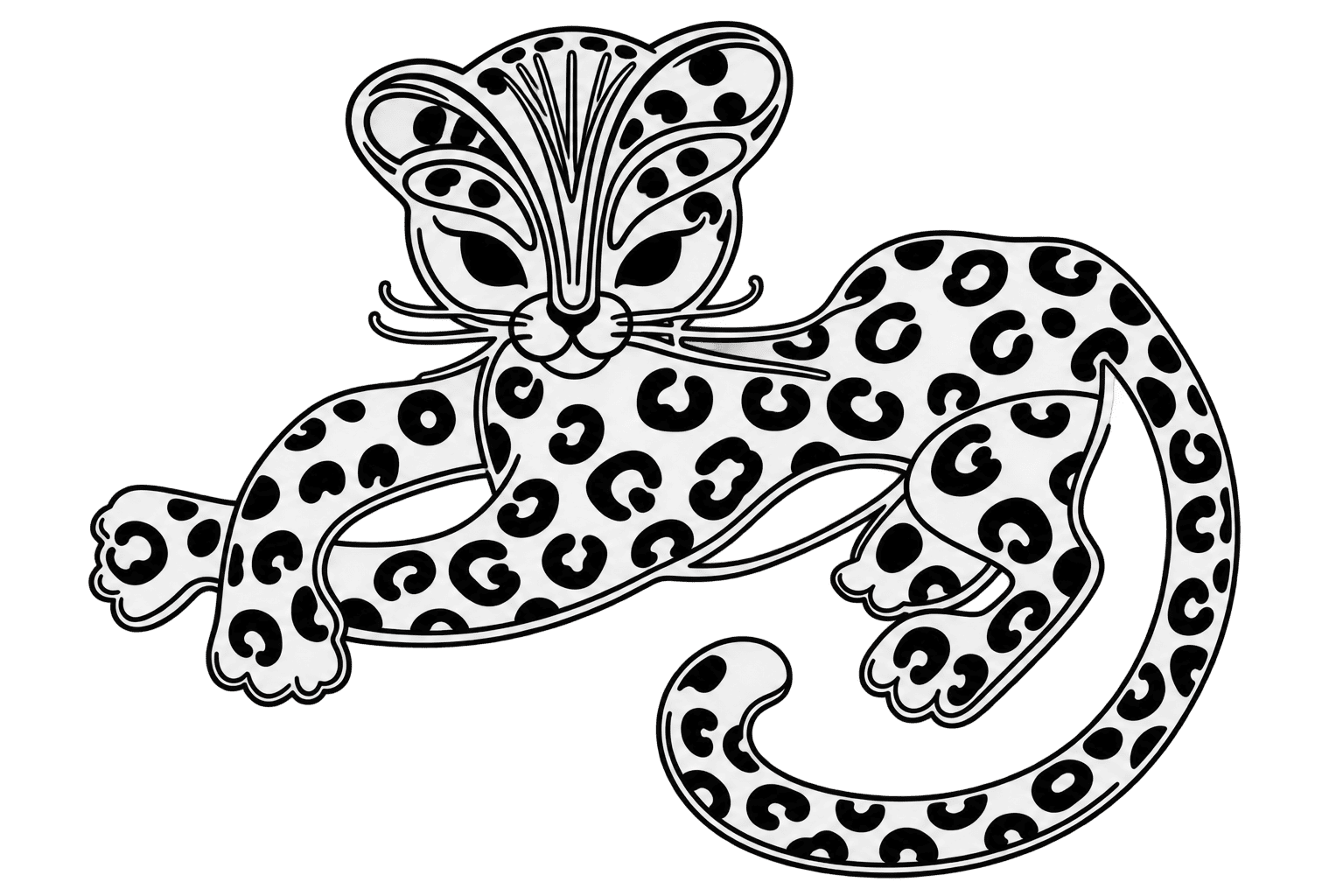
Finally, the last part reminds us that the 20th century dispersed the old splendors into new circles: collectors, heiresses, and worldly figures. Sun at the Panther brooch From the Duchess of Windsor, the jewels change function without losing their eloquence. They no longer celebrate the dynasty, but the individual.
As you leave this exhibition, you realize that these stones, far from being mere treasures, constitute a grammar of power. An art of existing through radiance.
Visual credit given: ©Victoria and Albert Museum, London