






At the Maison du Danemark, an unprecedented exhibition reveals two decisive years spent in Paris by the Danish goldsmith, a chapter long kept in the shadows of his legend.
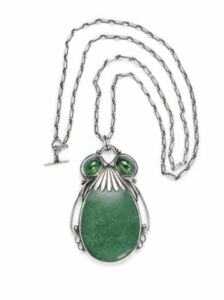
There are voluntary breakups that look, at first glance, like retirements. In December 1924, Georg Jensen left Copenhagen to settle in Paris. Not to flee, but to start anew.
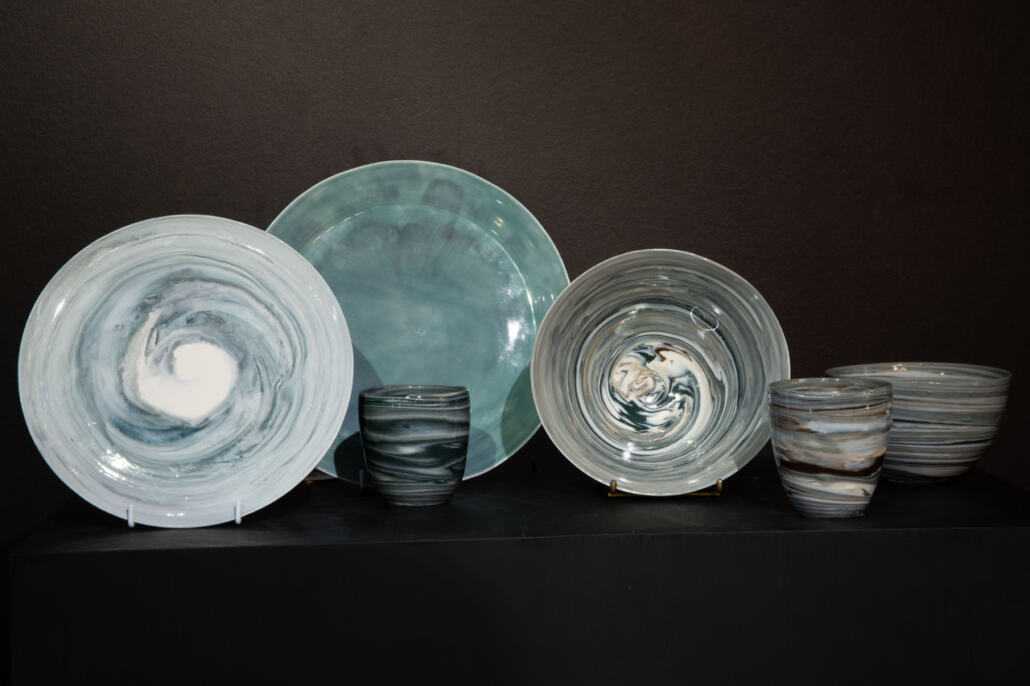
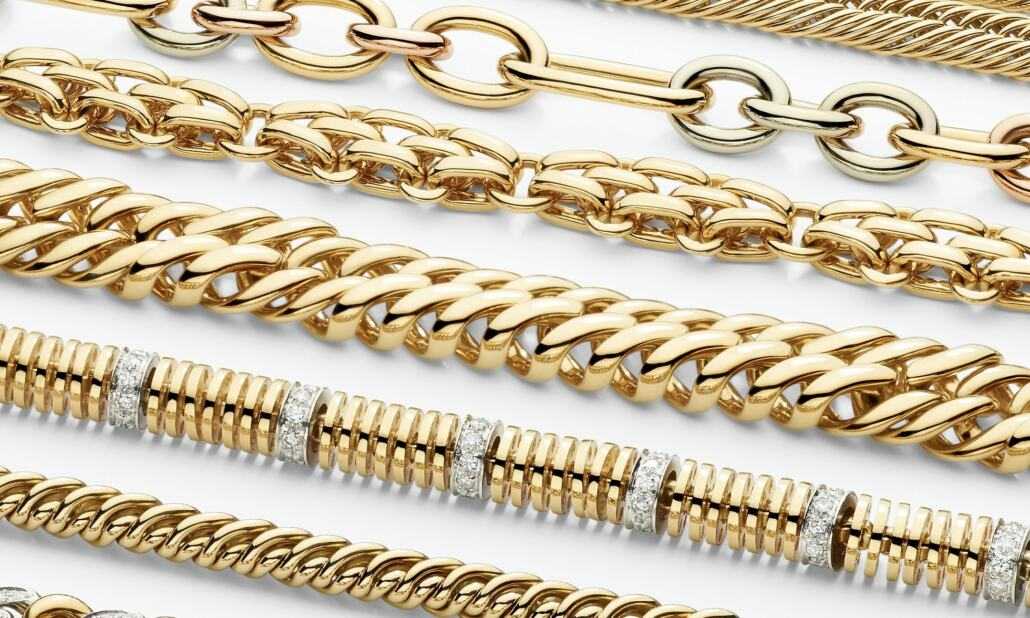
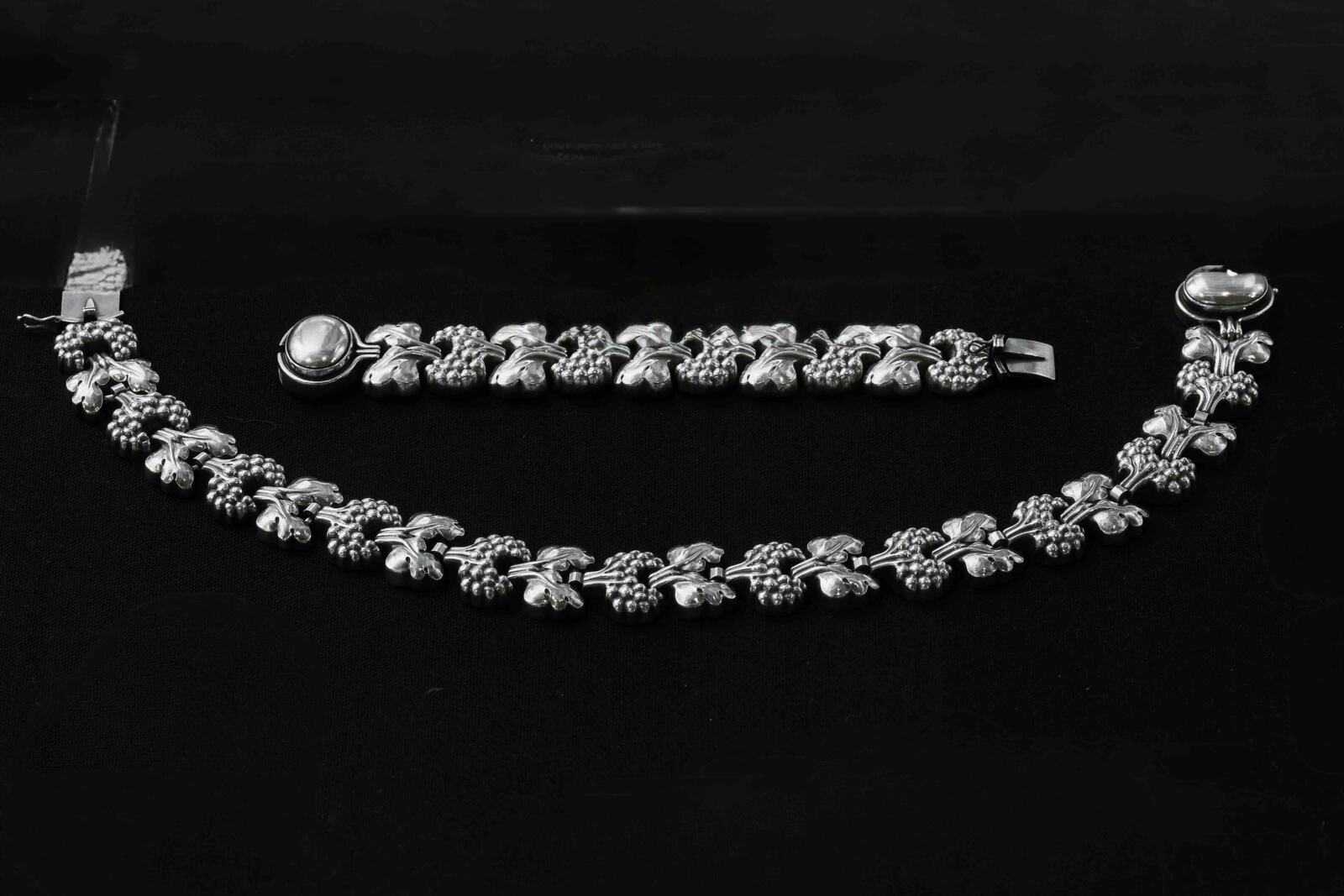
To mark the centenary of this seminal stay, the Maison du Danemark is hosting an exhibition until May 31 that reconstructs these two Parisian years with the precision of a jeweler. The pieces on display come from family loans, museums, and private collections, many of which had never before been shown to the public. Orrefors, ceramics, and jewelry form a journey that delves into a period of silent excitement, where constraint paradoxically became the instrument of freedom.
The choice of exile by a master. The decision to leave Copenhagen was not an impulsive one. His workshop employed nearly three hundred artisans and enjoyed international recognition. However, Jensen was denied the right to reproduce his earlier designs, a commercial dispute that history has discreetly remembered. Forced to innovate purely, he assembled a tight team around him: three silver craftsmen, an goldsmith, a silversmith, and a sales manager. It was in this modest workshop, somewhere between Montparnasse and the noise of the exhibitions, that he would design some of the most accomplished pieces of his career.
Paris offers him what Copenhagen could no longer give: temporary anonymity and, with it, the fertile space of doubt. Trained as a dybner, sculptor and ceramist before becoming a goldsmith, Jensen conceives an object not as a specialized artisan but as a plastic artist for whom each volume must respond to a sculptural logic. The fluid lines, organic motifs and hammered surfaces that characterize his work achieve a new plenitude in Paris, free of any repetition.
The year 1925 marks a public consecration. At the International Exhibition of Modern Decorative and Industrial Arts, Jensen receives the Grand Prix, an award that will definitively establish his reputation on the French scene. The Parisian press eagerly takes up the character: Art and Decoration, The Love of Art and The Modern Review of Arts and Life They praise his technical mastery and sculptural sense of volume in turn. One critic, under the pseudonym De Cordis, does not hesitate to compare him to Paul de Lamerie, the 17th-century goldsmith considered one of the greatest in British history.
These accolades are not mere politeness in a given situation. They testify to a lucid, critical reception, attentive to the way Jensen articulated Nordic heritage and decorative modernity, a synthesis that would, in turn, help make Scandinavian design known in France long before the term even existed.
The itinerary proposed by the Maison du Danemark is not limited to the Parisian years. Representative pieces from the Danish period frame these two years of voluntary exile, allowing the visitor to measure the inflection they represent in a long trajectory. Preparatory drawings, photographic archives, and period documents complete the ensemble, giving the exhibition a rare documentary density for a subject so discreet in the history of design.
Alongside the exhibition, a research book signed by Michael R. Krogsgaard and David A. Taylor appears, A Refuge for an Eminent Danish Silversmith Georg Jensen Paris 1925-26, the first academic work specifically devoted to this period. Richly illustrated, it brings together the identified works from these two years and offers an in-depth analysis of Jensen’s collaborations and critical reception in France.
When G. Jensen returned to Denmark in June 1926, he brought with him something imperceptible but decisive: the certainty that a personal plastic language can survive its own conditions of emergence, renewing itself without renouncing its origins. His influence on the generations of artists and designers who would follow him will be commensurate with this quiet conviction. The exhibition of the Danish House proves it, both quietly and eloquently, in the curves of a metal that has not aged.
House of Denmark Until May 31, 2026