





A Man, a Loupe, a Workshop
It all begins with Frédéric Boucheron. When he registers his hallmark as a jeweler and opens his workshop in 1866, he already works with diamonds, white or colored, as well as rubies, emeralds and sapphires. Recognition soon follows. At the 1878 Exposition Universelle, his first Grand Prix earns him the praise of Henri Vever, historian of jewelry, who describes a display case glittering with enormous sapphires, pearls and colored stones.
The Maison keeps a record of everything. Its stock books are less concerned with the origin of the stones than with their weight and quality, a reflection of an era not yet preoccupied with provenance. Here and there, however, mentions surface: Ceylon, pearls from the Antilles, opals from Mexico, topaz from Brazil. A “book of stones and pearls” completes the collection: the gems presented to Boucheron are drawn, weighed and described there, and some are marked “Specimen” or “Extra.”
From Both Shores of the Atlantic
A clientele of new fortunes and old dynasties entrusts its stones to the Maison. Marie-Louise Mackay, whose husband built his wealth on a Nevada silver deposit, commissions nearly fifty pieces over thirty years. One of them, a necklace set with a 159-carat sapphire, is produced in three versions from 1878. Another necklace, with eight rubies totaling nearly 41 carats, later passes to Mona Bismarck before reappearing at auction in Geneva in 1986, then in New York in 2025.
The Vanderbilts, the Astors and the Galard de Béarns in turn assemble emeralds, sapphires and rubies, from necklaces to tiaras.


Louis: London, Patiala, Tehran
Louis inherits his father’s eye and widens the map. In London, Mrs Greville, whose name appears some eighty times in the archives, assembles a bandeau set with a 93.70-carat cabochon emerald and several sapphires. Lady Harcourt has an emerald tiara transformed, which she will wear at the coronation of George VI. The British Rothschilds, for their part, commission brooches, combs and bandeaux.
Then comes India. Louis is the first in the family to travel there, and the princely courts entrust him with spectacular commissions. On August 2, 1928, the Maharaja of Patiala crosses the Place Vendôme escorted by guards carrying six iron chests. They contain thousands of diamonds, rubies, gray pearls and 1,432 emeralds, totaling 7,800 carats, cut as beads or engraved in the Indian tradition. From this treasure come 149 pieces of jewelry, delivered six months later.
In 1930, the Shah of Iran asks him to inventory and appraise the National Treasury of Persia, on one condition: its total value must never be revealed. Louis advises opening the collection to the public. Called upon in 1958 to design the museum that would house it, he passes away a few months before its inauguration in 1960.
Gérard and Alain: Travel and Material
Gérard Boucheron extends these routes to the Near and Middle East. In 1947, the Egyptian princess Emina Toussoun commissions a bracelet of Ceylon and Burmese sapphires. In 1955, a client from Abu Dhabi has a parure of cabochon emeralds made, with the stones supplied by the Maison: a necklace of twenty-five emeralds weighing 252.61 carats, a bracelet and drop earrings.
With Alain, the fourth of the name, color becomes a dialogue. Rock crystal, rose quartz, citrines, and yellow and white diamonds come together in inventive parures. A ring from 1983, set with a cabochon sapphire, will inspire the bottle of the Maison’s first perfume in 1988.
Today, One Shared Quest
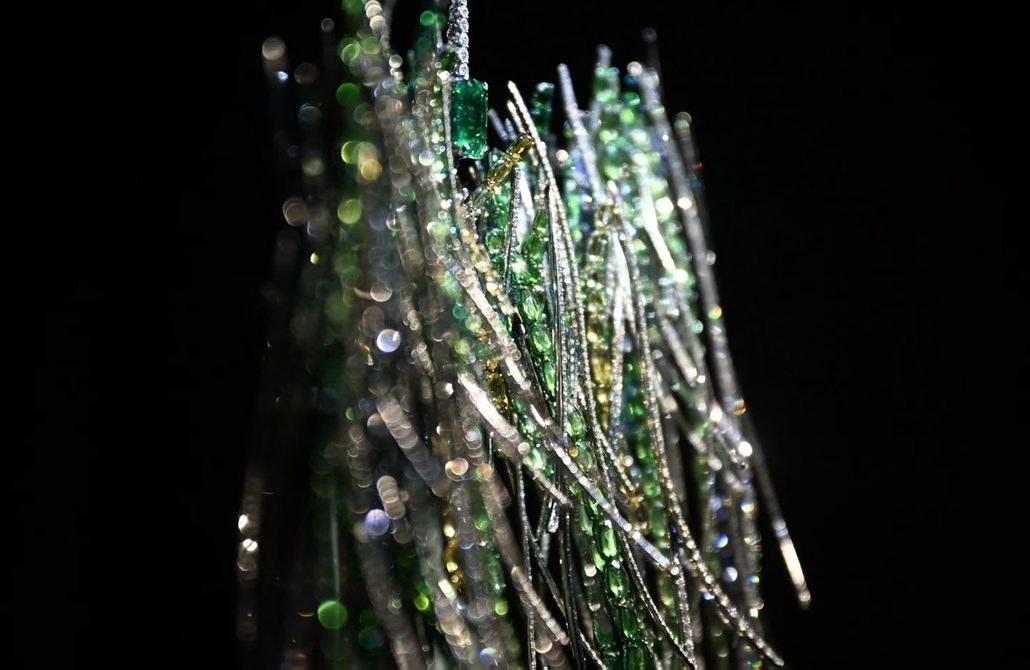
Hélène Poulit-Duquesne, CEO, accompanies the Maison’s stone hunter every year to the Tucson show. Her presence allows her to buy on the spot, without waiting for a stone to be sent on approval. Claire Choisne, Creative Director, starts from a dream, then seeks out the materials that will serve it. Her Rêves d’Ailleurs collection (2014) pays tribute to these stone stories: a “Trésor de Perse” parure and a “Fleur des Indes” necklace centered on a 188.79-carat Mughal emerald, never recut.
The family line keeps writing, one gem at a time.
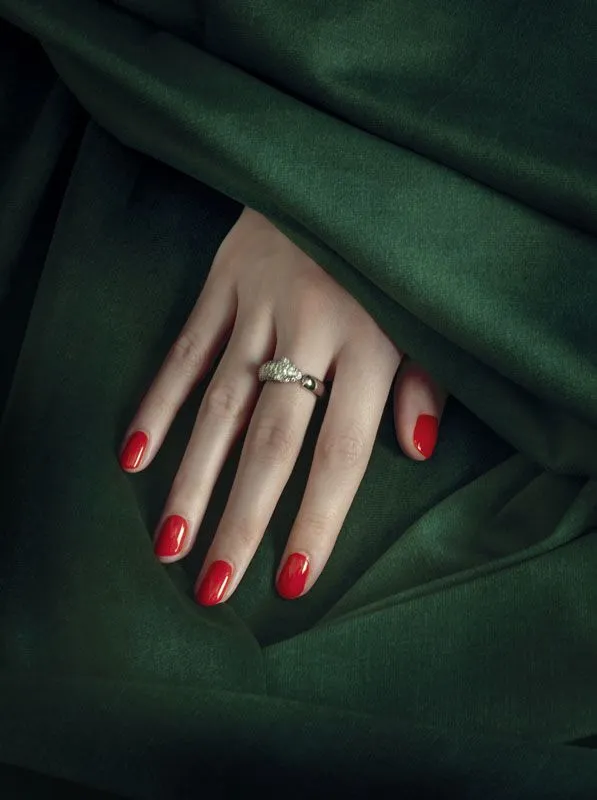
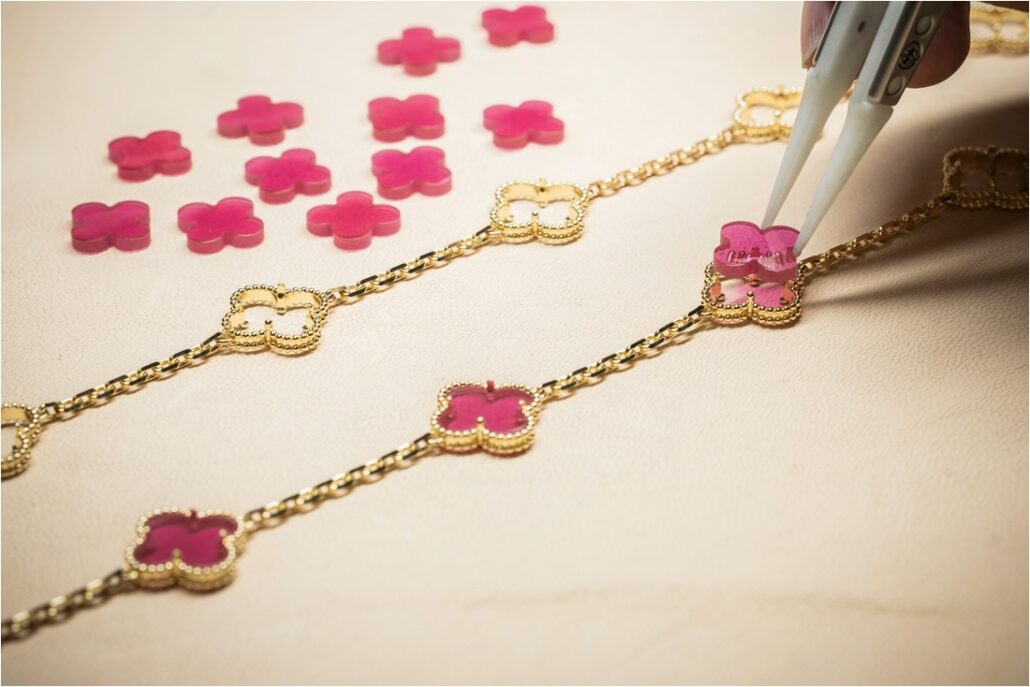
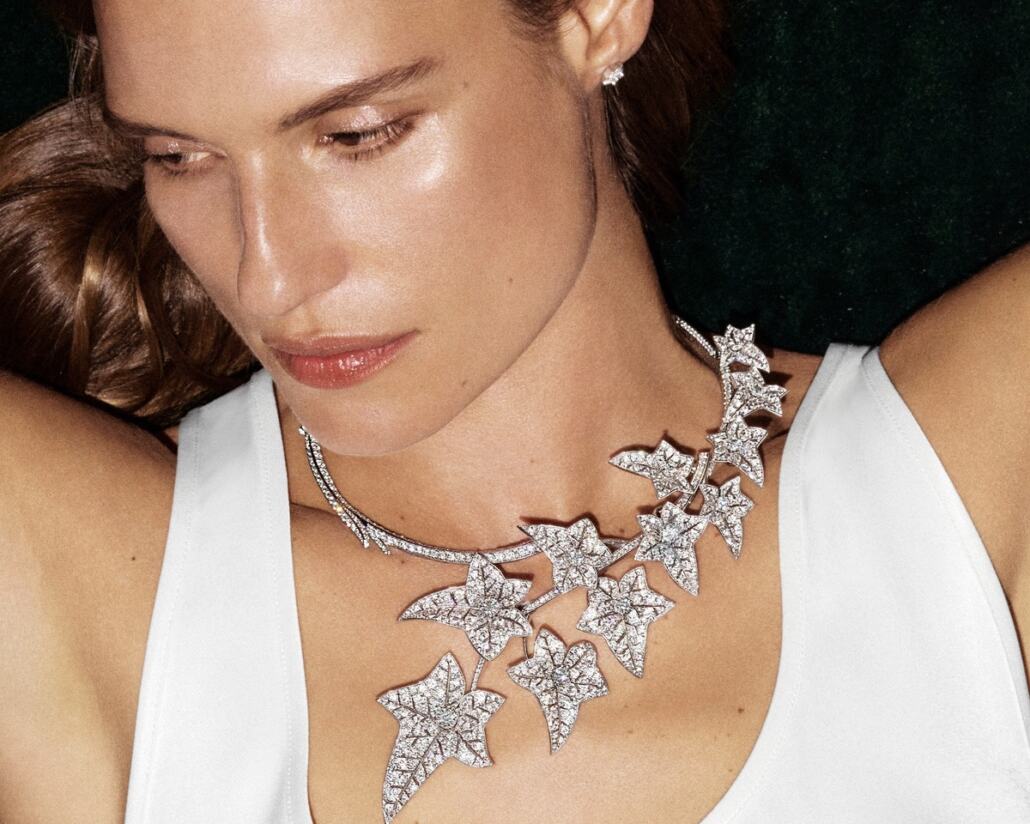
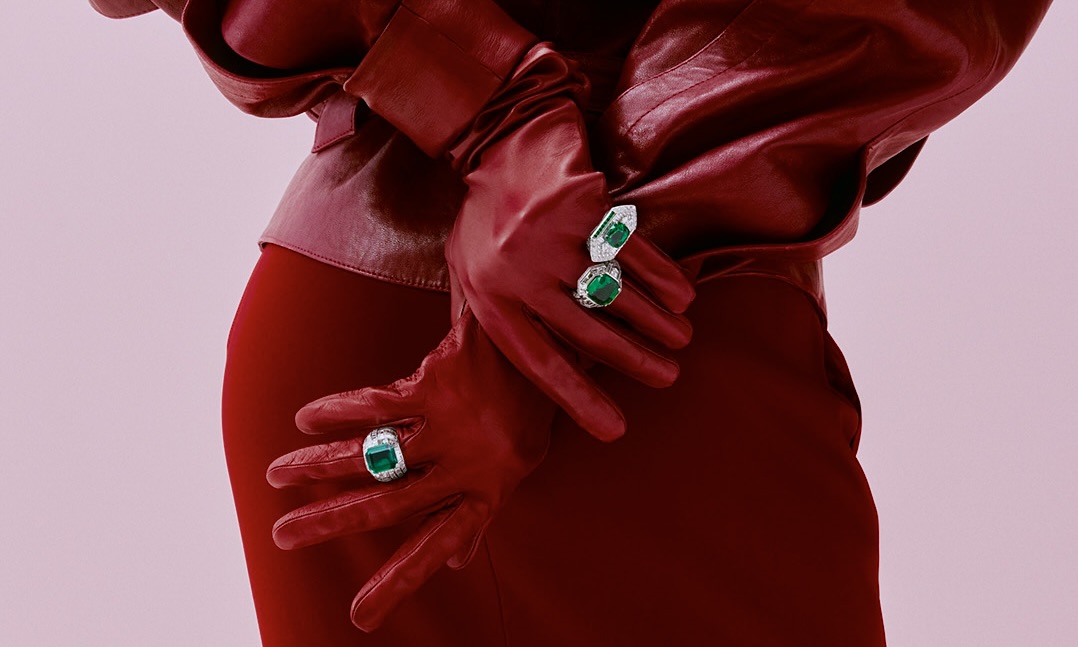
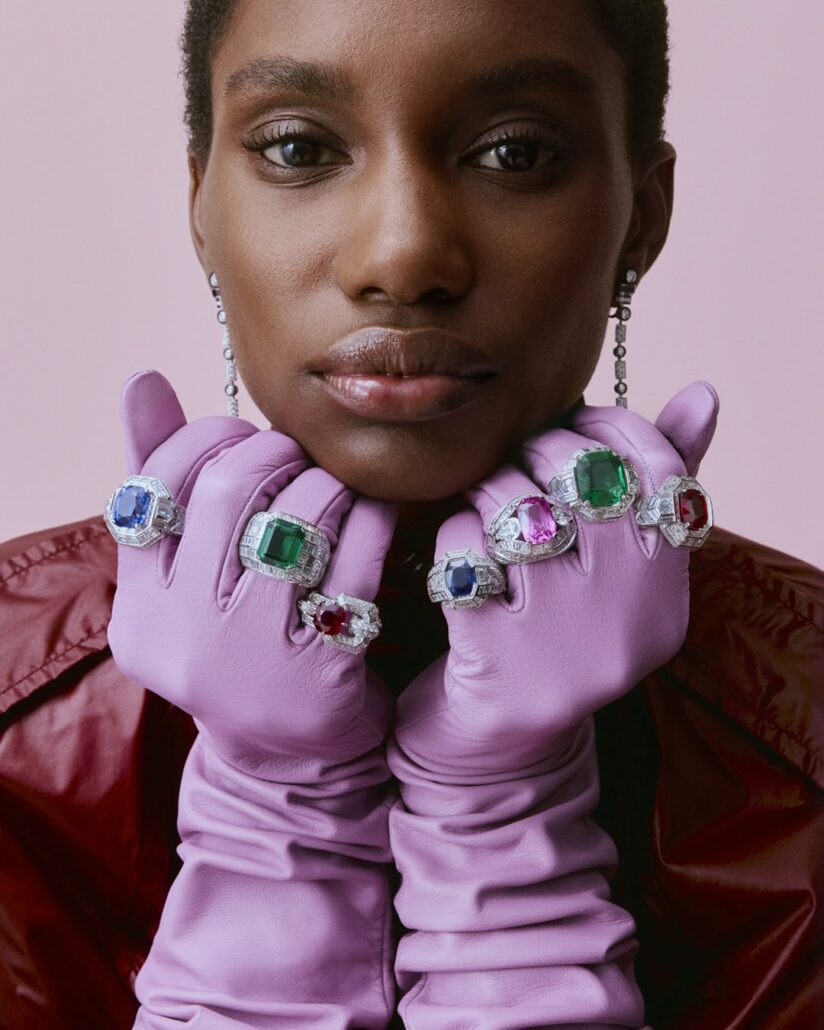
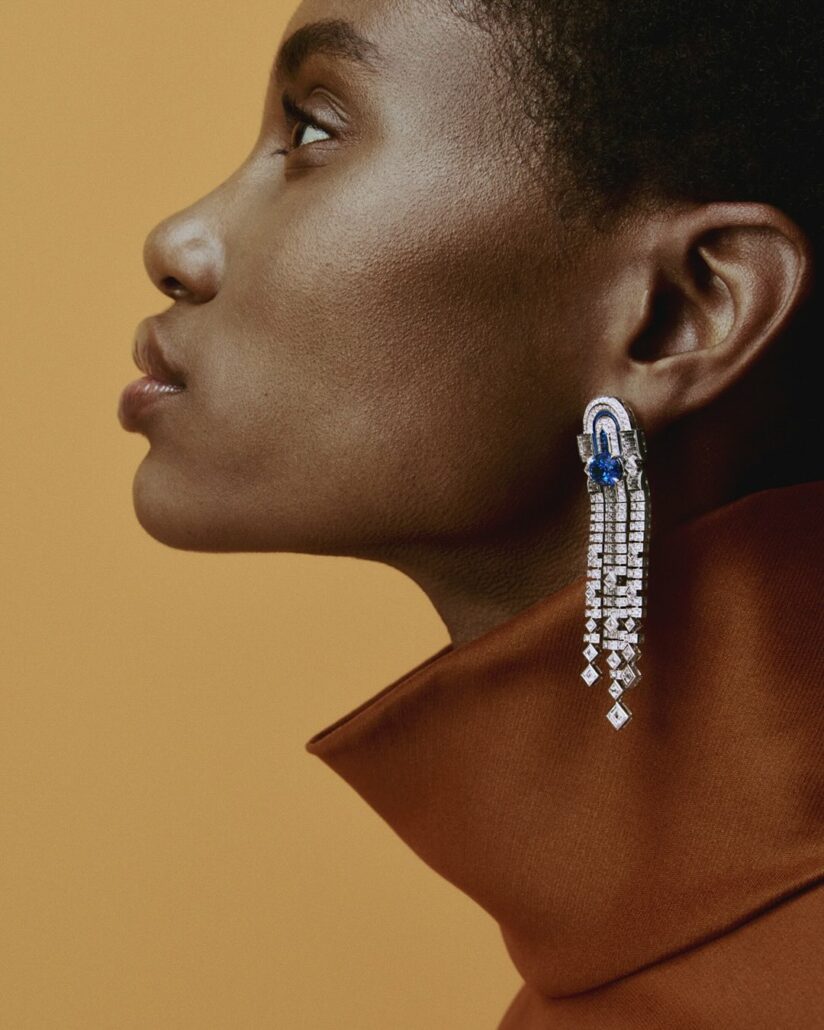
In pictures, colour according to Boucheron: a story of rare gemstones, passion, travel and creativity.