






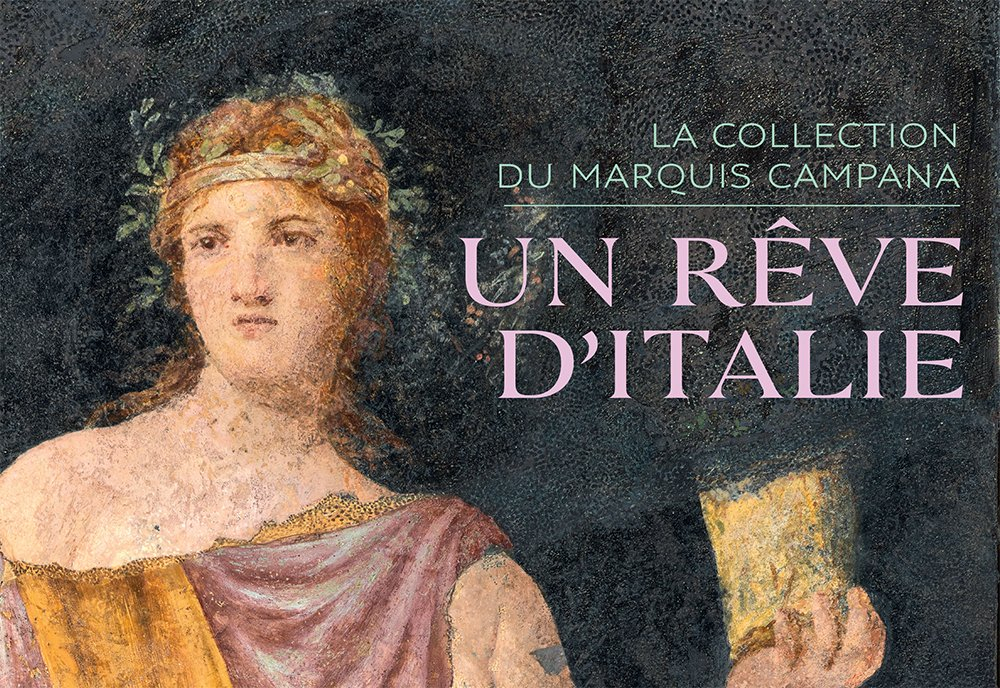
The exhibition A Dream of Italy It allows us to discover the masterpieces of the Campana collection.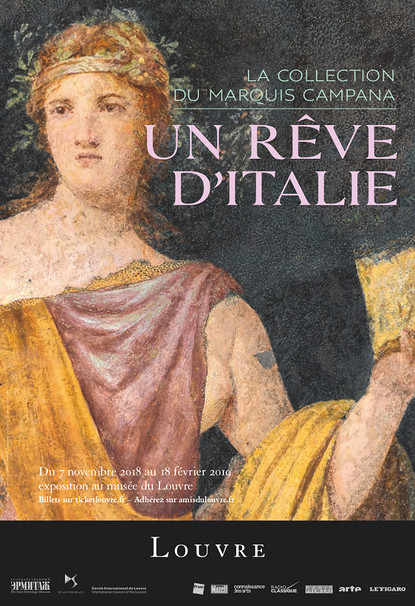
First of all, the Louvre Museum And the Ermitage Museum is partnering up for an exceptional exhibition around the collection of the Marquis de Campana, which was created mainly between the 1830s and 1850s.
It must be said that the exhibition A Dream of Italy It brings together many archaeological masterpieces, paintings, sculptures, works of art and jewelry.
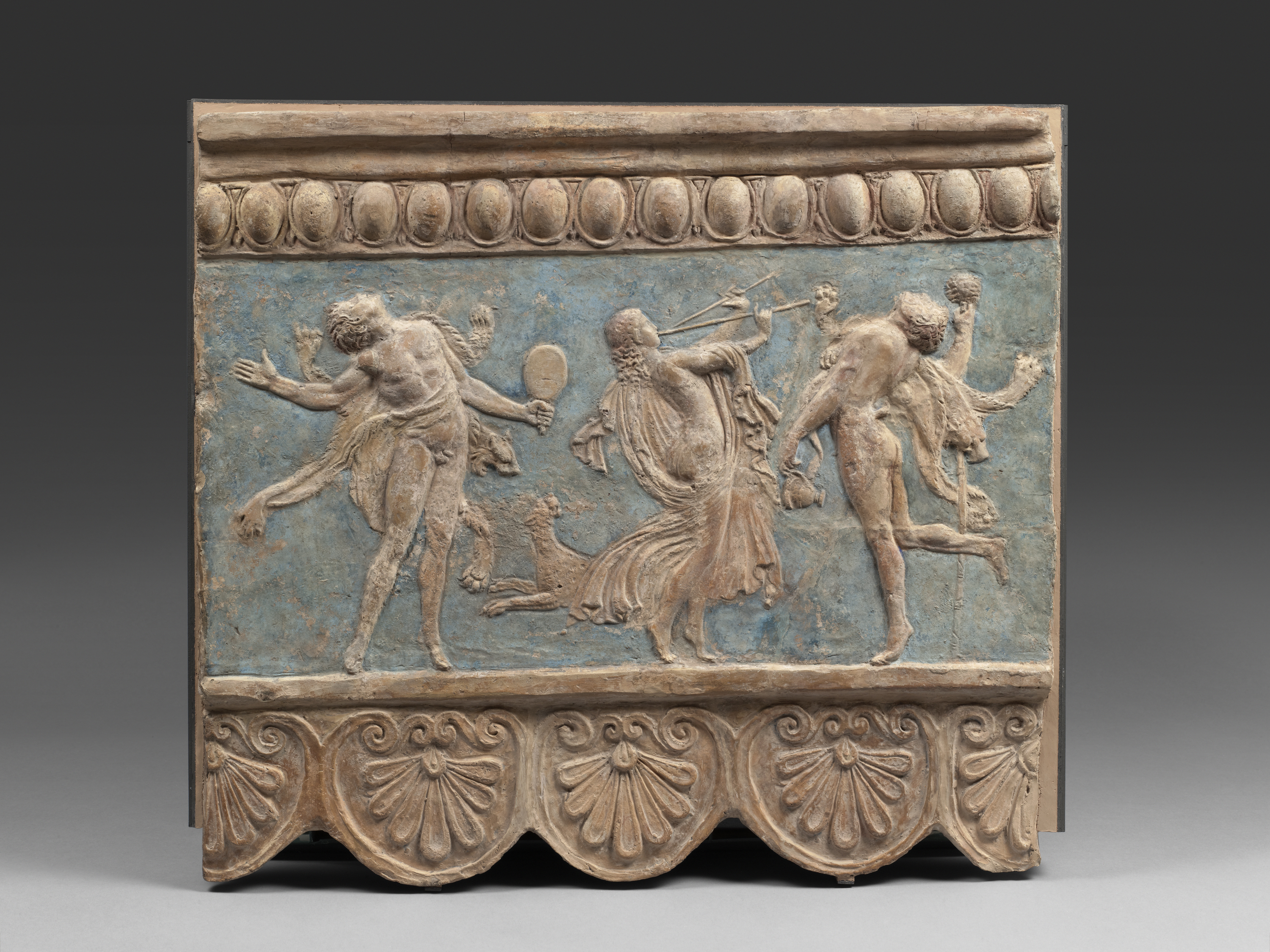
Around 1-50 BC, Paris, Louvre Museum, Department of Greek, Etruscan and Roman Antiquities
© Musée du Louvre, dist. RMN – Grand Palais.jpg
Giampietro Campana, director of Mont de Piété in Rome, was one of the most brilliant figures in Roman society of his time and a Romanesque figure.
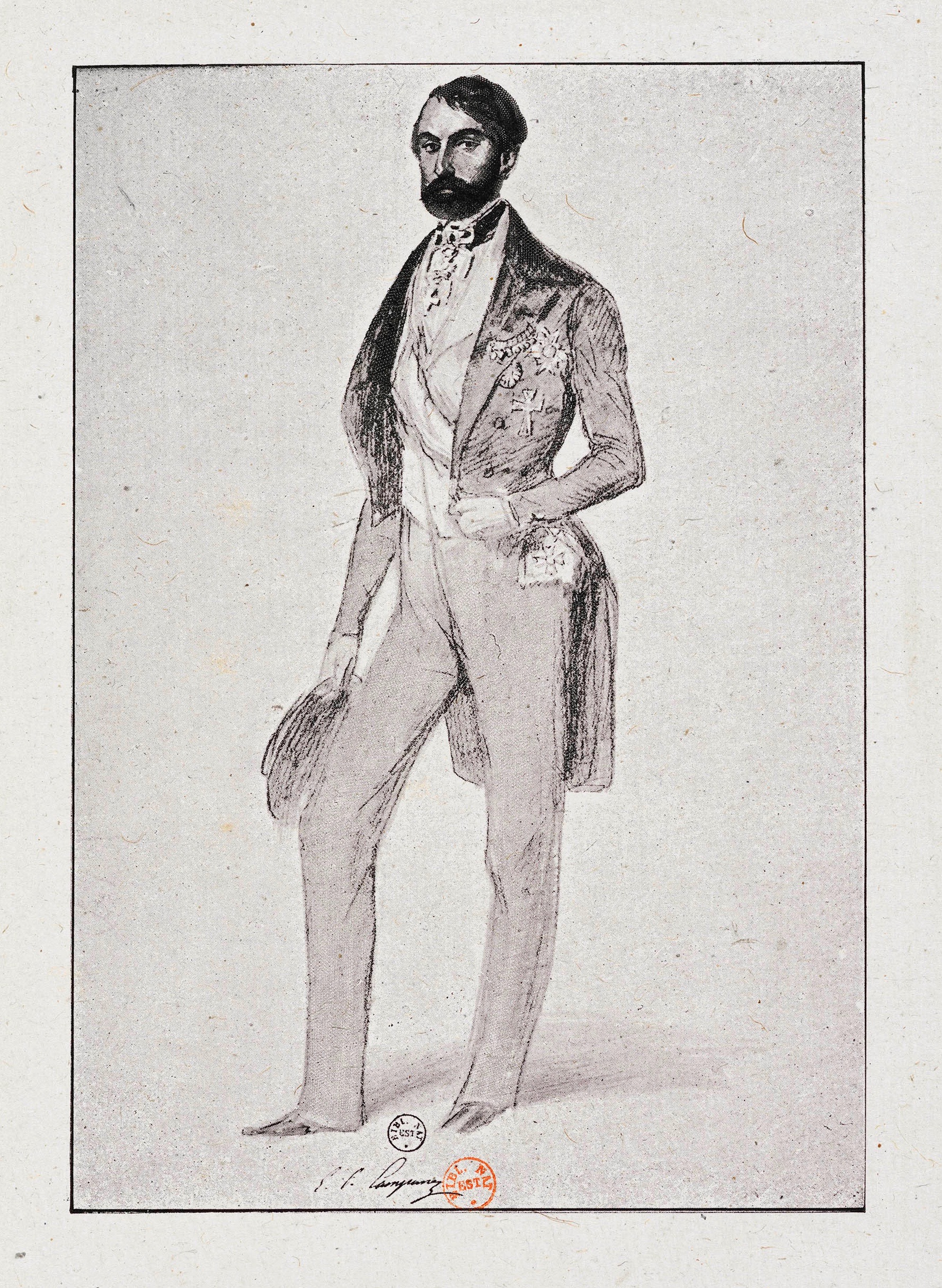
Denis-Auguste Raffet,
Rome, February 8, 1850. Paris, BnF, Department of Prints, Reserve DC-189(F)-Fol
It should be noted that it houses the largest private collection of the 19th century. However, driven by his passion for collecting works of art, he was arrested in 1857 for financial misconduct and was sentenced to prison and exile.
In fact, his collection is then put up for sale.
It should be emphasized that the Campana collection played a major role in defining the cultural and political significance of Italian heritage. For Campana wanted to showcase the genius of Italy from Antiquity to the modern era, realizing a kind of dream of Italy.
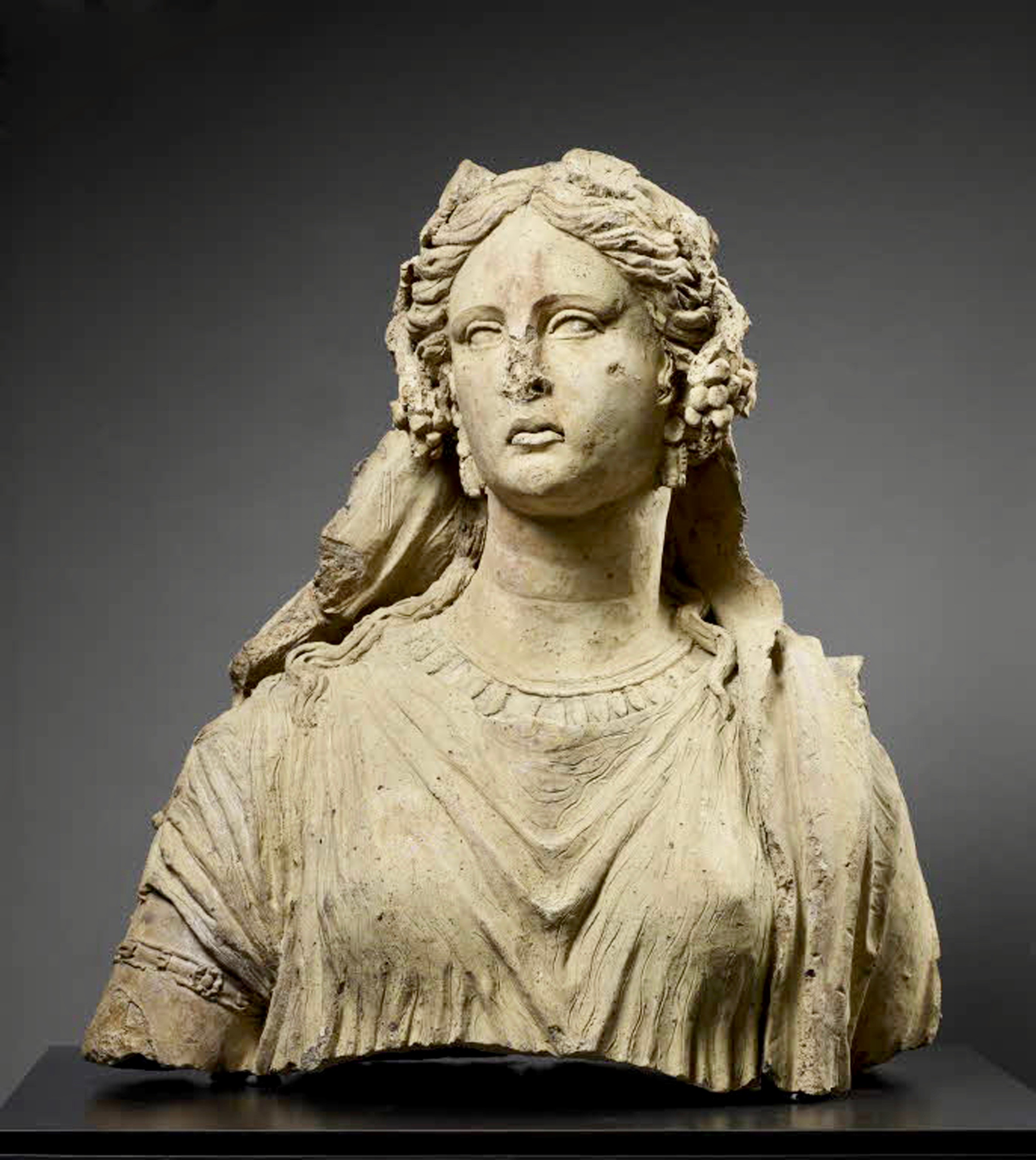
3rd century BC
Falerii Novi, near Civita Castellana.
Louvre Museum, Department of Greek, Etruscan and Roman Antiquities
© Louvre Museum
In this spirit, Campana first began collecting antiques. As his grandfather and father had done, and as the great families of Rome had traditionally done.
However, he does not just buy on the antique market.
Driven by a consuming passion, he undertakes numerous excavations and discovers major monuments.
Indeed, he was eager to gather the greatest masterpieces, but not only that. This is how Campana also took an interest in the fragments. As well as the most modest artisan productions and everyday objects. Leaving behind a veritable encyclopedia of ancient craftsmanship.
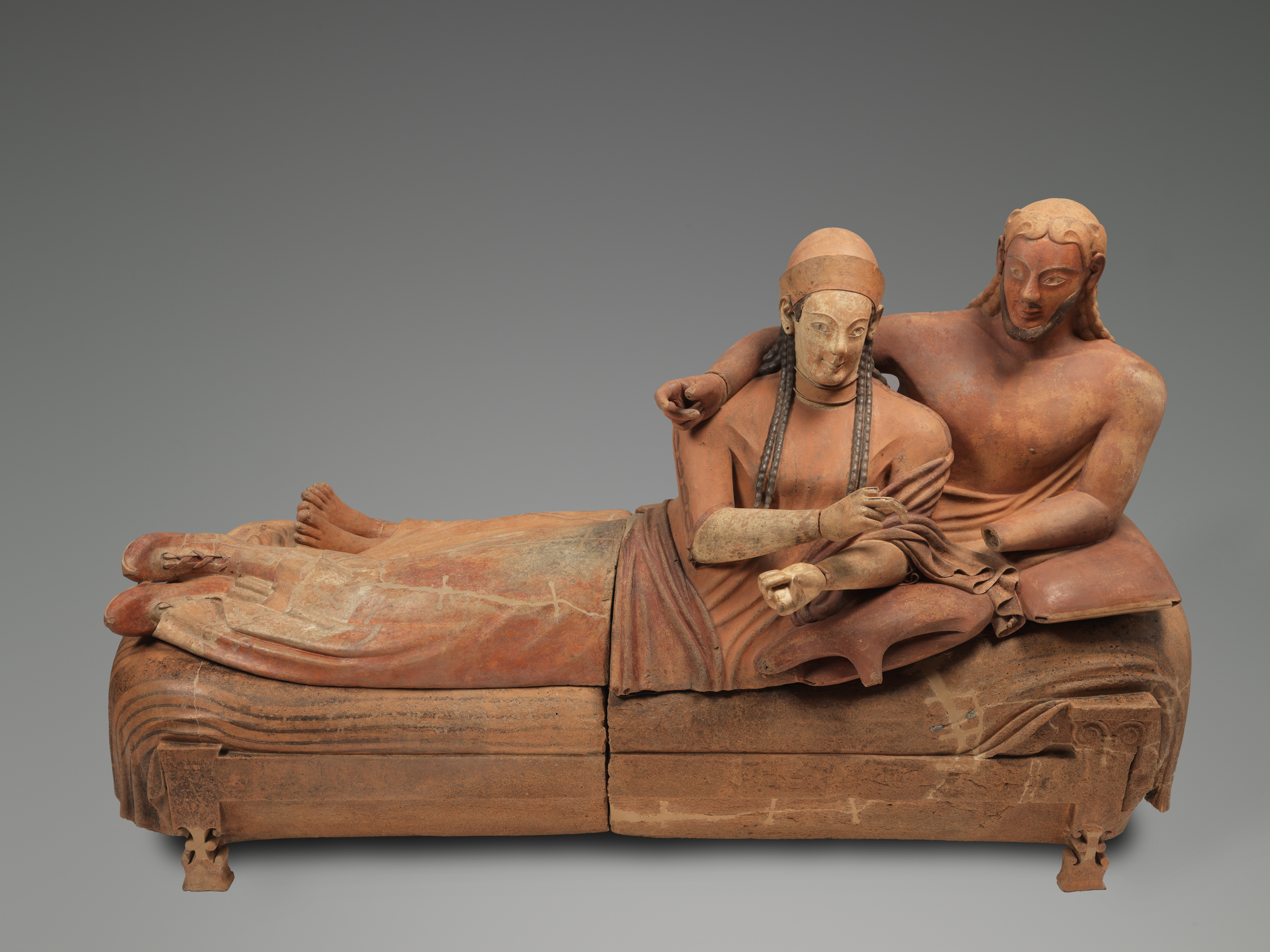
around 520 – 510 BC.
© Louvre Museum l Philippe Fuzeau (2)
Ancient vases that testify to the circulation of ceramic products in the ancient Mediterranean, and fired clay that had not previously attracted much interest from collectors.
Campana was also passionate about ceramics with beautiful colors, especially the majolica of the 15th century.e and 16e centuries.
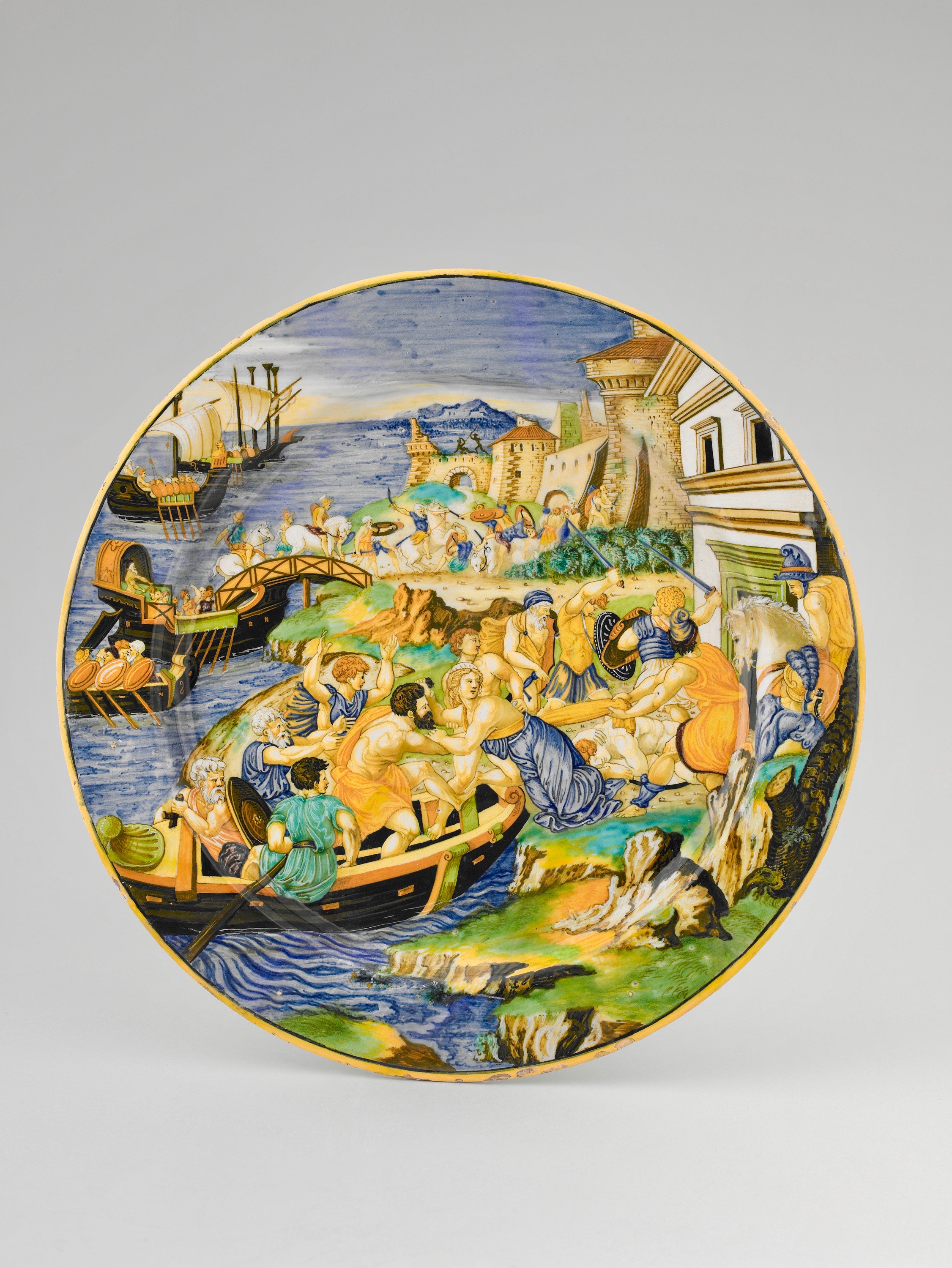
Francesco Xanto Avelliplat, The kidnapping of Hélène
© RMN-Grand Palais (Louvre museum) l Martine Beck-Coppola
The painting, particularly the «primitive Italian» paintings of the 13th, 14th and 15th centuries. He is the only one to have collected as many of them.
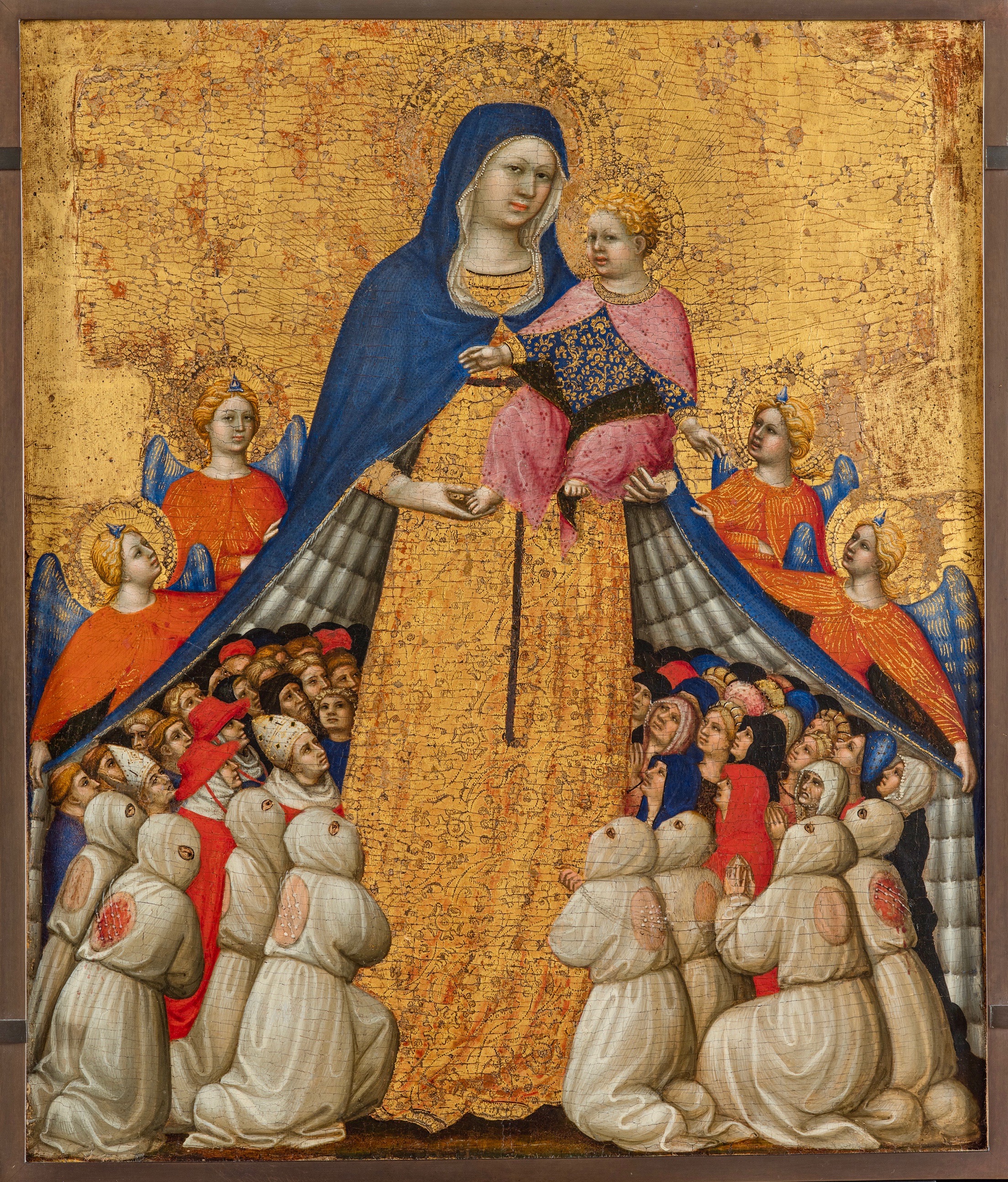
Virgin of Mercy
© The Eye and Memory by Fabrice Lepeltier
Since the Renaissance, marble formed the core of the great antique collections in Italy; Villa Campana rivaled with monumental statues.
He is also one of the few collectors of antique, Etruscan and Roman glasses, who were the precursors of the great Venetian productions of Murano.
Finally, what can be said of the remarkable collection of jewelry, which aroused the admiration of the visitors and the interest of the specialists of the time. In this regard, the Roman family of jewellers And as a collector, Castellani worked on restoring them and was inspired by them to create antique models.
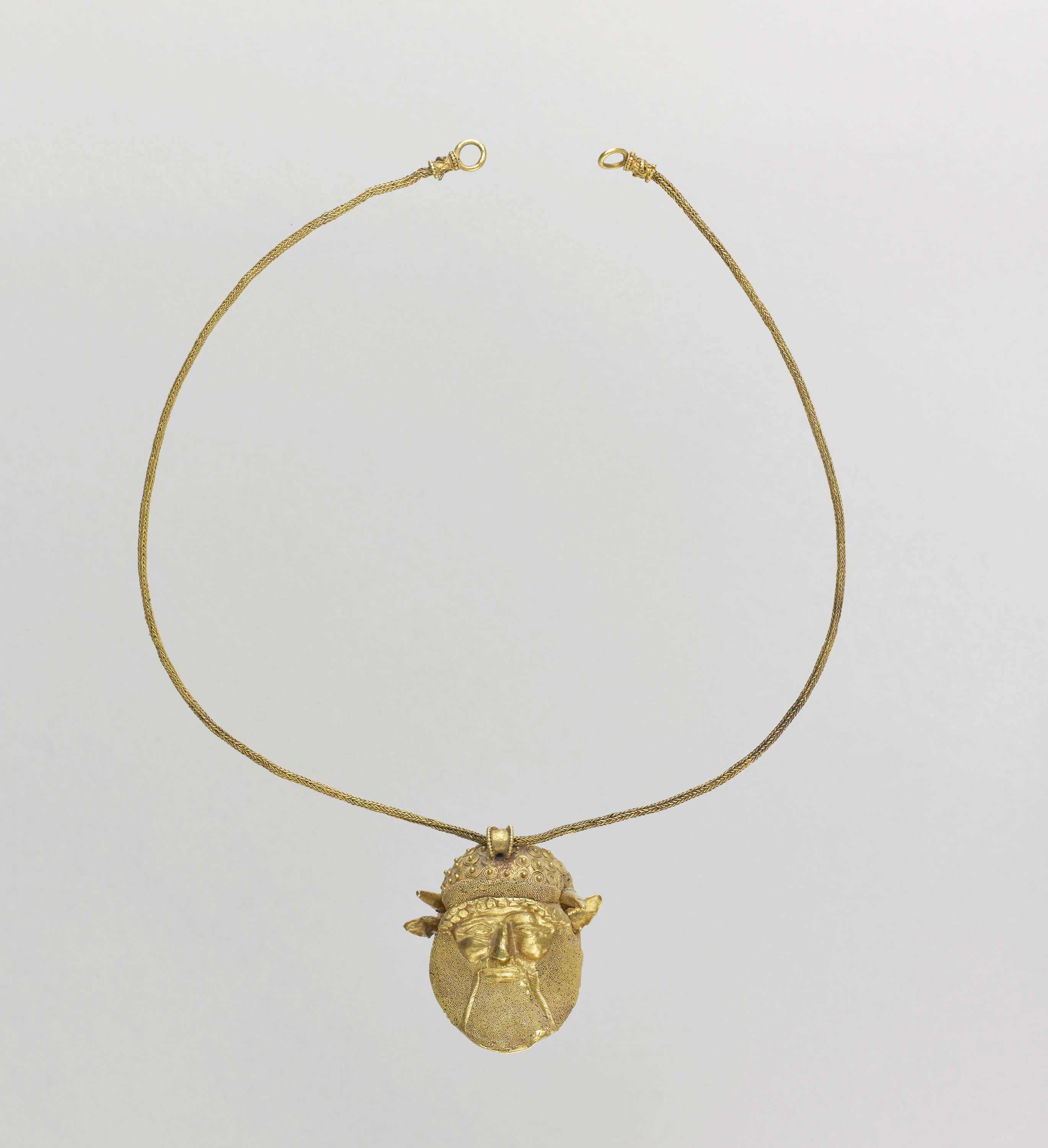
Gold
Campana Collection
© RMN
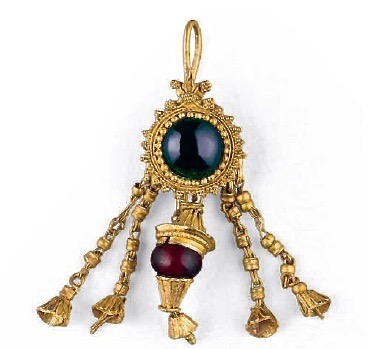
Southern Italy.
Red, Gold
200-100 BC.
Campana Collection
© Louvre Museum
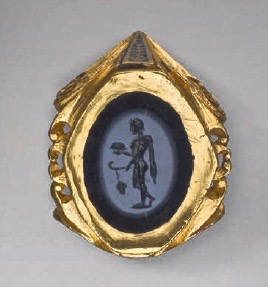
Southern Italy
Nicolo (Onyx), Email, Gold
200-500 AD.
Campana Collection
© Louvre Museum
The jewelry The Campana collection will be exhibited in Paris at the Palais de l’Industrie in 1862 and then at the Louvre in 1863, becoming also a source of inspiration for French jewelry (Fontenay and Wiese) of the late 19th century.
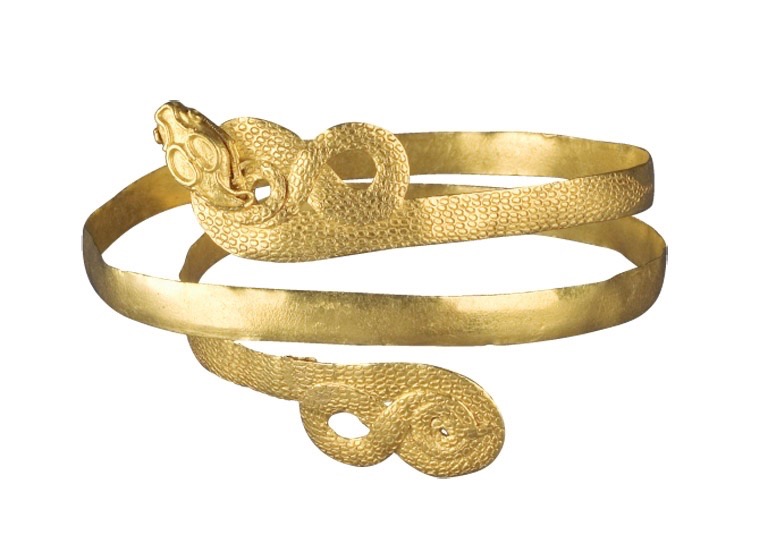
Provenance unknown
Gold
300 BC.
Campana Collection
© Louvre Museum
Henri Vever described in The French Jewelry Industry in the 19th Century This craze for archaeological-style jewelry.
« Campana's collection had a direct and immediate influence on the jewel, because barely had it been glimpsed in 1861, even before the official inauguration, that already the public began to appreciate it.» jewellers they were under the charm of it and sought to take advantage of it.»
To say the least, go see this beautiful dream of Italy, this superb collection by Campana. It’s a treasure trove of masterpieces brought together in one place. Louvre For all tastes and in all areas, not to be missed.
Until February 18, 2018
Louvre Museum
Hall Napoleon
Louvre.fr