


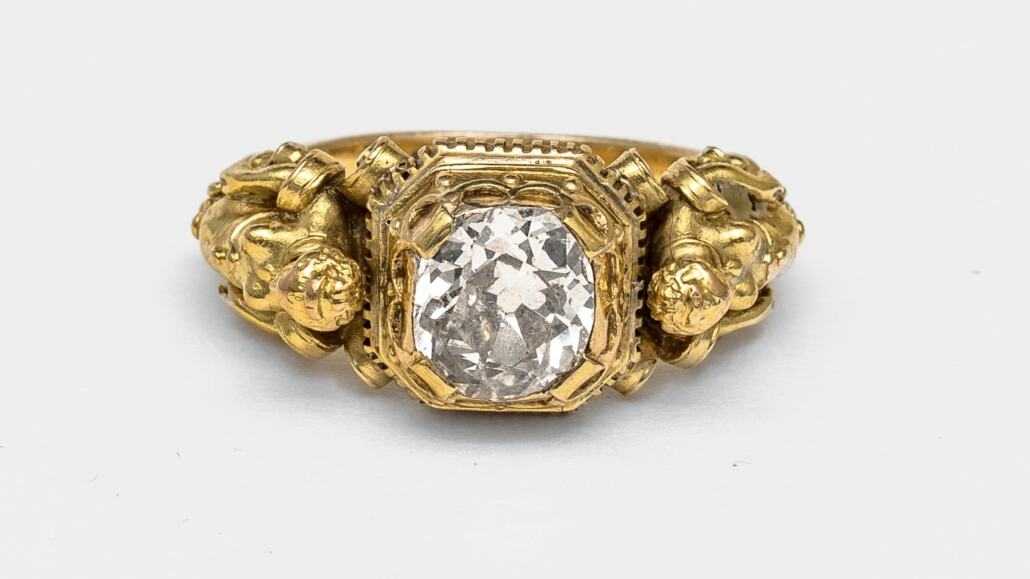
A DIAMOND BAG SIGNED BY WIÈSE
The Maison Les Enluminures presents a ring made around 1900 by Louis Wièse, a revealing example of jewelry where precious stones and goldsmithing are intertwined in a close dialogue.
Read now




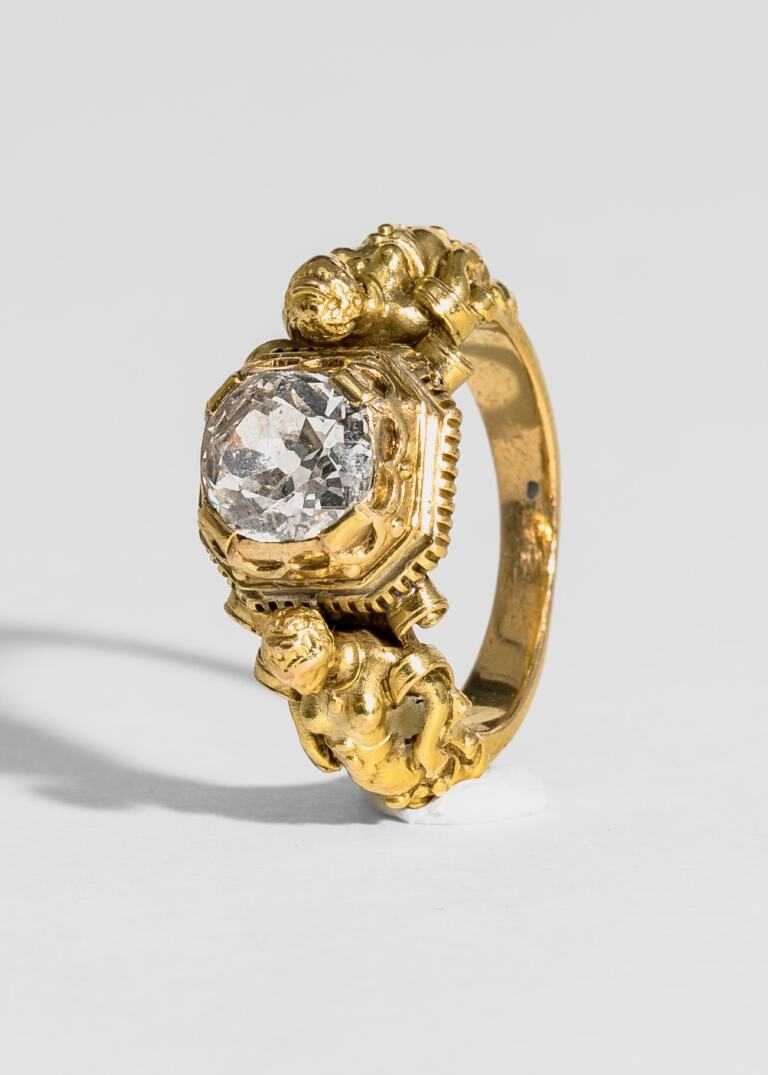
The Maison Les Enluminures presents a ring made around 1900 by Louis Wièse, a revealing example of jewelry where precious stones and goldsmithing are intertwined in a close dialogue.
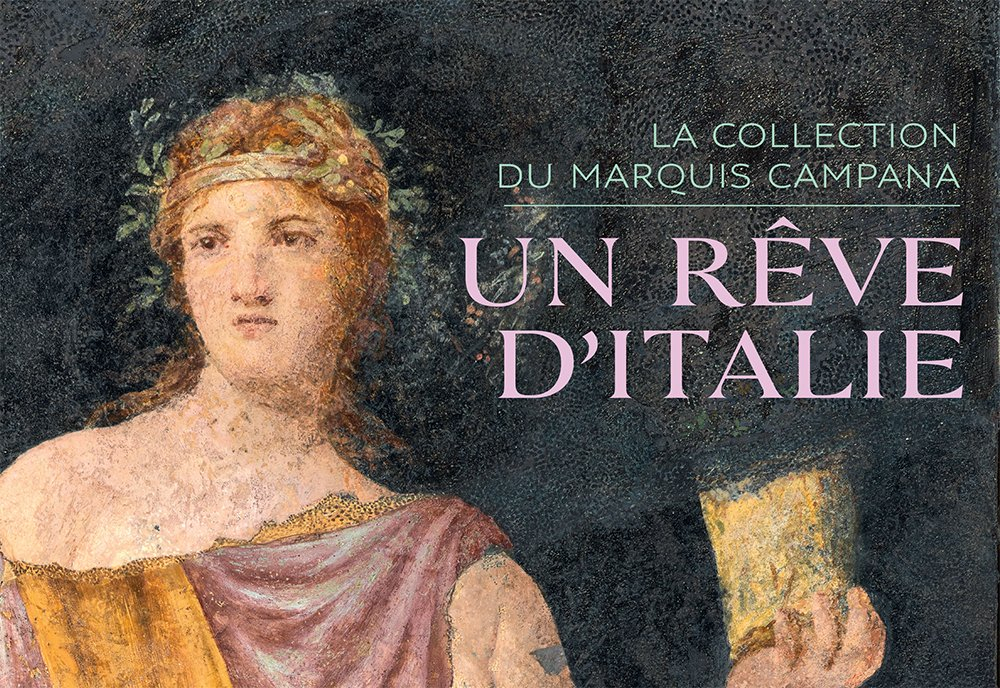
The Campana collection played a major role in defining the cultural and political heritage of Italy.
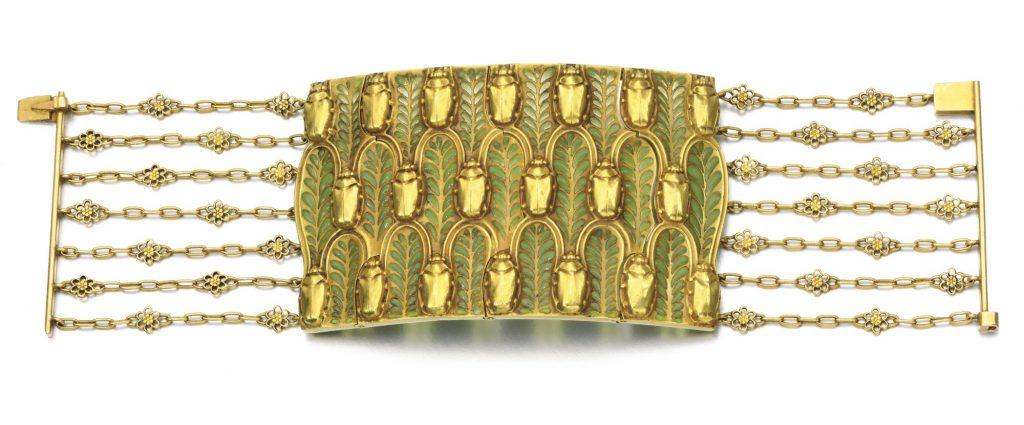
Fine Jewels at Sotheby’s A nod to the June 11th London sale at Sotheby’s, to appreciate ancient jewels! To know or recognize master jewelers through their creations. And not to forget them. We were able to appreciate some very beautiful jewels there. […]