






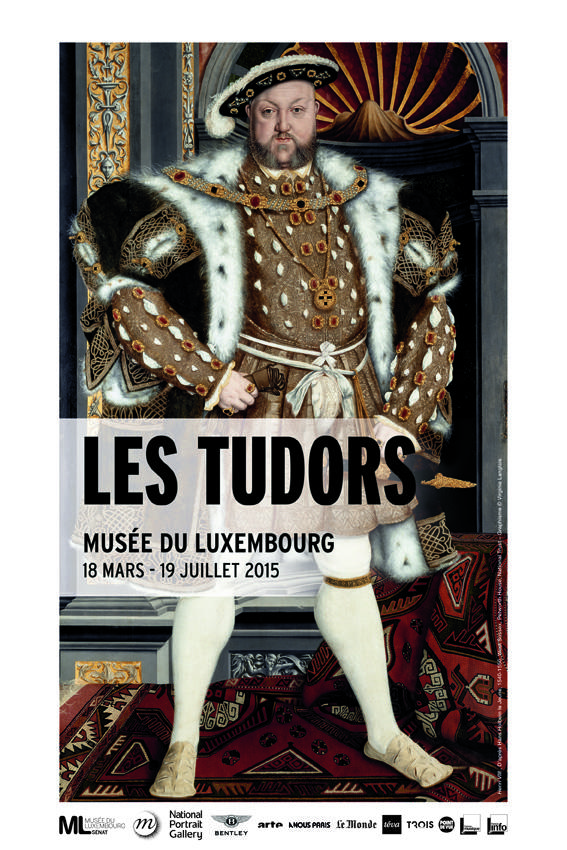
«The Tudors are invited to the Luxembourg Museum. This popular dynasty, which reigned from 1485 to 1603, profoundly marked the history of the Kingdom of England, both on a religious level, by breaking with the Catholic Church, and from a cultural point of view. You will see many paintings and some jewels left over from the dynasty on display there.
The private lives of Henry VIII and Elizabeth are diametrically opposed. What about the women of Henry VIII and the favorites of Elizabeth?
From Henri to a capricious nature, ambitious with a ruthless character, and lovers of women, he married six times. To his daughter Elisabeth, who remained unmarried of her own choice, exerting a powerful appeal on the imagination.
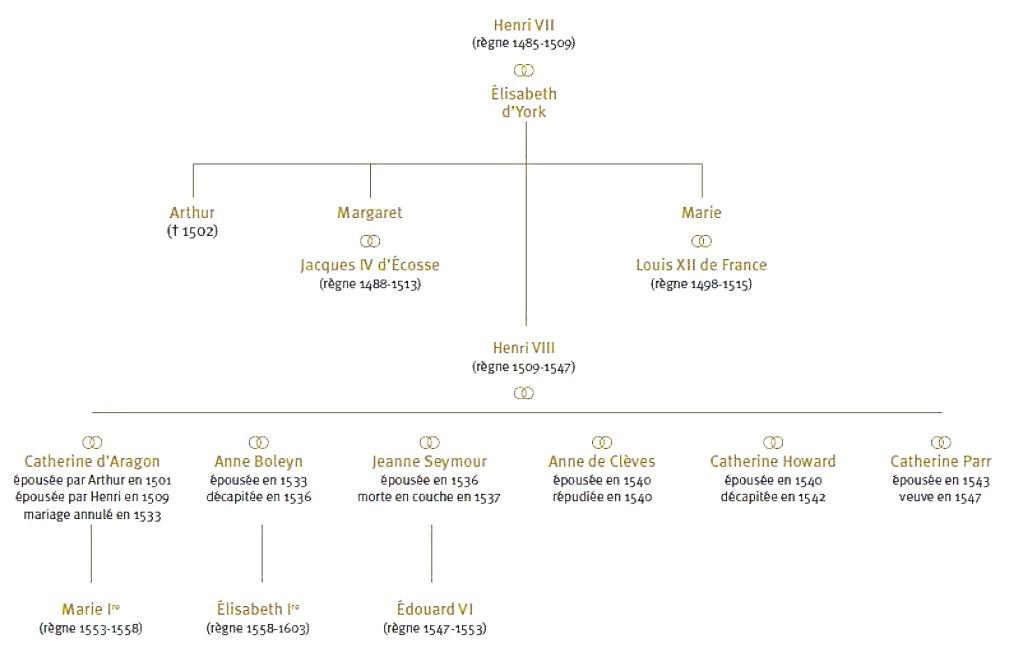
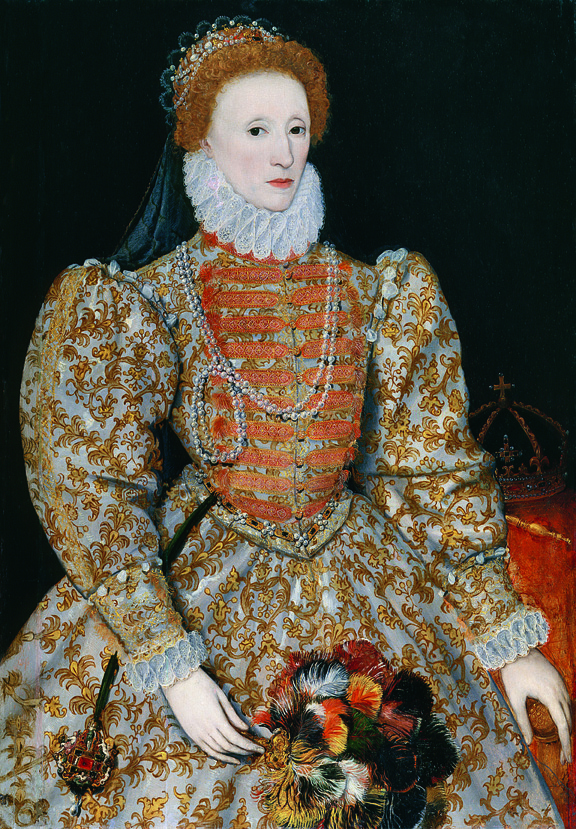
It is a gallery of portraits that welcomes us with the most emblematic ones: Henry VII, founder of the dynasty; Henry VIII; Edward VI; Mary I and Elizabeth.
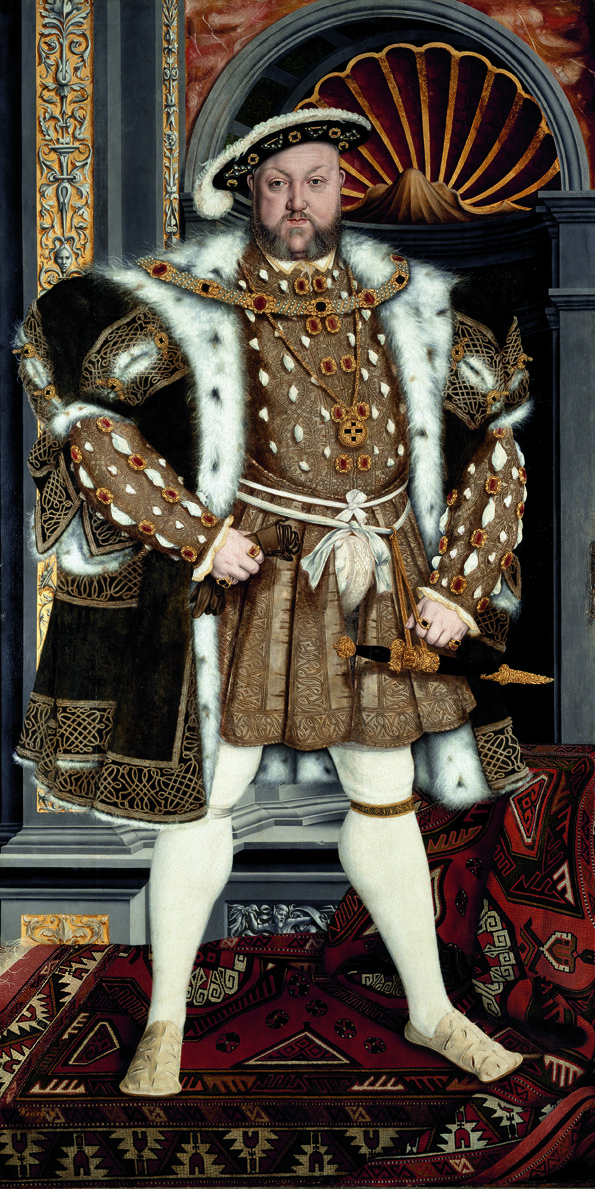
Portrait of Henry VIII
The painters' perspective on this period of the English Renaissance.
The portrait is used to mark the presence of the Tudor monarchy. Royal symbols: essentially, the king and queen were represented in their best light, dressed in clothes and jewels worthy of their rank. As early as 1563, an experienced artist had to propose a suitable model of the monarchs.
Painters came from all over Europe, thus influencing English painting. The art of portraiture developed, and it is not uncommon to find miniatures adorned with precious stones.
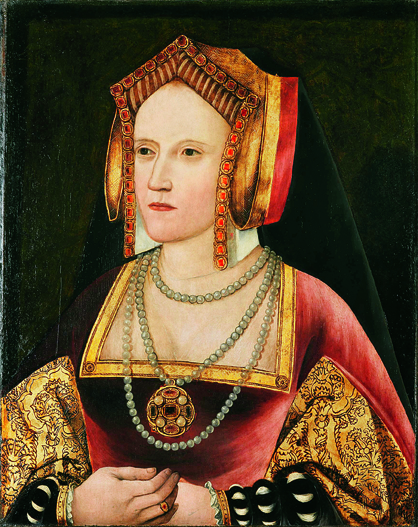
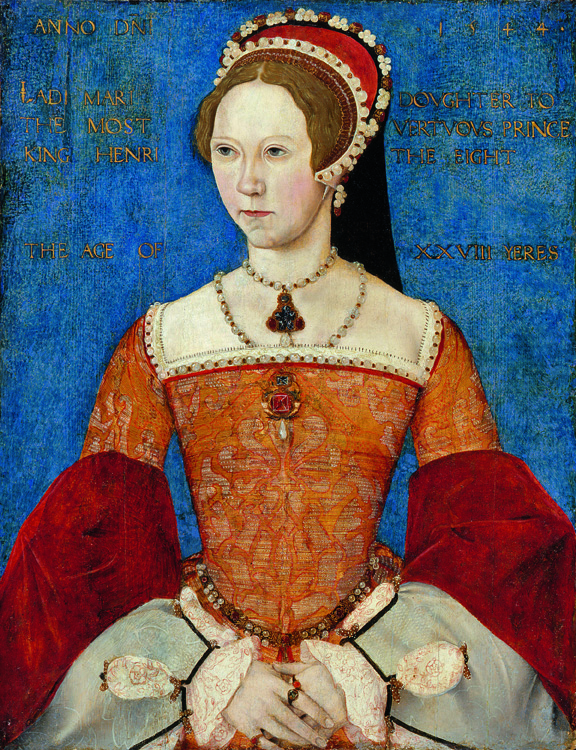
The jewels worn by Henry VIII's successive wives came from the same box and they were then passed on to the king's daughters, Mary I and Elizabeth.
A sign of wealth and social status, the jewel also represented a pledge of friendship or a testament to a nascent sentimental inclination. Diamonds, pearls, and precious stones accompanied the lives of the Tudors.
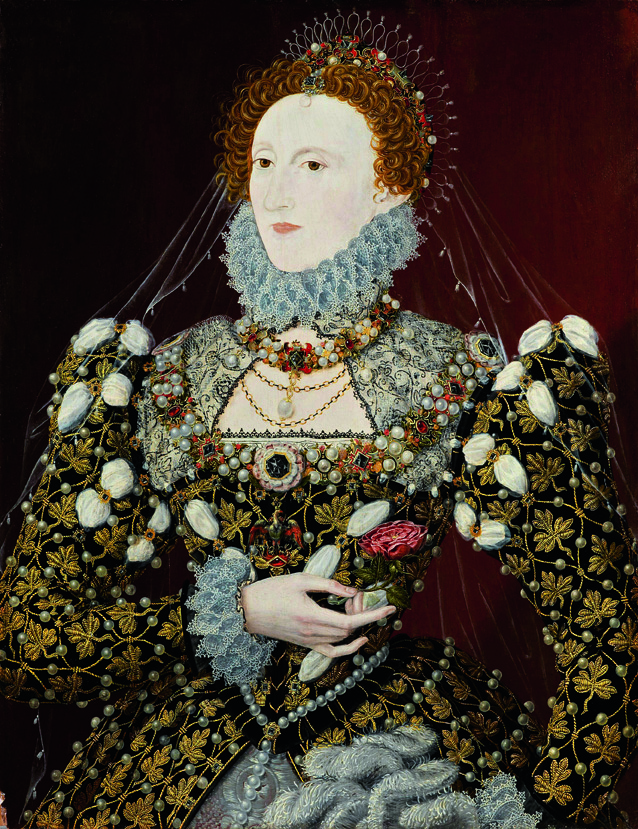
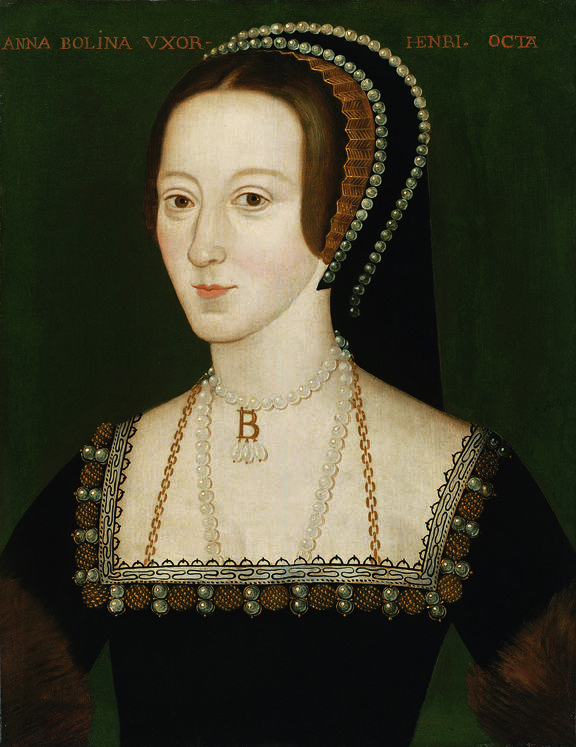
Thus this ring, a private possession of Elizabeth, bears her portrait and that of her mother Anne Boleyn. On the reverse of the ring is engraved a «Phoenix», an emblem of rebirth and regeneration.
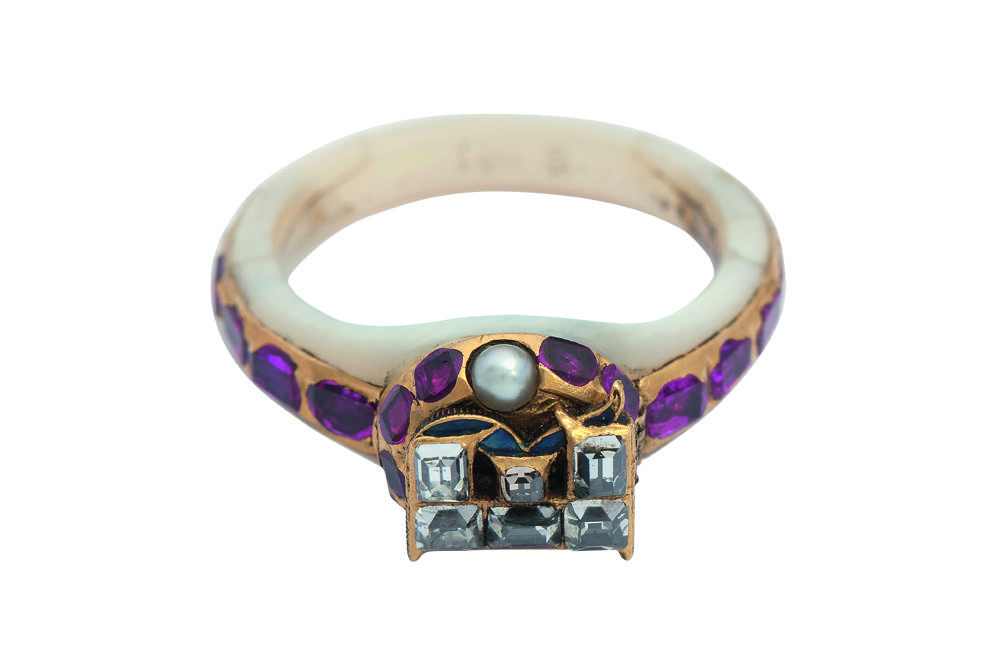
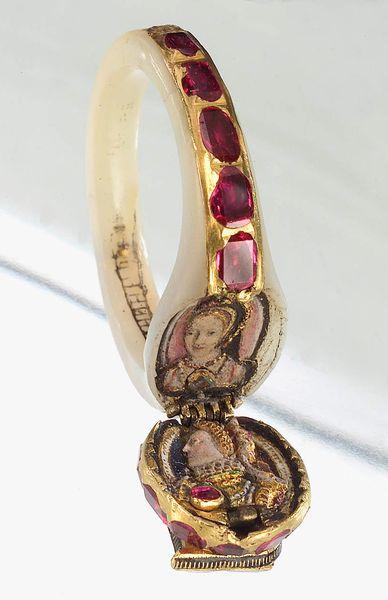
Another piece of jewelry, the whistle pendant offered by Henry VIII to Anne Boleyn, attests to the role that the jewel played in the love exchanges.
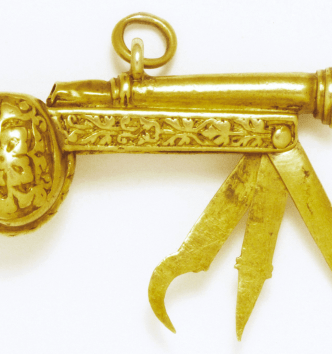
The exchange of jewels took on particular importance under the reign of Elizabeth. In 1568, Queen Elizabeth acquired twenty-five pearls and six rows of pearls offered by Catherine de Médicis to Mary Stuart, who had been forced to part with them following her deposition in 1567.
Tudor jewelry has now disappeared, with rare exceptions. Dismantled or sold, they were reused on all kinds of other models in later eras.
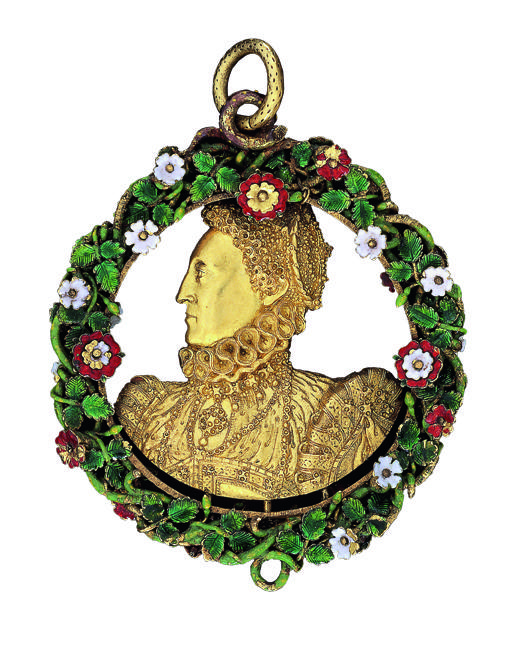
Portrait of Elisabeth
1570
Monarchs of character, romance and power... A perfect plot for this exhibition between myth and reality that you shouldn't miss!
March 18 to July 19, 2015
Luxembourg Museum
www.museeduluxembourg.fr
Photos Credit RMNGP
My thanks to Pauline Volpe