


The XIVth Gemological Rendez-Vous in Paris was a success.
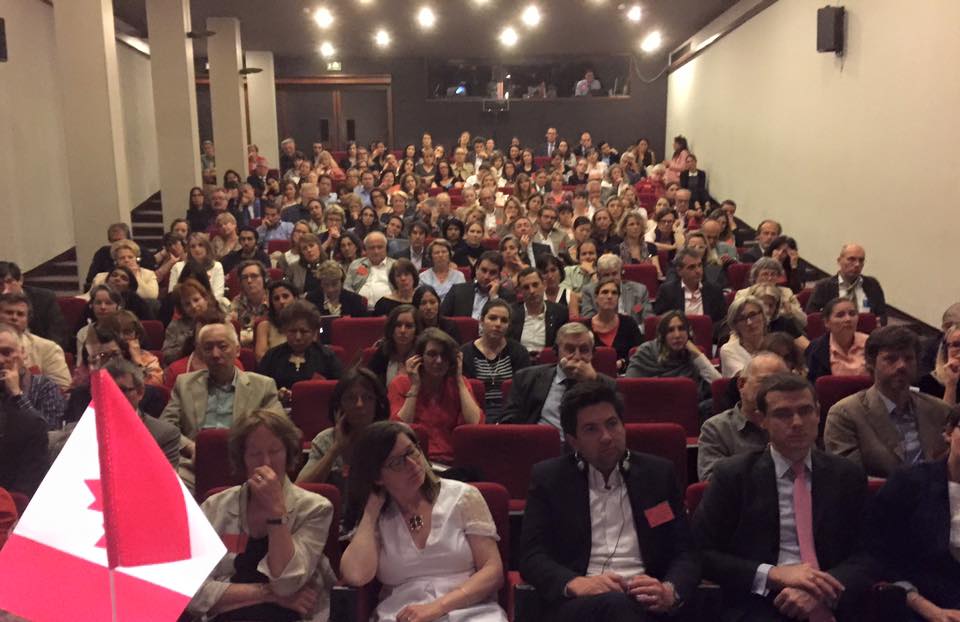
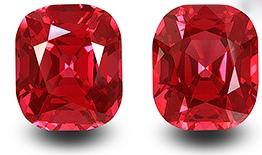
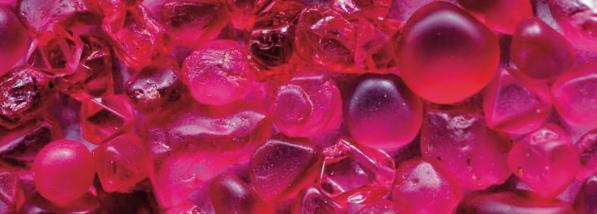
The red of rubies and spinels lit up this day. An assembly of 200 passionate professionals and relevant speakers made this day captivating.

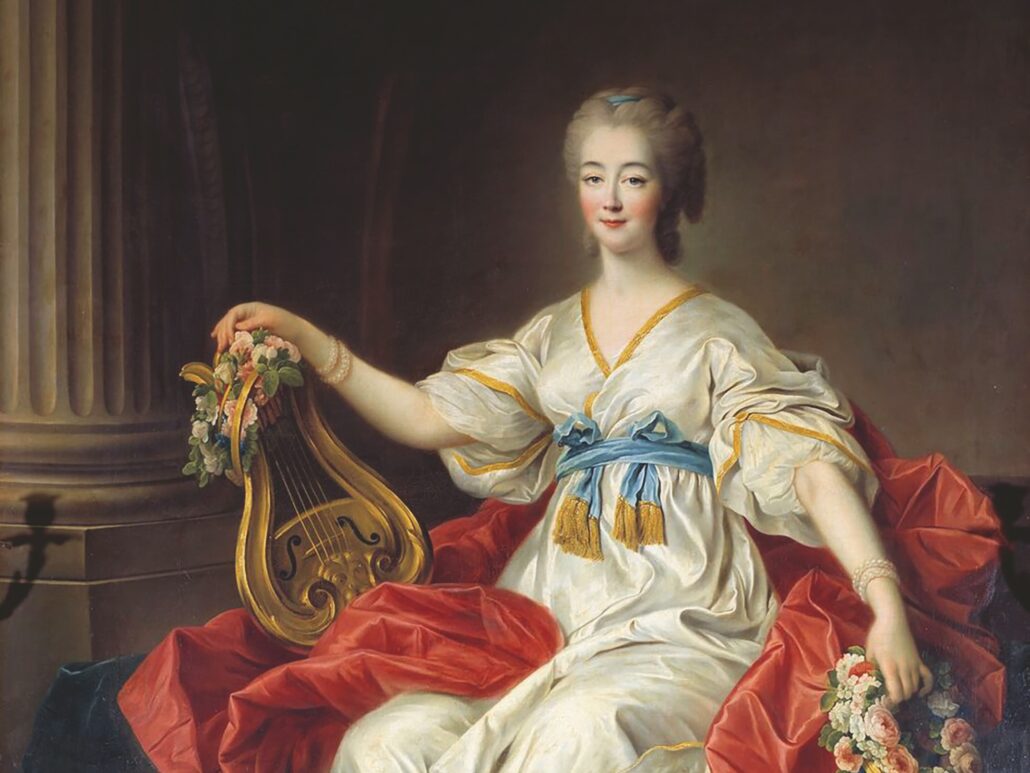
The house of Van Cleef & Arpels, represented by Delphine Thabard (head of Haute Joaillerie) and Nicolas Luschinger (director of the heritage collection), presented us with a selection of its haute joaillerie heritage.
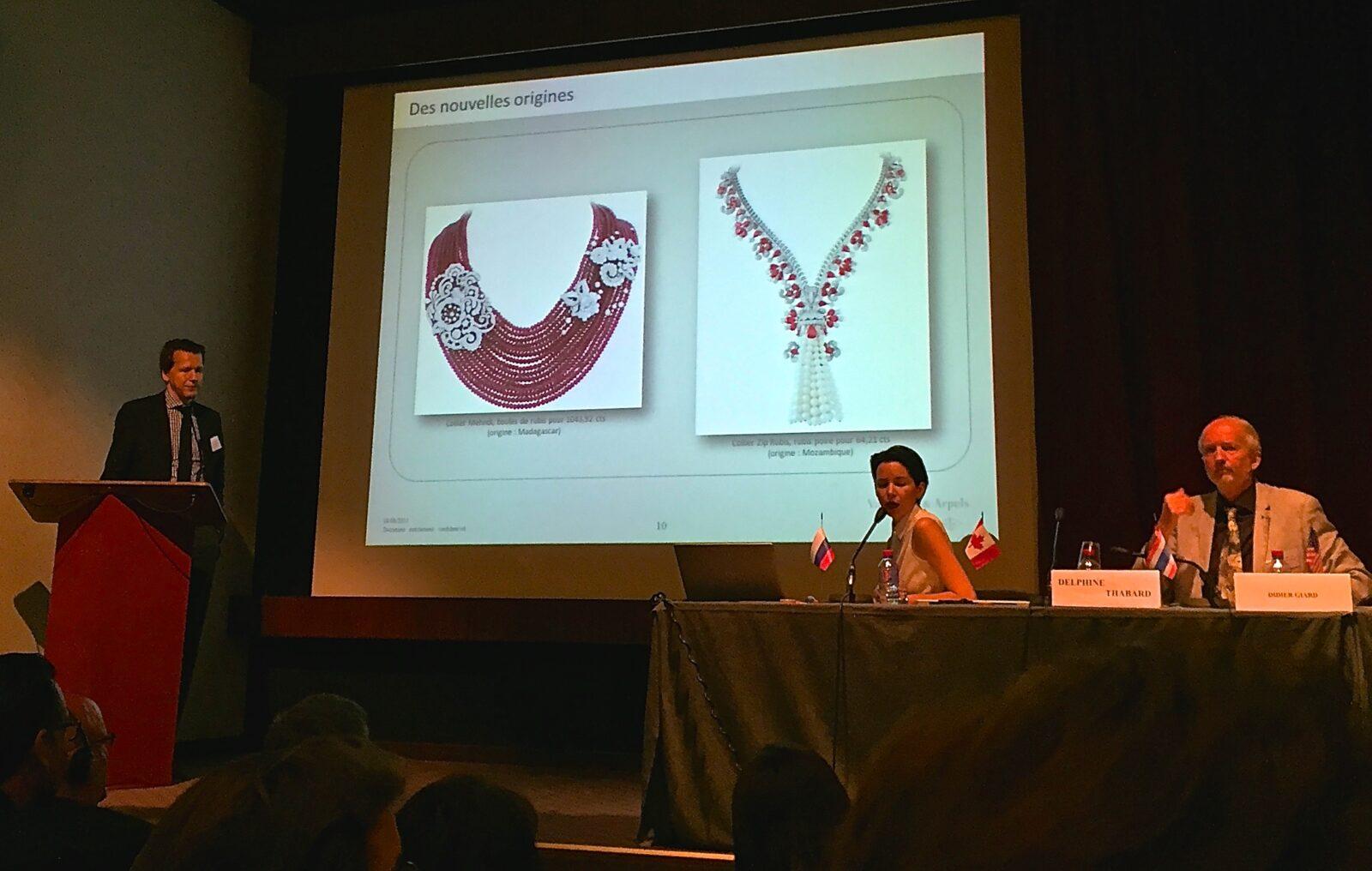
A heritage that has evolved from white jewelry (all diamonds) to color jewelry thanks to the influence of the aesthetics of the Russian ballets and the music of Stravinsky; color gives rhythm and passion.
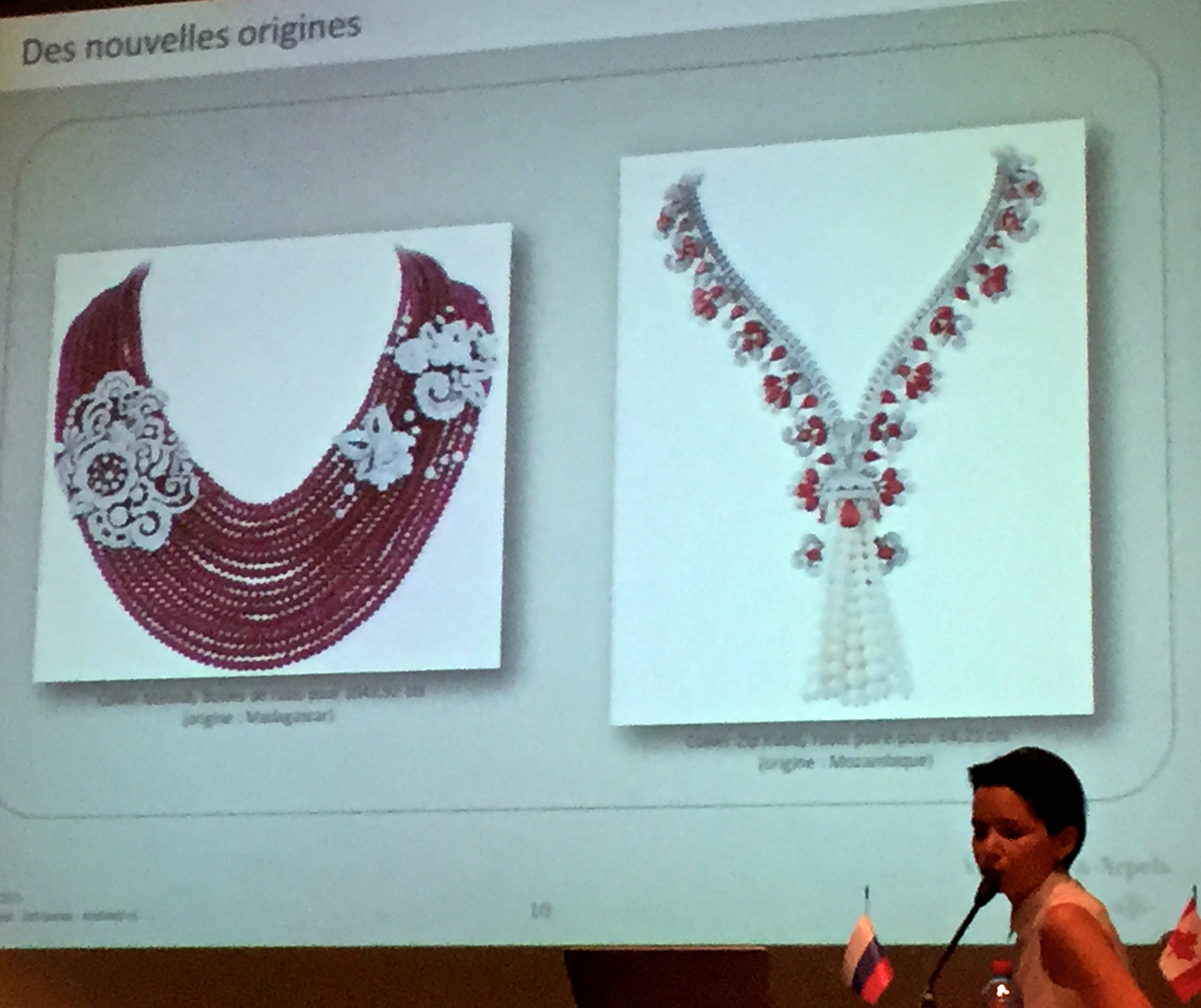
Ruby origins are important for a major house on the Place Vendôme; if the Burmese origin remains historical, it will not be surprising to learn that Tanzania and Madagascar also supply high-quality ruby jewelry. Pastel spinels, especially rose or black ones, can also be appreciated; they replace onyx, but not red spinel. The red in Van Cleef & Arpels remains ruby so as not to create confusion.
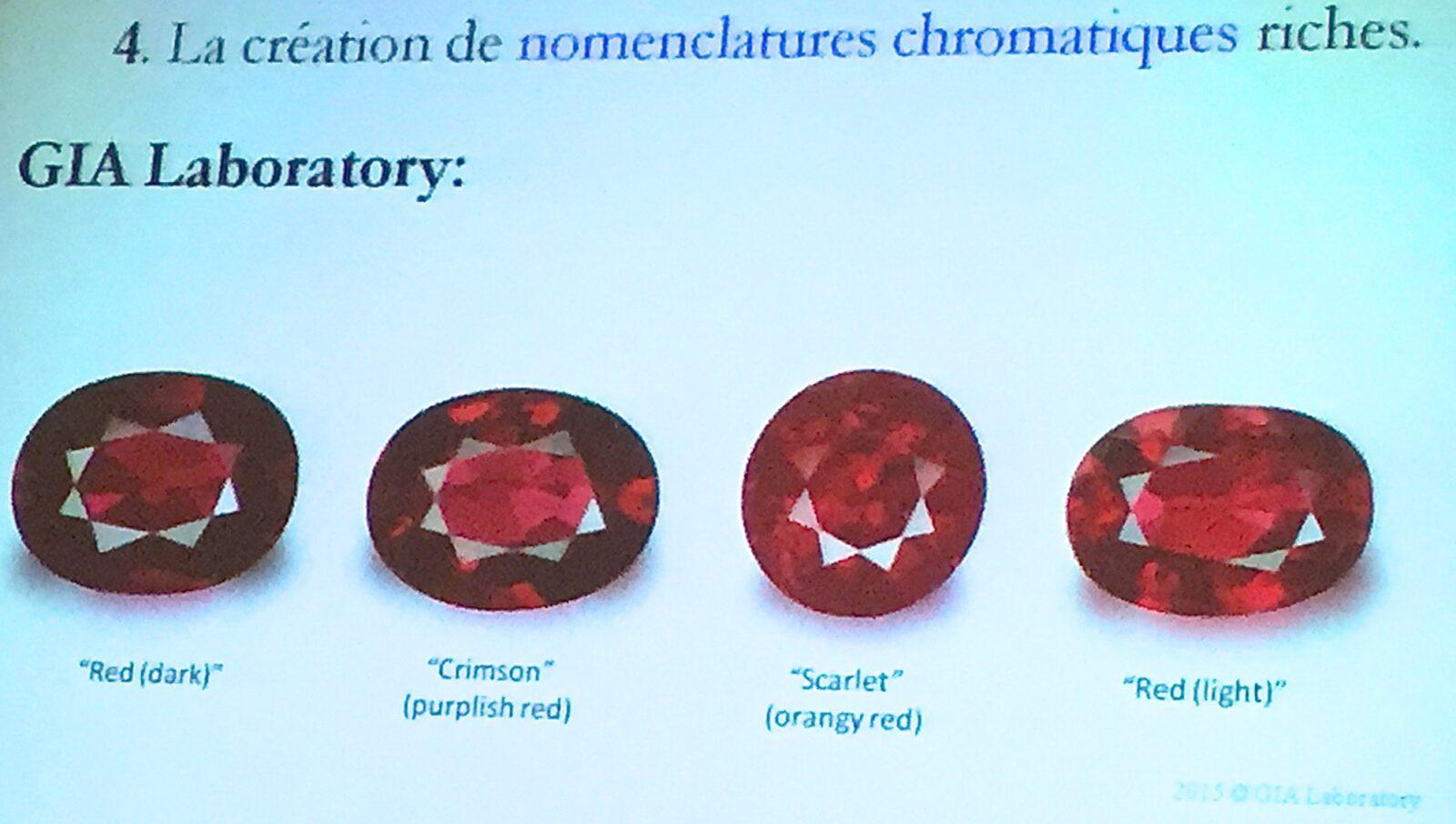
The famous ruby that underwent a revolution in the 21st century. Laurent Massi, Professor of Gemology, presented us with a summary of this evolution, both in terms of the market for chromatic classification and treatments and the origins of the stones.
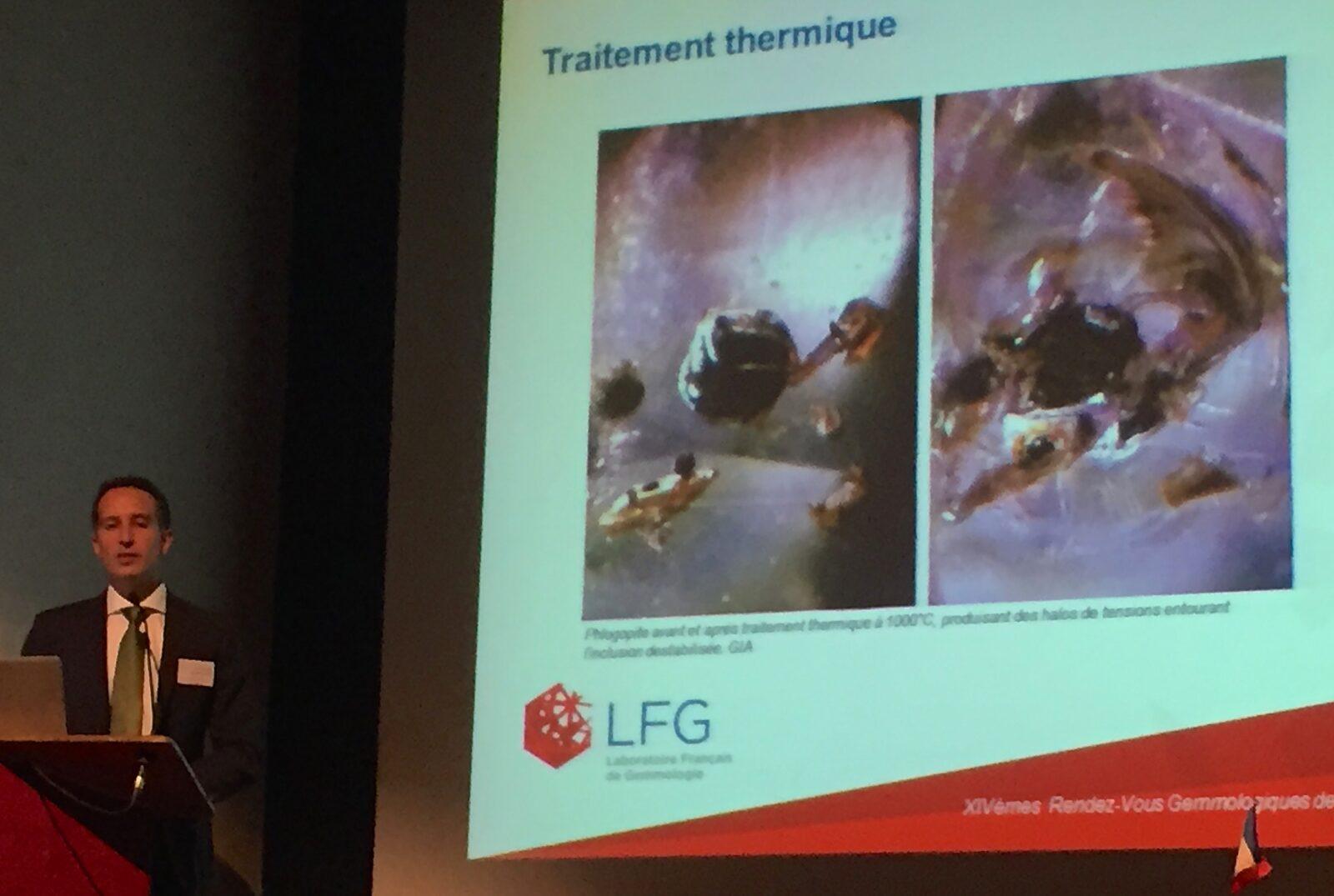
Olivier Segura, director of the French Gemmology Laboratory, spoke to us about treatments, improving transparency, changing color, improving stability, and creating optical effects.
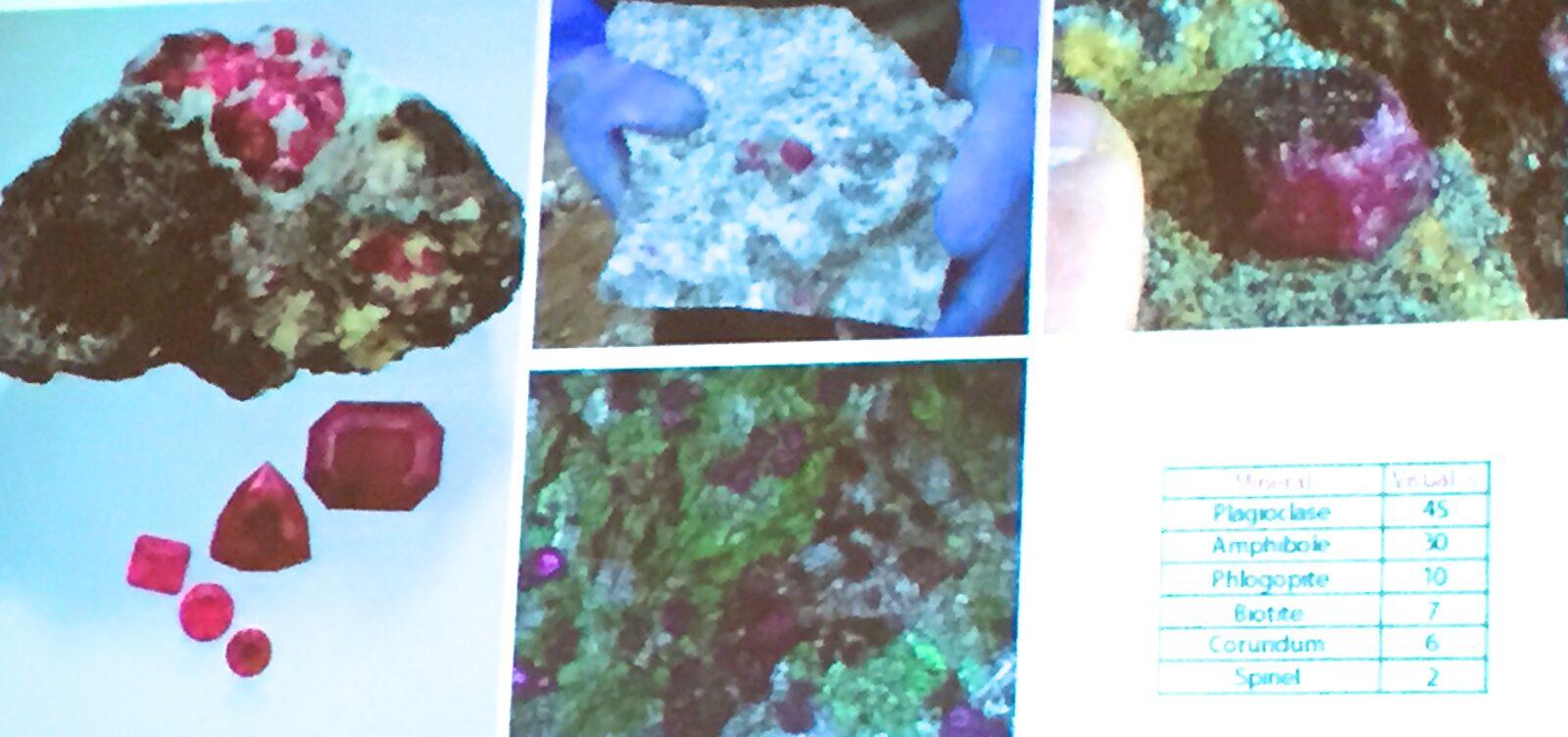
We have become aware of the growth of new mines, particularly in Greenland and Tajikistan, as well as those in Australia.
A film by Vincent Pardieu about the rubies of Mozambique has shown us the reality of a ruby mine.
A presentation by Ian Harebottle (CEO) of GemFields, specializing in the extraction, processing and sale of colored stones, to talk about rubies and their auctions. The result is a more controlled sales process, a reproducible grading system for size, color and purity.
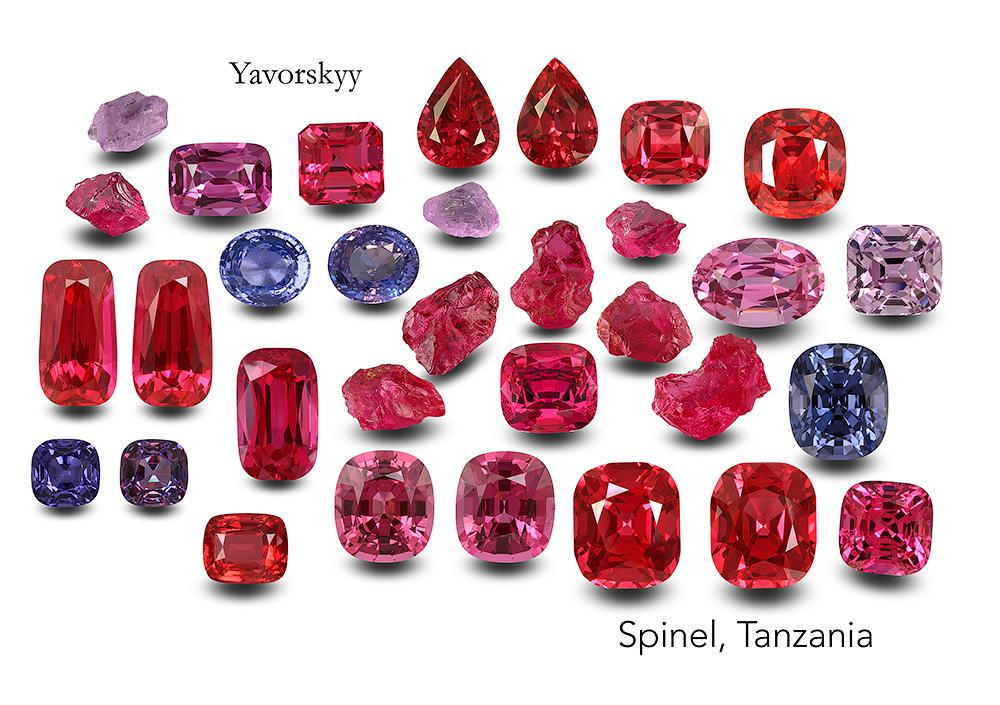
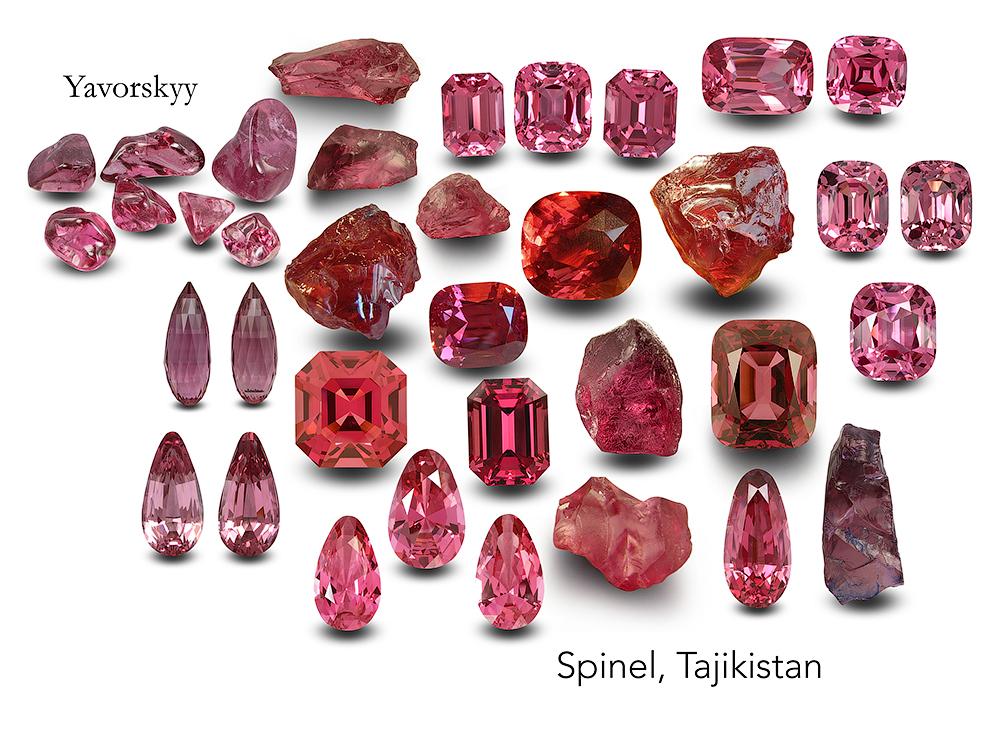
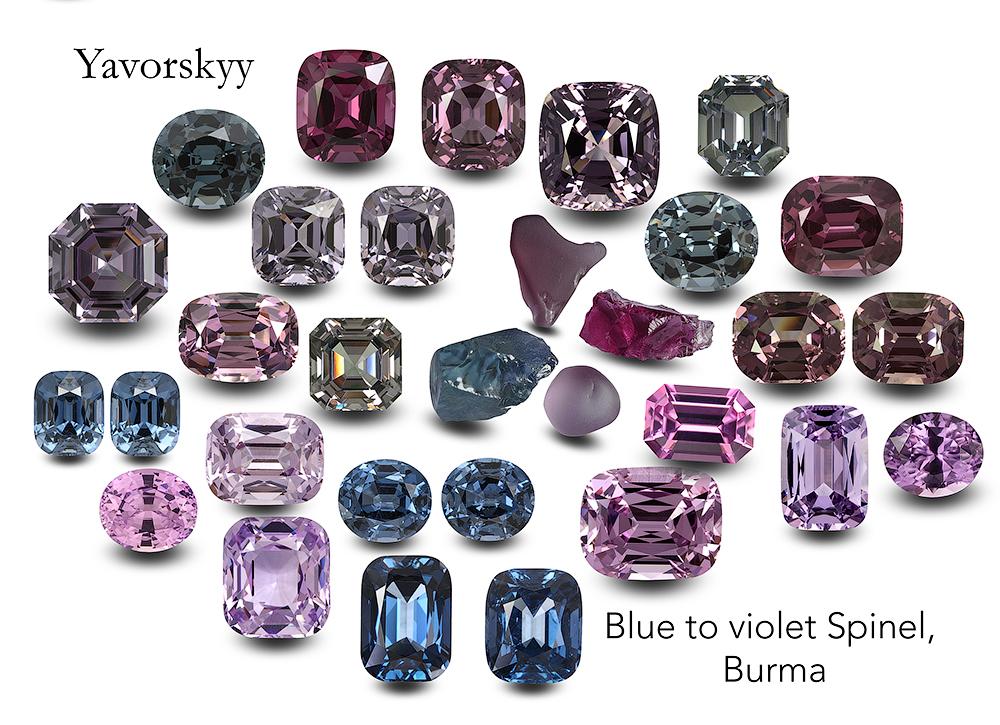
It should also be noted that spinel often follows rubies in mines, treatments and markets. An intervention by Richard Hughes, co-author with Vladislav Yavorskyy of «Terra Spinel», is equally fascinating and colorful.
Not to forget a moment of reflection on the exploitation of the precious stone mines.
Thanks to the French Gemmology Association for organizing this day full of valuable lessons, and for reminding us that gemologists and professionals have a responsibility for their assessments, and that offering a stone for sale is an obligation to its quality.