




Nordiska Museum
To begin with, in a Nordic fairytale spirit, I propose a visit to the Swedish countryside at the Nordyska Museet. This weekend is enchanting as a beautiful lunar eclipse will illuminate our dreams.
First of all, in the Swedish autumn mist, one sees a castle.

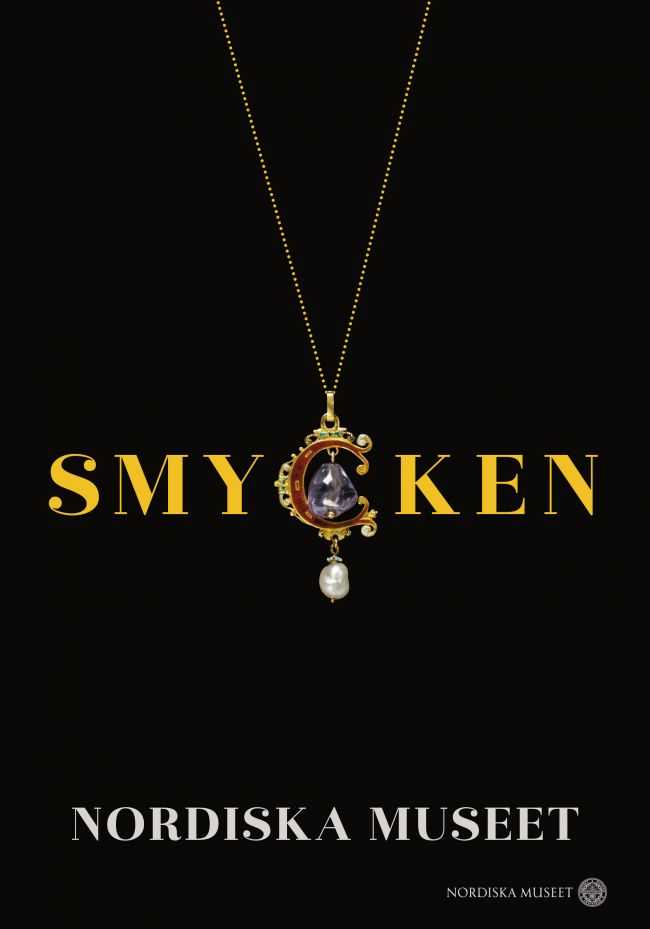
Then comes a treasure trove, where 1000 jewels await the visitors, under Gustaf's guard.
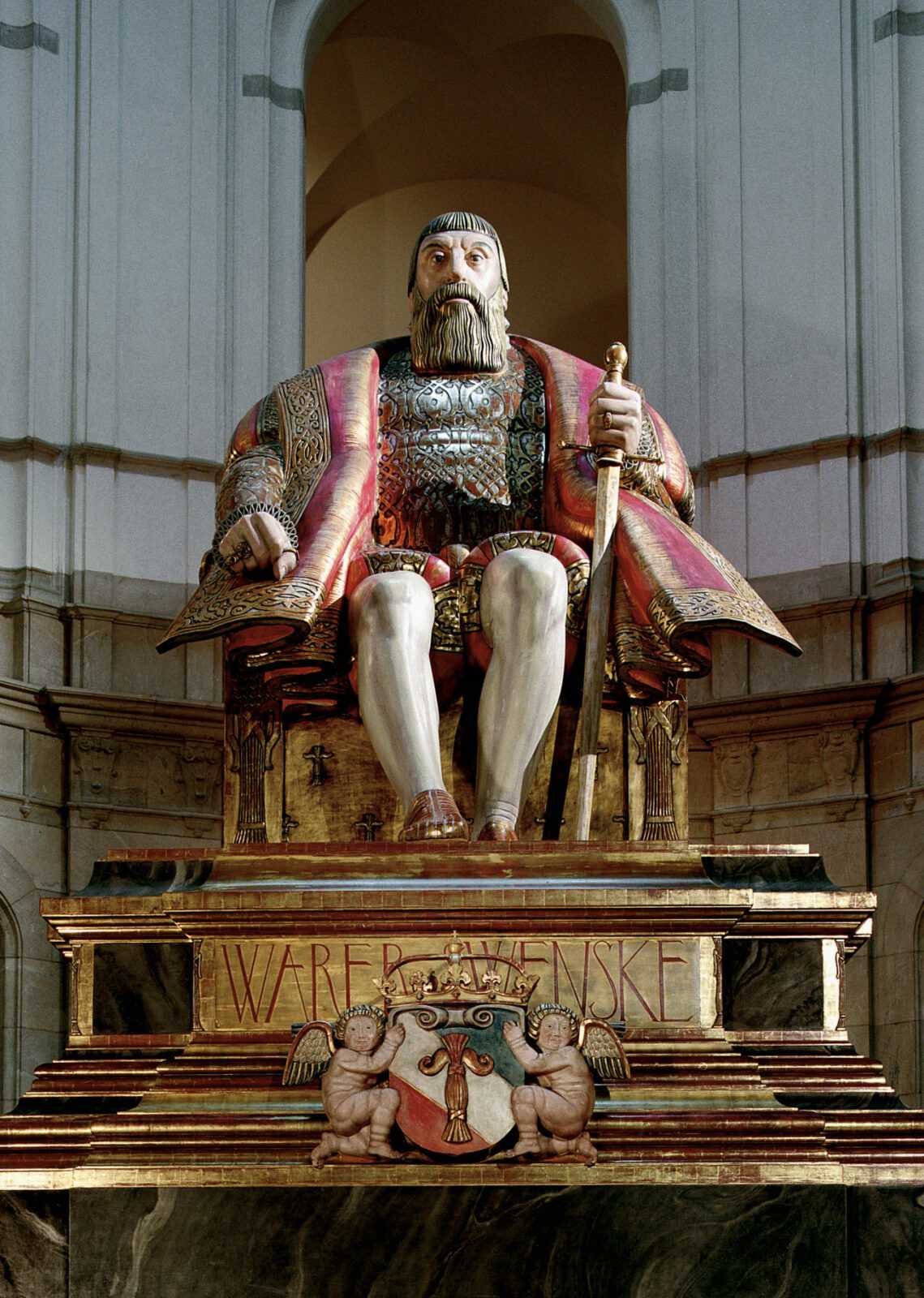
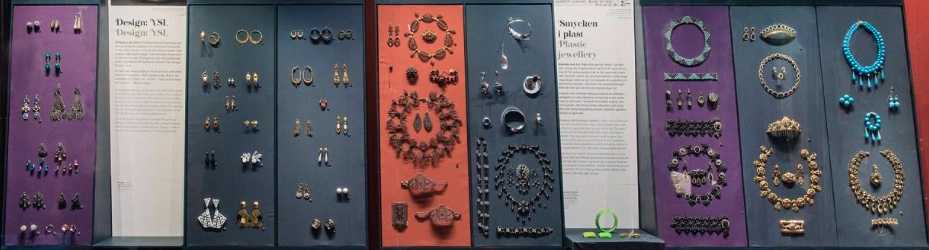
Because the rings, earrings, bracelets, necklaces, from the oldest to the most recent, remind us of all the magic and symbolism that surrounds jewelry.
So, the Nordiska Museum It opens its doors to introduce us to Swedish culture and the history of Nordic jewelry.
Here is a look at this collection.
Let’s start with this necklace dating from 1581 and once belonging to the Swedish nobility. More specifically, it is the necklace of Gustaf Banër, whose motto is: «act with honesty and speak without fear». Passed down through the family from generation to generation, it was acquired by the museum in 2008.
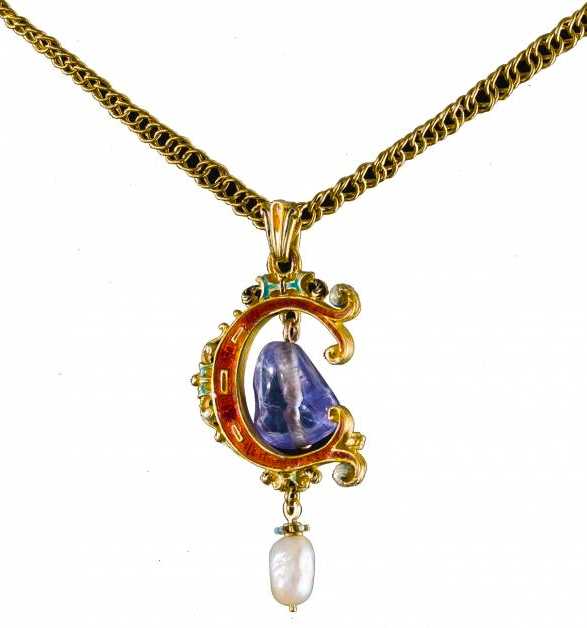
Or, Sapphire, Pearl, Enamel
1581
Since the earliest times, rings have played an important role. They are the symbol of power and protection.
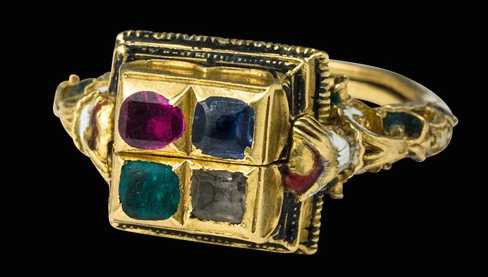
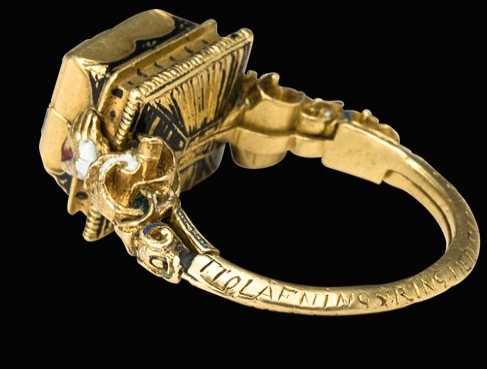
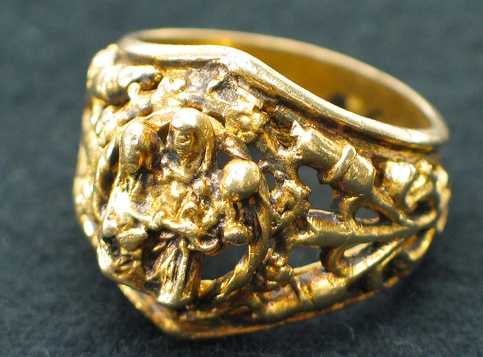
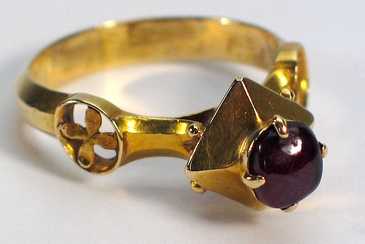
1570
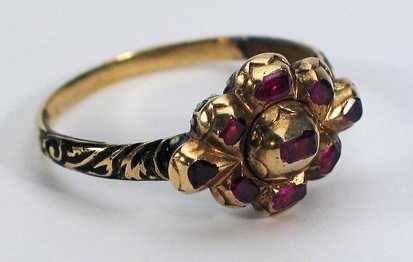
17th century
Also, until the mid-19th century, bracelets were worn in pairs. The gold one is studded with hard stones and bears the arms of two families, the Satke and Oxehufwud. As these bracelets date from the early 17th century.
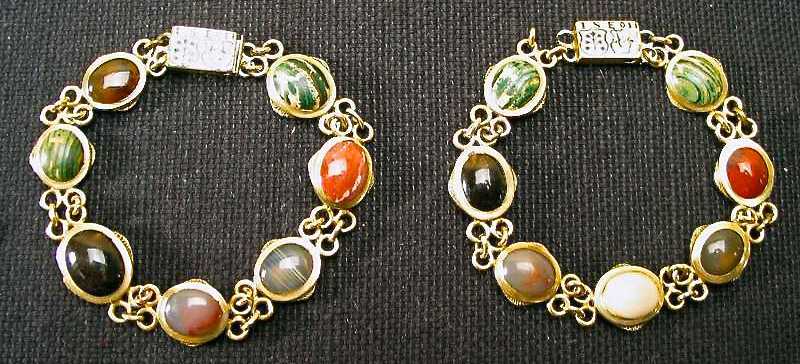
Early 17th century
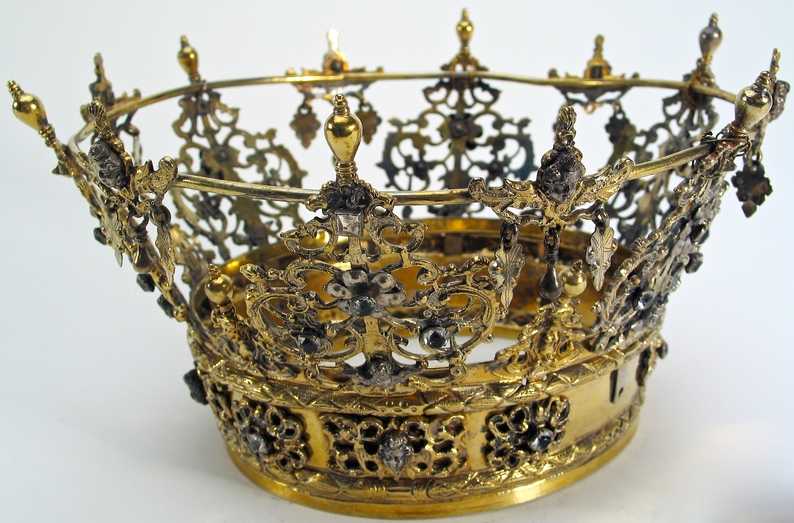
1700
Also the «Girandoles», which were very popular in the mid-18th century. The Rococo period adorned the stones with a fine layer of silver to make them even more brilliant. And often the designation «Swedish diamonds» was used to refer to rock crystal. The trace of Swedish diamonds can be found in various inventories.
from the 18th century.
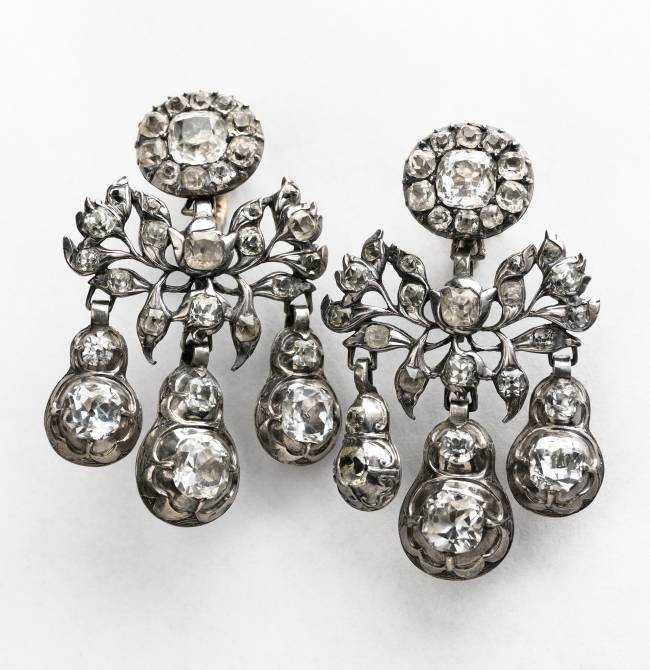
Silver, Cristal de Roche
18th century
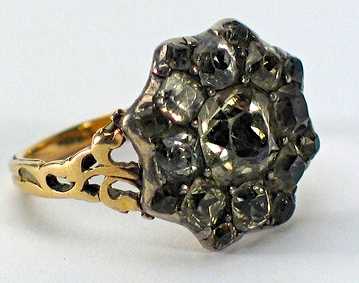
Early 18th century
When English fashion, with the famous Wedgwood porcelain, inspires a Swedish fashion trend.
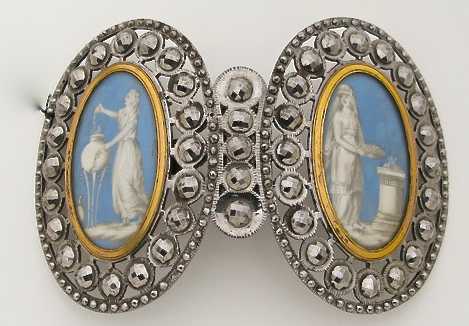
18th century
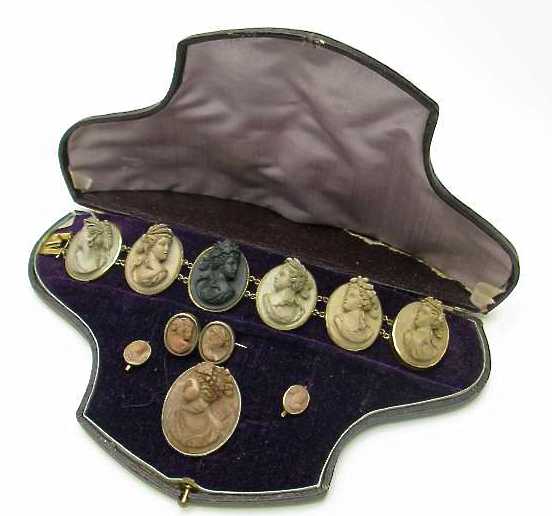
1800
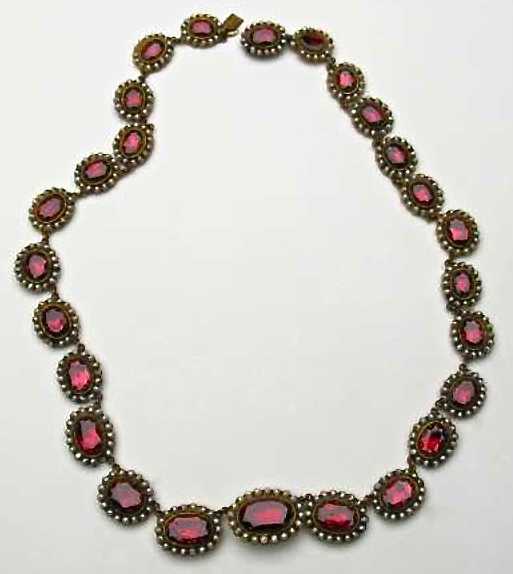
1800
Even more surprising are the steel jewelry. In fact, they are very popular with collectors. Because these jewelry pieces from the 18th and 19th centuries became valuable at a time when the Royal Prussian Iron was very popular.
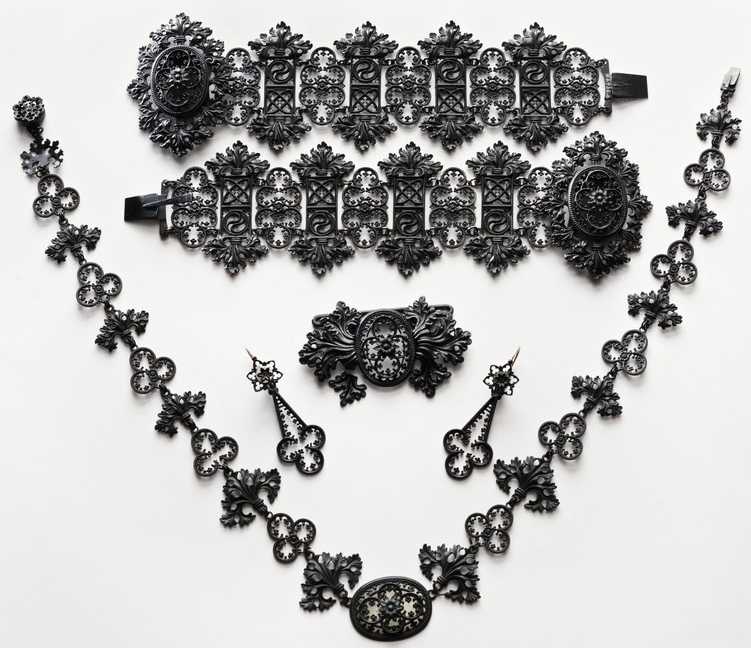
1810
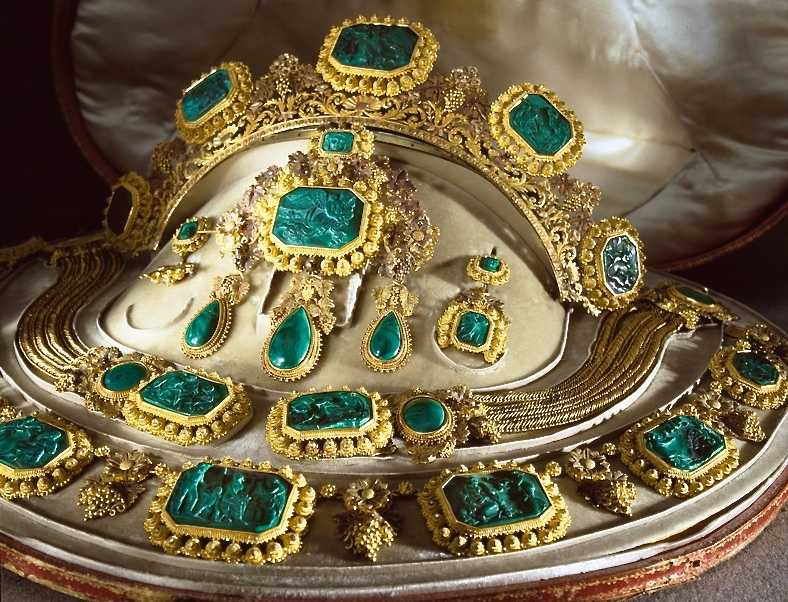
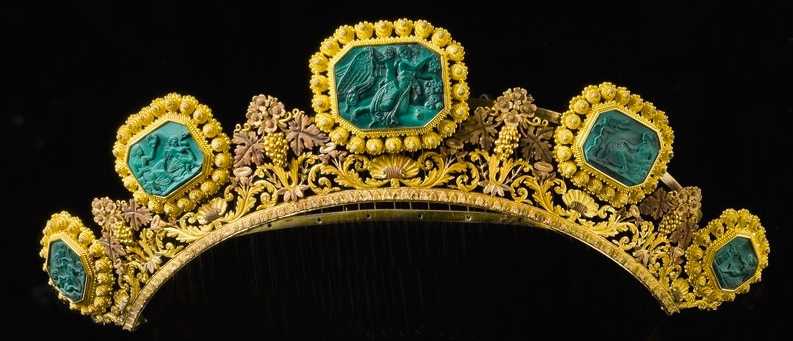
Or Pendants, Malachite
1820
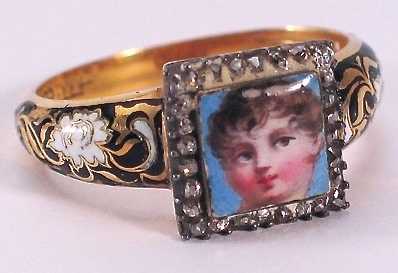
Gold ring, Diamonds, Enamel
1843
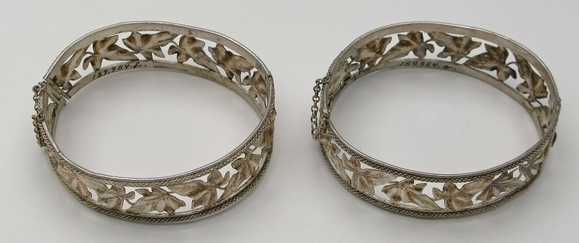
1870

1900
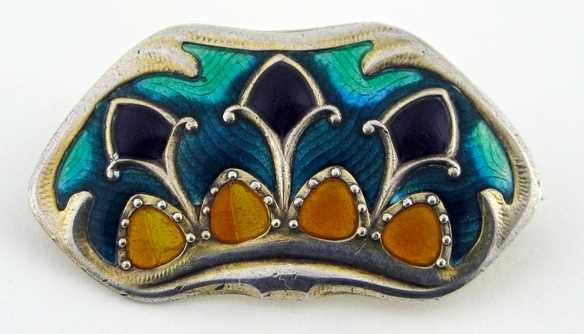
Gold, Silver, Enamel Brooch
1910
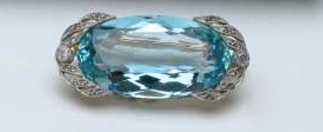
Aigue-Marine brooch, Diamonds, Platinum
1930
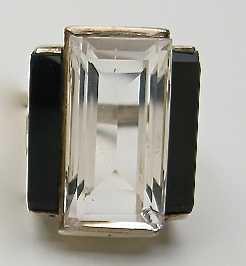
Crystal Roche Ring, Onyx, Silver
1940
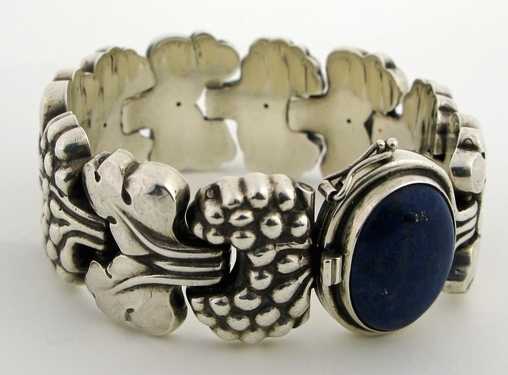
Silver Bracelet, Lapis-Lazuli
1944
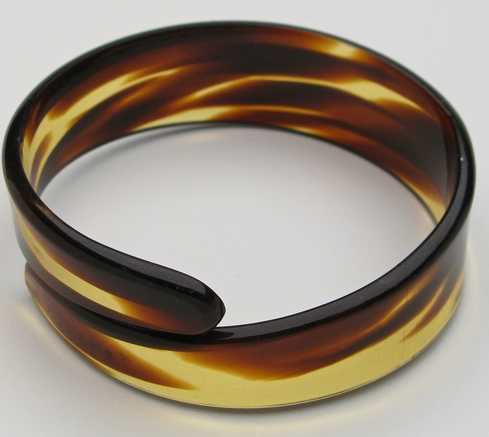
1950
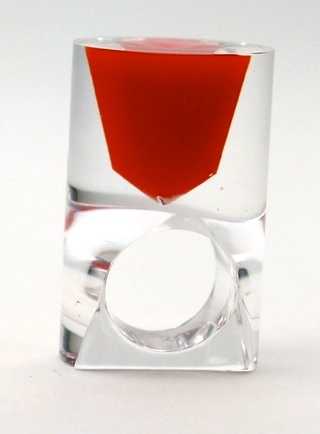
Acrylic Ring
1960
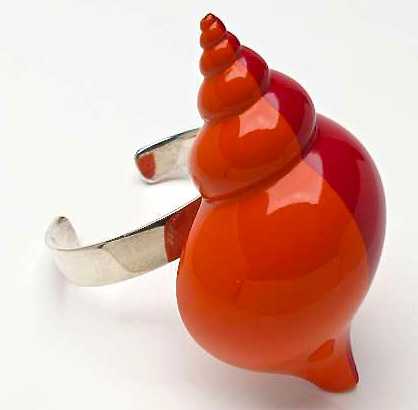
Silver Ring, Resin
1974
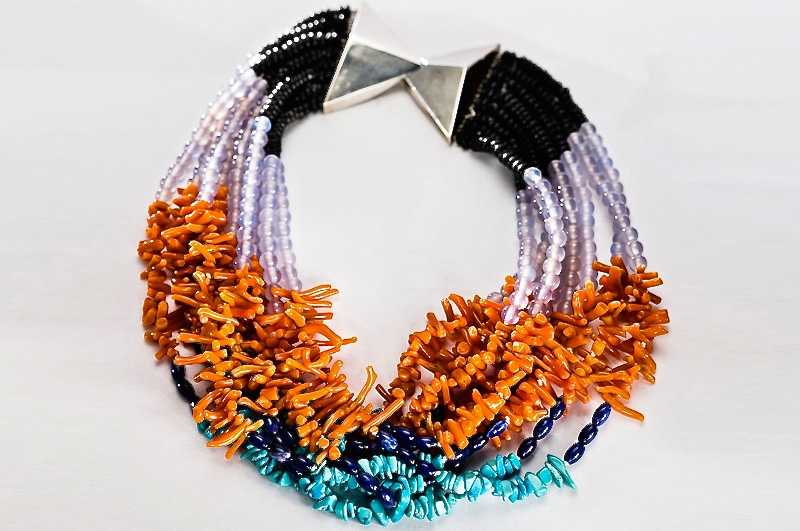
Silver Necklace, Turquoise, Sodalite, Coral, Rock Crystal, Onyx
1982
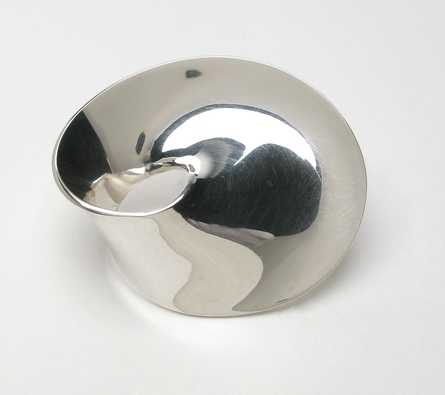
Silver brooch
1990
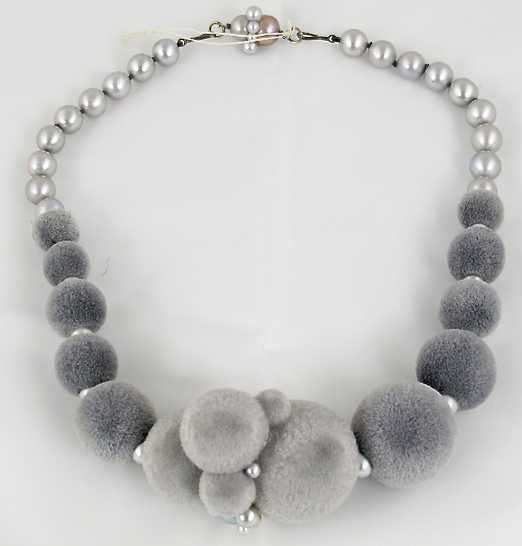
Tahiti Pearl Necklace, Wood, Synthetic Fibers.
2009
If the Nordic mists inspire you, perhaps you will be able to hear the song of the Nibelungs and find a lost treasure.
Nordiska Museum
Djurgardsvägen 6-16 Stockholm Sweden
My thanks to Lisa Ringsby
Photo credit: Nordiska Museet
Elisabeth Eriksson/Frida Lönnberg/Thomas Adolfsson/Jessica Karlson/
Mata Landing