




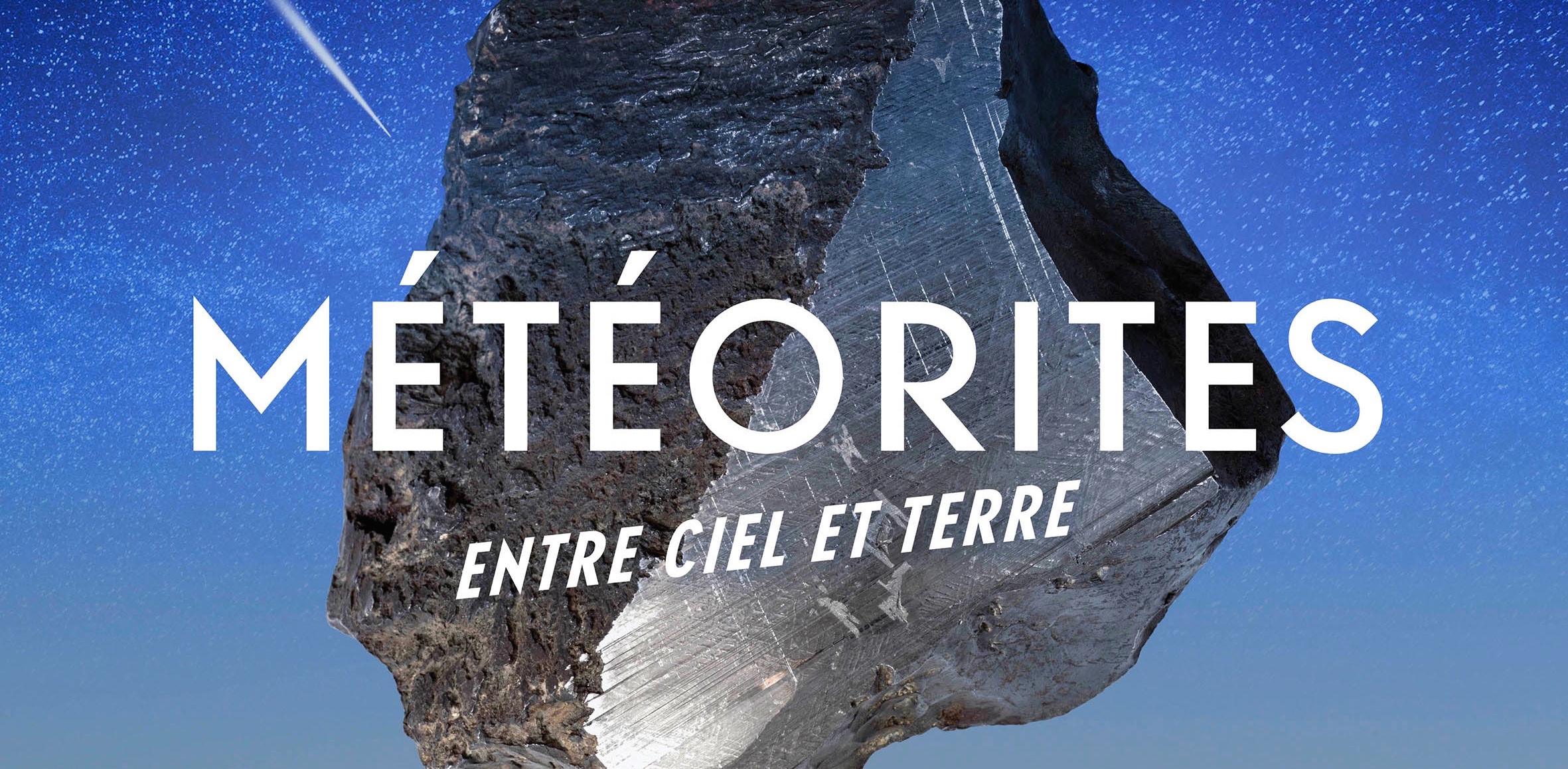

The National Museum of Natural History we propose to discover a little more about the stones of heaven with the exhibition Meteorites between Heaven and Earth.
Esprit Joaillerie has experienced this atmosphere, between the dust of the stars and the piece of Moon, to appreciate these celestial stones even more.

© Konstantin Kudinov
To begin with, when the meteoroid reaches speeds of more than 20 kilometers per second in space, it is slowed by the atmosphere before hitting the surface of our planet. Thus, it will lose more than 90 % of its mass through combustion, leaving behind a luminous trail called a meteor. Finally, it is only when it reaches the surface that it will be called a meteorite. So these are the extraterrestrial rocks that are presented.
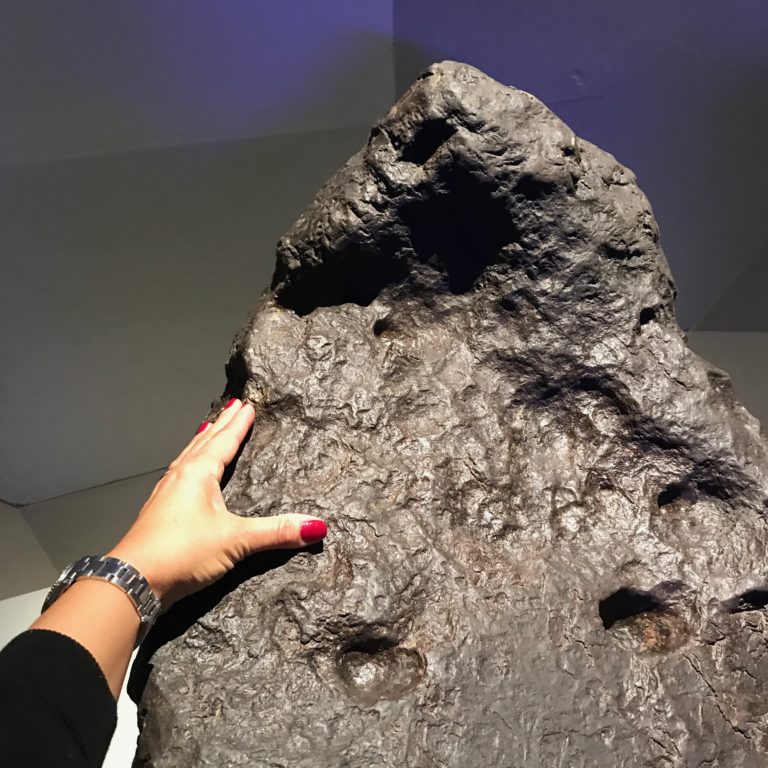
It should be noted that this iron meteorite, discovered in the 17th century, was first used as a hammer. Then as a bench in front of the church in the village of Caille in the Alpes-Maritimes. In 1829, the Mnhm He had it transported to Paris, offering the villagers in exchange a clock. It should be noted that this is the largest meteorite discovered in France. Specifically, it weighs 625 kg.
Almost all of them Meteorites They are older than our terrestrial rocks. Since they are the witnesses of the formation of the solar system, the planets, the moon, and Earth, they are veritable archives of the past.
First of all, there are several types of meteorites. Like the unclassified meteorites (86%) called chondrites and the Meteorites differentiated (14%) with the achondrites (moon and Martian meteorites), the Meteorites Iron and the Meteorites micas (pallasite, a mixture of iron and olivines).
Chondrites are the oldest rocks in the solar system; lunar and Martian achondrites are a dream for space enthusiasts; while iron meteorites and pallasites are among the most spectacular.
More than 80 Meteorites They are presented in the second part of the exhibition to show all their diversity.
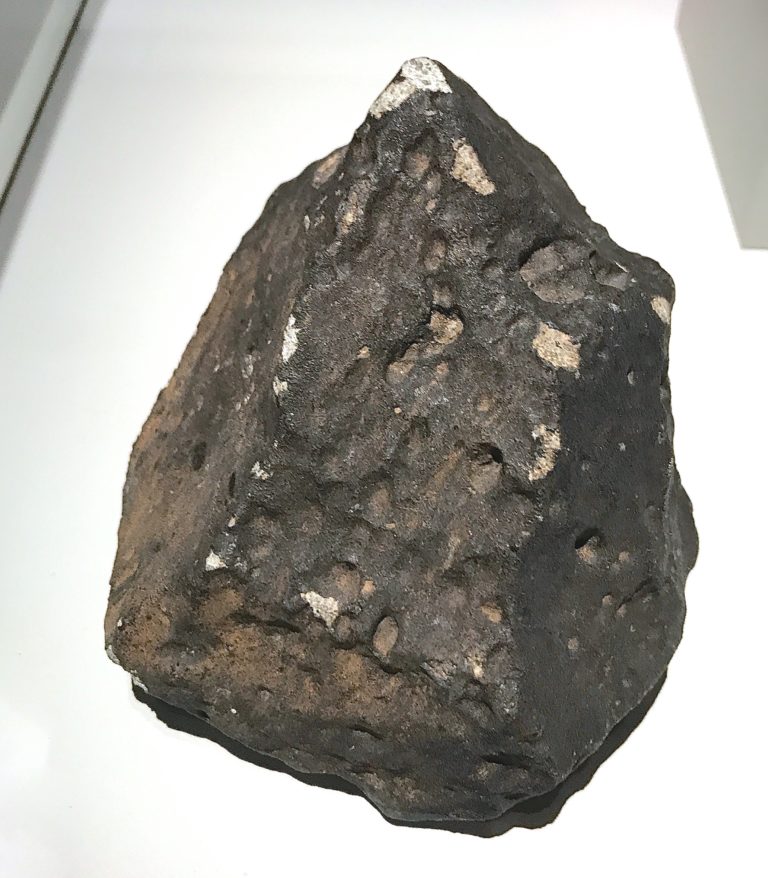
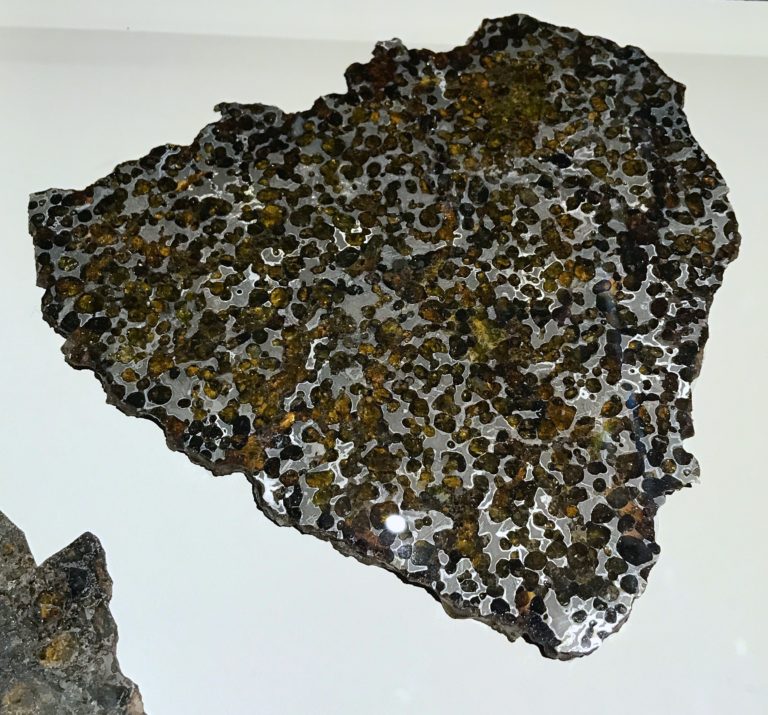
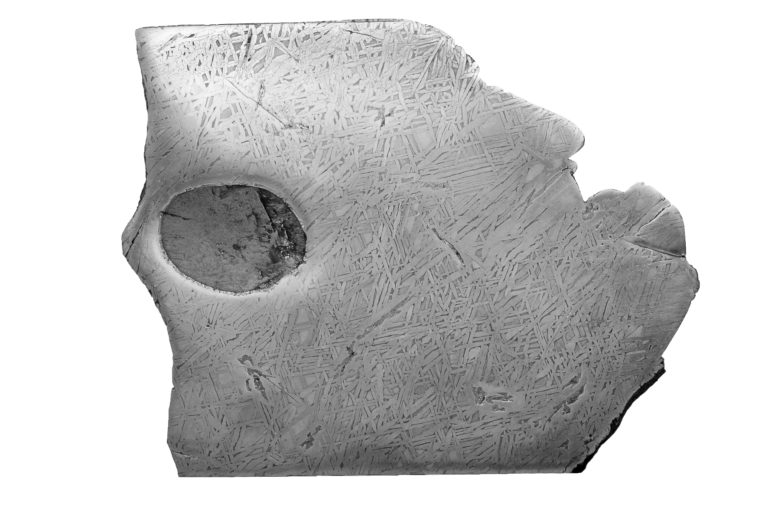
Iron Meteorite
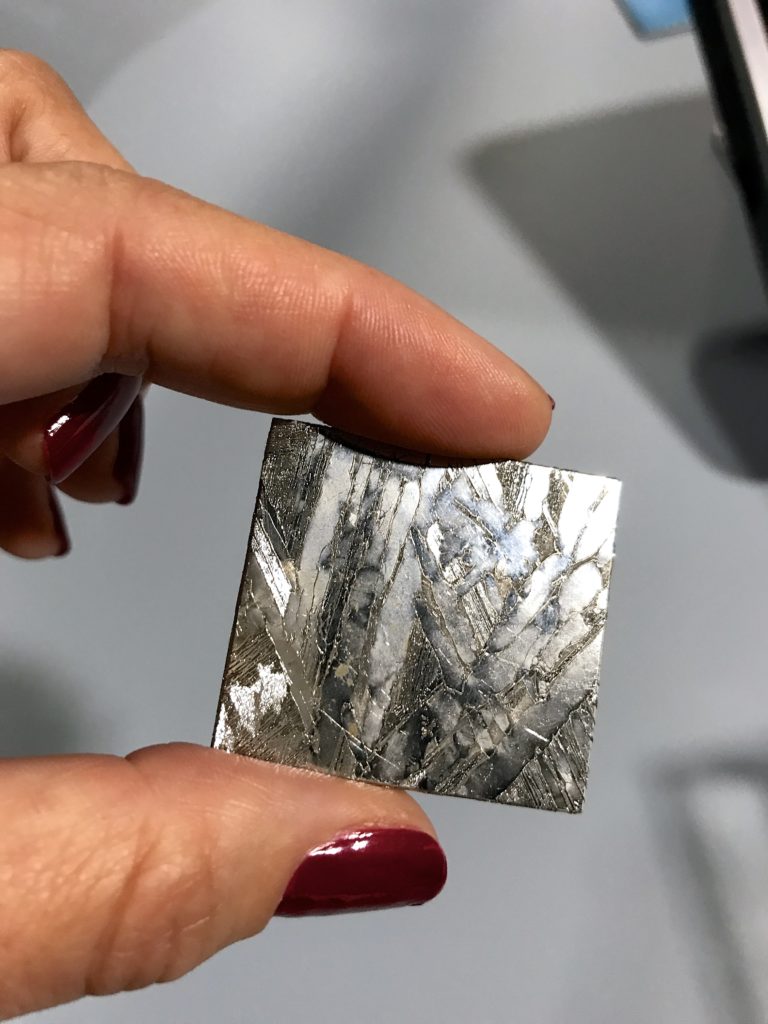
The Meteorites The iron samples testify to the collisions that exposed the iron cores of the asteroids from which they came. They allow us to clarify the conditions under which the metallic cores of large asteroids and planets formed. An indirect possibility for studying the Earth’s core.
The Meteorites Results from the rocky layer of the asteroids allow the study of their geology.
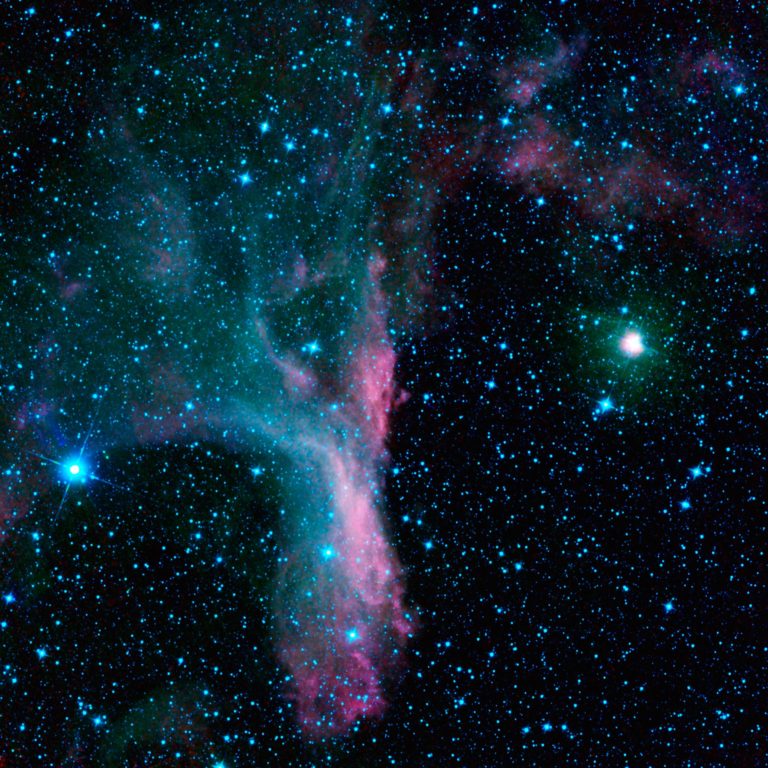
© NASA / JPL-Caltech / UCLA
To conclude this journey in space and time, two Meteorites are exceptionally presented and can even be touched: a piece of Moon and a piece of Mars !
So until June, come and experience the universe up close National Museum of Natural History.
From October 18, 2017 to June 10, 2018
National Museum of Natural History
Great Gallery of Evolution
36 rue Geoffroy Saint-Hilaire Paris 5th