




Machu Picchu and the Treasures of Peru in Paris.
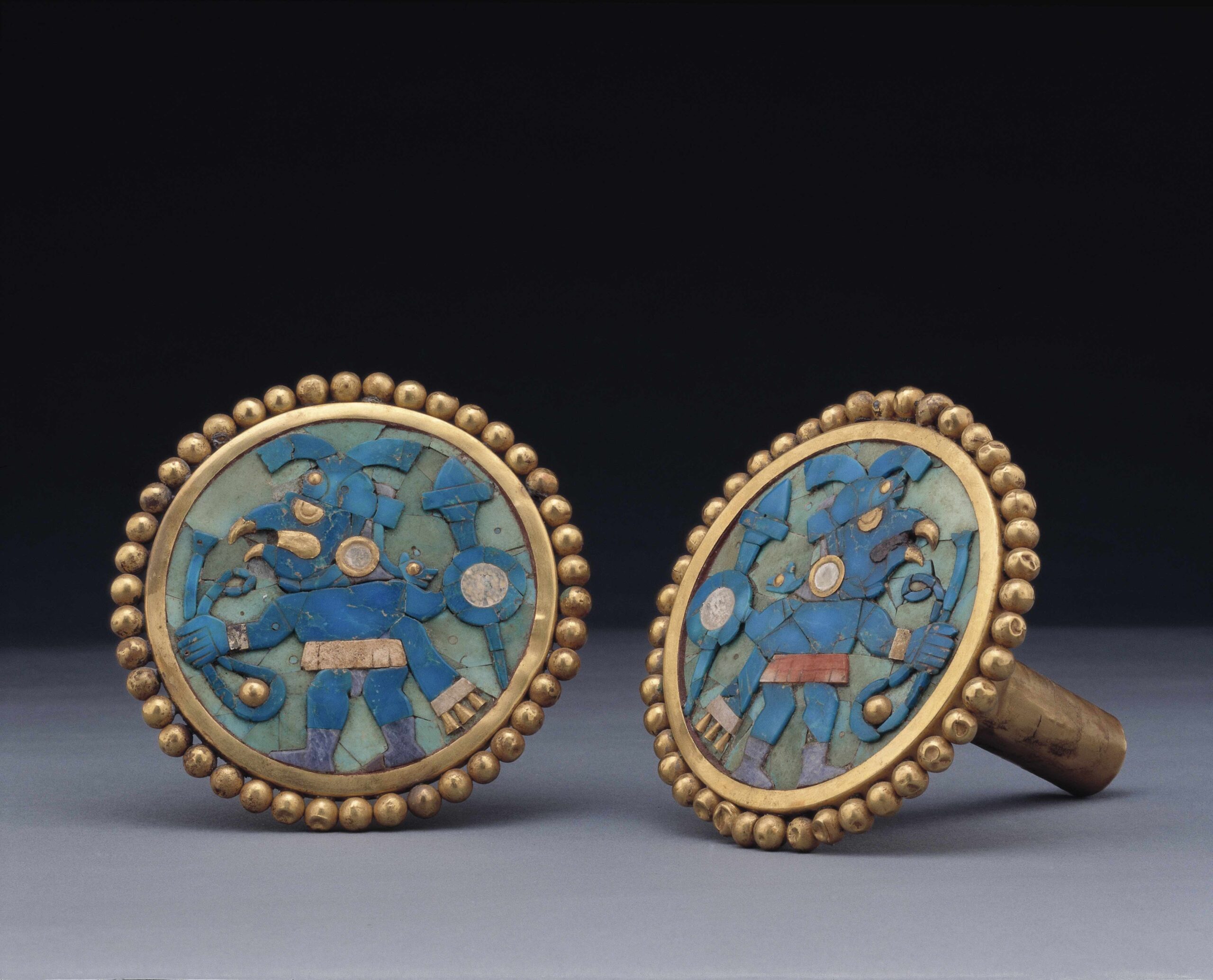
Beyond the exhibition Machu Picchu and the Treasures of Peru, This is a superb immersive journey to Peru that we offer the City of Architecture and Heritage. To begin with, this visit to Machu Picchu is led by a hero of mythology, Ai Apaec. Moreover, this hero introduces us to the entire universe of the societies of ancient Peru that shaped the great history of Andean civilization for more than 3,000 years.
© World Heritage Exhibitions
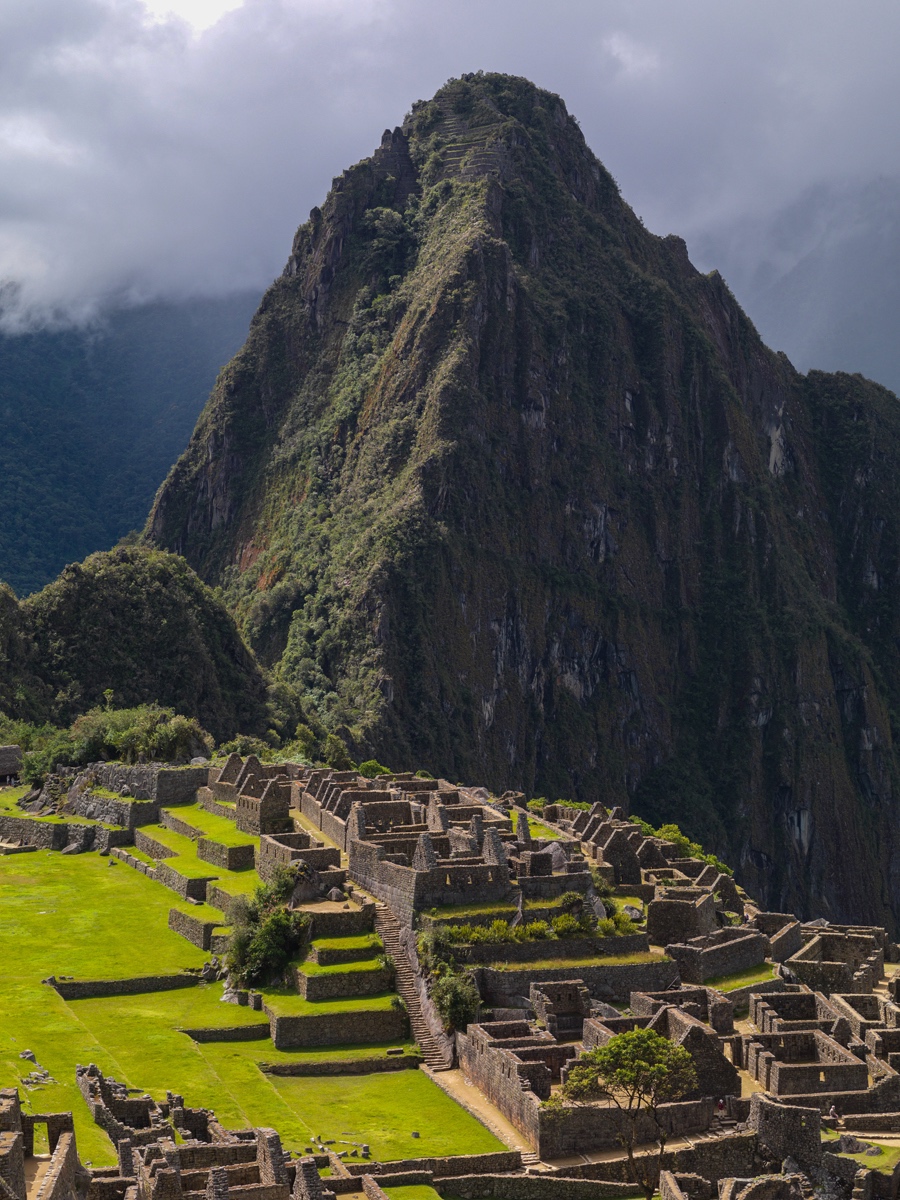
First of all, it should be noted that it is a symbol of the achievements of the great Inca empire; Machu Picchu is perched on a mountain ridge above a cloud forest that overlooks the tropical forest.
Built in 1450 at the height of the Inca empire, its brutal end came in 1532 with the Spanish conquest. It is noteworthy that the monumental site is the most remarkable material expression of the artistic, architectural, ecological, and technical achievements of this great empire. Indeed, this place bears witness to the greatness of the pre-Columbian achievements and knowledge acquired over 3,000 years of cultural development.
So, here is a focus on some gold artifacts presented, some of which are emblematic, such as this front-piece in gold from the Mochica culture. It should be noted that it presents two major deities of the Andean worldview: the bird of the world from above and the feline of the world from below. the earthly world of now and here.
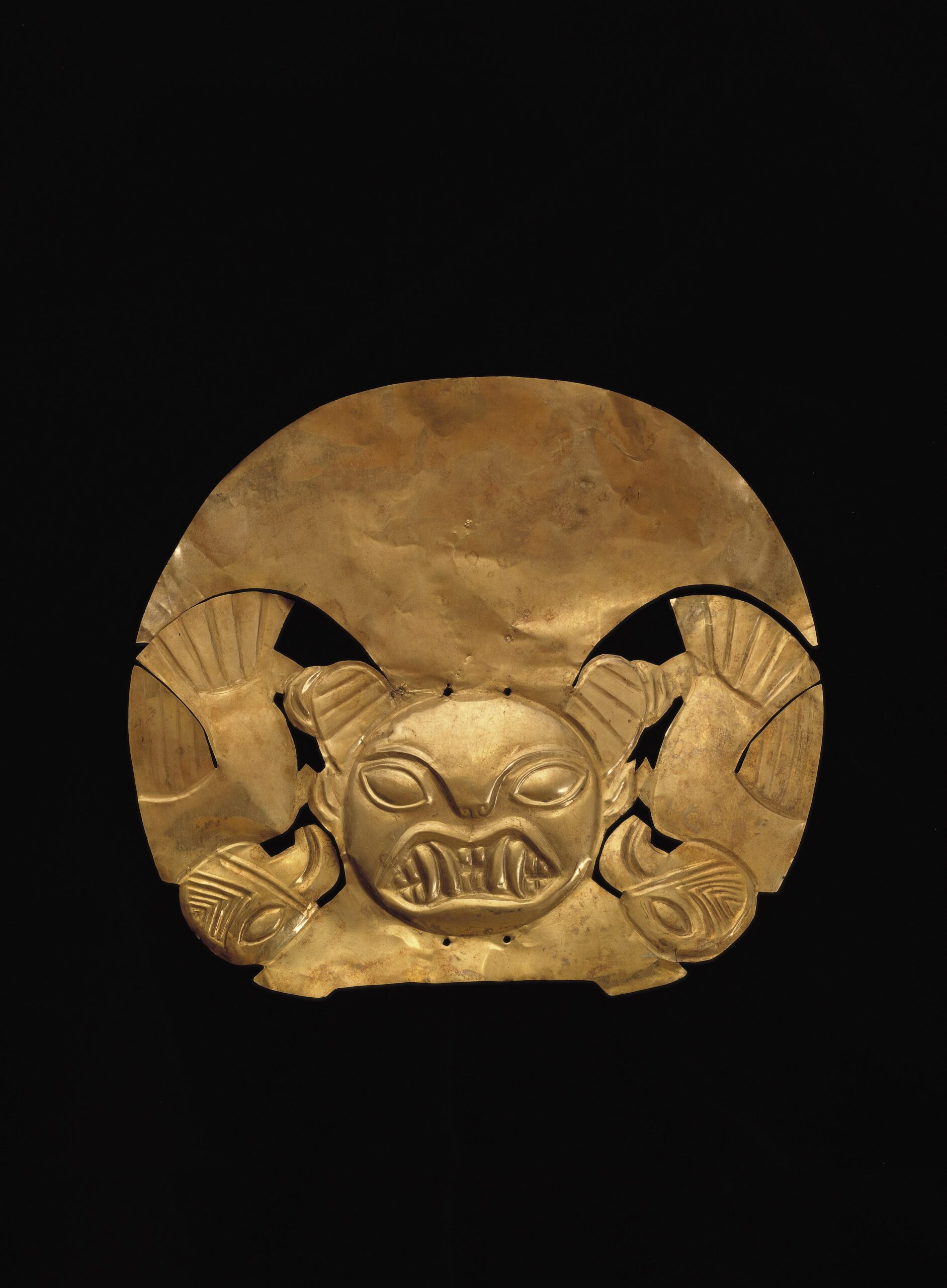
Mochica Culture 100 – 800 BC.
Gold 18 carat (78.5% Au, 12.5% Ag and 9% Cu)
Dimension 22.4 X 25.6 cm
The thickness of the gold leaf is 0.07 mm
North Coast
© Larco Museum, Lima-Peru.
Because for the Incas gold had a powerful symbolism, since it was considered the fruit of the sun god. As gold was the expression of the sun god, silver was a gift from the goddess Luna. Similarly, the symbolism was a kind of balance or duality between day (gold) and night (silver) that was supposed to reign over the earth. For example, this vessel expresses this duality. Made of silver and gold, it contained the sacred fluids (chicha, water) offered to the gods and ancestors during ceremonies.
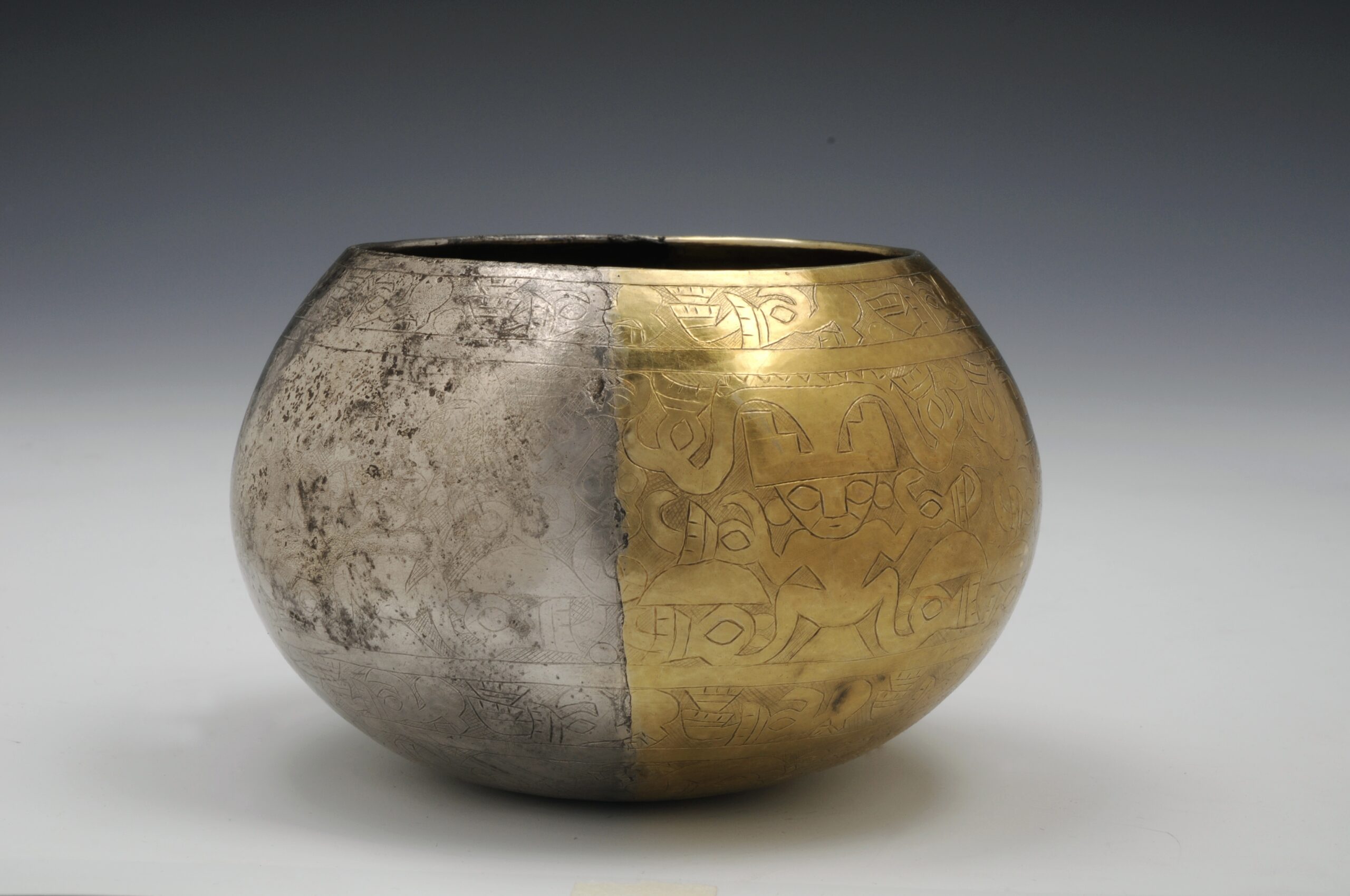
Ceremonial bimetallic bowl with carved mythological scene
Chimu Culture
1100 – 1470 BC.
Gold and Silver
Dimension 11.7 x 8.2 cm
North Coast
© Larco Museum, Lima-Peru
If gold and silver had a sacred value, gold was also a powerful symbol of power. This is the reason why the Inca king, as the human incarnation of the sun god, was adorned with gold, as this complete set demonstrates. This imperial gold casket, unique in the world, expresses the supreme power of the politico-religious leaders who are the direct descendants of the gods on earth. Thus, at their death, they are buried with their identity and power insignia to facilitate their journey and transformation into the world of the ancestors. Finally, from this newly acquired position, they will ensure the protection of the community.
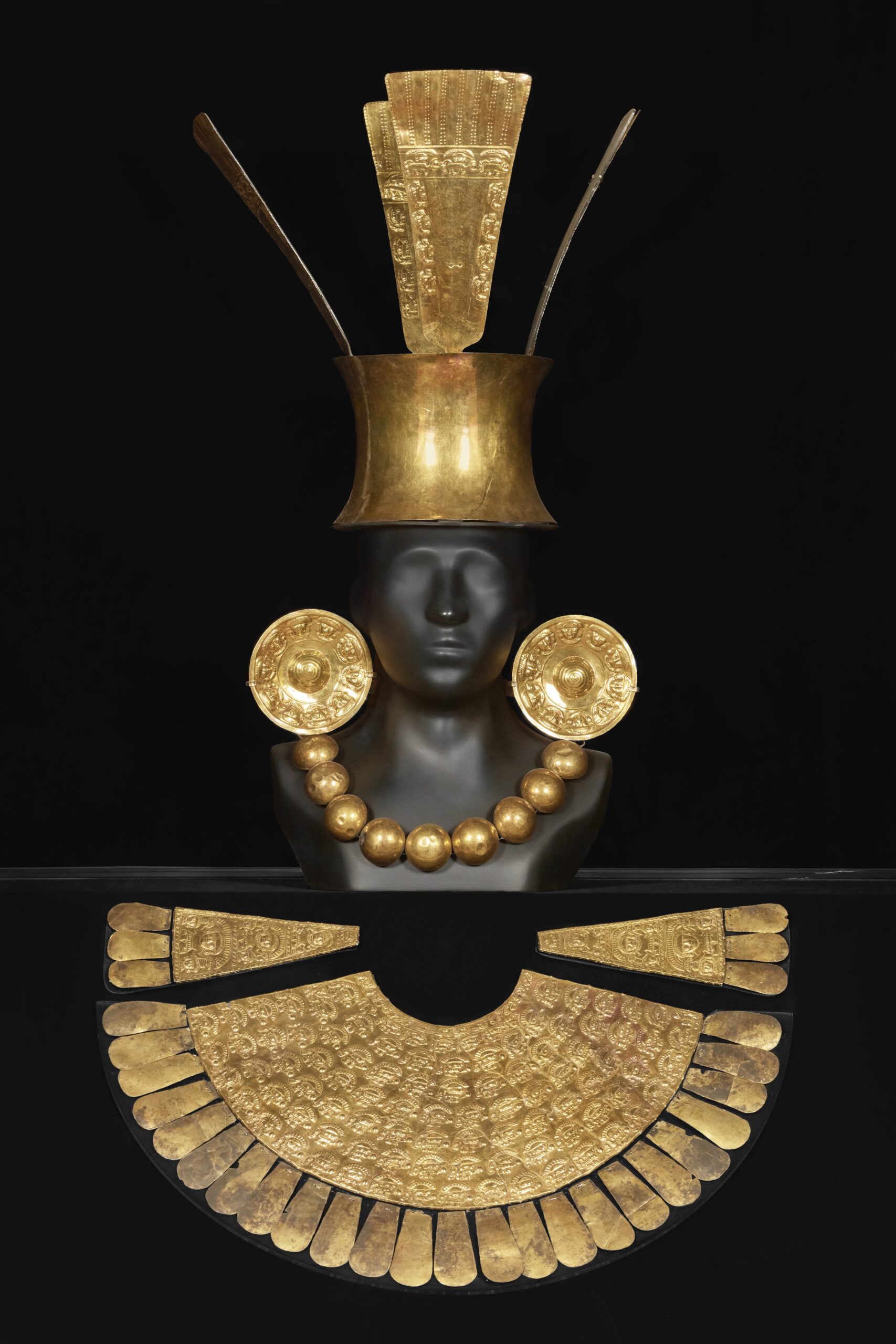
Chimu Culture 1100 – 1470 BC.
Or. North coast
© Larco Museum, Lima-Peru
This exhibition allows visitors to discover a remarkable collection of gold objects. It is also an opportunity to travel through augmented reality, offering a monumental virtual environment that might inspire you to become an adventurer. The lost city of gold, the famous Eldorado, built by the last Inca emperor Manco Capac II somewhere in the Amazon, has still not been found.
Machu Picchu and the Treasures of Peru
Until September 4, 2022
City of Architecture
1 Place du Trocadéro and Place du 11 November
75116 Paris