

A NEW ART
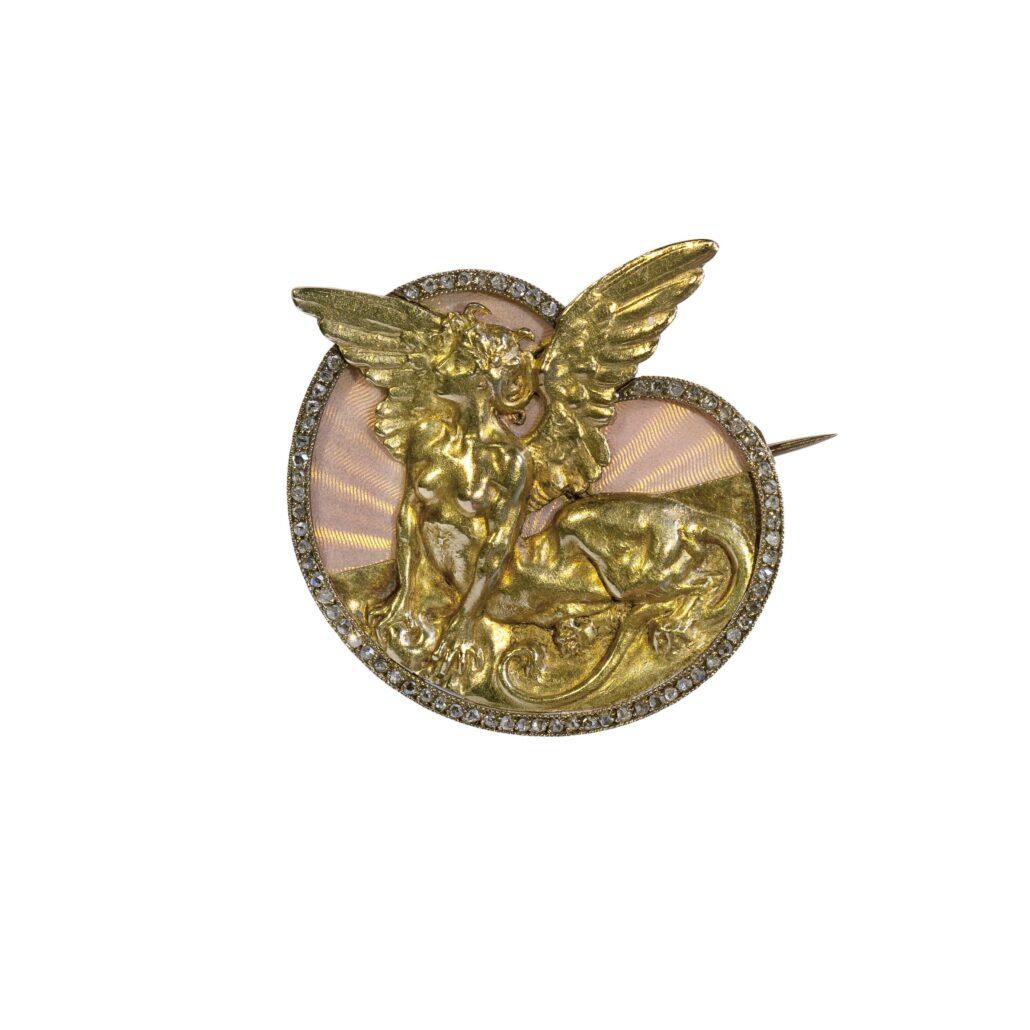
Starting in the 1880s, aesthetics underwent a profound evolution, a new and innovative breath. It was a different vision of the world, one that departed from tradition to embrace new forms of expression.
Read now




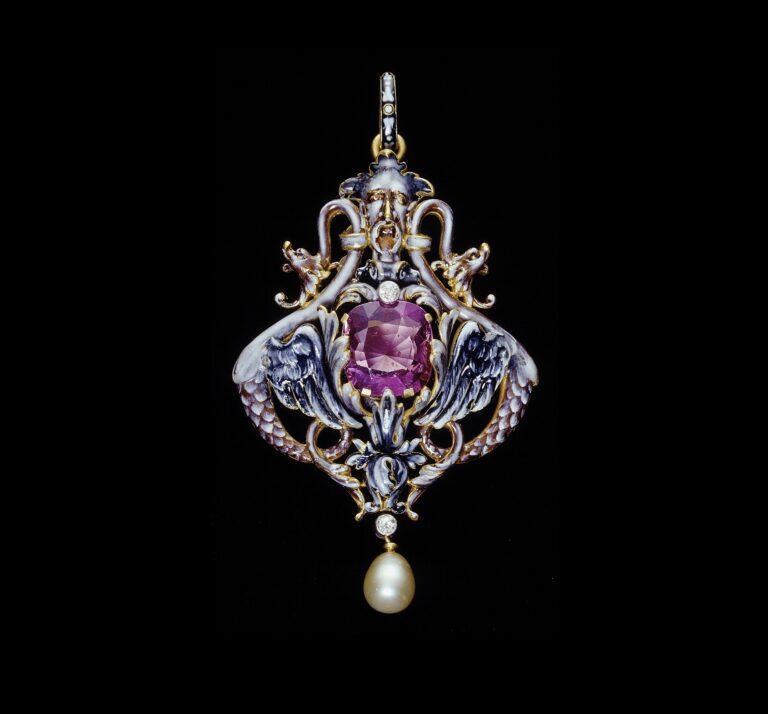
Starting in the 1880s, aesthetics underwent a profound evolution, a new and innovative breath. It was a different vision of the world, one that departed from tradition to embrace new forms of expression.
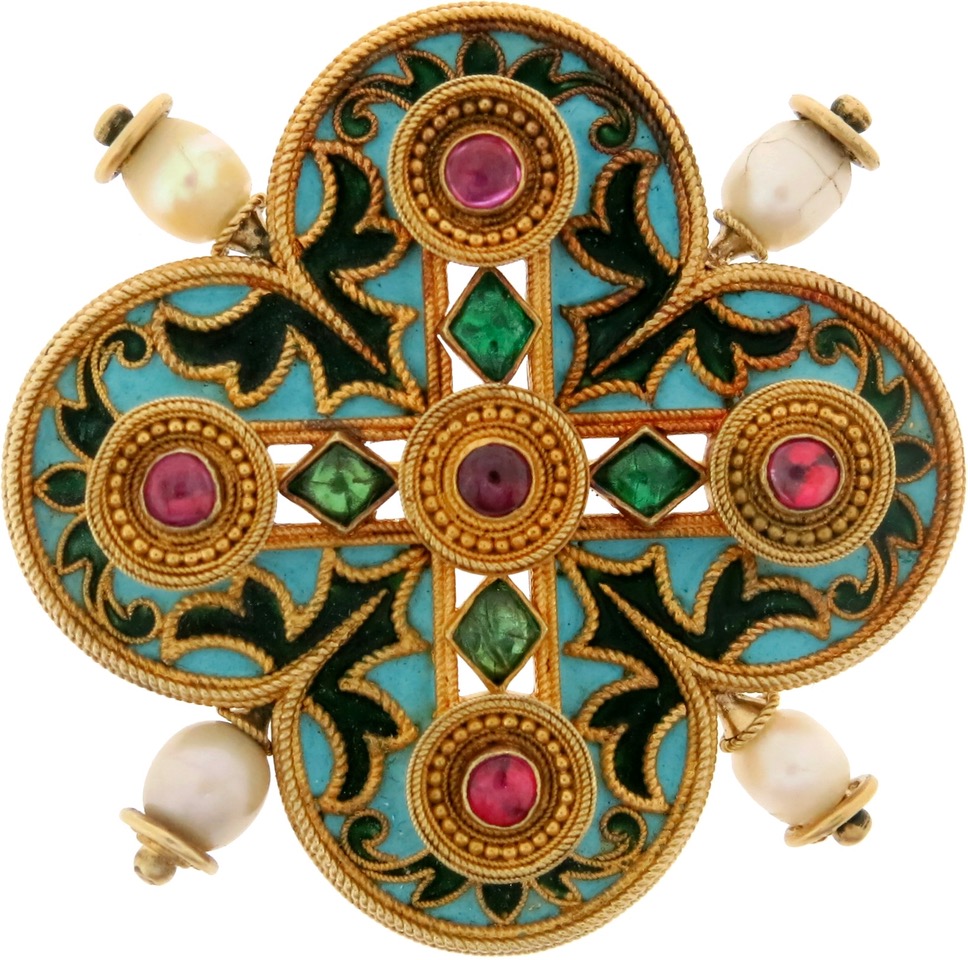
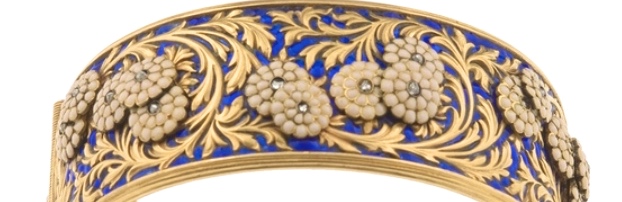
At this time, artists and jewelers drew inspiration from forms, decorations, and works ranging from the Middle Ages to the Renaissance; the style is called Neo-Renaissance. At this time, artists and jewelers drew inspiration from forms, decorations, and works ranging from the Middle Ages to the Renaissance; the style is called Neo-Renaissance.
Meeting with Évelyne Possémé at the Museum of Decorative Arts The Museum of Decorative Arts houses a collection of jewelry ranging from antiquity to the present day. Esprit Joaillerie met with its chief curator, who oversees this wonderful heritage. How does one become a curator of the Gallery of Jewelry? After my studies, I was fortunate to have the opportunity to work in the […]