





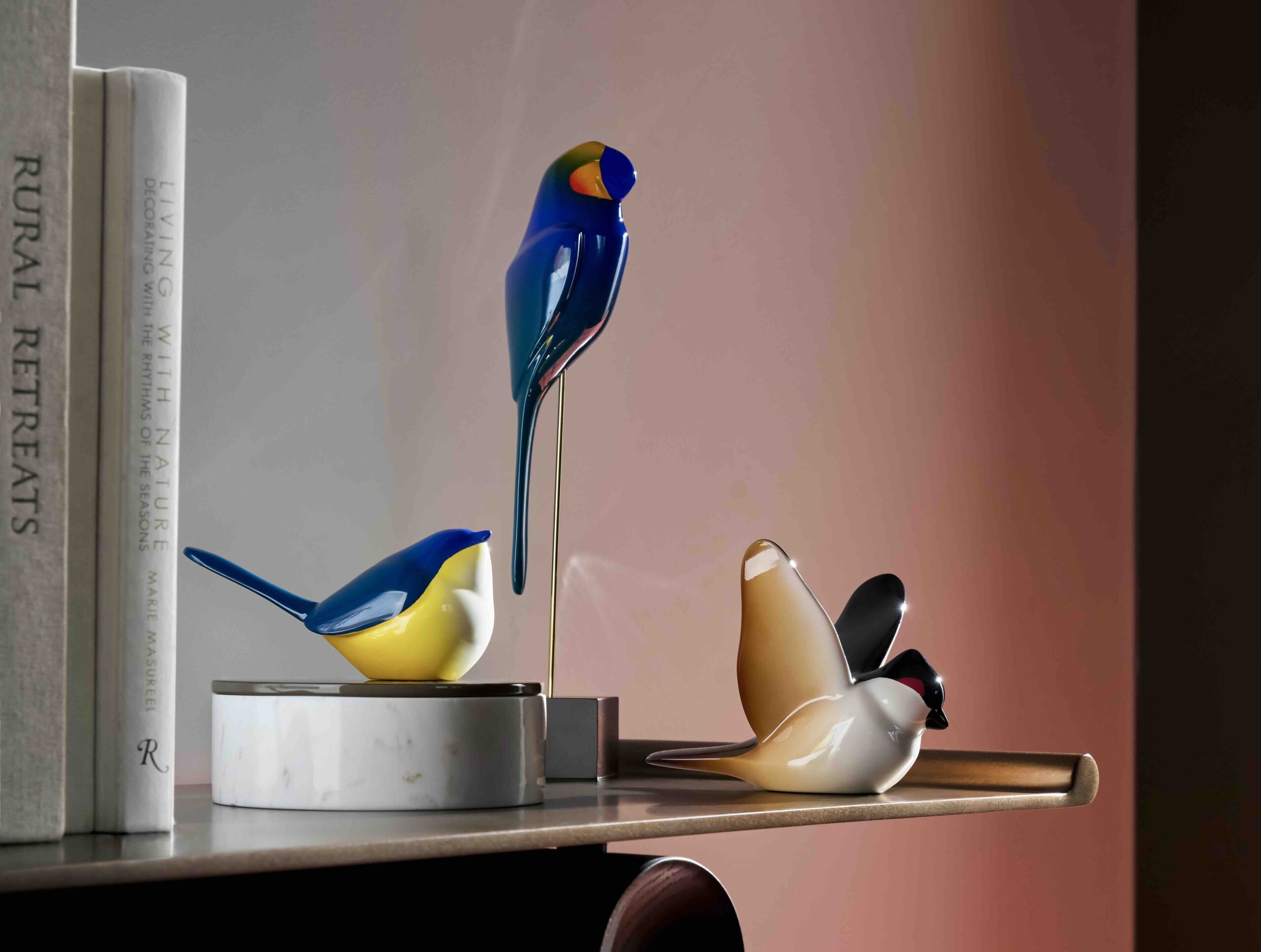
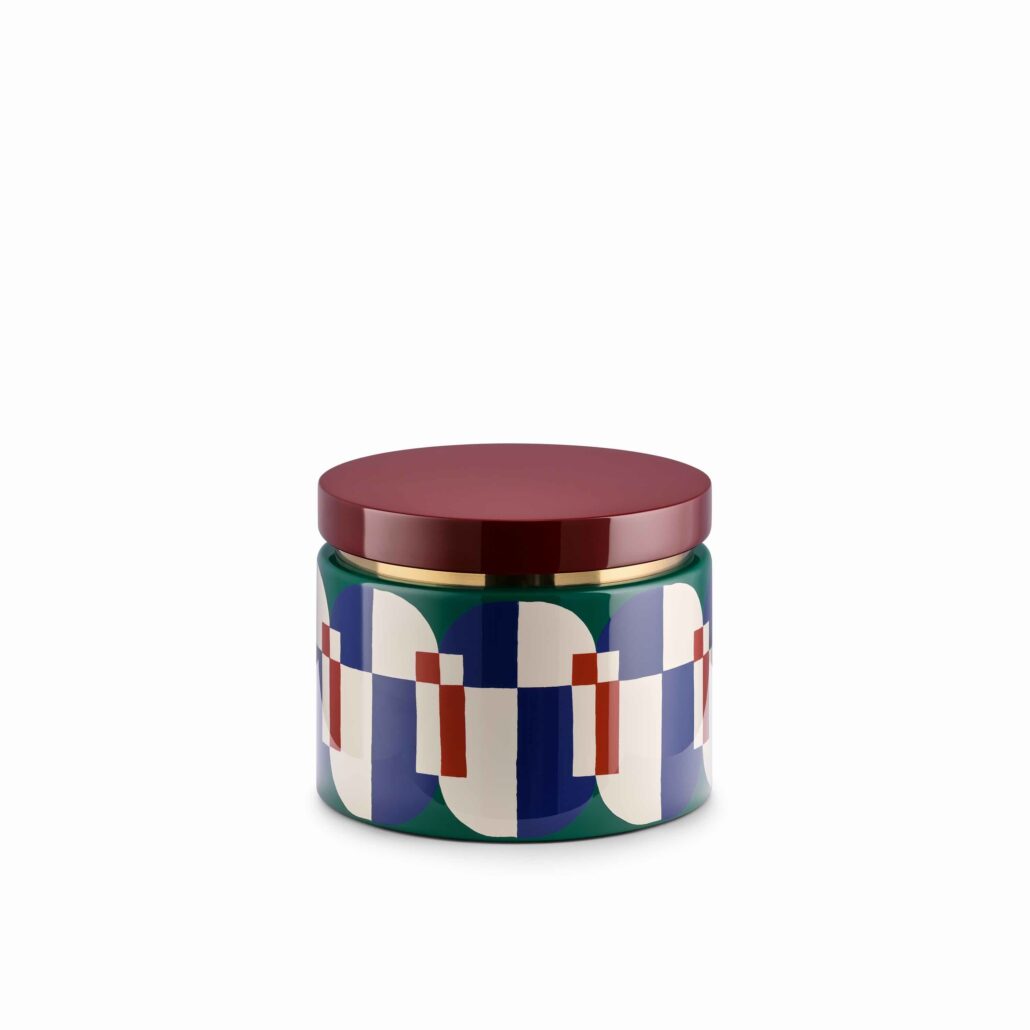
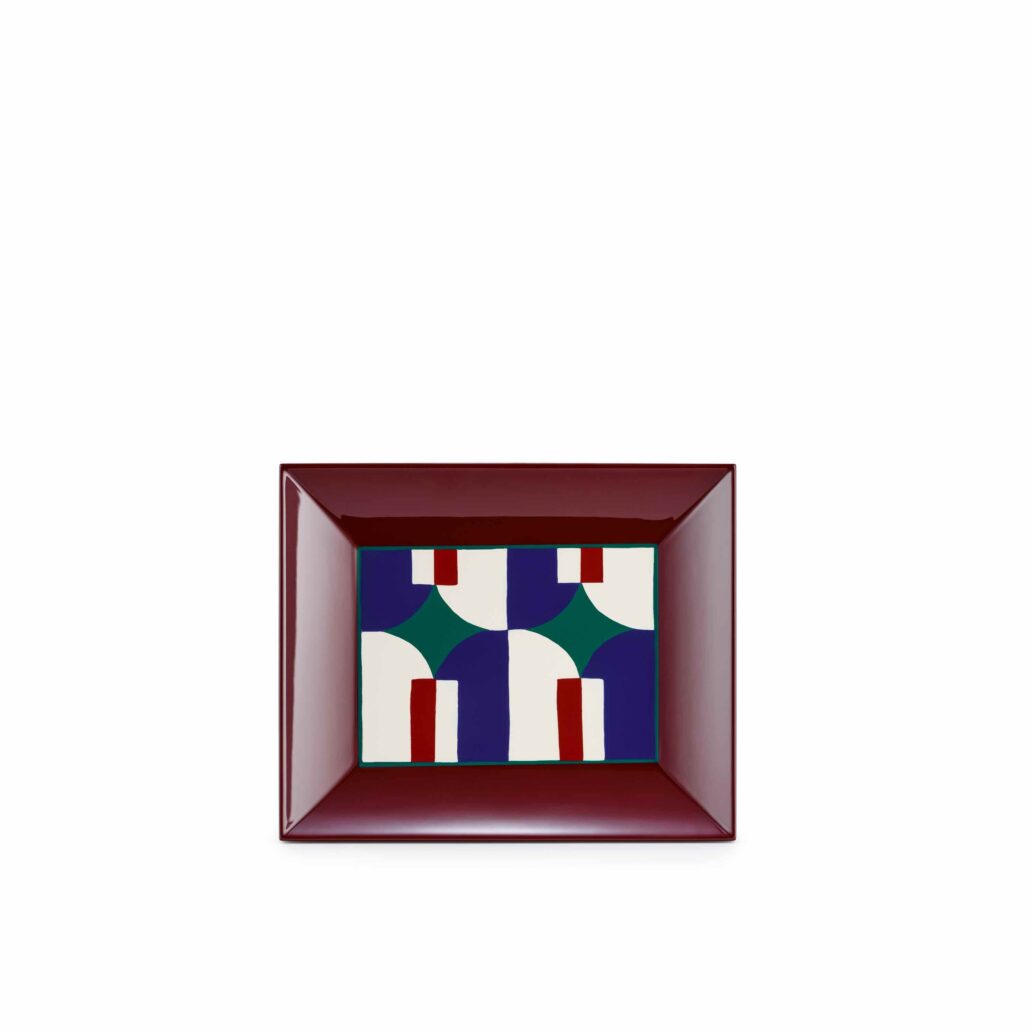
It takes time to bring a lacquer piece to life. The material is prepared, applied in successive layers, left to dry, sanded and then polished. The process is repeated, almost silently, until the surface reveals its depth, its nuances and the distinctive luminosity that belongs to lacquer.
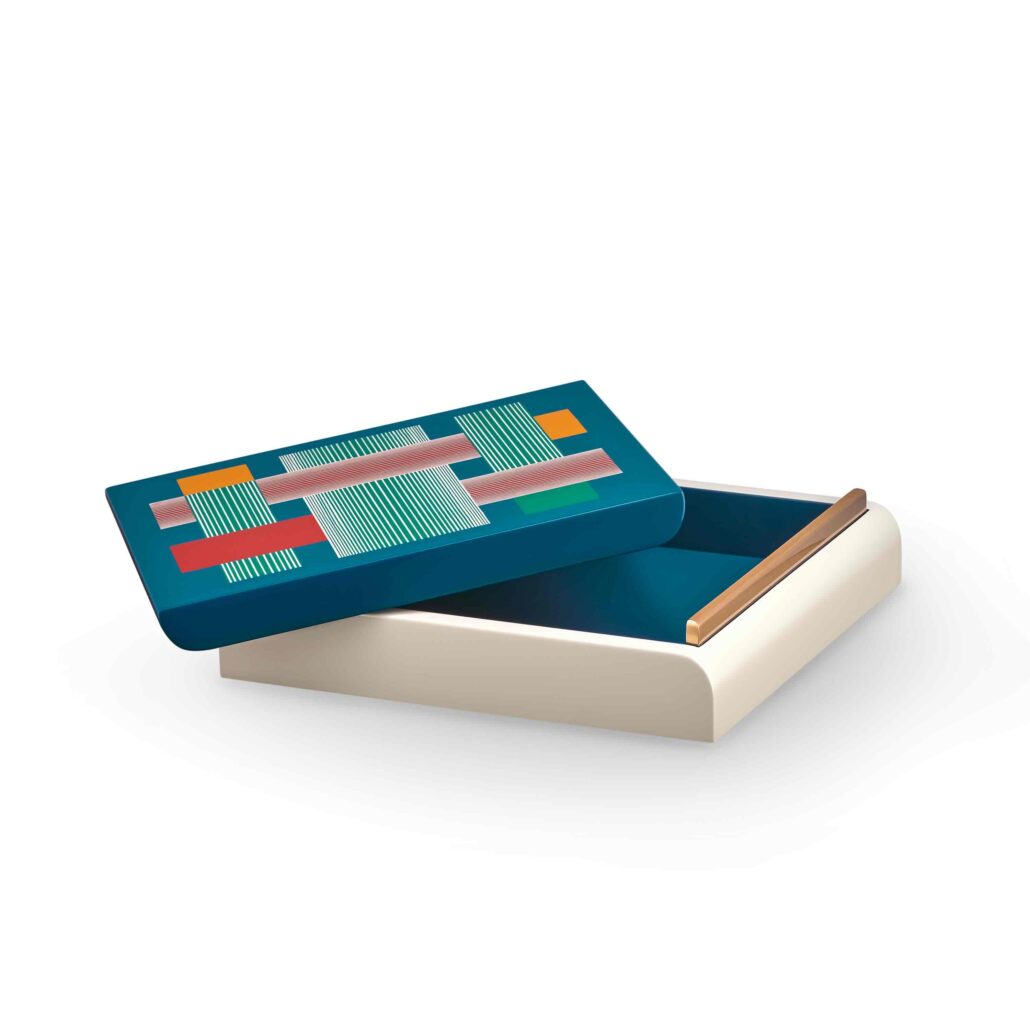
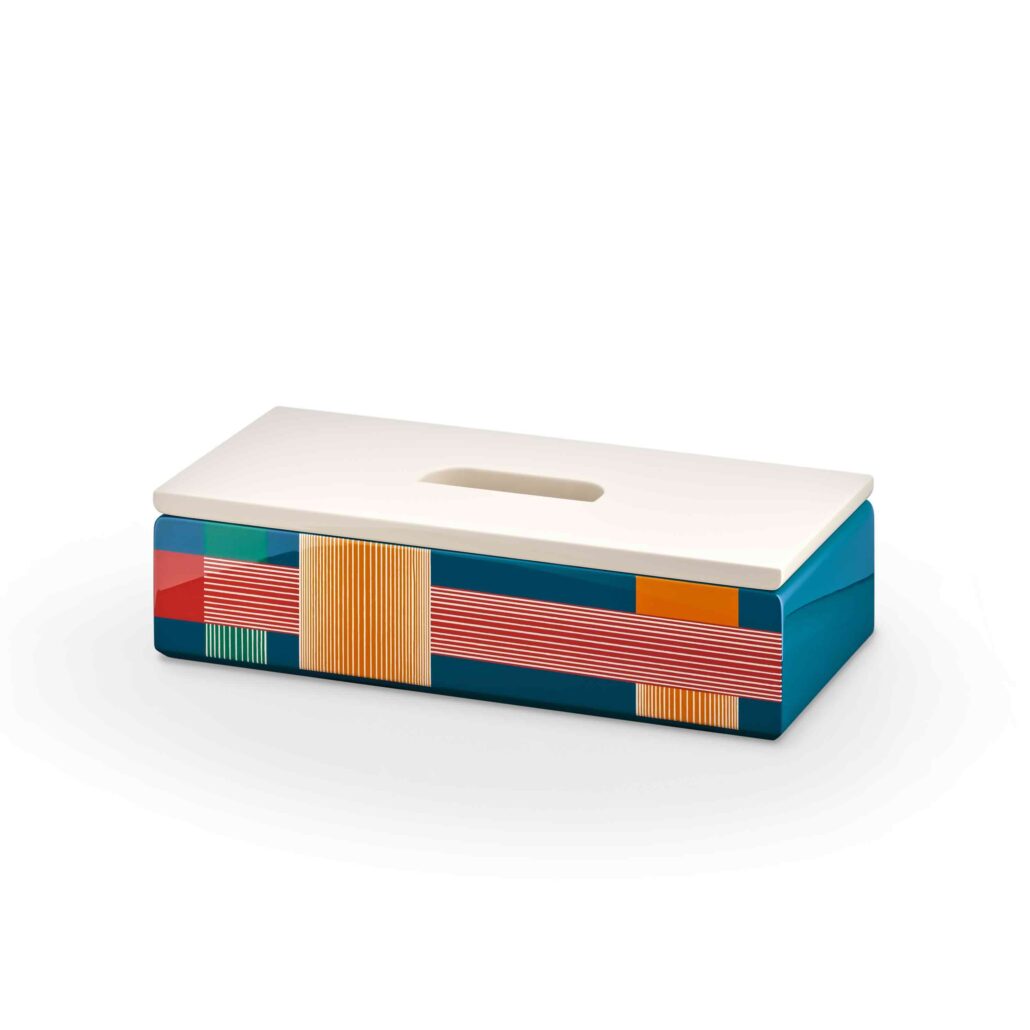
It is precisely this relationship with time that Hanoia places at the heart of its Paris presentation, entitled Layers of Time. The Maison, founded in Hanoi, presents decorative objects, jewellery and signature creations that offer a fresh perspective on Vietnamese lacquer. Far from a fixed, heritage-driven approach, lacquer becomes a medium for creative expression, capable of engaging in dialogue with design, art and contemporary lifestyles.
Layers of Time: When Material Tells the Story of Time
The choice of title is no coincidence. Layers of Time evokes both the physical layering of lacquer and the patience required to create it. Preparation, application, drying, sanding and polishing: each stage contributes to the emergence of the final form.
This succession of gestures gives the material its distinctive depth. Colour gradually takes shape, surfaces evolve and light shifts across them. At Hanoia, this technique also becomes a space for experimentation with colour, form, texture and light.
Lacquer is therefore no longer conceived merely as a finish. It becomes a language in its own right, capable of bringing to life objects designed for contemporary interiors, as well as creations that occupy the intersection of art, design and craftsmanship.
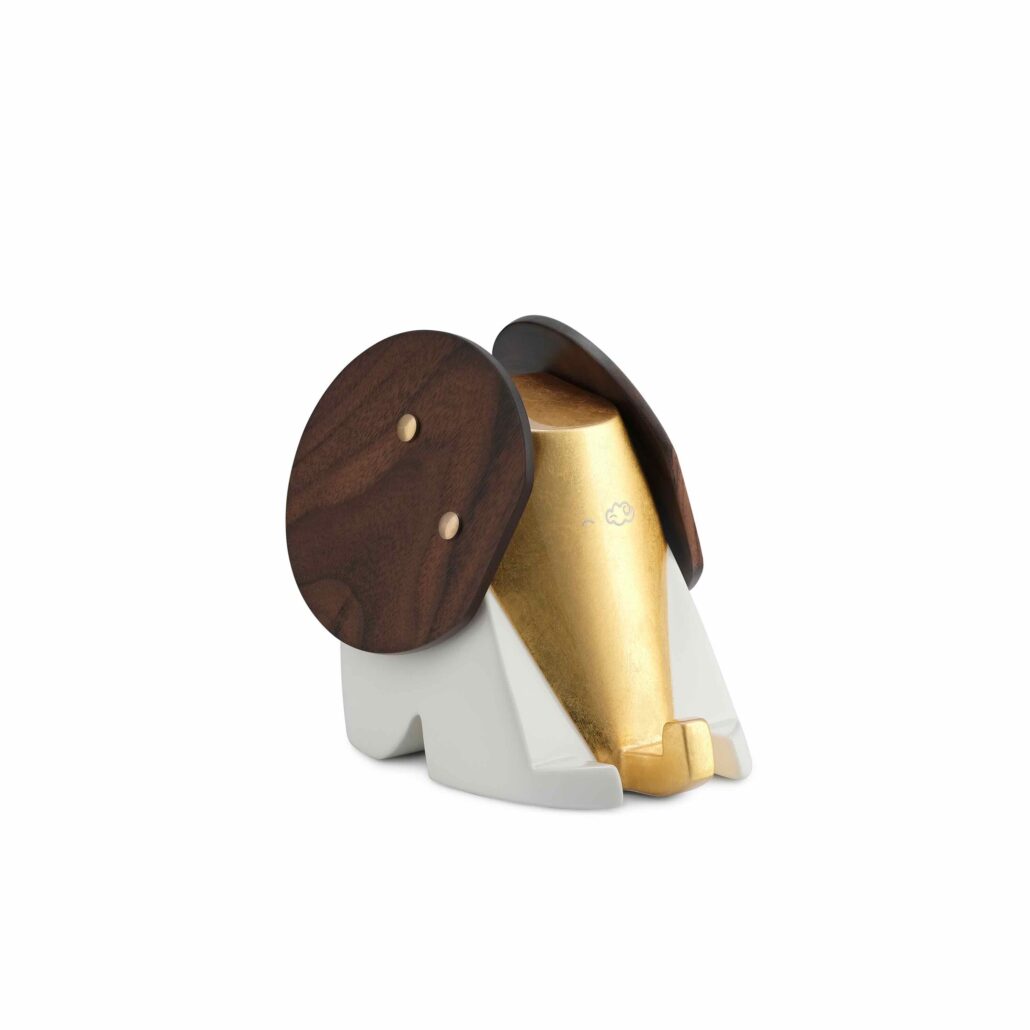
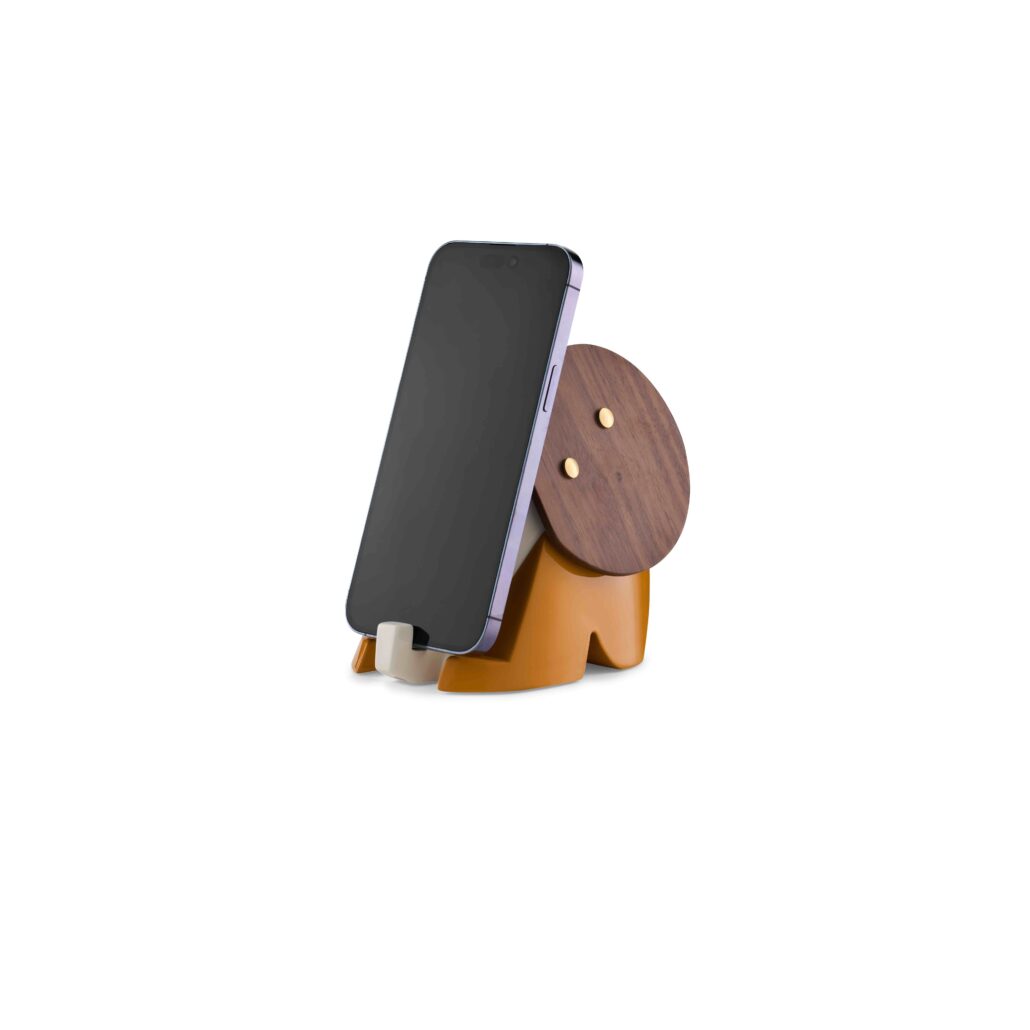
Hanoi: An Origin That Has Become a Creative Territory
The story of Hanoia begins in Hanoi, where knowledge of lacquer forms the foundation of its craftsmanship. The Maison draws on this heritage to develop an approach that embraces collaboration and international exchange.
Its in-house studio brings together French and Asian designers, while Hanoia works with creators in Vietnam and around the world. Among them are Pierre Charrié, Samuel Accoceberry, Couli Jobert, Ly Bui, Camelia Pham and Marie-Aurore Stiker-Métral.
This openness is also reflected in projects with maisons and artists from a variety of creative backgrounds. Hanoia notably conceived a limited-edition collection with Maison Kitsuné for Lunar New Year. It has developed creations for special editions by Chopard in Vietnam, and collaborated with Devialet on the Phantom Ultimate 108 dB x Hanoia, whose lacquer finish brings this traditional craft into the world of technology and sound design.
The Maison also collaborates with guest artists such as Trần Nữ Yên Khê, Gilles Jonemann and Guillaume Delvigne. These encounters are gradually expanding the boundaries of lacquer into new objects, new applications and new creative disciplines.
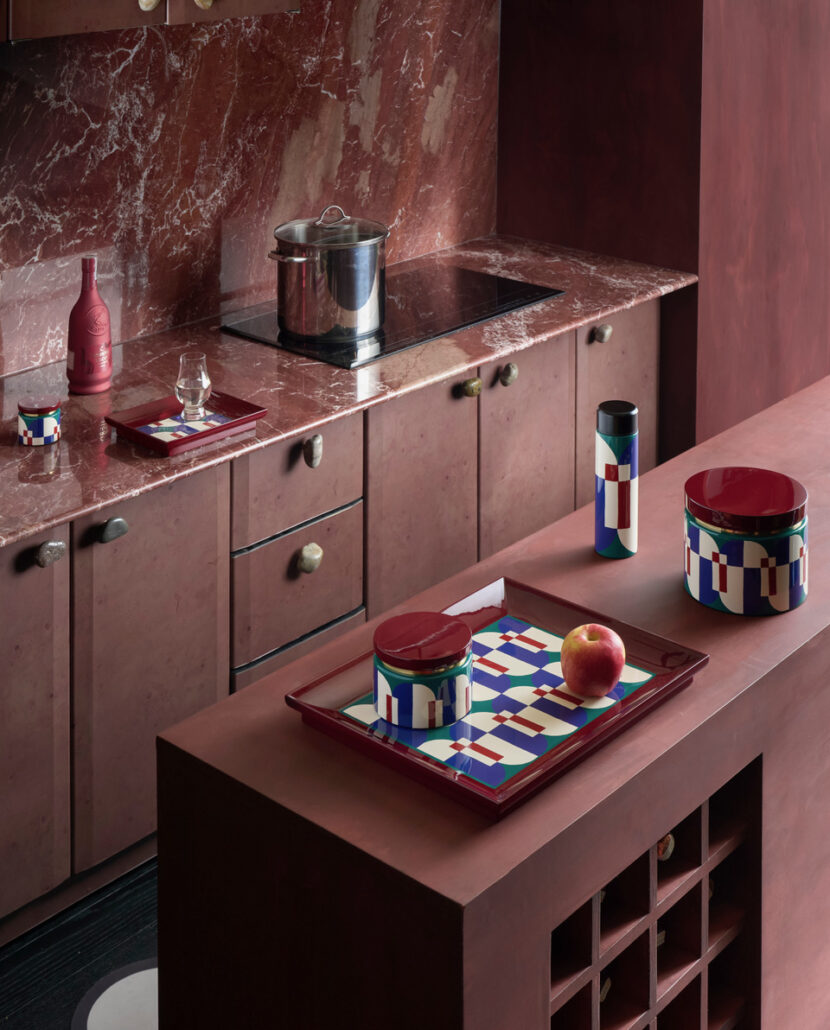
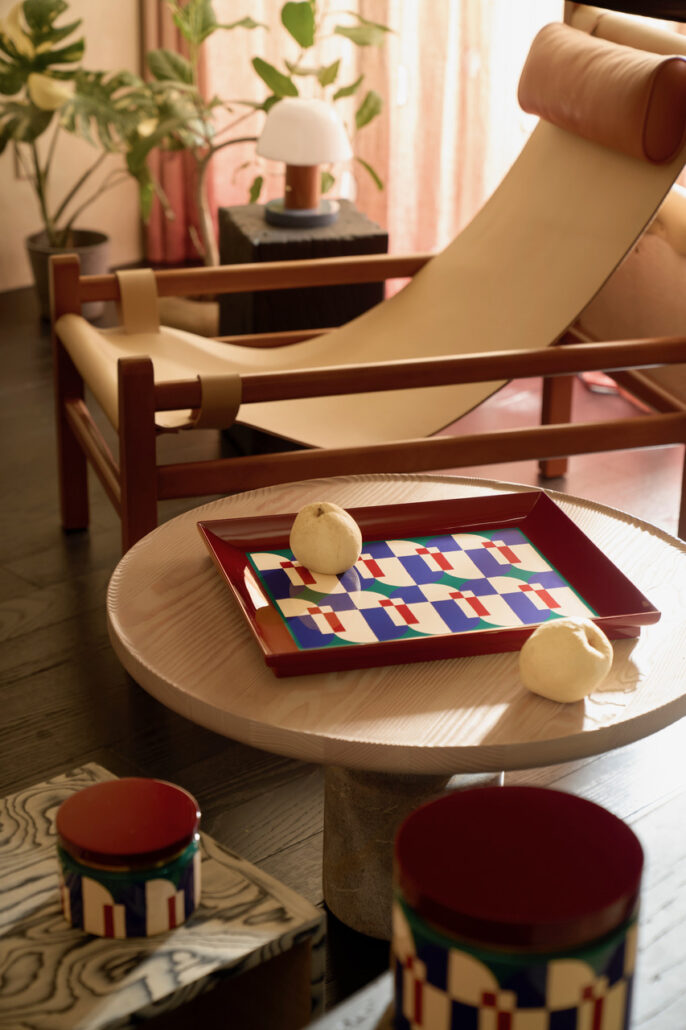
From Heritage to Contemporary Craftsmanship
Through this approach, Hanoi emerges as more than simply a place of origin: it becomes a territory where heritage and contemporary creation coexist. The city embodies a culture of materials, craftsmanship and transmission whose legacy Hanoia embraces, while seeking to extend its possibilities.
In this respect, Paris provides a natural setting for such an encounter. The French capital has long maintained a close relationship with the métiers d'art, design and craftsmanship from around the world. By presenting its universe here, Hanoia is not simply seeking to showcase Vietnamese lacquer; it offers a contemporary interpretation, open to collaboration and modern sensibilities.
As Christian de Ruty, CEO of Hanoia, explains, the Maison wishes to present lacquer in Paris “not as a frozen tradition, but as a contemporary language of colour, form, touch and time”.
Preserving Craftsmanship to Imagine Tomorrow
This reflection on time ultimately connects with another dimension of Hanoia's work: transmission. Preserving the gestures and knowledge associated with lacquer contributes to a broader reflection on sustainability and on the ability of traditional crafts to endure across generations.
Between Hanoi and Paris, Layers of Time thus tells a story of material as much as one of transmission. A reminder that craftsmanship is never static: it evolves, engages with new uses and, with each generation of creators, discovers new ways of expressing itself in the present.