






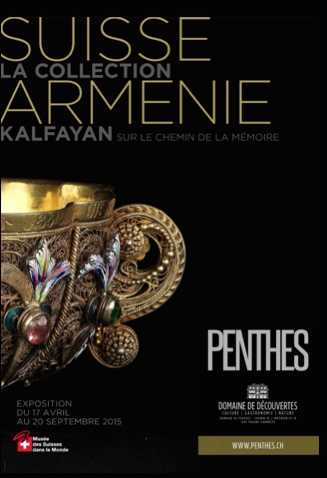
The Museum of the Swiss in the World in Geneva is exhibiting the Kalfayan collection until September 20, 2015.
This collection focuses on Armenian art from the late 16th to the 19th centuries, on significant objects produced by Armenian artists or artisans. Manuscripts, textiles, Chinese porcelain, ceramics, and jewelry reveal the various facets of Armenian history.
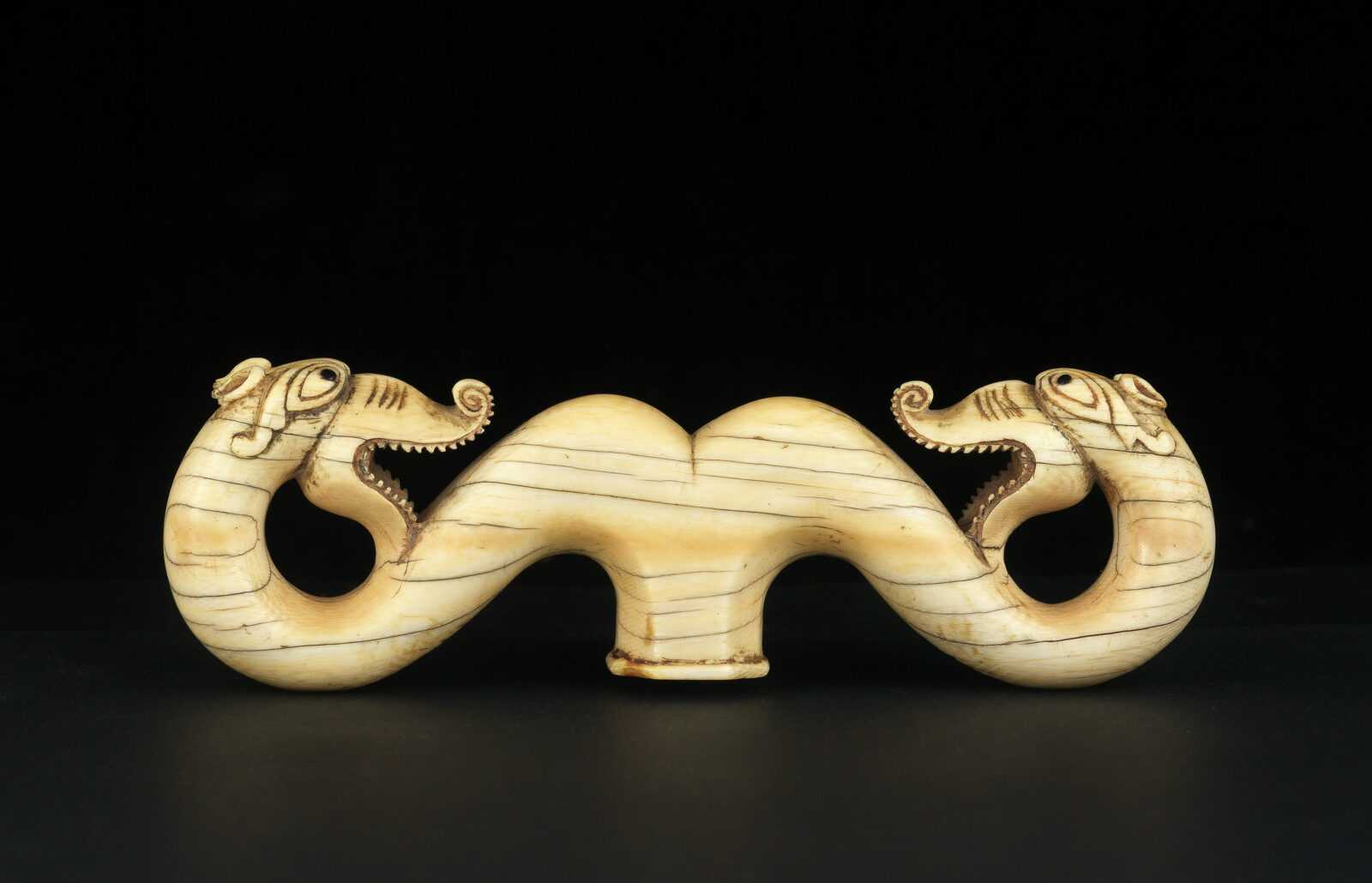
Ivory around 1650
© Thanos Kartsoglou – Seagullworks studio
«A crossroads of cultures in the East, between Europe and Asia, between the Christian and Muslim worlds, Armenia is rich in its past, and the Kalfayan collection, presented at the Swiss Museum of the World, is a reflection of this artistic wealth, the result of the blending of Armenian, Persian, Syrian or Byzantine know-how.»Charles Aznavour
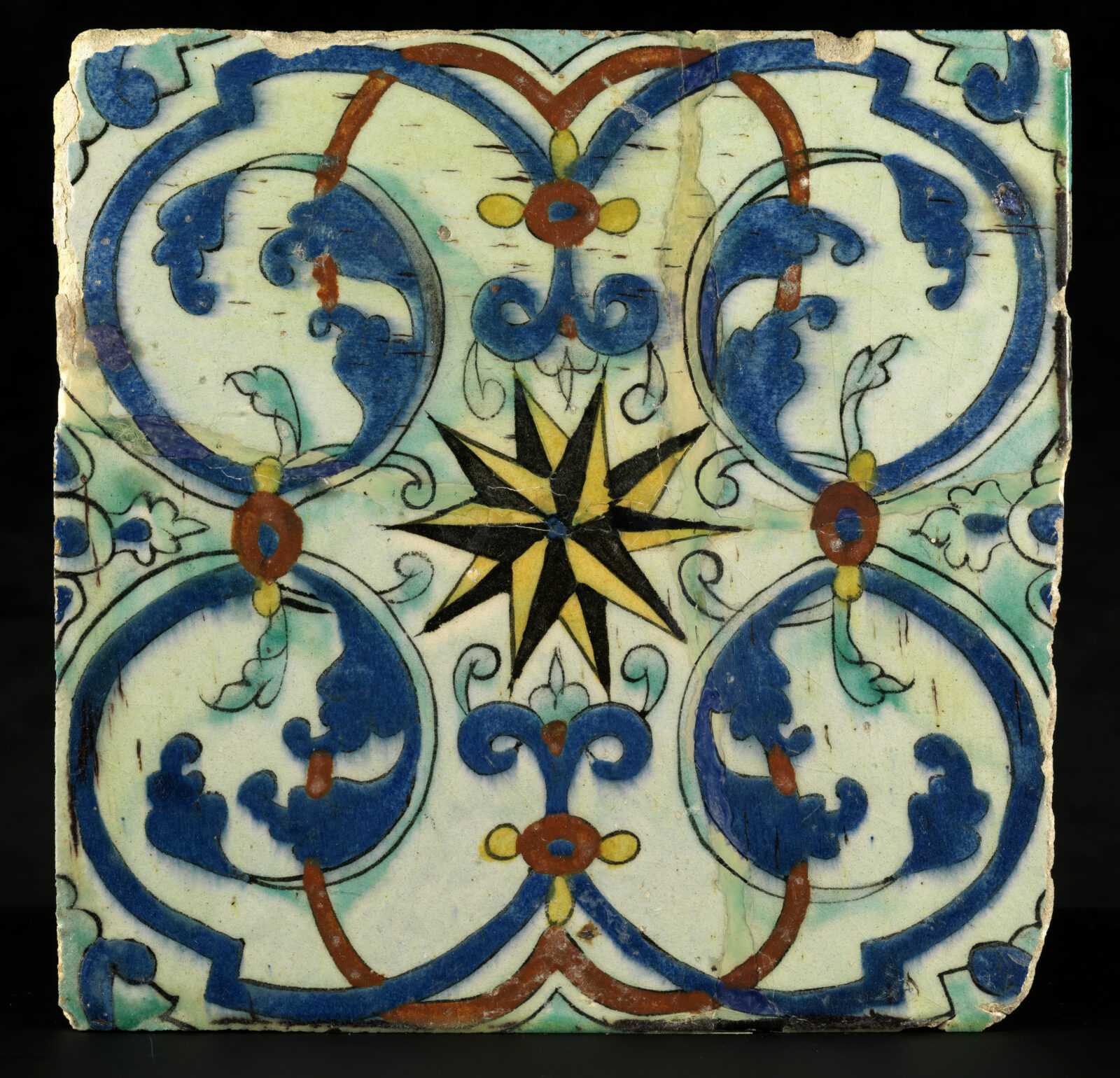
© Thanos Kartsoglou – Seagullworks studio
The Armenians were known in the Middle Ages for their skills in jewelry making. Centuries later, Armenian jewelers excelled in their art in Ottoman Constantinople, and held important positions in the sultan’s court. The jewelers of the capital came mainly from the region of Van and Vaspourakan on the eastern Anatolian plateau. This territory, located in the heart of Armenia, came under Ottoman control in the mid-16th century. The first wave of emigration of Armenian jewelers from Van to the capital appears to have begun at this time.
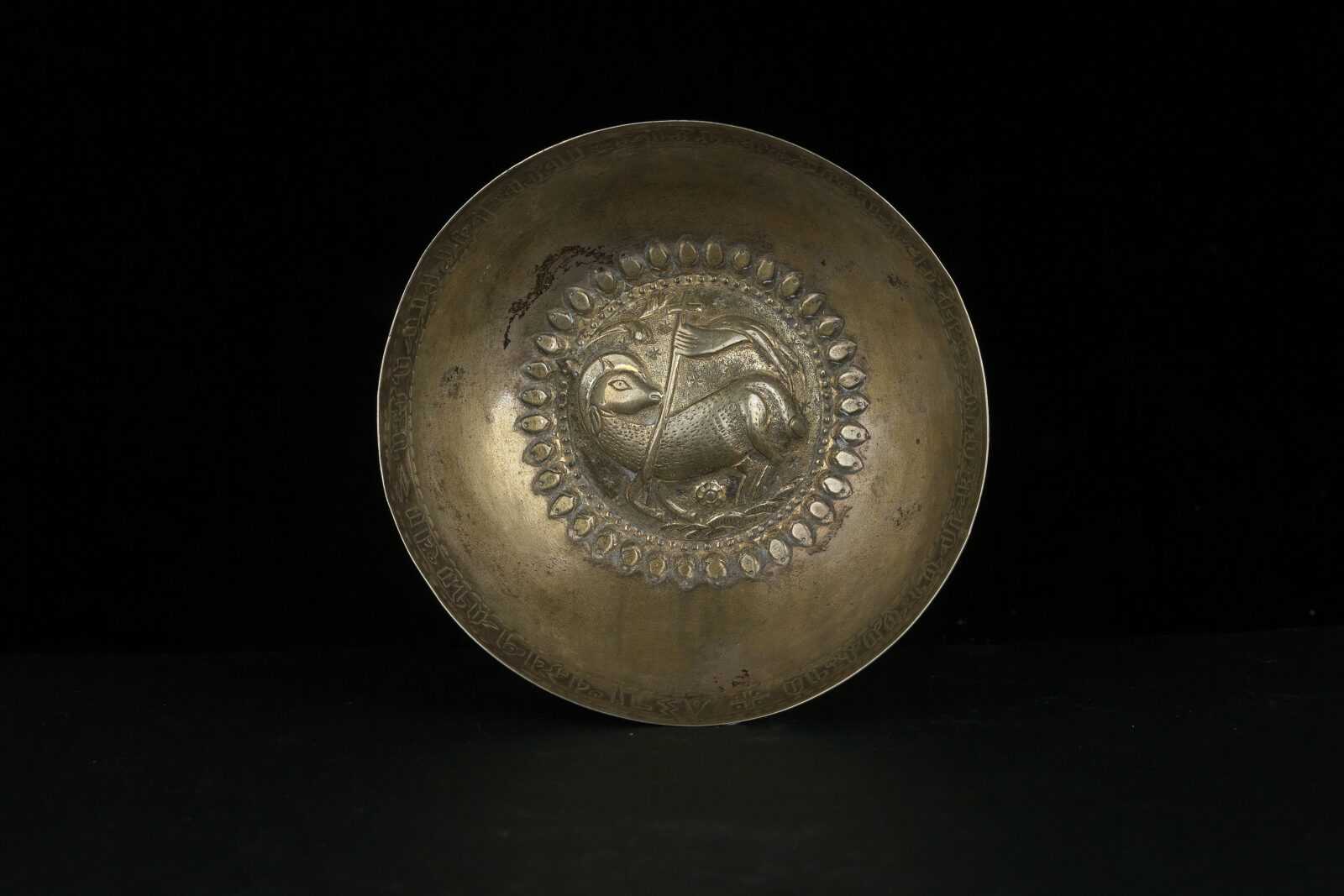
Around 1730
© Thanos Kartsoglou – Seagullworks studio
The majority of the works of the Armenian goldsmiths that survived the destruction or re-use were intended for religious use and date back less than three centuries.
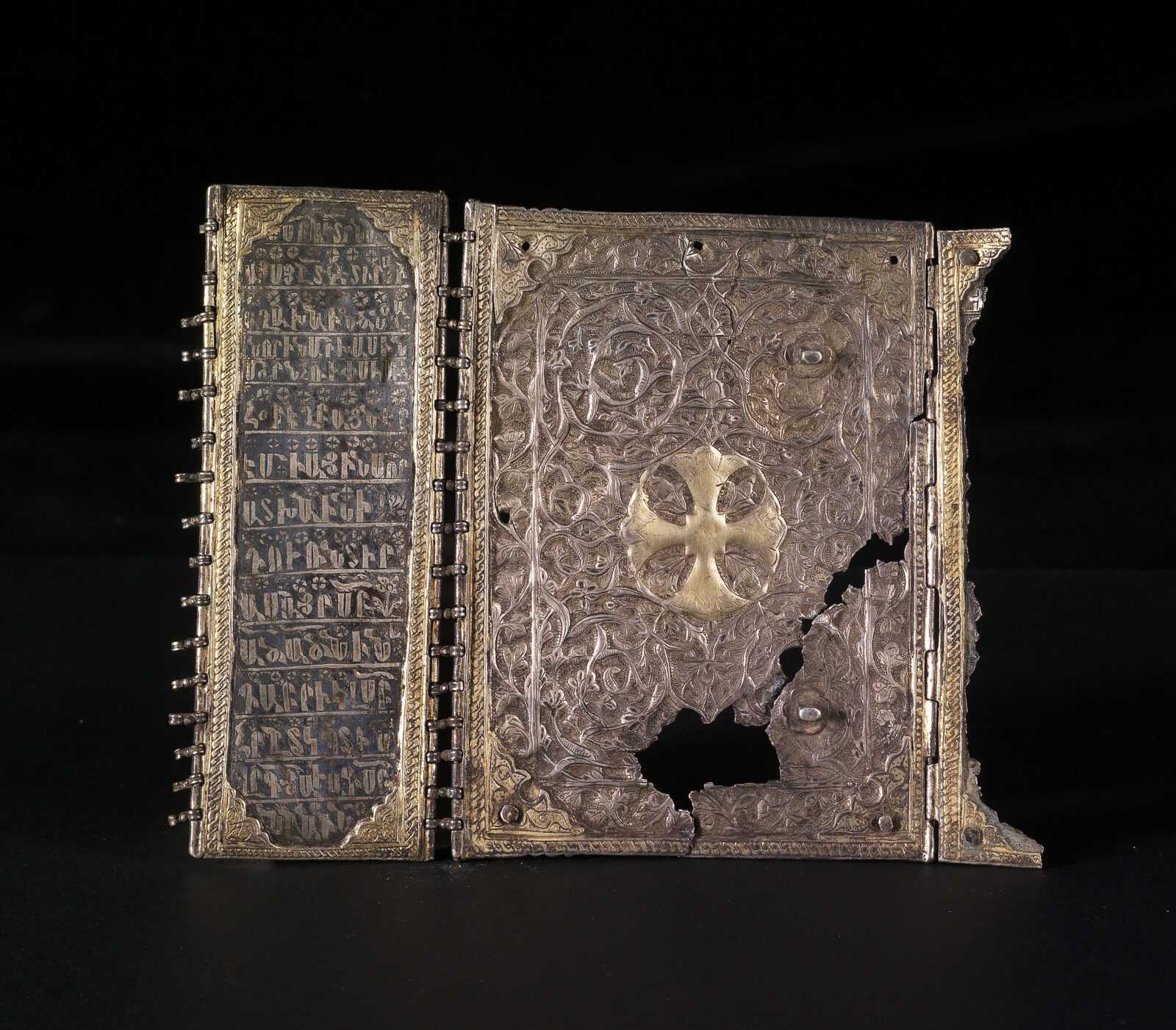
17th century
© Thanos Kartsoglou – Seagullworks studio
Ecclesiastical goldsmithing reflects the artistic, economic, and social trends of the time.
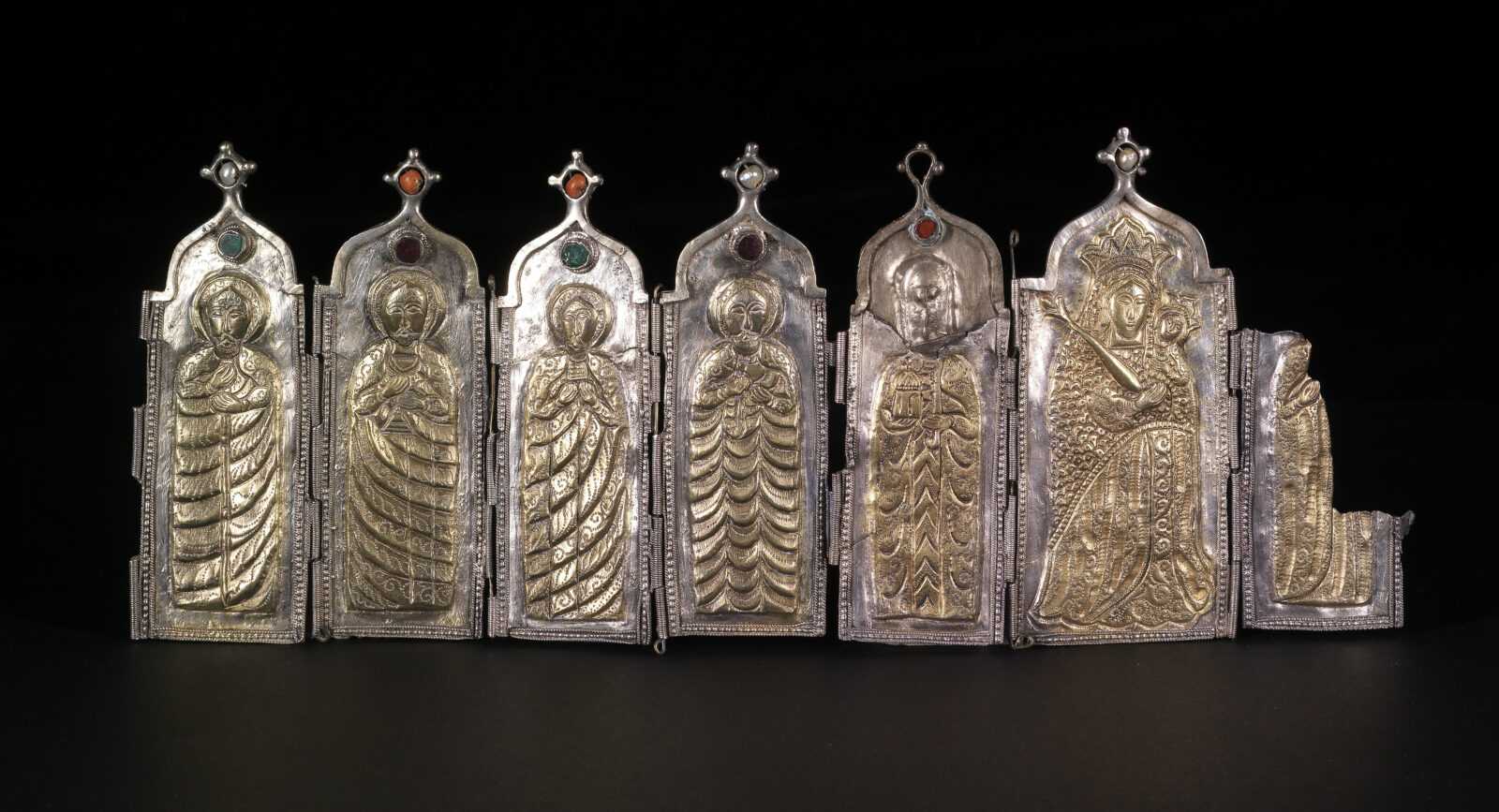
17th century
© Thanos Kartsoglou – Seagullworks studio
From the 18th century onwards, and particularly in the 19th century, the production of goldsmiths’ wares became more uniform under the increasingly greater influence of the workshops in the urban centers, which thus supplied the provinces.

© Thanos Kartsoglou – Seagullworks studio
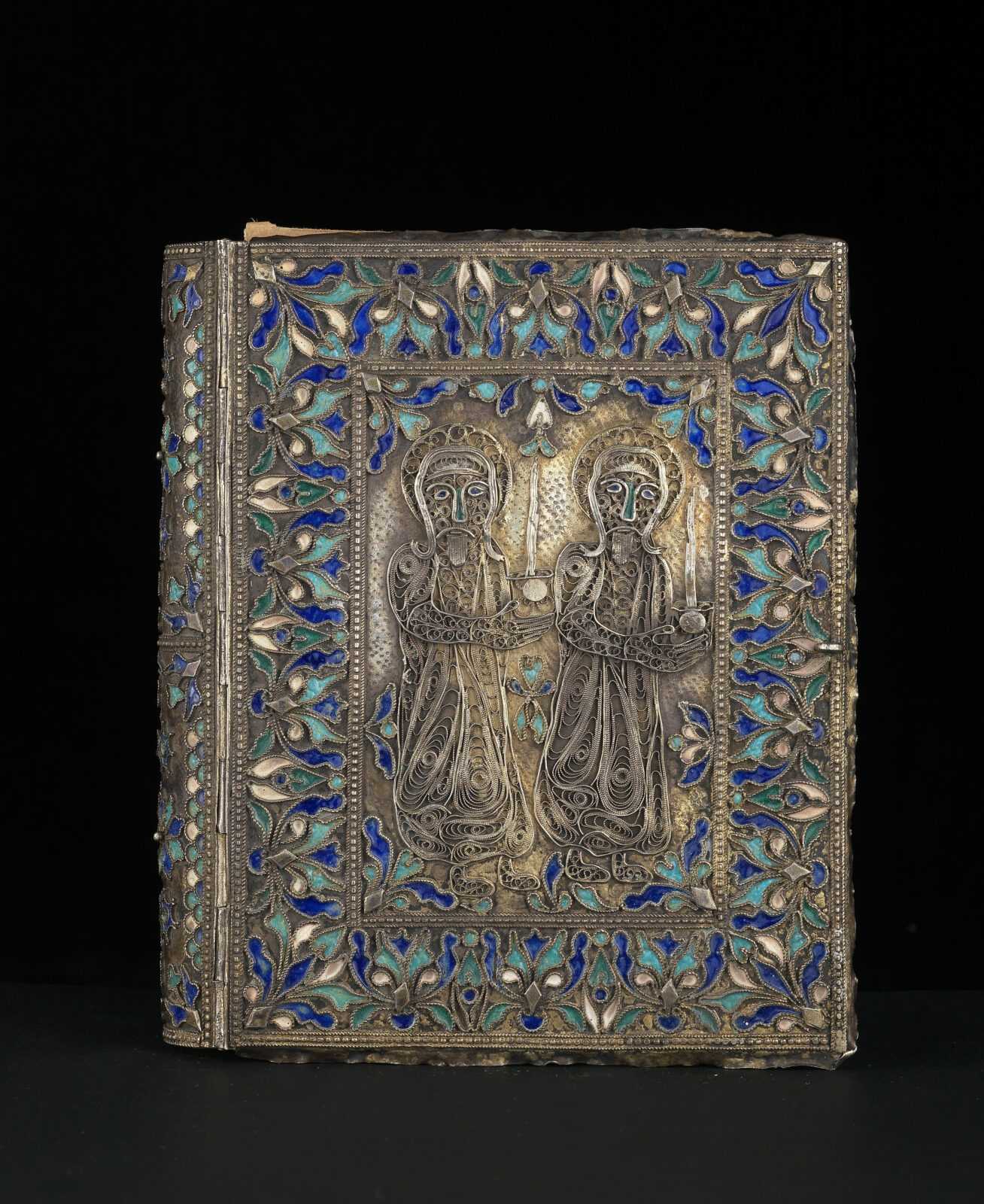
© Thanos Kartsoglou – Seagullworks studio
In a certain way and outside of the 16th and 17th centuries, a same factor of standardization existed earlier in Ottoman art combined with local iconographic traditions that survived in different forms. During the late period, the Baroque and Rococo styles prevailed as common factors, while religious, local, and ethnic characteristics expressed themselves through Western art and iconography.
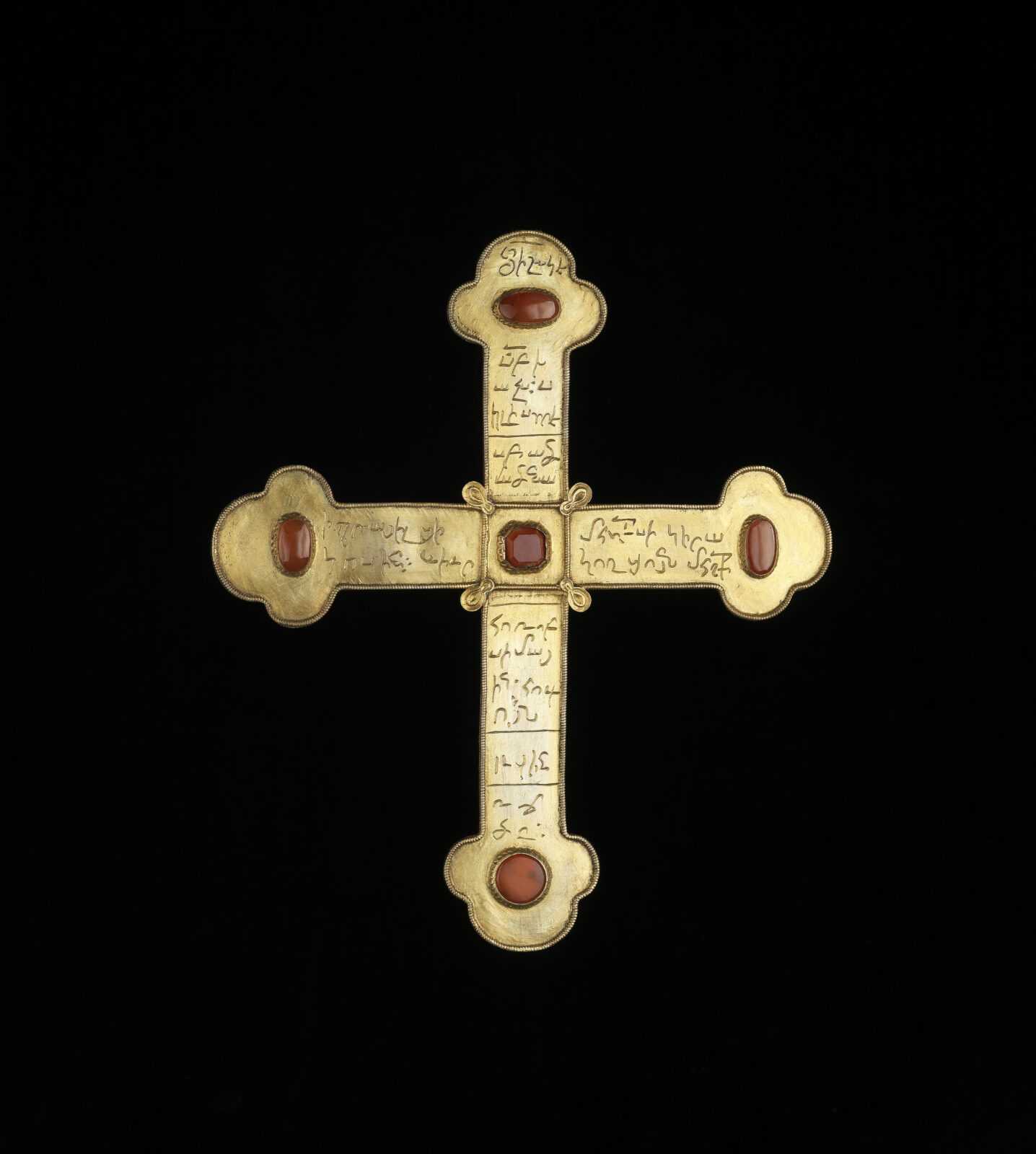
© Thanos Kartsoglou – Seagullworks studio
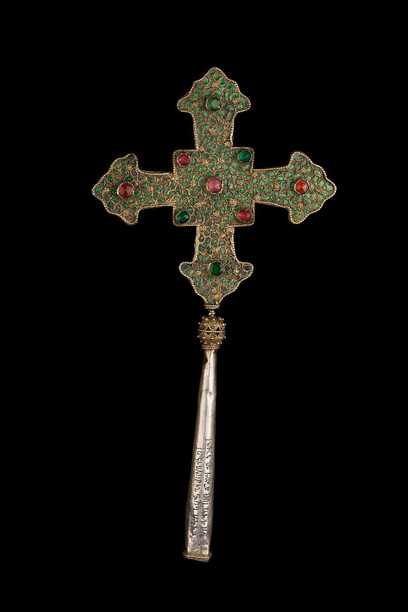
Silver, Fine Stones 1745
© Thanos Kartsoglou – Seagullworks studio
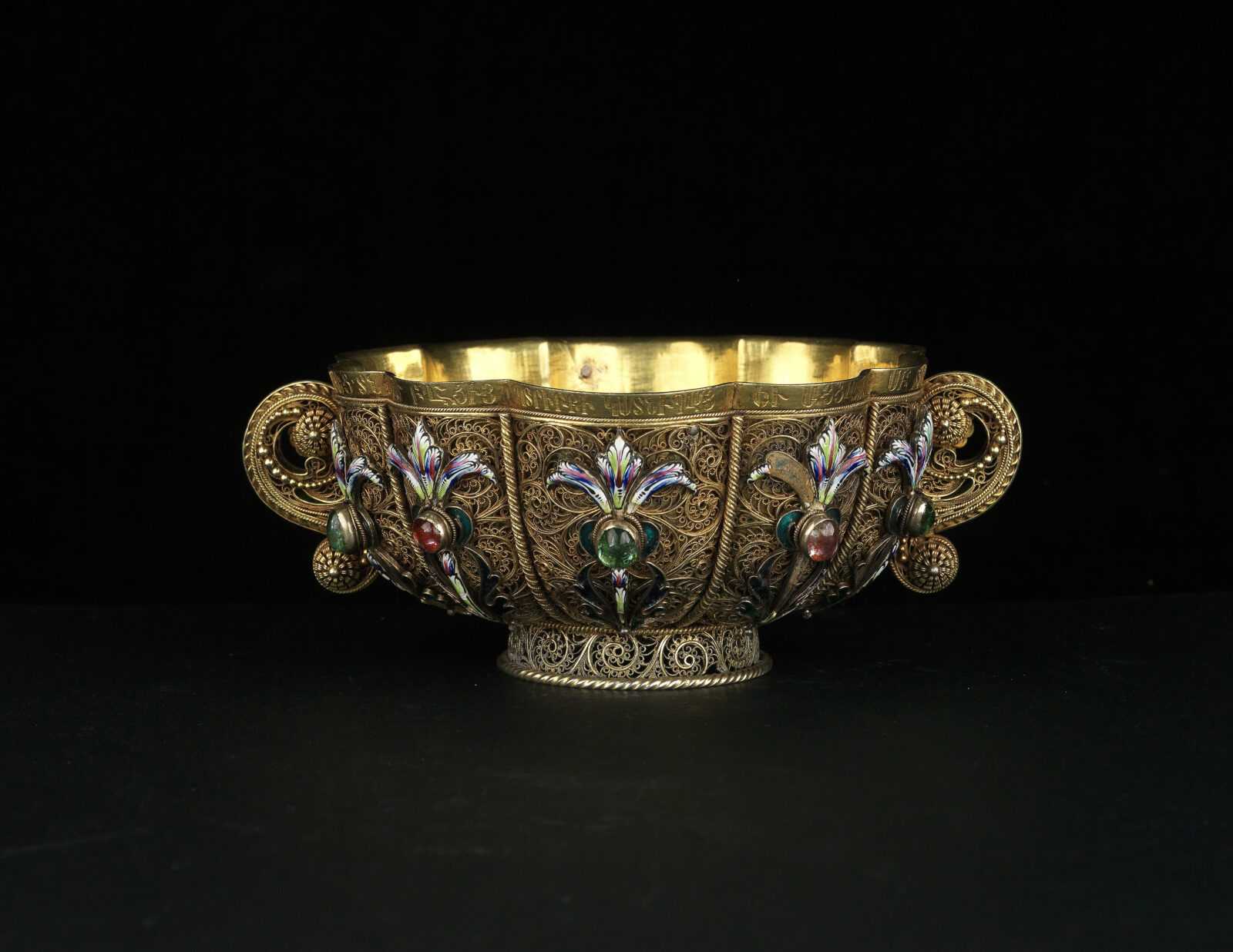
Silver, Gold, Polychrome enamel, Fine stones
18th century
© Thanos Kartsoglou-Seagullworks studio
A beautiful exhibition that reminds us of the need to preserve history, heritage and the memory of a culture. A chance to admire these works of art, jewelry, which reflect Armenian history.
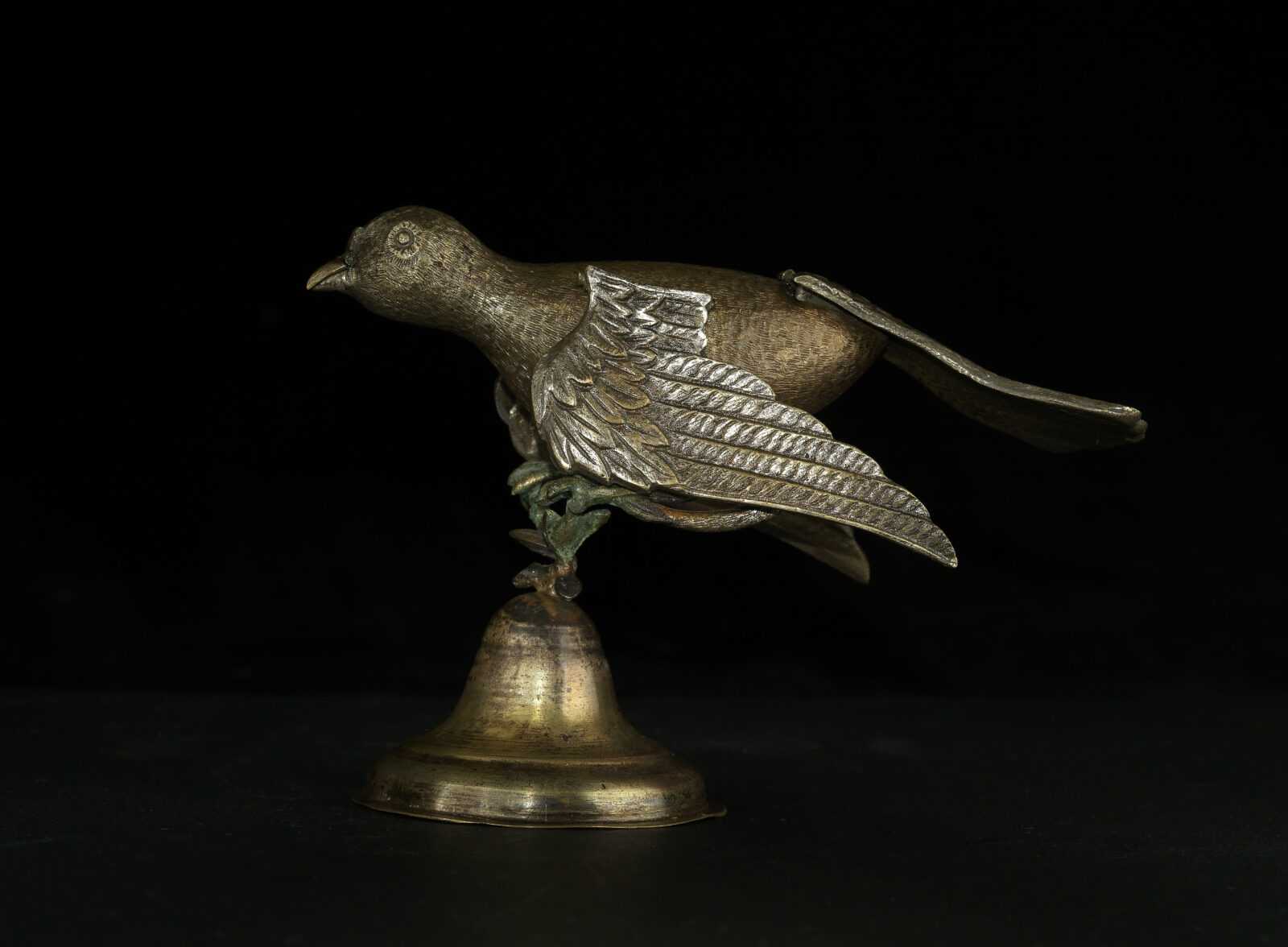
19th century
© Thanos Kartsoglou – Seagullworks studio
Château de Penthes
18, chemin de l’Impératrice
Pregny-Chambésy 1292 Switzerland
www.penthes.ch/musee