






Apollo Day at the Space City.
The Space City To celebrate the 50th anniversary of the «first step of a man on the Moon», Esprit Joaillerie had the great privilege of having a conversation with Claudie Haigneré, the first European woman astronaut, Matthias Maurer, an astronaut and geologist preparing for the next lunar mission, and Sylvestre Maurice, an astrophysicist, planetaryist and inventor of the most famous laser camera «ChemCam» that is currently on Mars.
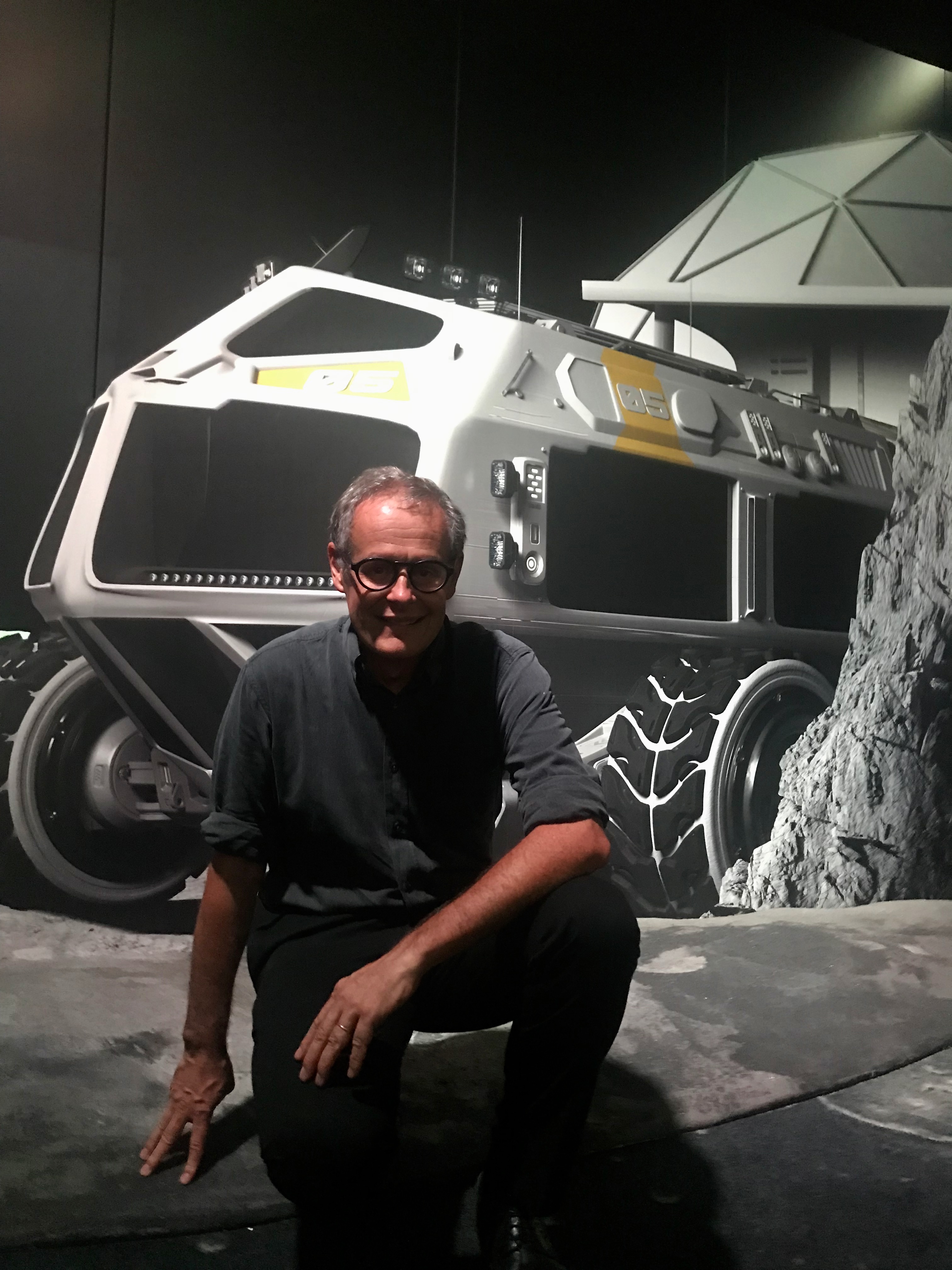
Space City
© Esprit Joaillerie
Sylvestre Maurice, what type of rock was discovered on the Moon ?
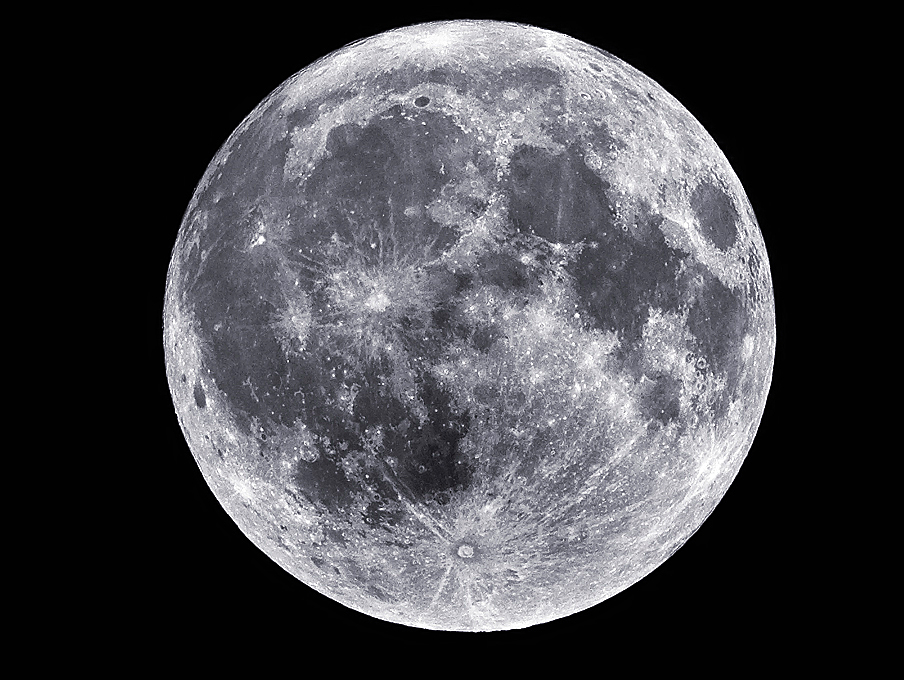
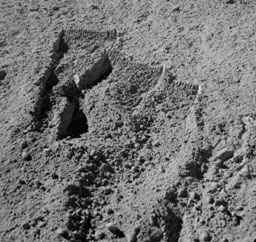
First of all, it must be said that the surface of the Moon is called Regolithe. It is a layer of dust and rocks about 6 meters thick.
Moreover, as the Moon It has no atmosphere; all bodies that move in its direction come into contact with it at very high speed and fracture the soil. This fine grain resulting from the fracturing due to impacts is also impacted by the solar wind. It deposits hydrogen and helium, «aging» the rock a little more by making it darker. A lot of oxide, aluminum, and calcium have been found; more specifically, in mineralogy, there are mineral phases such as Silicates, Pyroxenes, Oxides, Olivines, and Feldspaths…
There is little quartz, but Oxydes like Ilmenite (FeTiO3) and the Apatites (Ca5(PO4)3(F,OH,Cl)).
© NASA
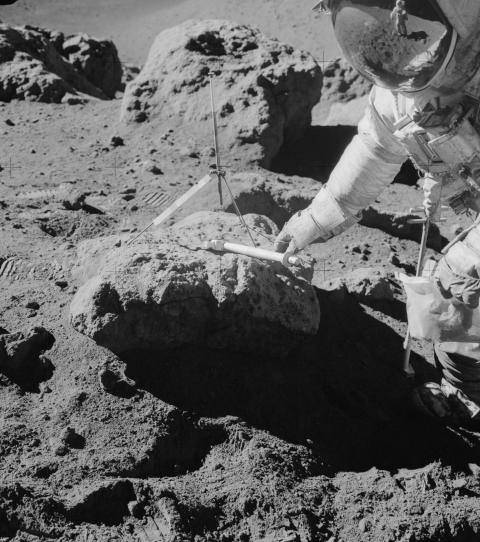
It is a mineralogy very similar to Earth but with a narrower spectrum. To continue these studies of lunar rocks and better understand the lunar soil, we are fortunate to have a treasure, the 382 kg sample of lunar soil Regolithe Apollo and the 1 kg of the Luna missions, and soon, at the end of the year, Chinese samples from Chang’e 5. The soil in lunar orbit at an altitude of about 30 km is also analyzed by spectrometry up to infrared, but nothing beats the samples.»
© NASA
Is there a Lunar stone that has caught your attention?
«But yes! This year we made a beautiful discovery in the lunar samples: a terrestrial meteorite!
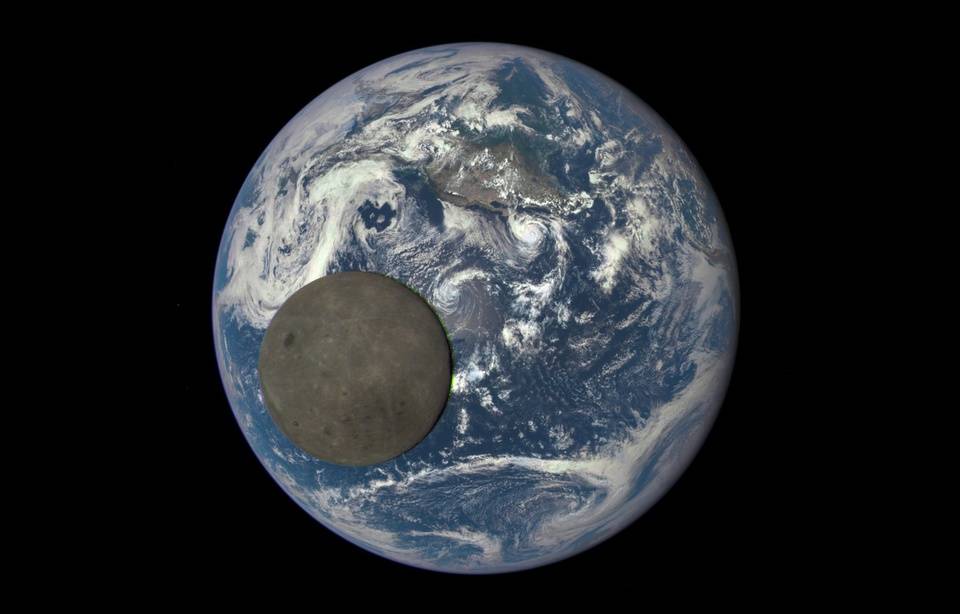
It is probably the oldest stone from Earth. It resulted from a strong impact that occurred on Earth about 3.7 billion years ago and was ejected towards the Moon, »It's a stone that you wouldn't find on land because there is too much erosion."
© NASA
Can you tell me a little about the Martian soil?
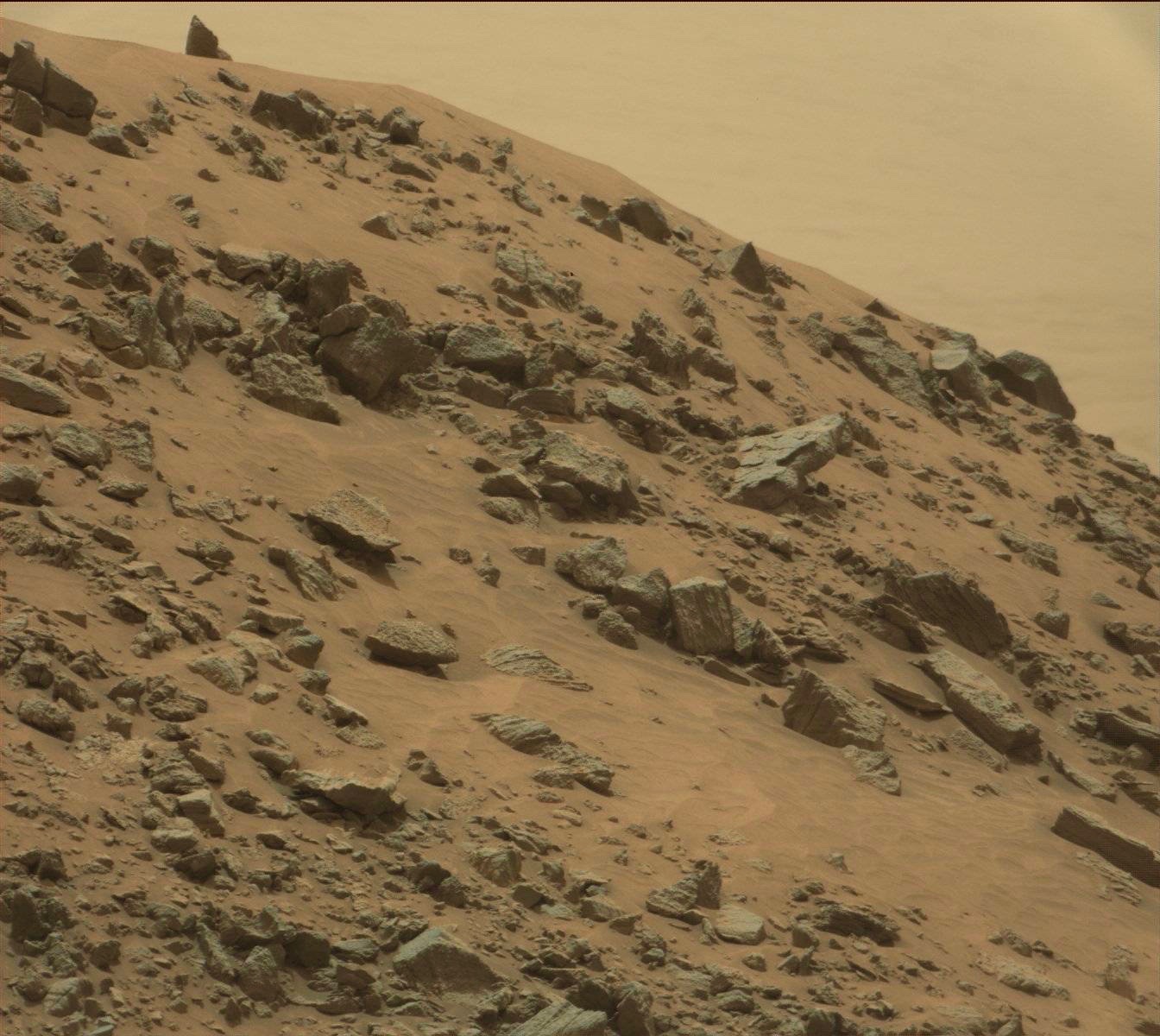
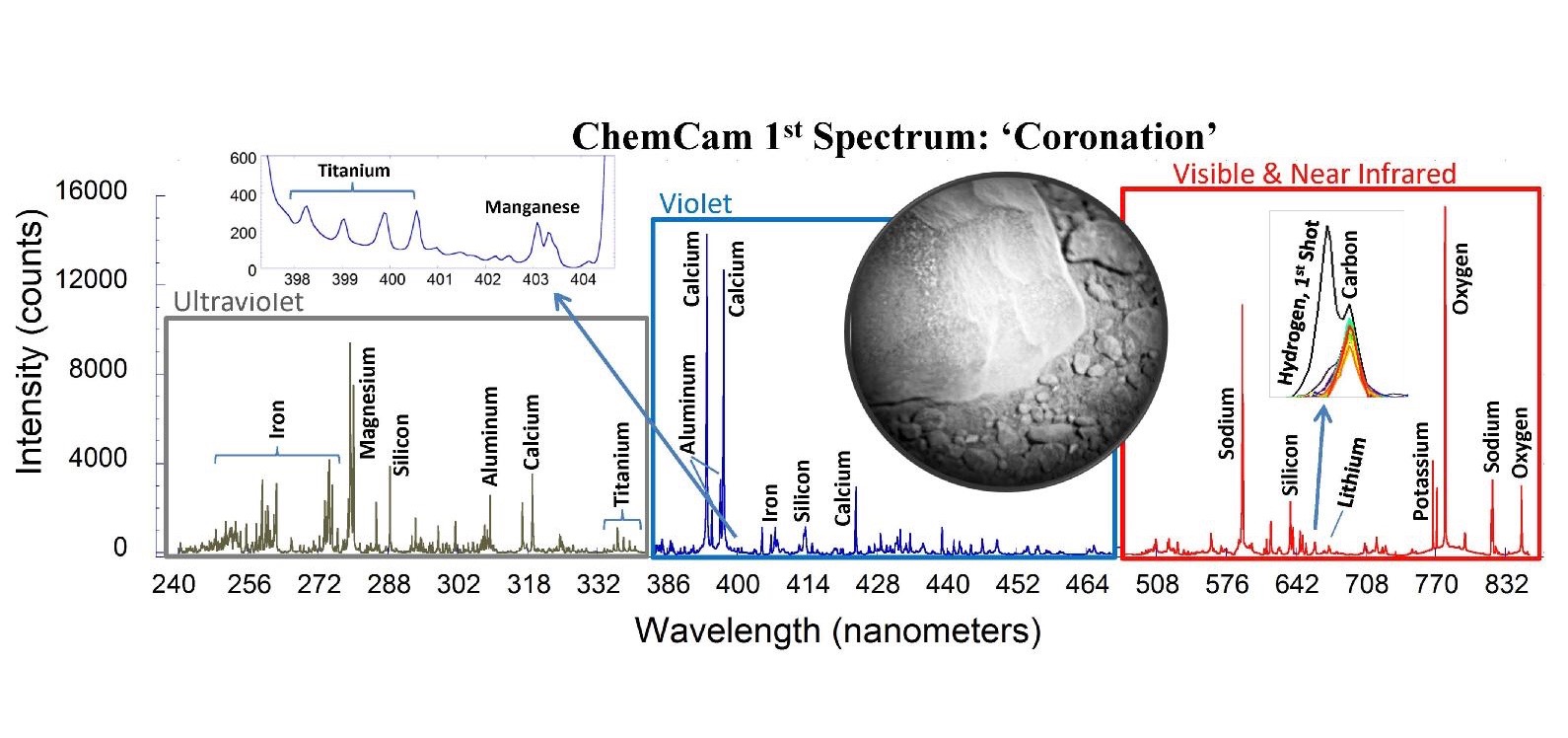
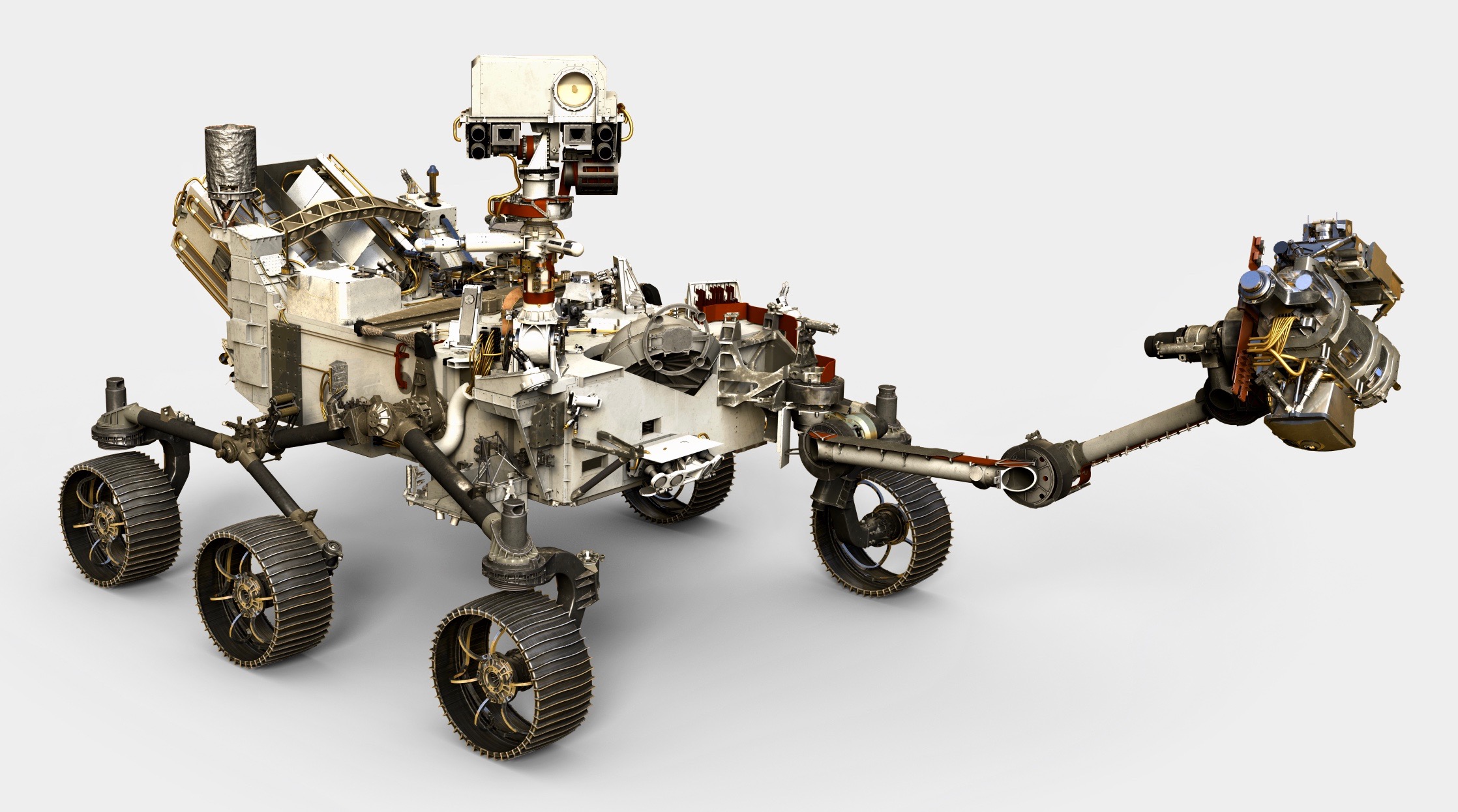
«Since 2012, the man has been on Mars thanks to Curiosity and the Laser «ChemCam» made in France. We have therefore been able to analyze the Martian rocks; with each laser shot, we have the proportion of iron, aluminum, silicon, oxygen..»
© NASA/JPL-Caltech/MSSS
What was the first Martian rock analyzed by ChemCam?
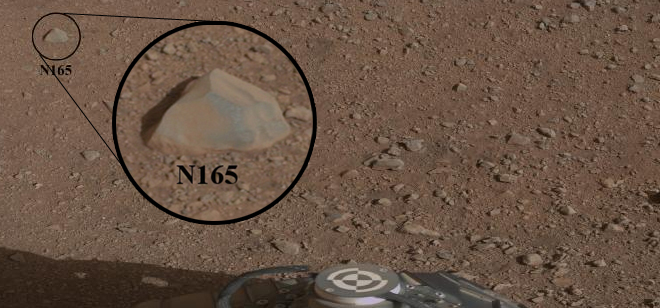
« Coronation is the first Martian rock that we have analyzed 13 sols after it landed on Mars (August 19, 2012), an impressive moment because it was the first time that we had, at such a long distance, the exact composition of a rock, basalt.
© NASA/JPL-CALTECH/MSSS/LANL
© NASA/JPL-CALTECH/MSSS/LANL
This laser will be able to tell us how the minerals on Mars are associated with each other, the mineral phases such as carbonate, silicate, quartz...
This green laser vibrates the molecules; it is accompanied by a spectrometer.»
© NASA/JPL – CALTECH (10/01/2017)
Do you have a nice Martian stone story to tell us?
«Imagine a Martian meteorite that, upon impact, leaves Mars and slowly drifts through space until it falls on Earth. This Martian meteorite is at the Cité de l’Espace in Toulouse, It’s Luc Labenne, a meteorite hunter, who picked it up and brought it to us.
Well, this meteorite, I entrusted it to Thomas Pesquet, who took it on the ISS and then Thomas brought it back to Earth.
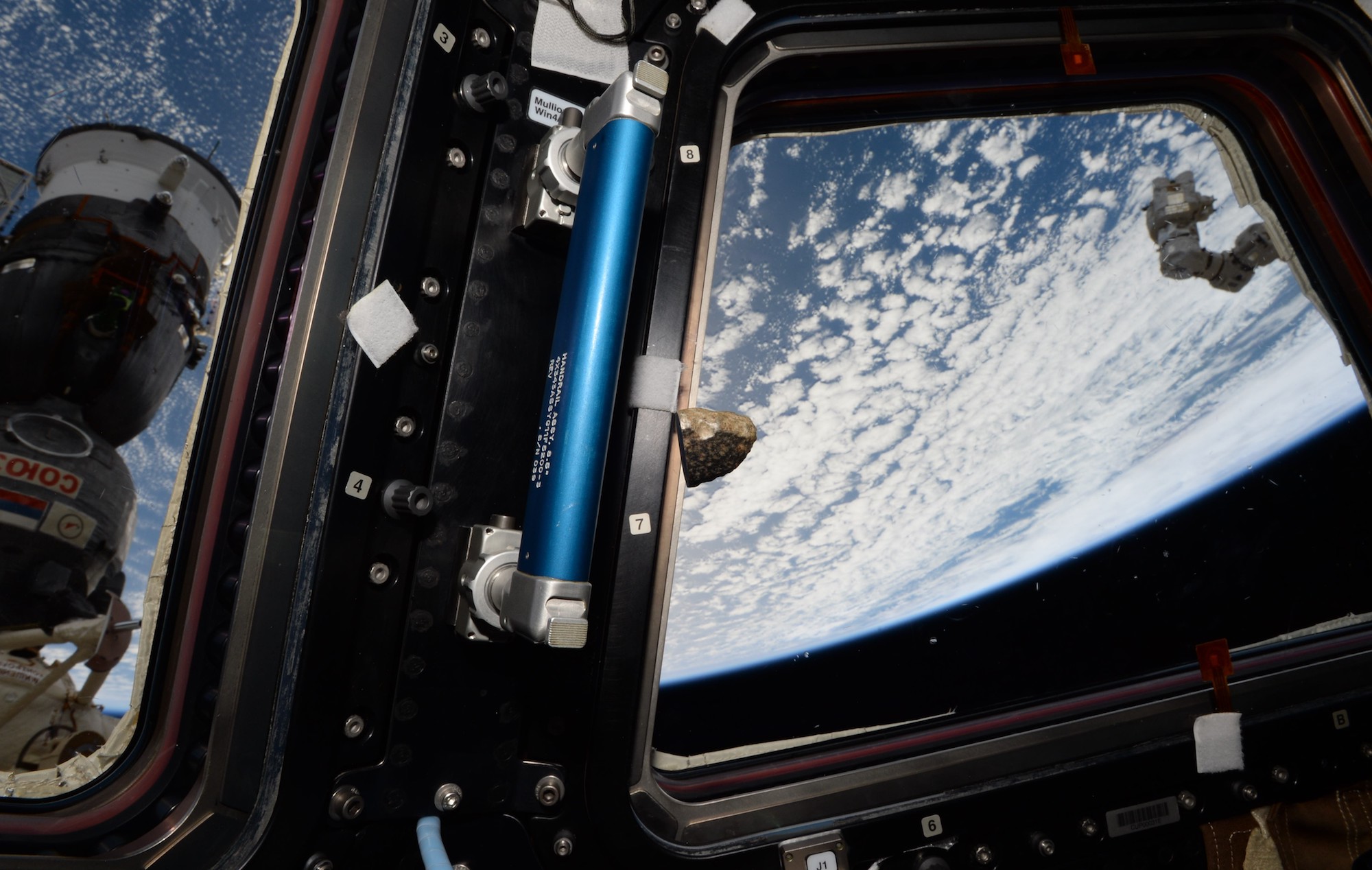
© ESA/Thomas Pesquet
We have divided it into three parts.
Some will return to Mars with SuperCam To calibrate the new camera, the second one was handed over to Thomas Pesquet by the Space City and the CNES in June 2019 to fuel his dream of space.
In 2020, the next laser « SuperCam »It will take off for Mars and will be able to do mineralogy in addition to chemistry on Mars.
Finally, the third is exposed to the Space City with a testimony from Thomas Pesquet during his mission in space explaining what this stone represents to him; the future of space exploration:
the collaboration between humans and robots.
It is a beautiful stone story because it will have passed through the Earth’s atmosphere four times and the Martian atmosphere twice.»
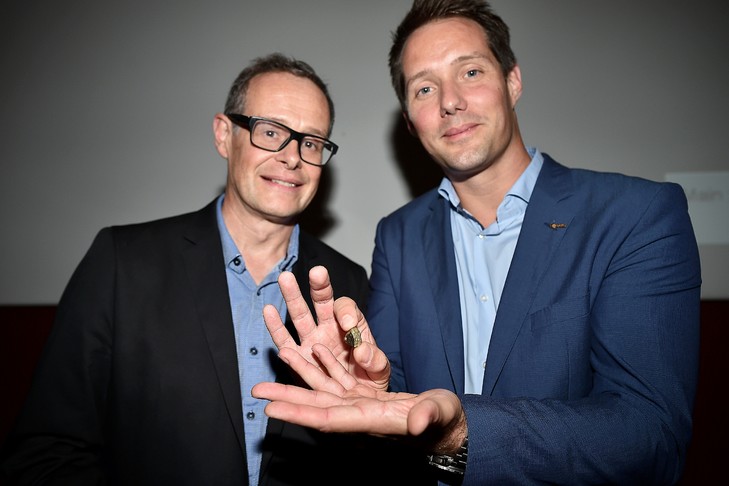
© Space City
Esprit Joaillerie continued this day with Matthias Maurer, the German astronaut of the’ESA, a geologist who will be part of the next lunar exploration.
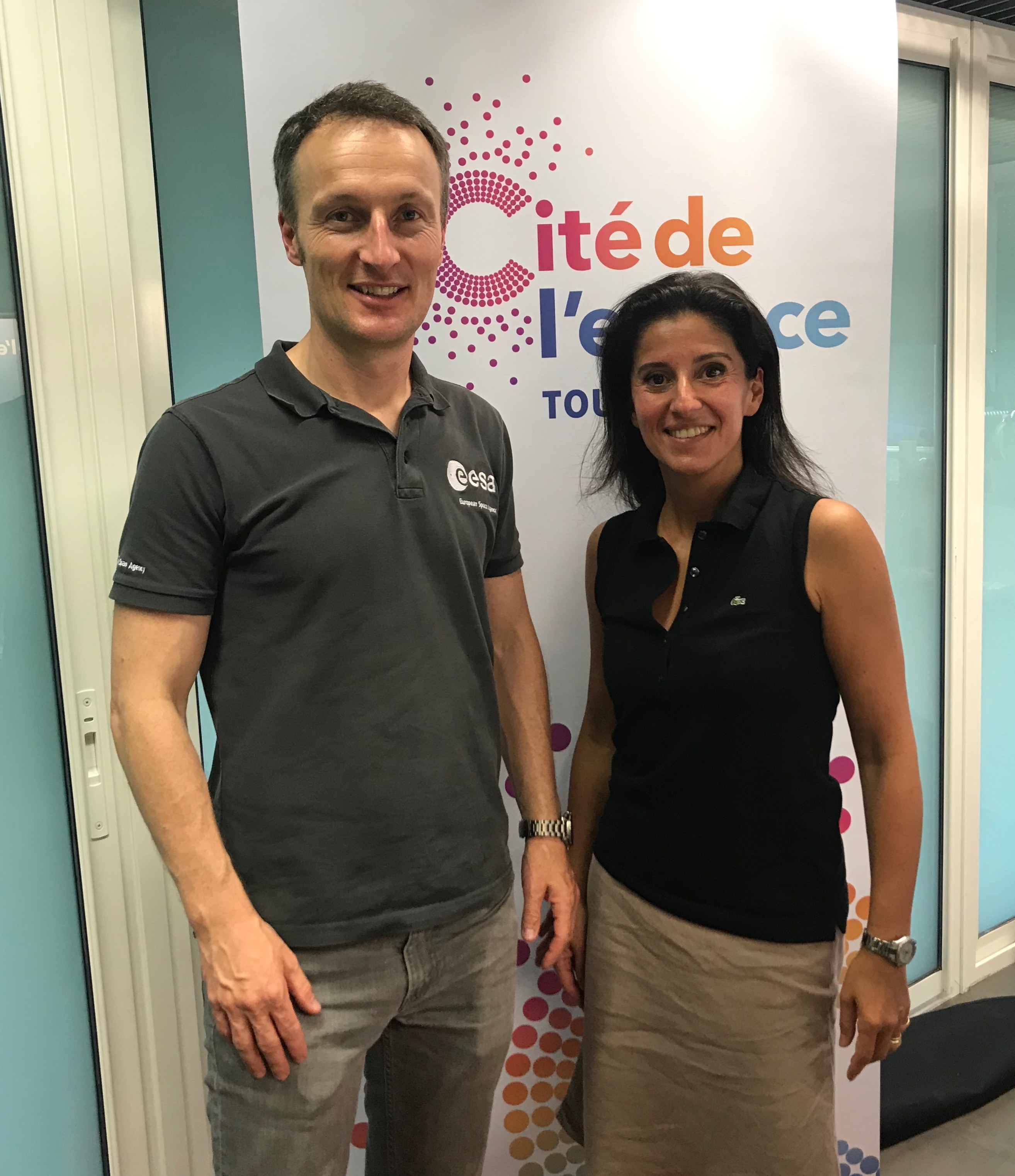
© Esprit Joaillerie
Its mission will be mainly focused on geology, a European specialty, because for the moment there are only one or two Geologist Astronauts.’ESA.
To carry out this mission, Matthias Maurer is training on the island of Lanzarote in Spain, where volcanic geology is very close to the lunar surface, as the next mission will have to land in a gigantic crater sheltered from cosmic radiation and protected from the extreme temperatures of the Moon.
(100 °C during the day, – 150 °C at night).
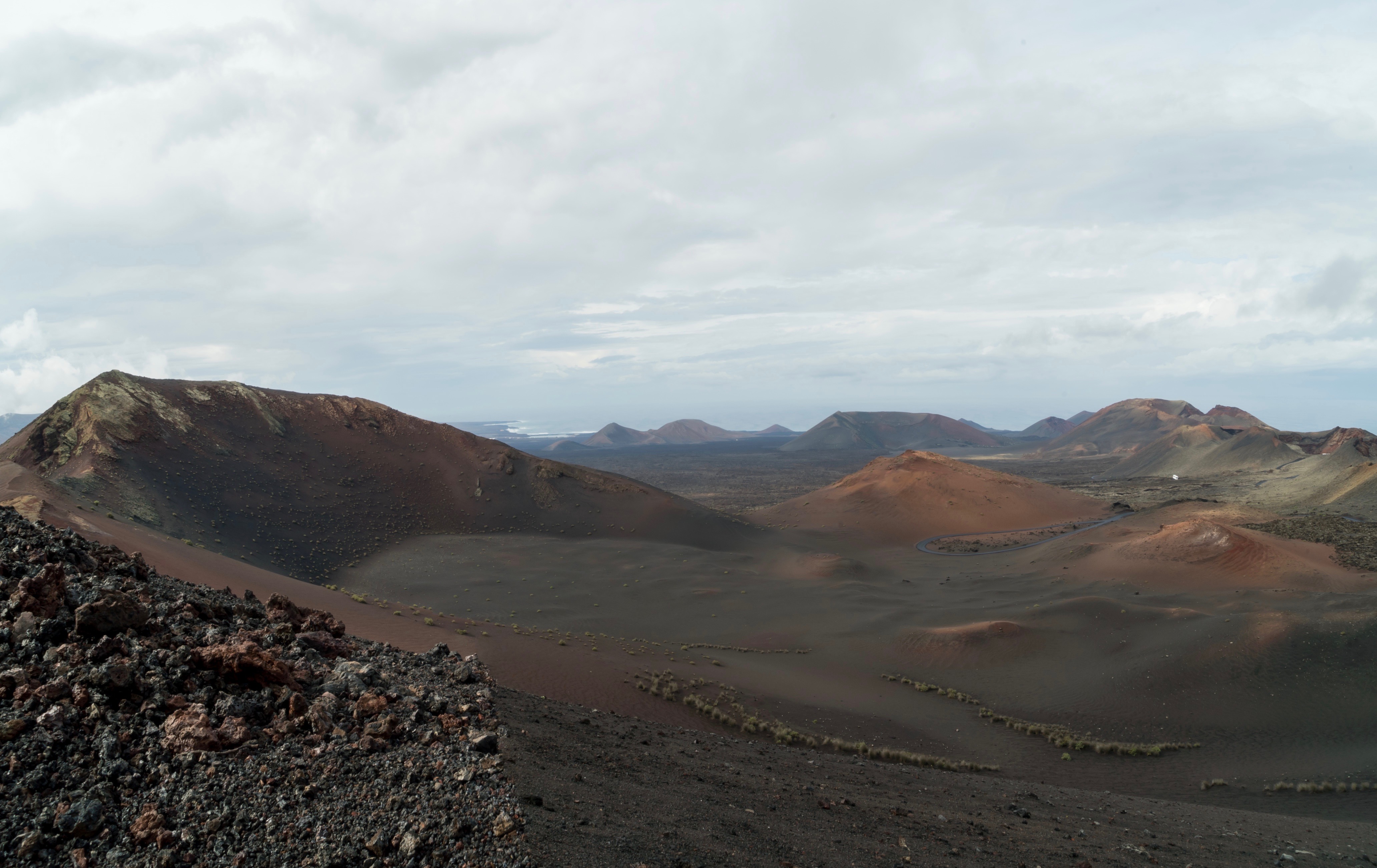
© ESA–M. Barnabei
Not only that, a giant laboratory of 1,000 m2 in Cologne replicates conditions similar to those on the Moon in order to build the future lunar village and conduct various experiments, such as producing fuel from hydrogen and oxygen molecules present in the Regolith. «The Moon is a formidable history book for advancing our research.».
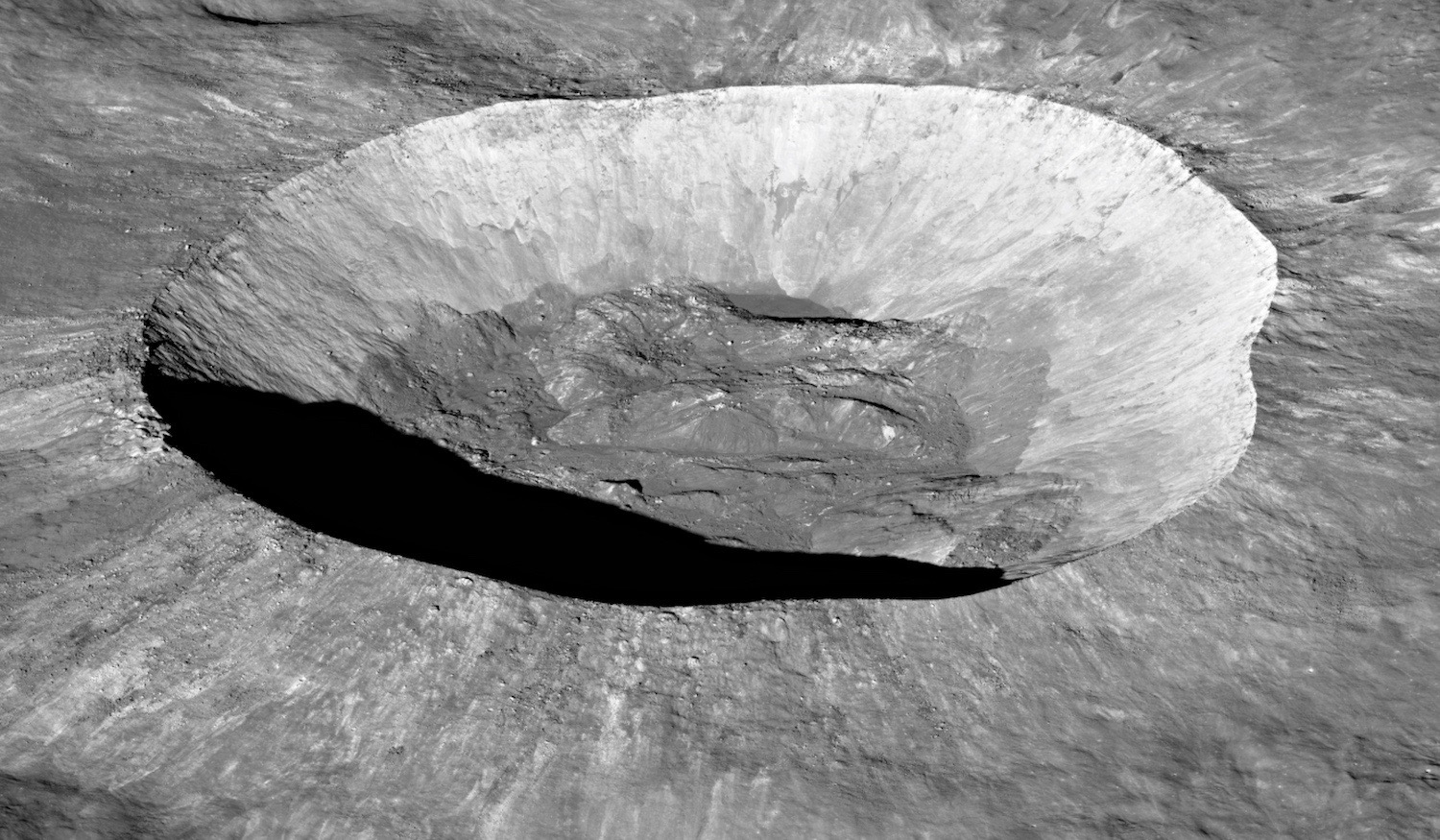
© NASA/Goddard/Arizona State University
To conclude this exciting day, it was Claudie Haigneré who shared her vision of space,
«A place where everything is possible».
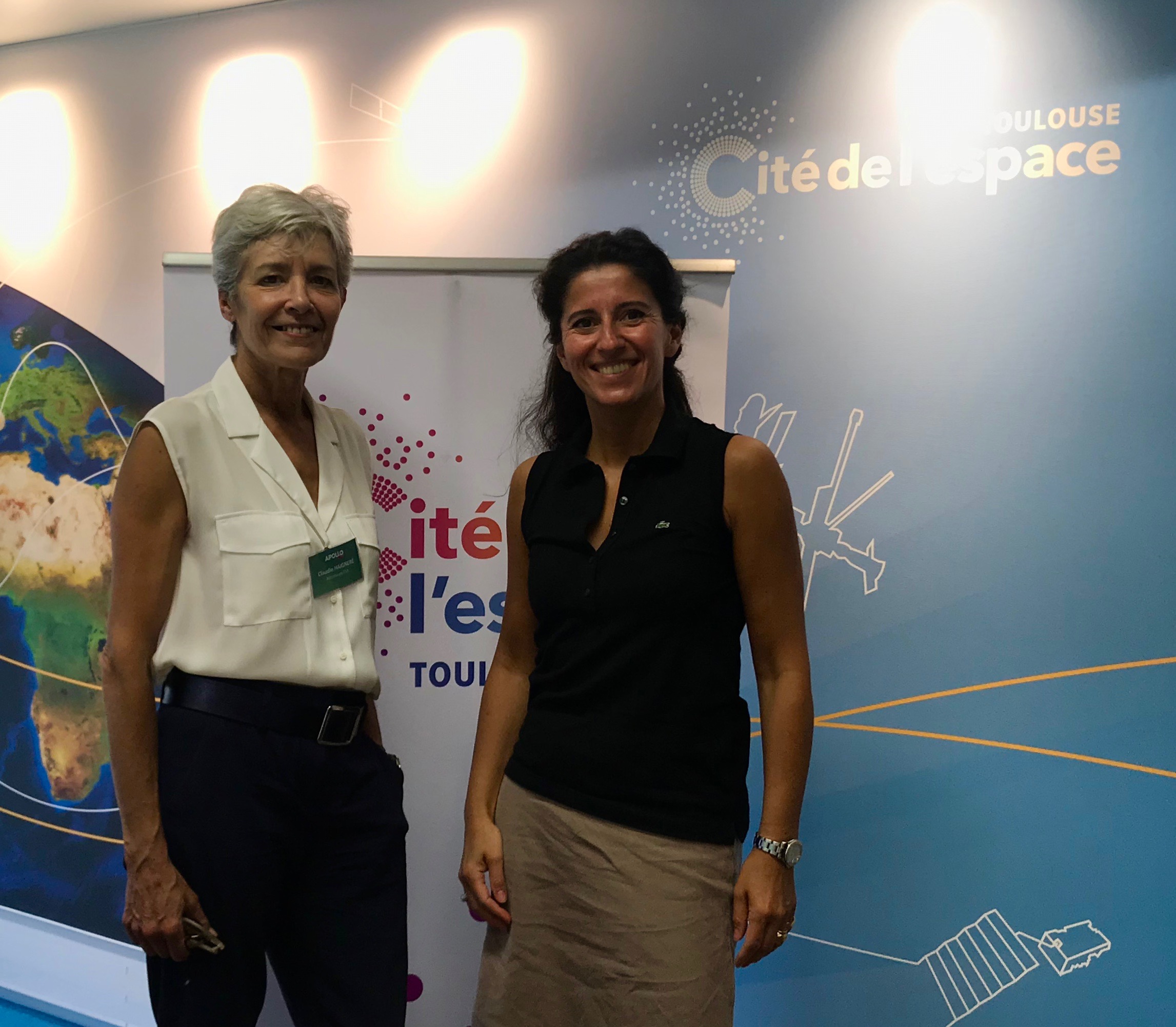
«The Moon is a fascinating scientific territory very close to us!"
It is also an ethical issue: the moon is a global vision of the future. Finding the best balance between political, economic, scientific and technological interests, serving the common good of humanity, while respecting private interests, allows everyone to work together and not just as sovereign nations.»
I have a slightly more personal question: what memories do you have of Space?
«Wonderful. The state of weightlessness is a unique sensation. But what struck me the most was the smell of the Earth when I landed in Kazakhstan.»
My very warm thanks to Claudie Haigneré, Sylvestre Maurice and Matthias Maurer for taking the time to answer my questions.
My thanks to the Space City, Especially to Florence Seroussi for organizing this event and these exciting interviews.