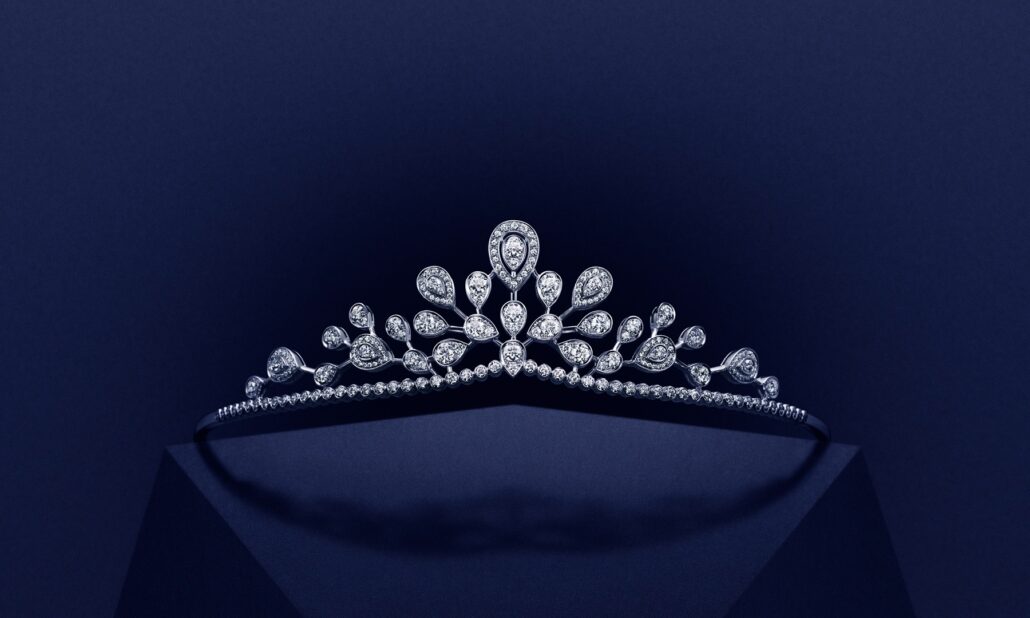







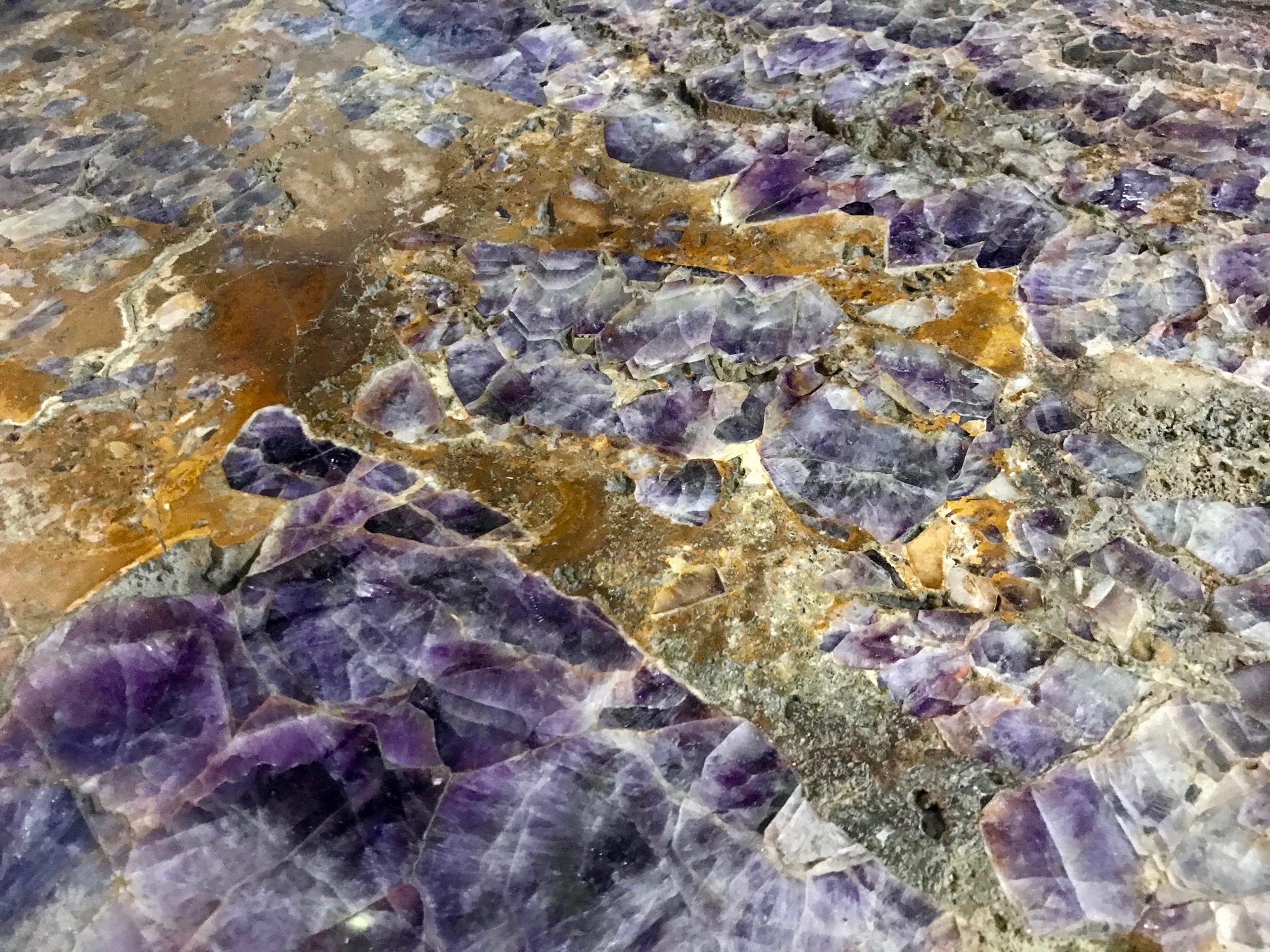
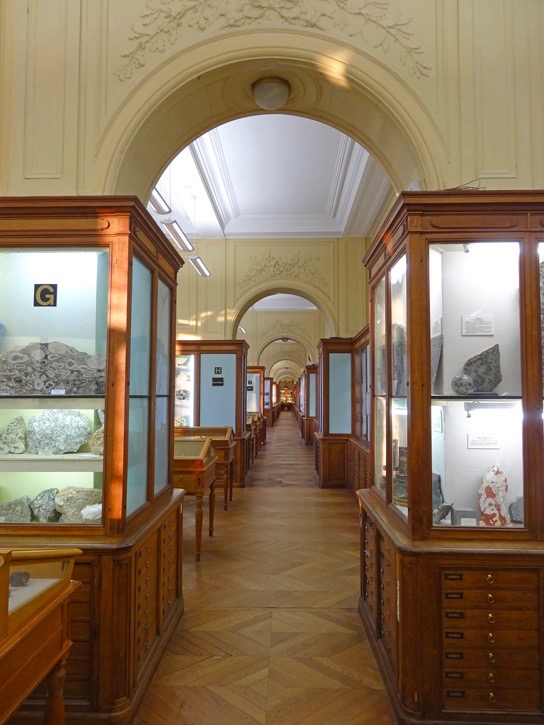
Strong health, Originally scheduled for April by the Mineralogy Museum MINES ParisTech was supposed to offer us a new perspective on minerals in relation to health.
The exciting exhibition has been postponed for more favorable days due to the Covid pandemic. Health is therefore at the heart of our news.
However, Esprit Joaillerie would like to share this very interesting project with you.
© Mineralogy Museum MINES ParisTech / Eloïse Gaillou
It should be noted that this project Health of Iron It is created by students from four schools of the PSL University (MINES ParisTech, Ecole normale supérieure, Ecole nationale des chartes and Ecole nationale supérieure des Arts Décoratifs).
Furthermore, it is a broader spectrum than lithotherapy, the treatment with stones; the connection is richer.
Minerals have long been found in talismans, fueled by a magical-religious mindset. This ancient esotericism is known from writings called «lapidaries,» which are dedicated to stones. Indeed, these ancient texts combine both medical knowledge and sometimes competing magical knowledge. Thus, the Ancient Pliny will report with skepticism the ability of amethyst to prevent drunkenness.

Illumination of the book of Wonders by Jean de Mandeville. 14th century
© Paris, BnF, French 2810.
It should be noted that traditional medicines often rely on a majority of substances of plant origin and mineral materials.

© Mineralogy Museum MINES ParisTech / Eloïse Gaillou
Most of them are minerals composed of a single chemical element, such as mercury (Hg). Called quicksilver, the ancestor of mercurochrome, it is said to possess many healing properties.
Very studied by alchemists and medicine, it turns out to be a neurotoxin.
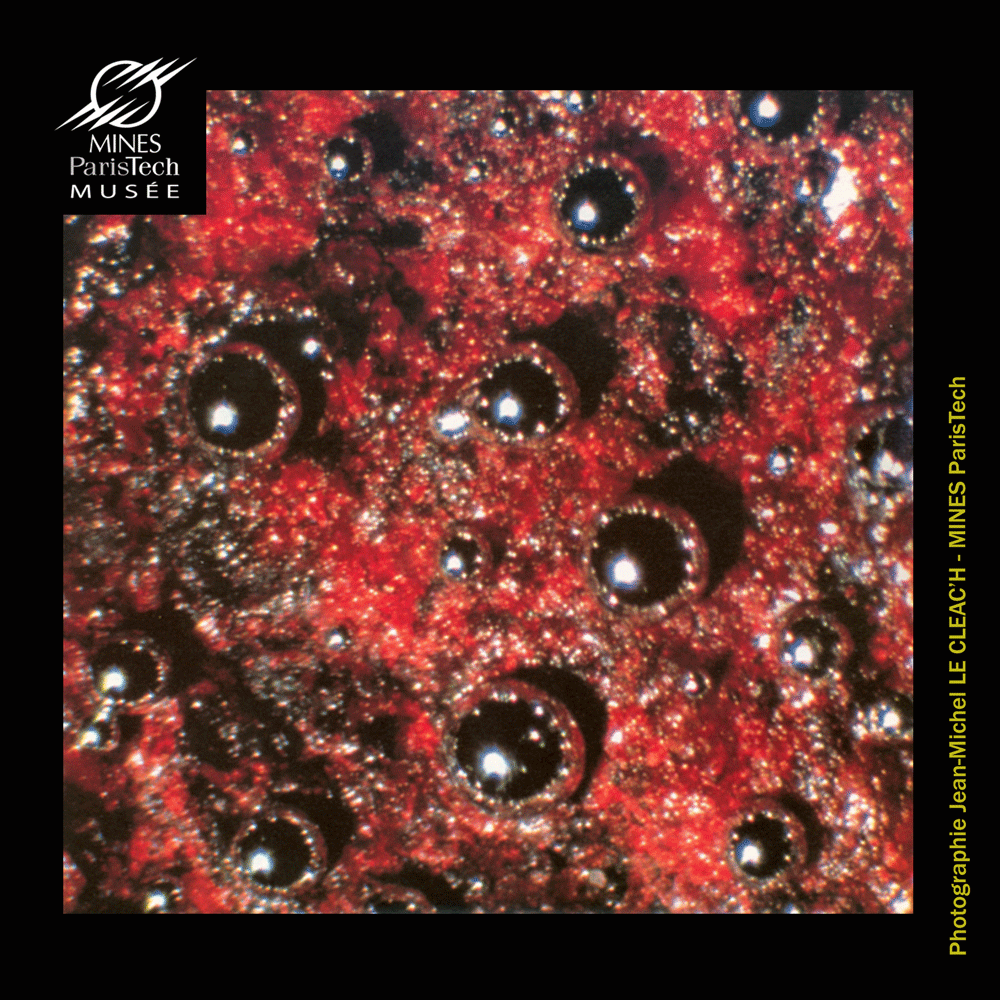
Spain
© Mines ParisTech / Jean-Michel Le Cleac’H
Minerals are also used in the manufacture of beauty products that have been used for centuries.
This is the case, for example, with Egyptian khol; it should be noted that in addition to its cosmetic and therapeutic uses (it is useful in treating eye infections), it also wards off evil spirits.
Minerals are often used without consideration of their possible toxicity. As with Egyptian clay, which in ancient times was composed of galen (lead sulfide) or stibine (antimony sulfide).
The development of toxicological and pharmacological sciences in recent centuries has accompanied the birth of public health principles. Mineral-based substances, whether pharmaceutical or not, are subject to standardized and reproducible methods for evaluating their toxicity.
Still present in the modern pharmaceutical industry, minerals help men, as in these examples of «Smecta», «Teralithe» or Sodium bicarbonate.
For example, Smecta is composed of smectite. It is a clay mineral commonly found in soils; it is effective as an anti-diarrhea agent because of its honeycomb structure, which allows it to absorb excess fluid.
It is the lithium carbonate that is included in the composition of Téralithe, which is derived from lepiodolite; it has an effect on bipolar disorders. As for the famous Sodium Bicarbonate (or Baking Soda) it is the « natron », a salt formed by the evaporation of salty lakes rich in sodium salts, the sodium bicarbonate that makes them up.

© Esprit Joaillerie / Mines ParisTech
A true panacea, it has been known since ancient times; the Egyptians already used it as soap; nowadays it can be found for health purposes, in cooking, and in cosmetics...
Finally, some minerals have remarkable properties; they are biocompatible. This is the case of calcium phosphate, which is somewhat like a «cement» for the bones. Bone tissue is composed mostly of apatite and hydroxyapatite, the calcium phosphate (CaP).
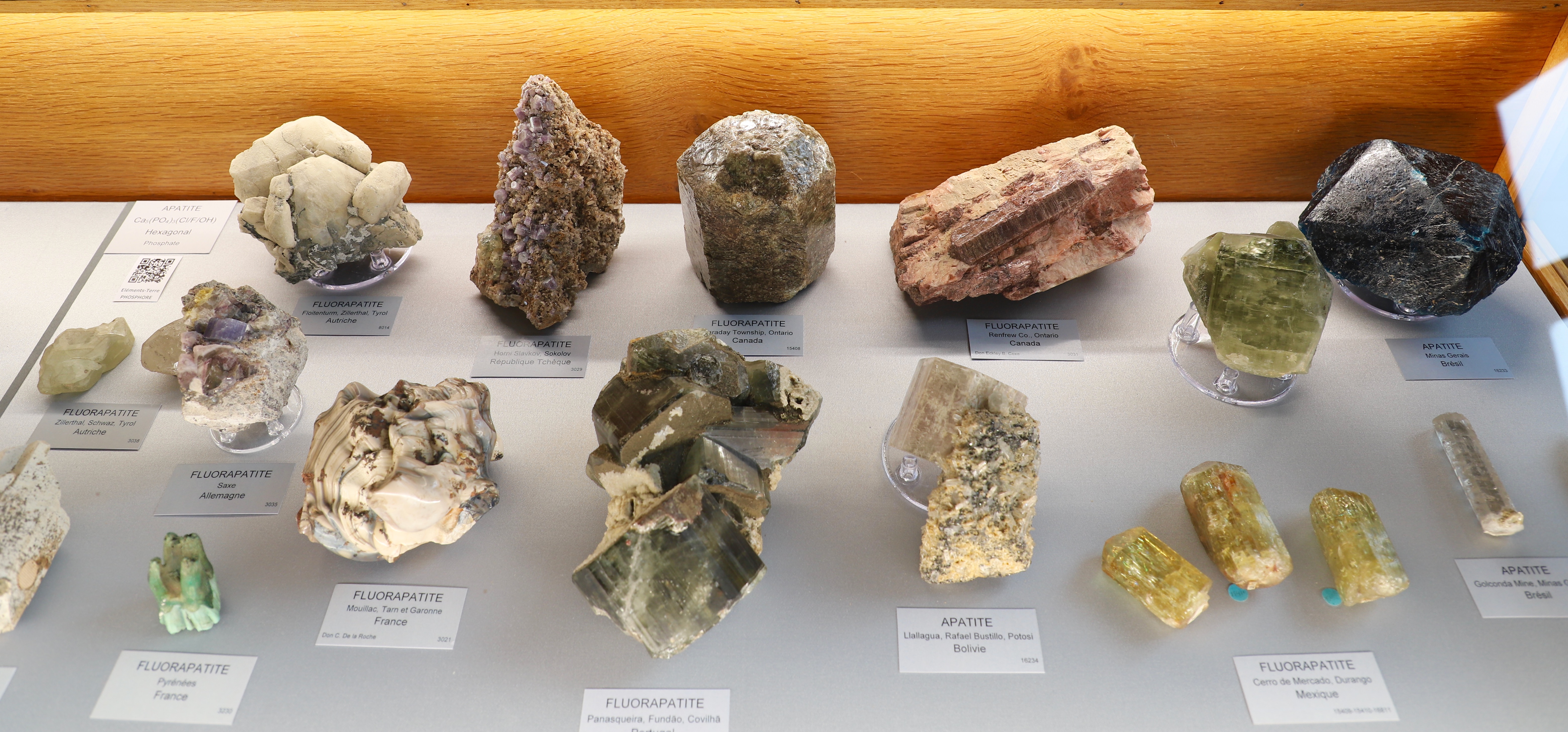
An important mineral for bone replacements, hydroxyapatite is also the material that makes up our teeth.
© Mineralogy Museum MINES ParisTech / Eloïse Gaillou
The principle is osteo-integration. This calcium phosphate, once dissolved in the body fluids, chemically binds to the bone tissue with which it comes into contact. It forms crystals by precipitation on the surface of the bone and creates a stable interface with the bioactive material. The bones undergo a «healing» process. These calcium phosphates are also used as filling or covering materials (dental implants and prostheses).

Minerals are aesthetically pleasing due to their shapes and colors; as we have seen, they are also very useful.
They still have surprises in store for us.
Our congratulations on the realization of this study Minerals & Health by Alice Besson-Léaud, Lisa Lafontaine (National School of Charters), Quentin Bollaert (National School of Higher Education), Alexandre Couturier (National School of Charters), Constance de Lagaye de Lanteuil (National School of Higher Education of Decorative Arts), Hugo Lestrelin (National School of Higher Education), Clément Loiseau (MINES ParisTech) and Tristan Malleville (MINES ParisTech).
My thanks to Eloïse Gaillou
Museum of Mineralogy MINES ParisTech
musee.mines-paristech.fr