






The Van Cleef & Arpels Collection, A shared jewelry legacy
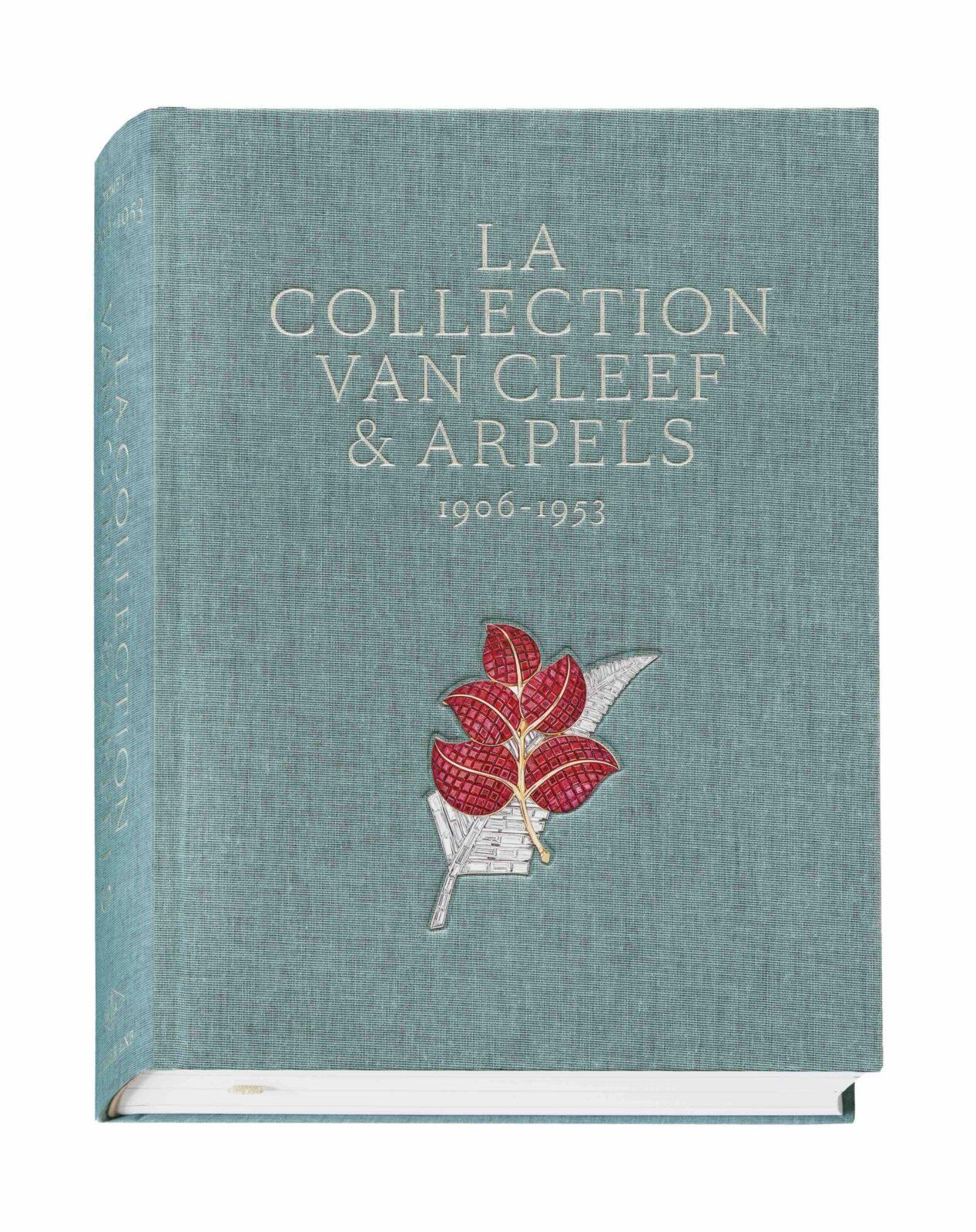
The very famous jeweler of Place Vendôme presents the first volume of The Van Cleef & Arpels Collection (1906-1953). This volume constitutes the first scientific census of the pieces of the Van Cleef & Arpels’ patrimonial collection, Offering a unique historical, artistic and cultural perspective on the first half of the 20th century.
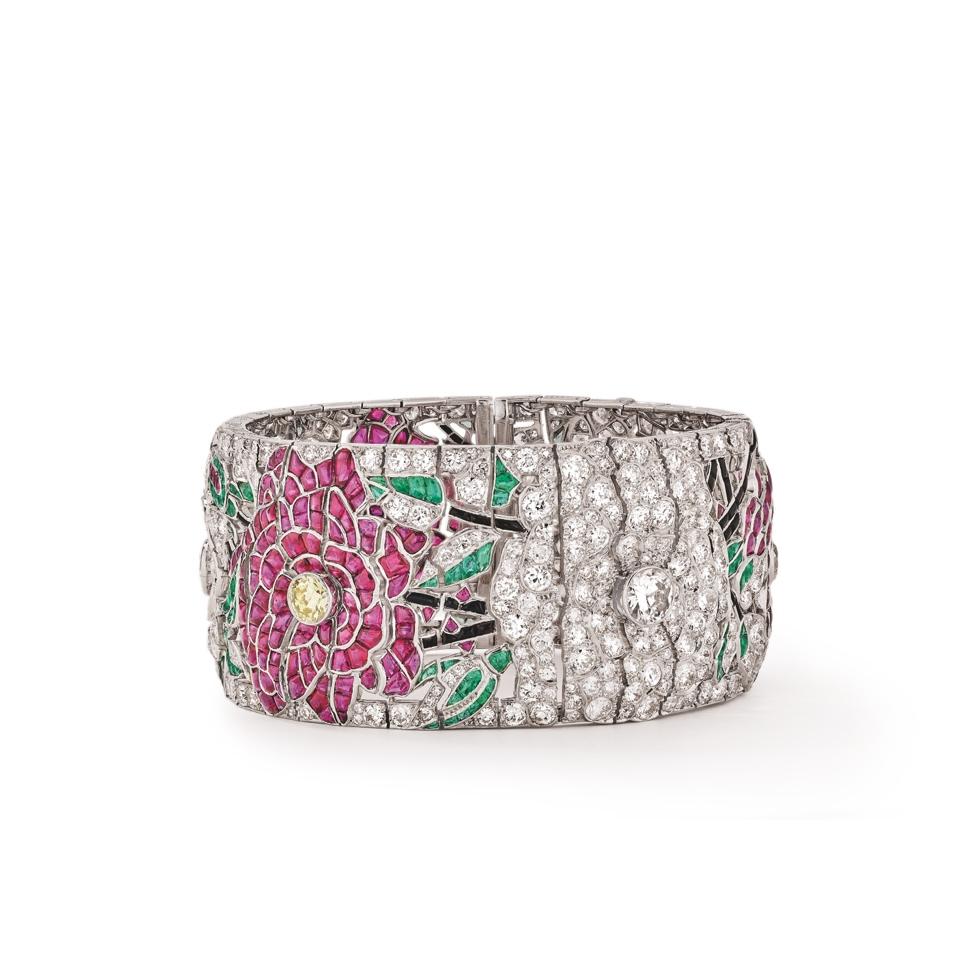
Platinum, emeralds, rubies, onyx,
Yellow diamonds and diamonds
Van Cleef & Arpels Collection
© Van Cleef & Arpels
Nearly 700 jewels, precious objects and pieces of watchmaking, as well as 200 archival documents, are meticulously examined in this first volume. Nicolas Bos, President of Van Cleef & Arpels, initiated this ambitious project to celebrate and document the legacy of the House. The publication, edited by Atelier EXB, draws up a true map of the Collection, highlighting its forms, stylistic variations, innovations and creativity.
The first chapter of the book covers the early days Van Cleef & Arpels Until 1925, a pivotal year marked by the International Exhibition of Modern Decorative and Industrial Arts in Paris. This event was a turning point for the Maison, marking its adherence to the Art Deco movement. Among the remarkable creations of that period, the Bracelet Fleurs enlacées stands out for its delicacy and refinement. Presented at the 1925 Exposition and awarded a Grand Prix de Joaillerie, this bracelet exemplifies the Maison’s technical mastery and artistic sensibility, utilizing stylized roses adorned with diamonds, rubies, and emeralds.
After 1925, the creative momentum of Van Cleef & Arpels It grew in strength under the artistic direction of Renée Puissant, the daughter of the founders Alfred and Esther. The following years saw the birth of iconic pieces such as the Cercle brooch (1930), the Minaudière (1933), the Ludo bracelet (1934) and the Cadenas watch (1935). These creations testify to the Maison’s innovation and audacity, once again celebrated at the International Exhibition of Arts and Techniques Applied to Modern Life in 1937.
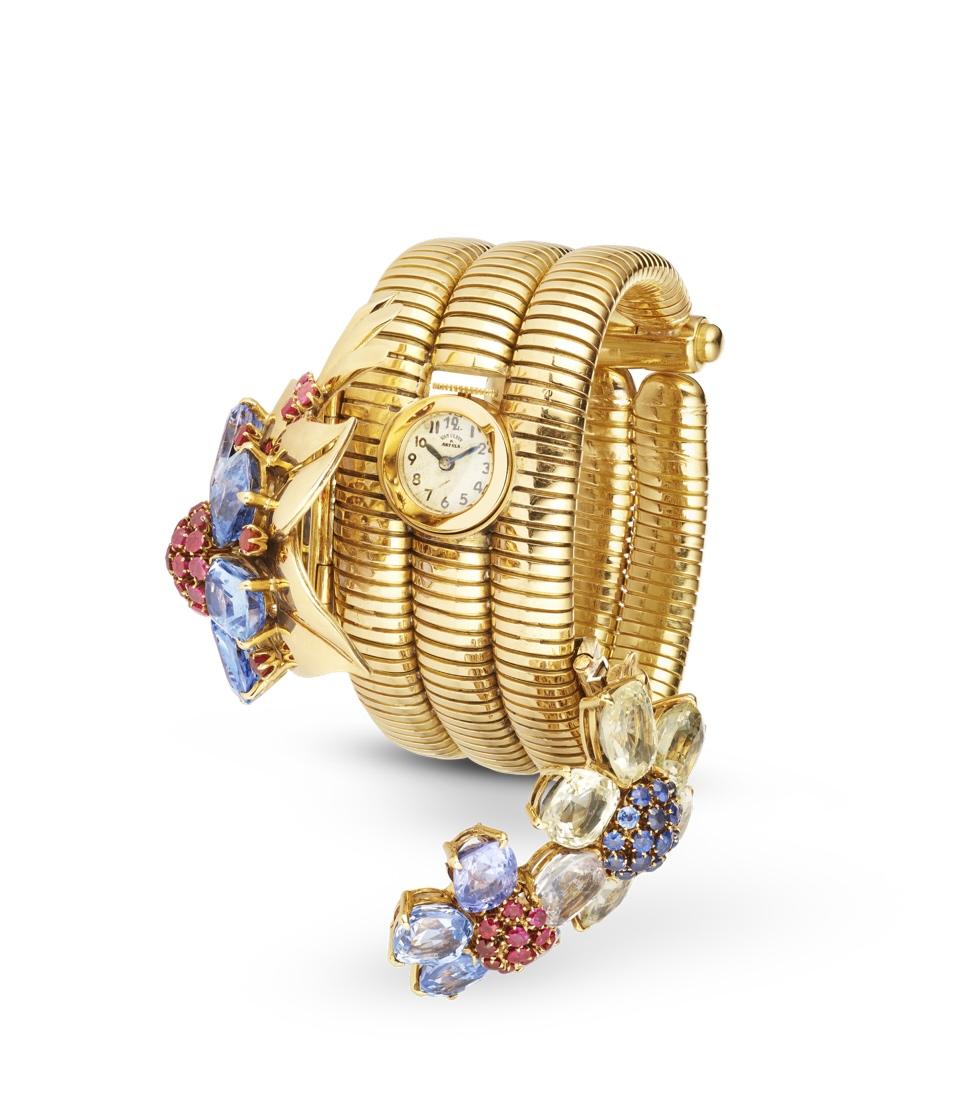
Two detachable clips
Yellow gold, white gold, rubies, sapphires and yellow sapphires
Van Cleef & Arpels Collection
© Van Cleef & Arpels
Finally, the last chapter of this first volume traces the expansion of Van Cleef & Arpels In the United States. In 1939, the Maison participated in the International Fair in New York, a key event for its development overseas. Among the innovations presented were the Passe-Partout jewelry pieces. These transformable jewels combine floral naturalism and modernist functionality, perfectly representing the balance between tradition and modernity. The history of Van Cleef & Arpels It continues, each jewel telling a story and each creation marking an era. Thus, this first volume ends in 1953, just before the launch of the boutiques in 1954, paving the way for the next volume of this encyclopedic collection.
Undoubtedly The Van Cleef & Arpels Collection It is a reference. More than just a catalog, this work shares an in-depth exploration of the House’s creative universe. It highlights the diversity and aesthetic choices of the Maison. By offering multiple readings through historical essays, detailed notes, and iconographic illustrations, the work establishes itself as an indispensable guide in the field of jewelry arts.