






The unique and only diamond.
There is a lot of talk about synthetic diamonds, their origin, their increasingly significant weight, and even their authenticity. Esprit Joaillerie wanted to give the (natural) diamond even more shine by interviewing Olivier Segura, the director of
French Laboratory of Gemology.
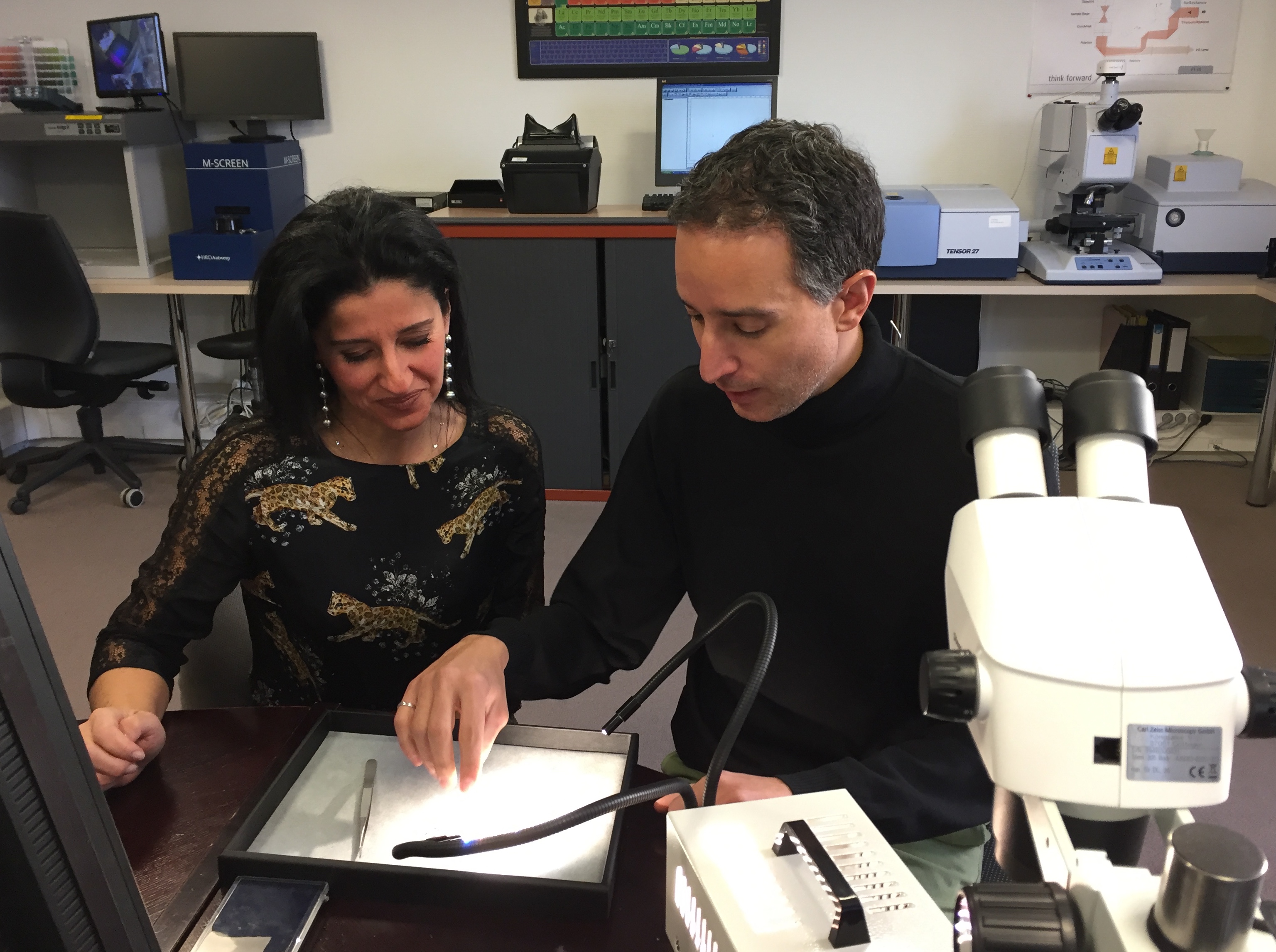
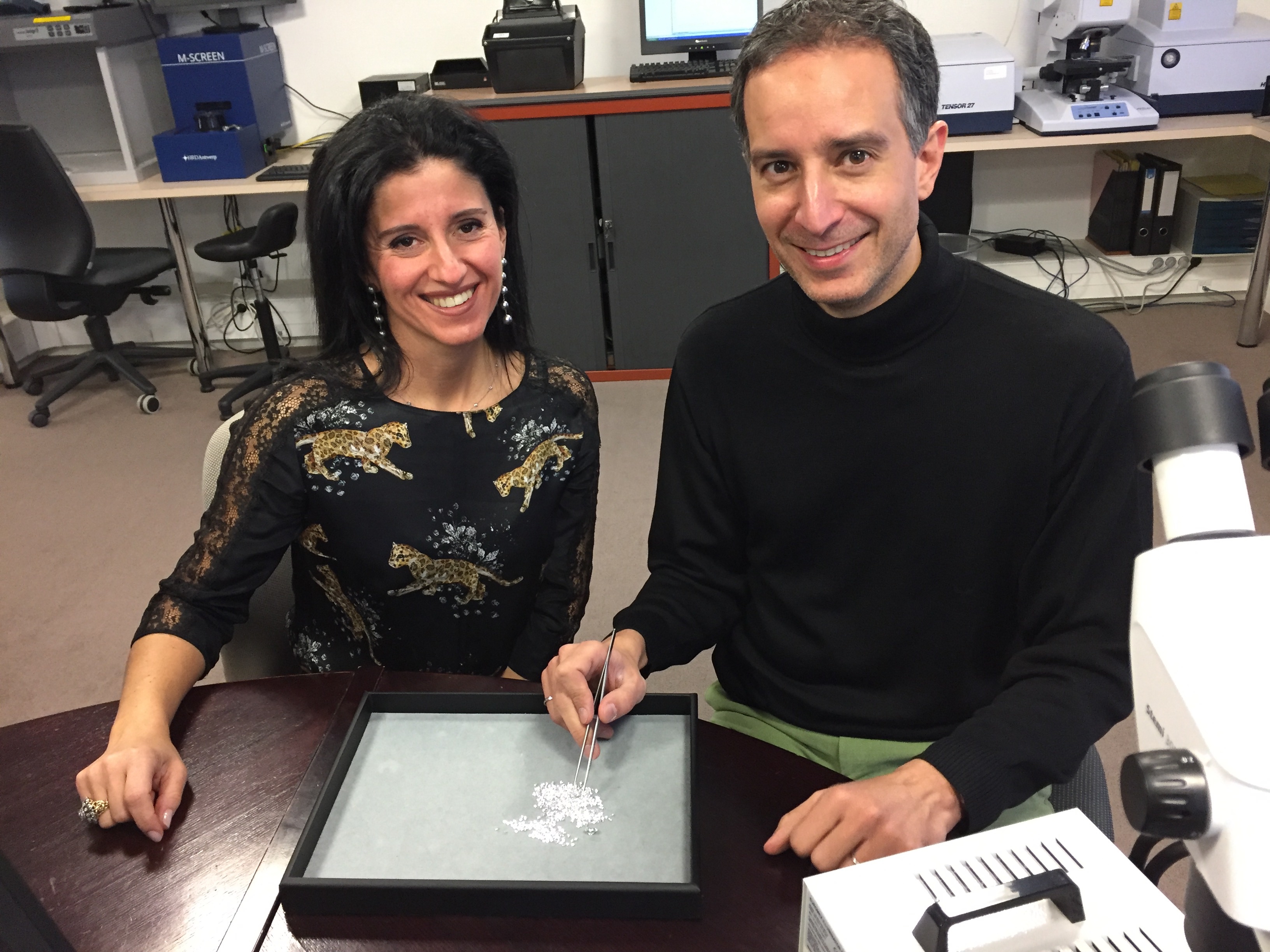 Esprit Joaillerie Charlotte Wannebroucq and Olivier Segura
What is a synthetic diamond?
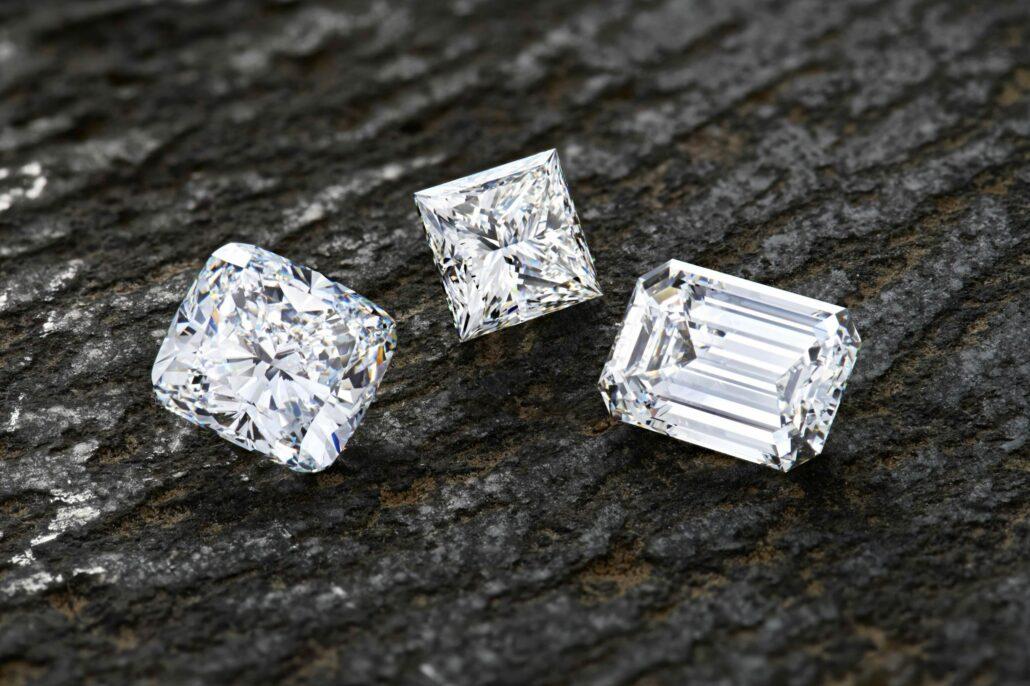
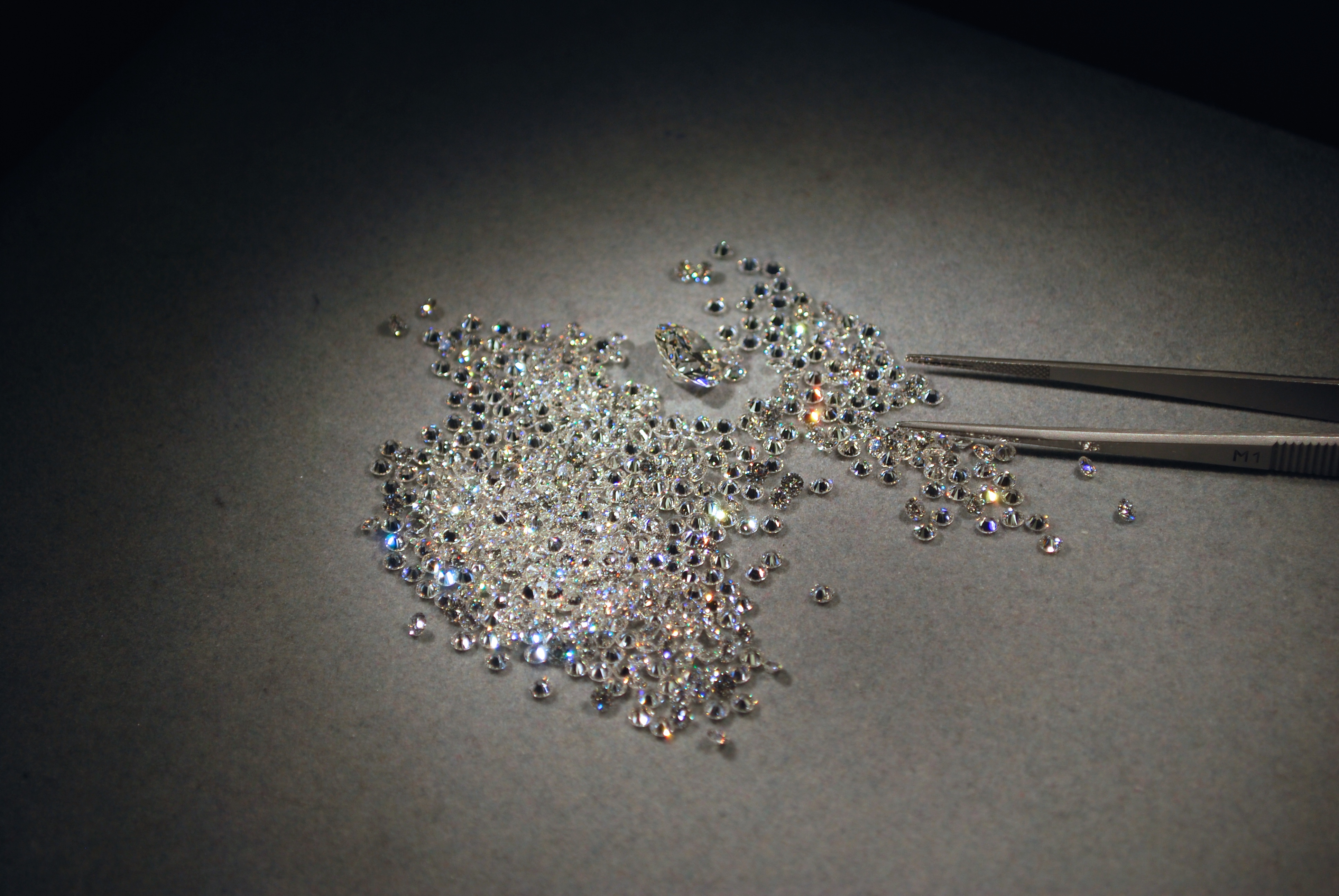
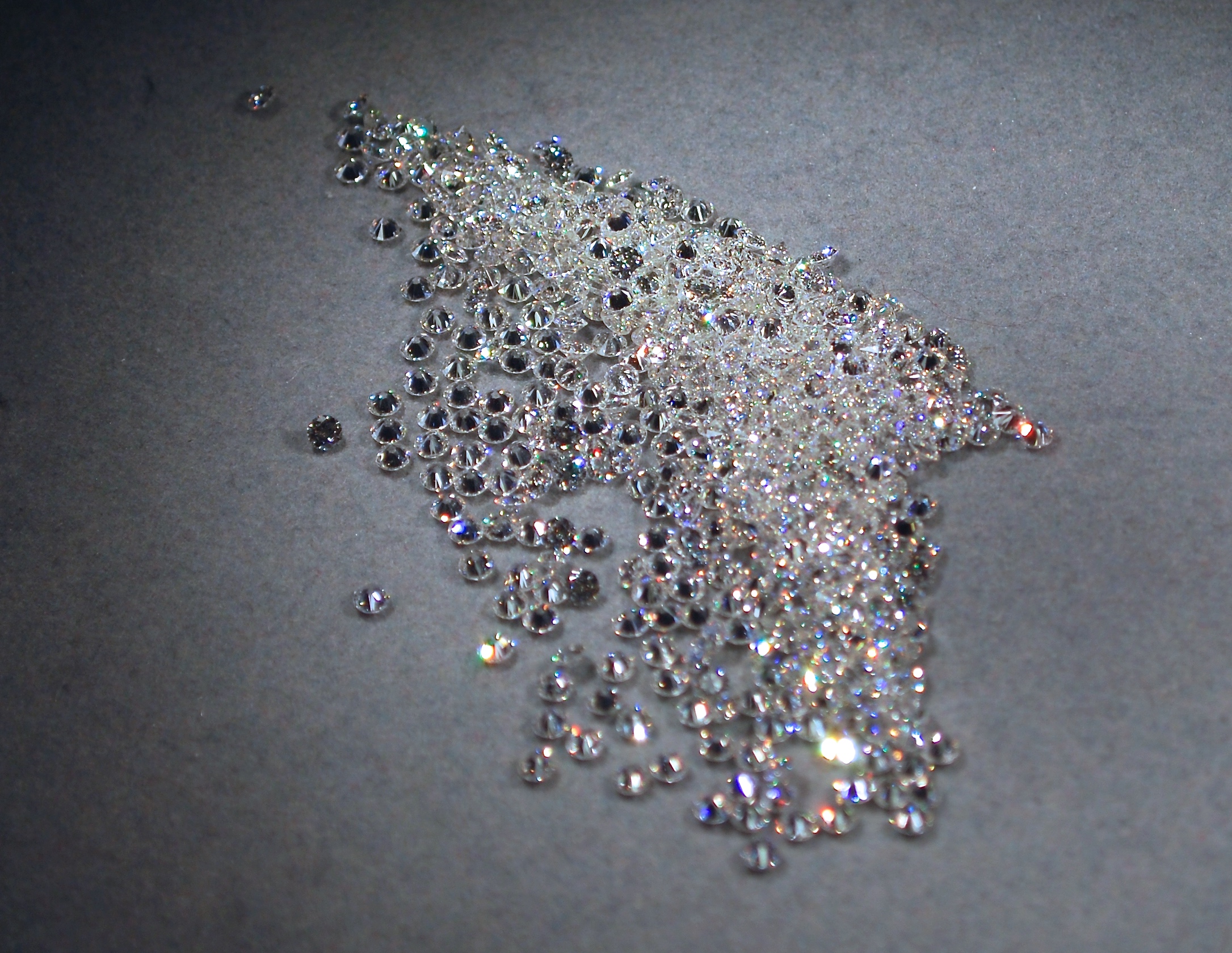
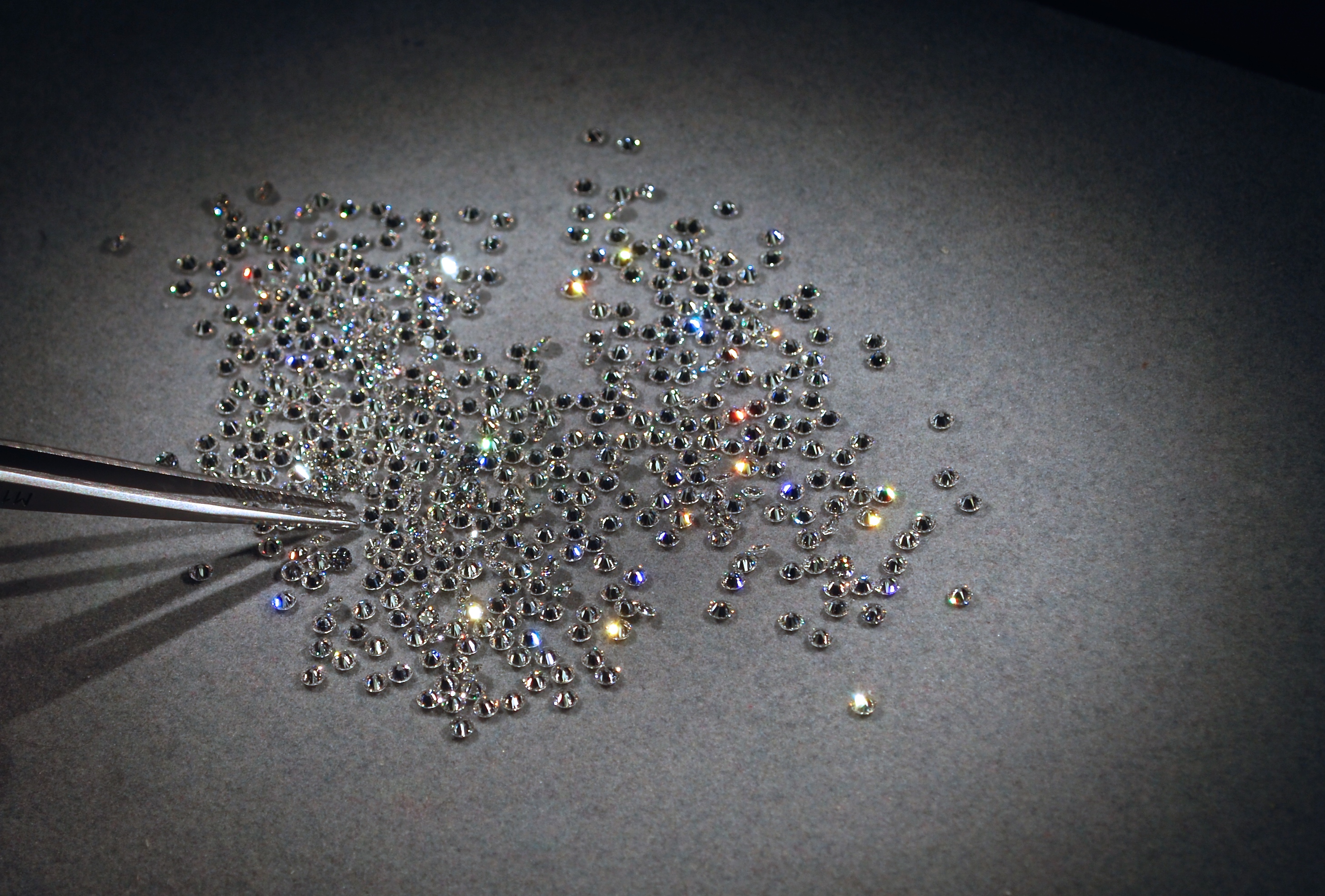
Synthetic diamonds have the same physical, chemical and optical properties as natural diamonds. However, if the brilliance is the same, it is not exactly the same thing. In the laboratory, we are able to make the difference; that is why it is important that it is not the same thing! The crystal lattice is not exactly formed in the same way by man and nature. The diamond (natural), which has been formed millions of years ago, has undergone important geological and historical changes that make each stone unique. Unlike synthetic diamonds, which are all identical and industrially manufactured in series, like bolts!
What do you think of synthetic diamonds?
Synthetic diamonds certainly have their place in fancy jewelry, but the price must remain consistent. The value and the price must not be confused!
Synthetic diamonds have no value and their price should not be indexed to that of natural diamonds. How can one imagine that a natural diamond that carries the history of the earth, the geological history, can have the same value as a synthetic one, which has only a few hours of manufacturing? As an example, if you consider a dinosaur egg, it’s incredible; it’s a piece of history that has thousands of years. And our (natural) diamond, it has millions of years; it existed before the dinosaur. It’s a truly extraordinary material; I believe that there’s nothing on earth that’s as ancient. This diamond comes from the deepest part of the earth, so this natural stone inevitably evokes a lot of emotion.
It’s not just crystallized carbon!
What is the position of the laboratory?
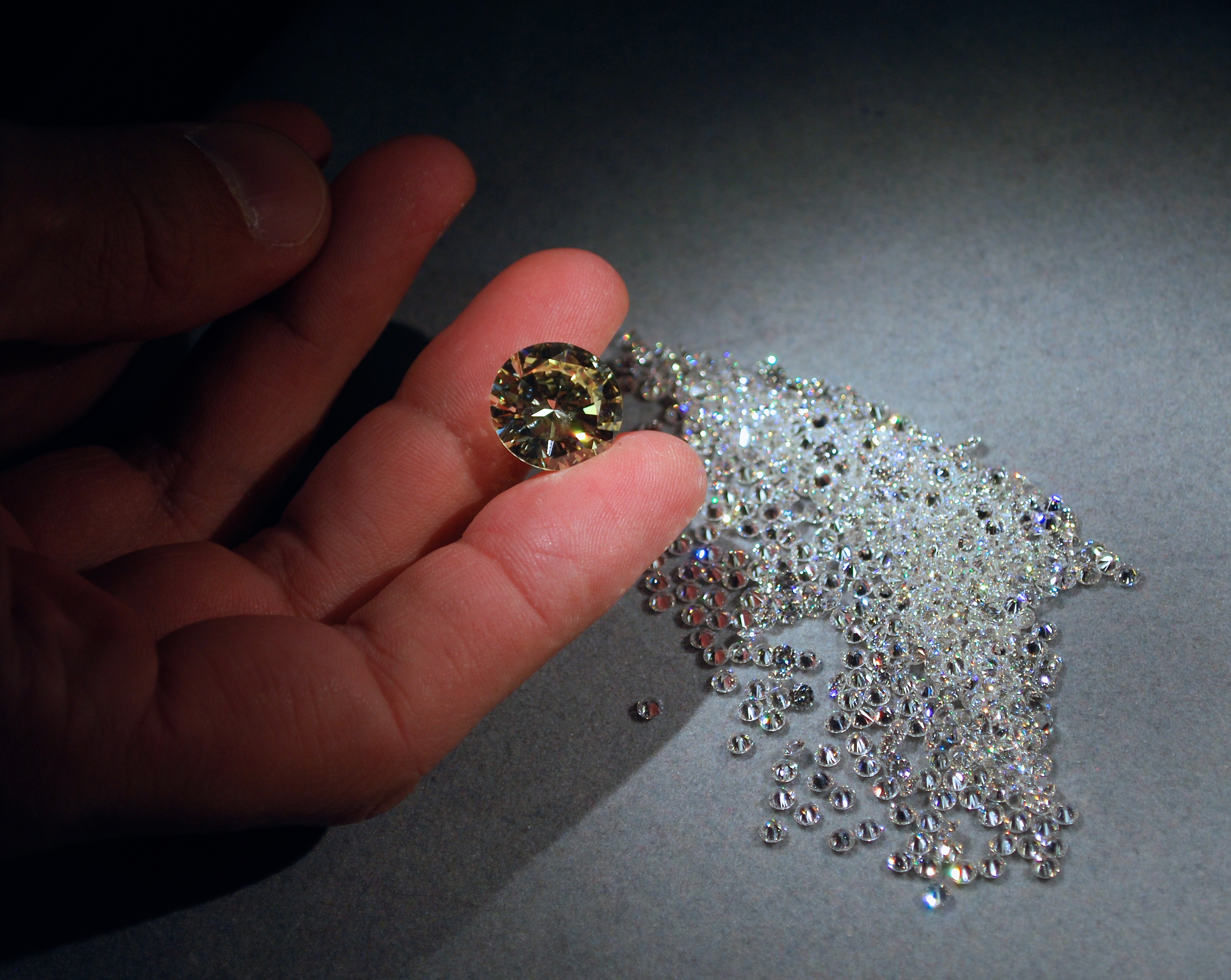
The LFG does not grade synthetic diamonds; therefore, there will be no report from our laboratory indicating the color or purity of a synthetic diamond. We believe that the 4C grading system is a system that was established based on natural criteria (inclusions, color, etc.), and therefore it cannot be applied to synthetics (for example, no one would ever talk about «dove blood» for a Verneuil ruby). However, of course, a report stating that it is a synthetic diamond is issued; the mass is not in carats.
Are there more synthetic colored diamonds?
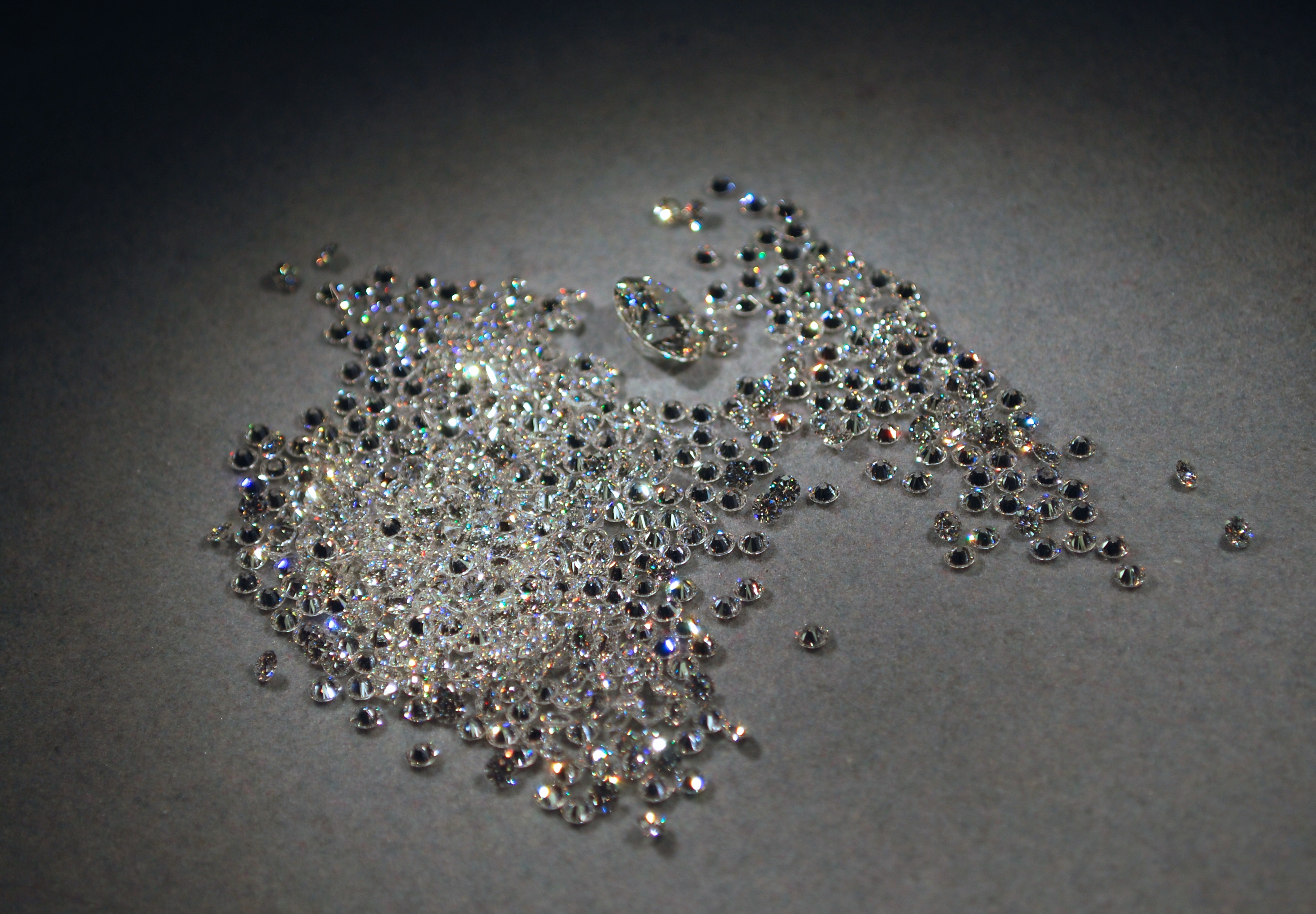
Colorless synthetic diamonds are easier to manufacture, especially yellow ones. In most cases, colorless synthetic diamonds are treated to improve their color. Because they have a slight brownish tint when they come out of the presses. The technique is not yet optimal for producing perfectly colorless diamonds, so they undergo an additional treatment.
Some advice for gemmologists?
A «cautious and experienced gemologist» can recognize an old-generation synthetic diamond. A polariscope can show the deformation of the crystal lattice; the same applies to the use of UV light, which can separate Type IIA from Type IIB. For now, synthetic diamonds are only Type IIA; this characteristic is very rare in its natural state. So, caution is advised.
 Esprit Joaillerie Charlotte Wannebroucq and Olivier Segura
What can be said about the French market?
Let us emphasize that we can be reassured by the French market: the controls are strict. The profession is rigorous and professional, as traceability is fundamental at all levels of the manufacturing chain. The diamond dealers are responsible; that is their credibility. The laboratory guarantees a reliable diamond analysis at 100%.
We sometimes find synthetic diamonds, but it’s rare, which proves that our French market is serious and responsible.
But it’s not the same on other markets, where you have to be extremely vigilant.
Thank you Olivier for this update on this current topic.