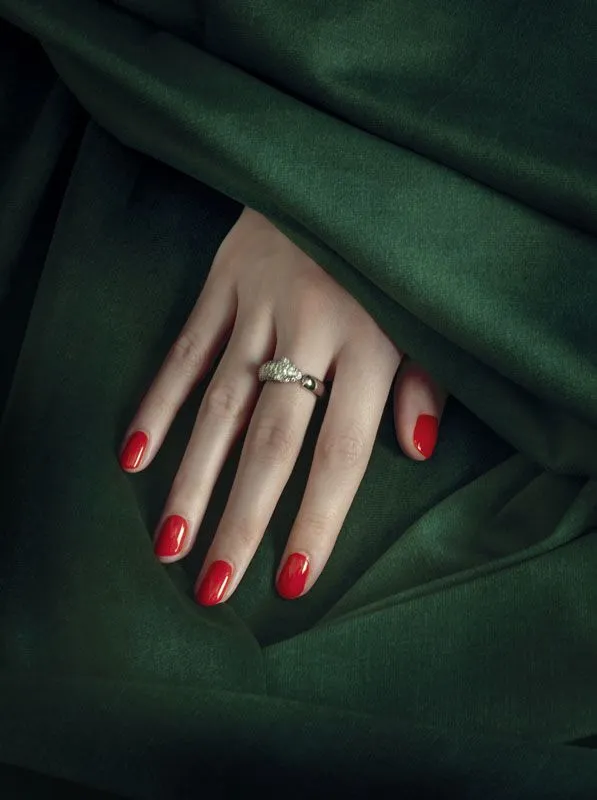







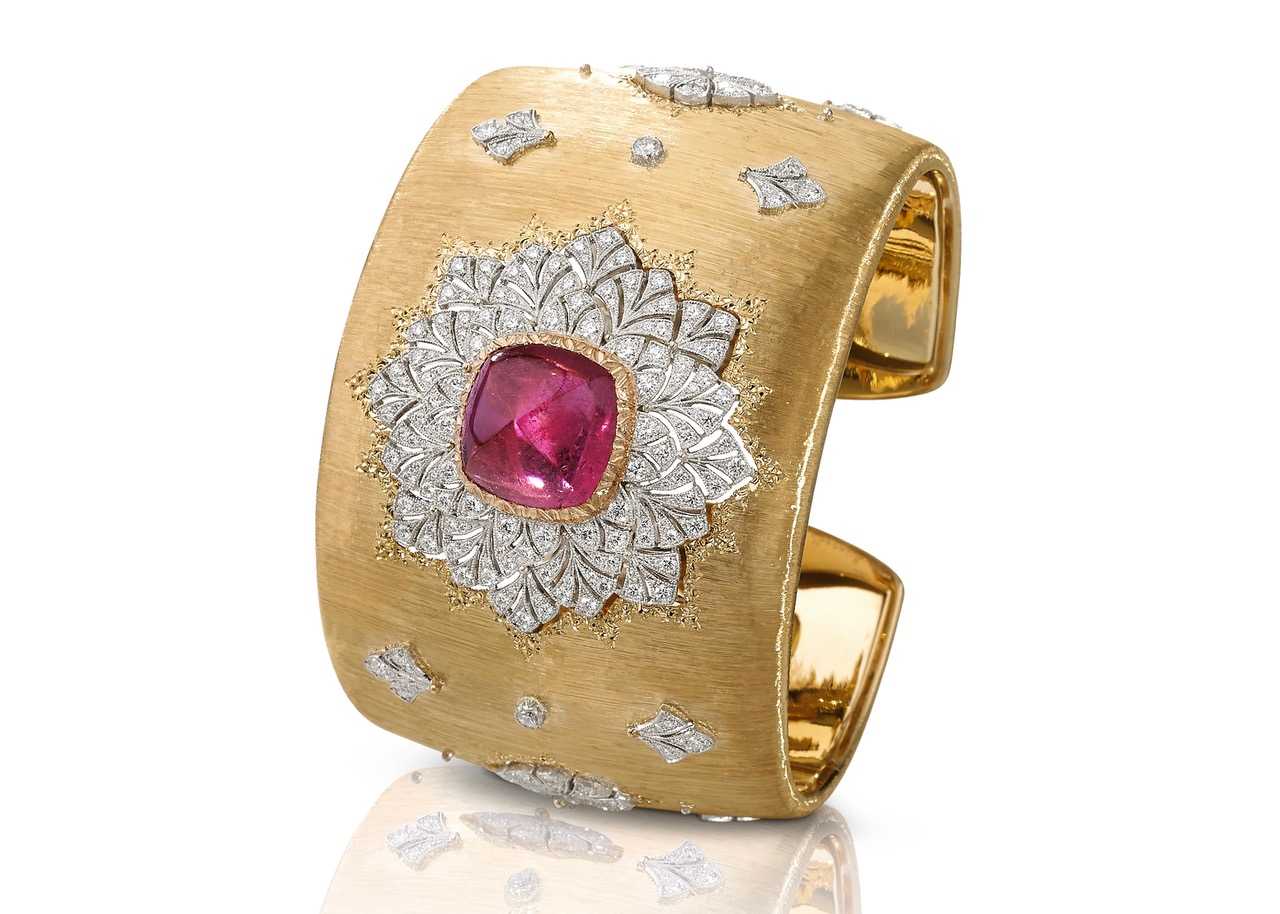
Gold meets red, a chromatic reading of the jewelry of the end of the year.
The last days of December bring suspended time. Gestures slow down, the light becomes dimmer, and certain objects take on a particular presence. The jewel is no exception. Not because of what it claims, but because of what it holds. In this atmosphere of threshold, gold and red appear as two lines of force, capable of capturing light and fixing the moment, without ever exhausting it.
Before being a precious metal, gold is a presence. It extends an ancient relationship between the yellow tones and the idea of protection, between brilliance and distinction. As gold gradually replaces the colorful materials that preceded it, it retains its symbolic charge, like a memory inscribed in the material. Michel Pastoureau emphasizes this enduring connection, recalling how the history of yellow and that of precious metals tend to blend: «Who is of the color of gold…».
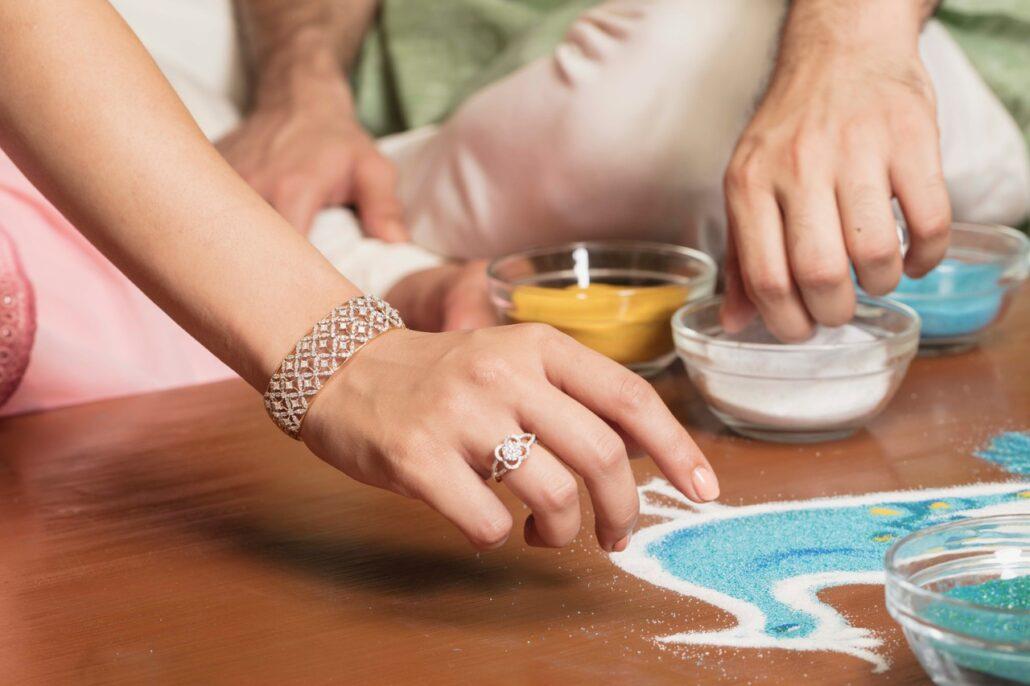
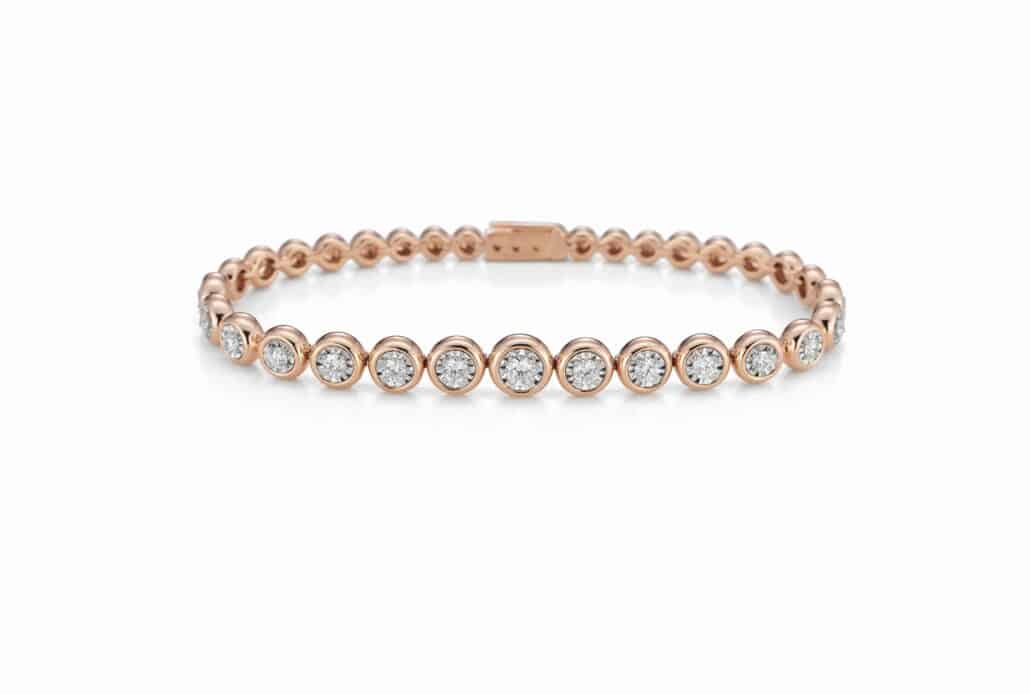
In contemporary jewelry, gold continues to captivate the eye. It captures light without imposing it, softens lines, creates points of emphasis. Used in polished surfaces, in purist volumes, or in controlled details, it acts as a measured visual accent. Its presence finds a particular resonance in the winter light, which it reflects and prolongs with restraint.
In the face of this light, red does not respond; it asserts itself. « If there is a color that is worth being called such, it is this one. It seems that red represents all the other colors, that it is the color », writes Michel Pastoureau. A founding color, red has traversed the centuries carrying with it meanings that are sometimes opposed, yet always powerful.
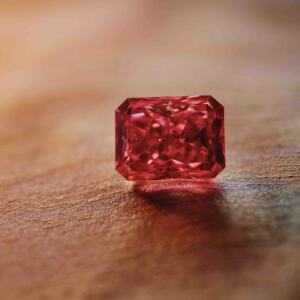
In jewelry, this intensity takes on a tangible form through red stones with unique identities. The red diamond, of exceptional rarity, concentrates an almost absolute chromatic force. Ruby, a historical stone associated with power and seduction, combines brilliance and depth in an enduringly glamorous imagery. More daring, the spinel asserts itself with its assertive character, while the red tourmaline, with its more free nuances, introduces a contemporary and nuanced reading of color.
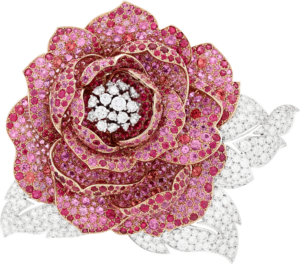
At the end of the year, these stones go beyond mere decoration; they fix a moment and emphasize a passage.
When gold and red meet, an equilibrium is established. The metallic brilliance dialogues with the depth of the color, without ever seeking to dominate. This controlled tension forms a clear, almost instinctive visual language, where light finds its anchor and color its breath.
Through this alliance, jewelry breaks away from the fleeting present. It is rooted in a cultural continuity made up of transmitted gestures, materials charged with meaning, and colors that carry memories. A discreet yet persistent way to capture the moment without freezing it in time.