






Origins: The Kujūku Islands, Cradle of the Akoya Pearl
Before becoming a signature of fine jewellery, TASAKI was a family name and a place. The house’s pearl-farming heritage began in 1933 in Nagasaki, amid the Kujūku Islands, whose name translates as the “Ninety-Nine Islands”. This archipelago of small islands shelters calm waters where the Akoya oyster gives rise to one of nature’s rarest phenomena. The company itself was founded in 1954.
Since then, TASAKI has remained faithful to a distinctive philosophy: overseeing every stage of the pearl’s journey, from cultivation to final finishing. Almost no machinery is involved. Instead, there are traditional techniques, skilled hands, patience and an almost sacred respect for water and its seasons.

A Pearl Takes Two to Three Years to Form
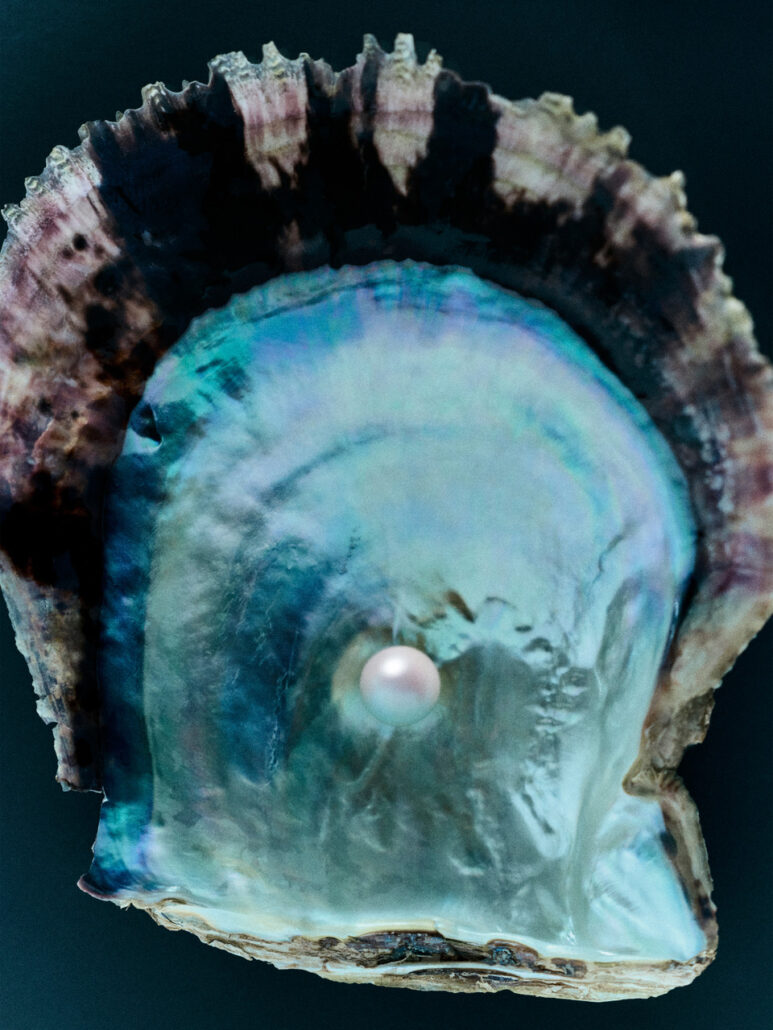
Time is the first precious material here. It takes two to three years for a pearl to form, shaped by the tides, the alternation of light and shadow, and fluctuations in temperature. In Kyūshū, pearl farmers learn to recognise at a glance when an Akoya oyster is thriving. Year after year, they refine the conditions that give each oyster the best possible chance of producing the pearl it is destined to become. Their knowledge is a form of collective intuition, passed down through generations and continually perfected.
Kobe: The Trained Eye as the Only Instrument
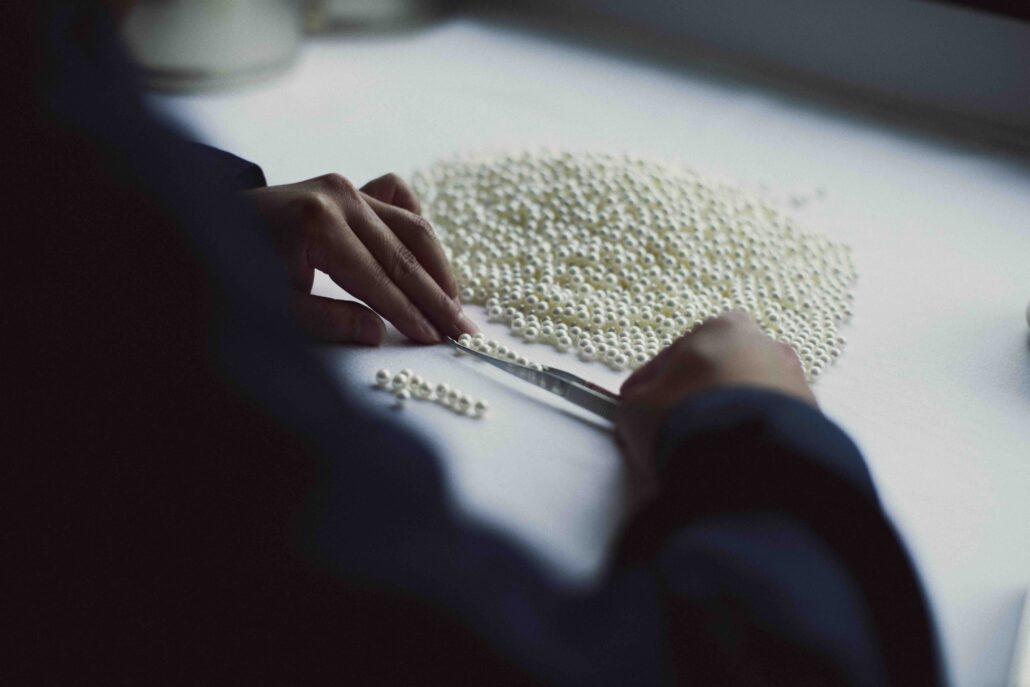
Once harvested, the pearls make their way to the workshops in Kobe, where artisans assess them exclusively in natural daylight. Northern light is preferred, as it is more consistent than the southern light, considered too unpredictable. They examine brilliance, lustre and shape, relying on nothing more than a trained eye honed through years of experience.
The work then passes from one specialist to the next, until it reaches the final pair of hands. There, the pearls are strung, the knots tied, and the finished jewel prepared to meet its future owner. This is the intermediate chapter between what nature creates and what the house makes of it.
“TASAKI Blue”: The Colour of the Sea off Nagasaki
Classical Japanese did not have a distinct word for green: the term 青 (ao), meaning “blue”, encompassed both colours. This explains the extraordinary spectrum of shades found in the language. “TASAKI blue” occupies the greener end of this spectrum, evoking the waters surrounding Nagasaki’s Ninety-Nine Islands, where the house has cultivated pearls for nearly a century. It is TASAKI’s signature colour, running through its imagery and creative imagination.
Mitate, or the Art of Deliberate Misperception
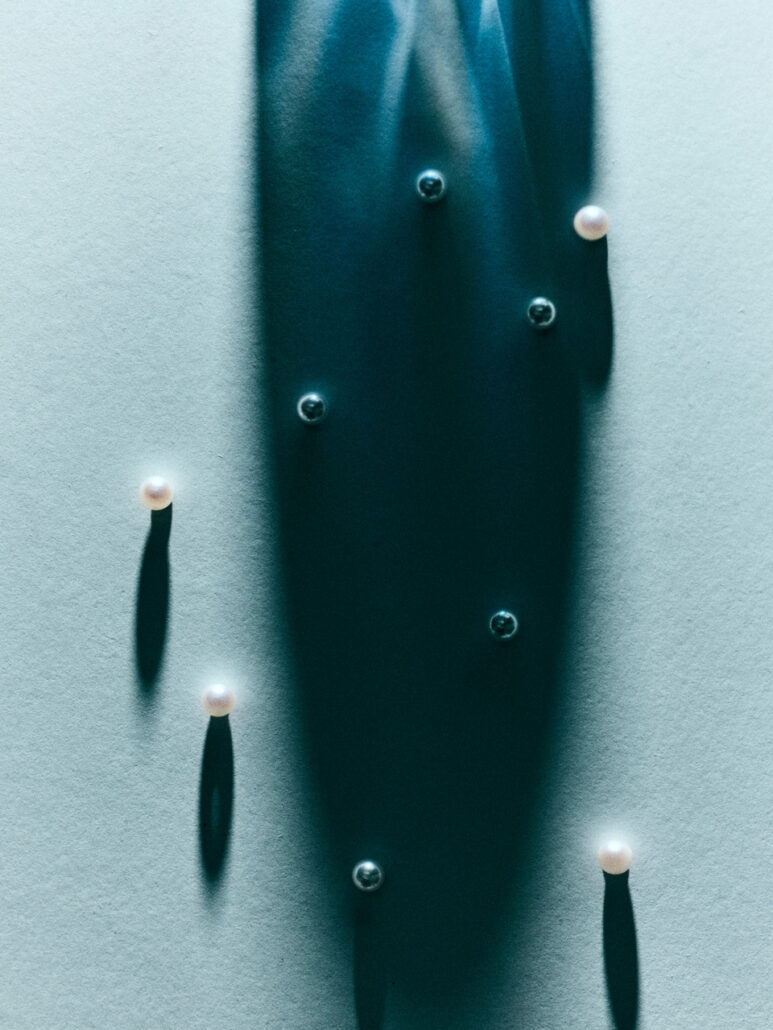
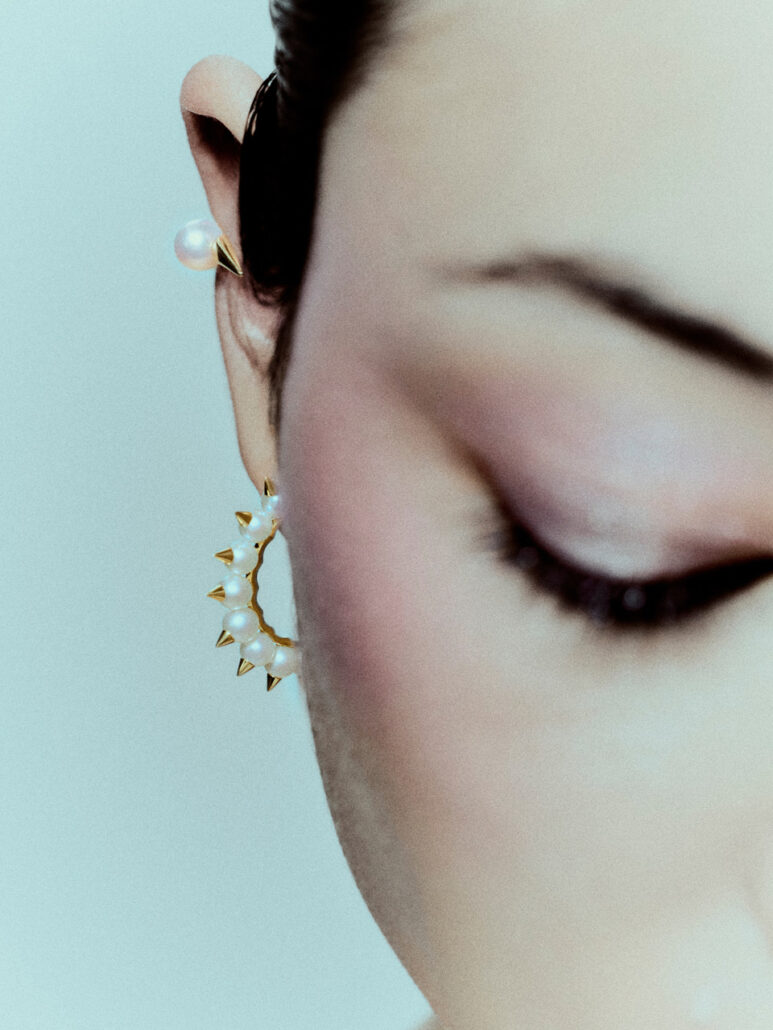
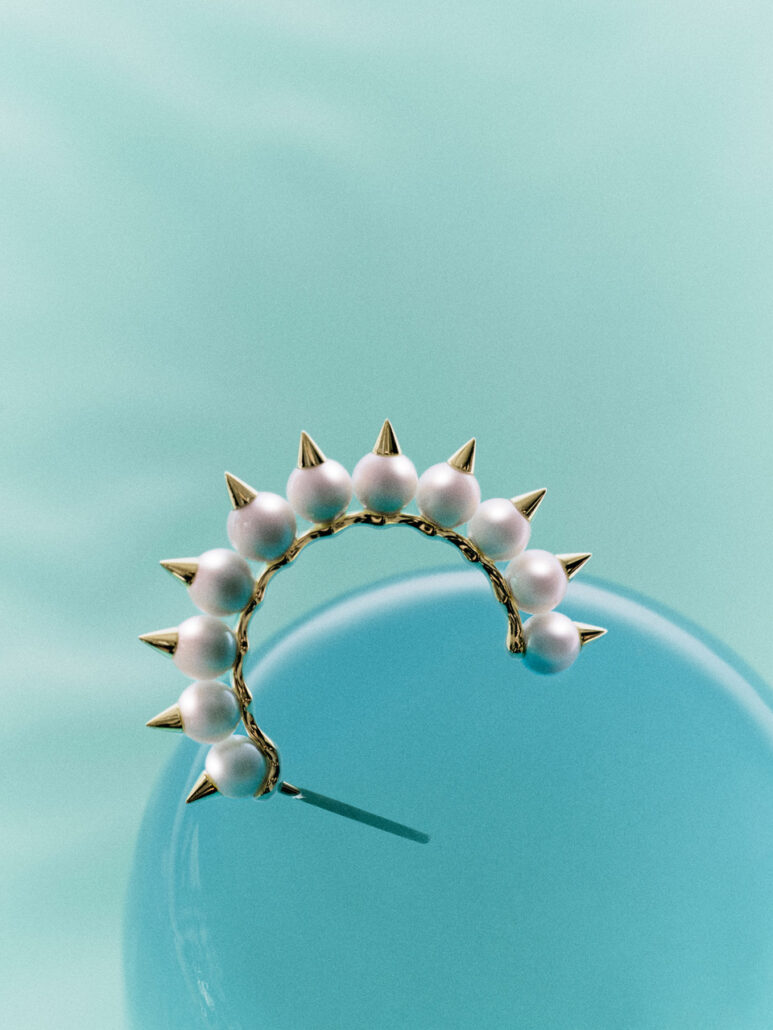
The campaign accompanying this visual identity draws inspiration from mitate, a Japanese concept that involves borrowing an object and inviting it to play a role that was never originally its own. The illusion must be convincing enough for the viewer to forget to question what is real. Silk need not necessarily be silk; a simple undulation may be enough. Here, TASAKI allows the pearl to play two roles: that of itself, and that of something entirely different.
Lacquer, Edo Kiriko Glass and Washi: A Dialogue with the Pearl
An Akoya pearl has no colour of its own. What we perceive is light passing through its layers of nacre before returning to the eye: a soft white, a silvery lustre, a hint of pink. To reveal its full beauty, TASAKI places it alongside other materials chosen for their texture, translucency and depth: lacquer, Edo Kiriko glass and washi paper. Each captures light in its own way, revealing what lies beneath the surface. It is also a tribute to the vitality of Japanese craftsmanship, where centuries-old techniques continue to shape beauty by hand.


Two Arts of Water: Eriko Horiki and Washi
This dialogue continues throughout TASAKI boutiques, where works in washi by Eriko Horiki are displayed. Like pearl cultivation, the making of washi depends on the purity of water, numerous hands working in rhythm, and a sensitivity to the slightest variations in temperature. No two pieces are ever quite identical. In both crafts, the artisan knows when to intervene, when to wait and when to let nature, or chance, as Horiki-san calls it take over.
© Tasaki
Looking Back to Move Forward
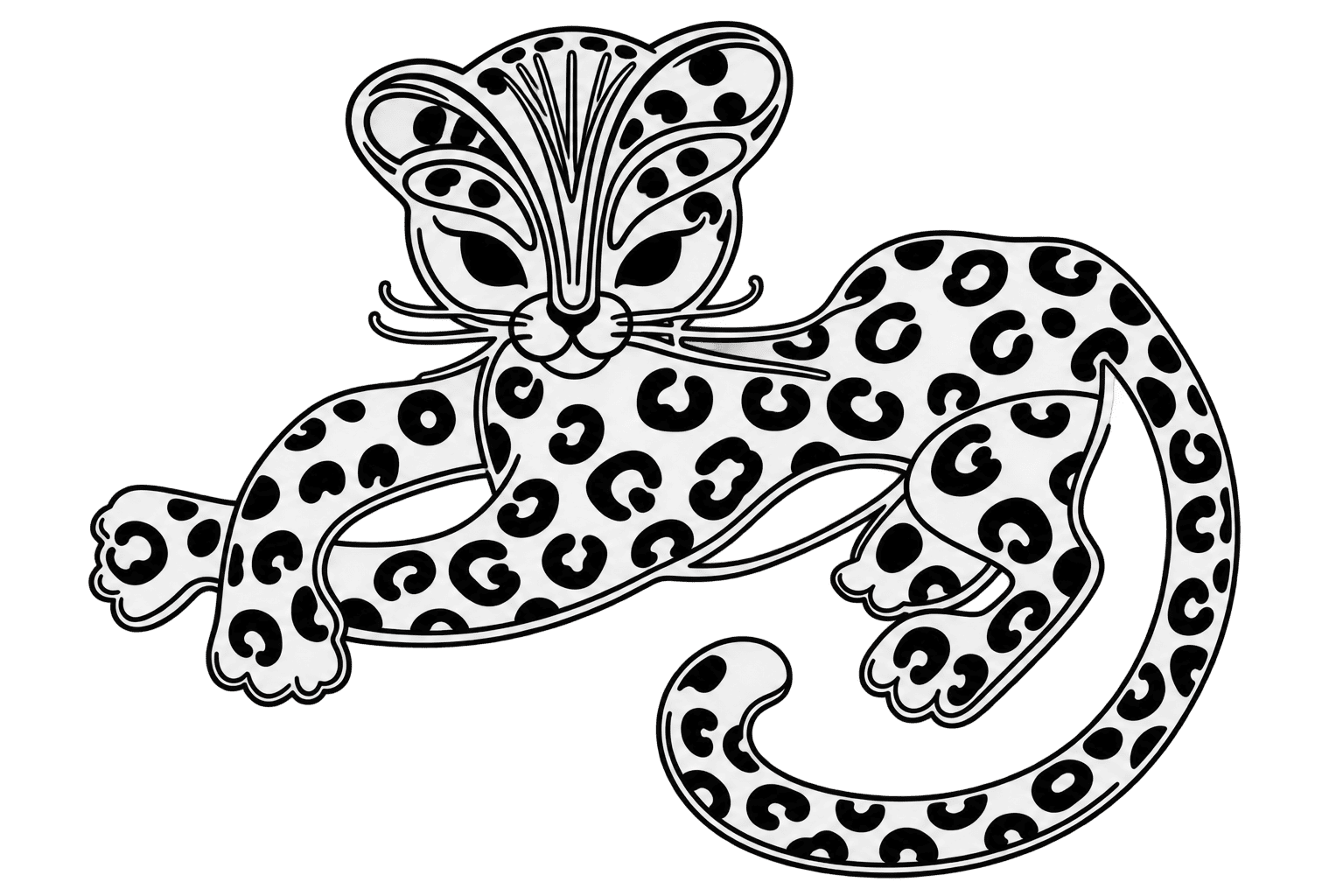
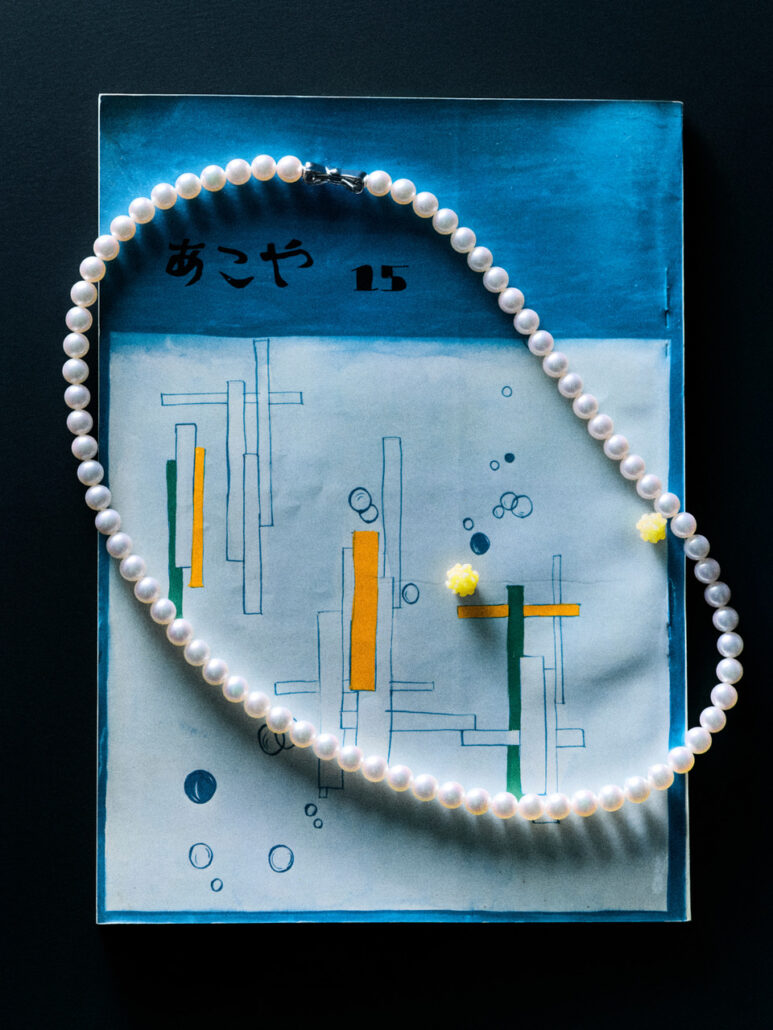
The house also draws inspiration from its archives. By revisiting them, TASAKI rediscovers its graphic and avant-garde roots: forms, images and ideas that once seemed ahead of their time, and which can now be seen in an entirely new light. The past becomes a material for the present.
Shodai Tasaki: A Legacy Passed Down Through Generations
This continuity has a human face: Shodai Tasaki, the founder’s nephew, who spent much of his childhood beside these waters and now oversees the entire pearl-farming operation. Through him emerges a particular vision of heritage: caring for living gems and passing that responsibility from one generation to the next. For a pearl, the house reminds us, gains its full significance only when it is worn and eventually passed on. Here, the pearl is neither a cliché of tradition nor a simple accessory. It is a luminous creation of the sea, entrusted to human hands determined to remain true to its nature.