




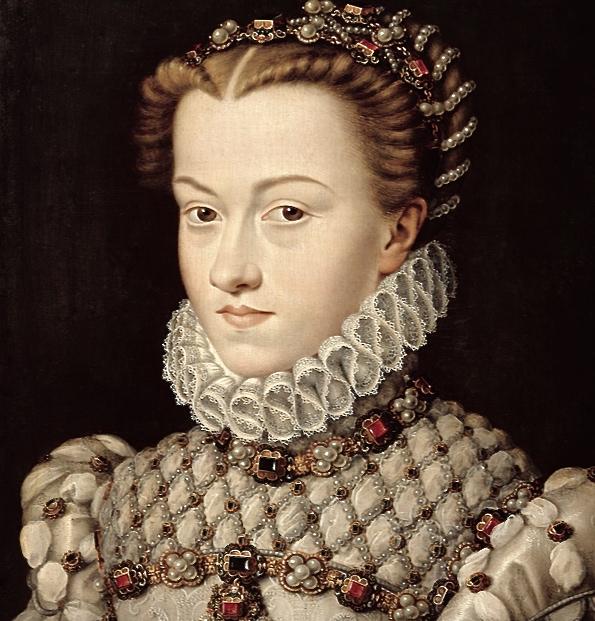
Assouline Editions offers us this sumptuous book
Jewels of the Renaissance.
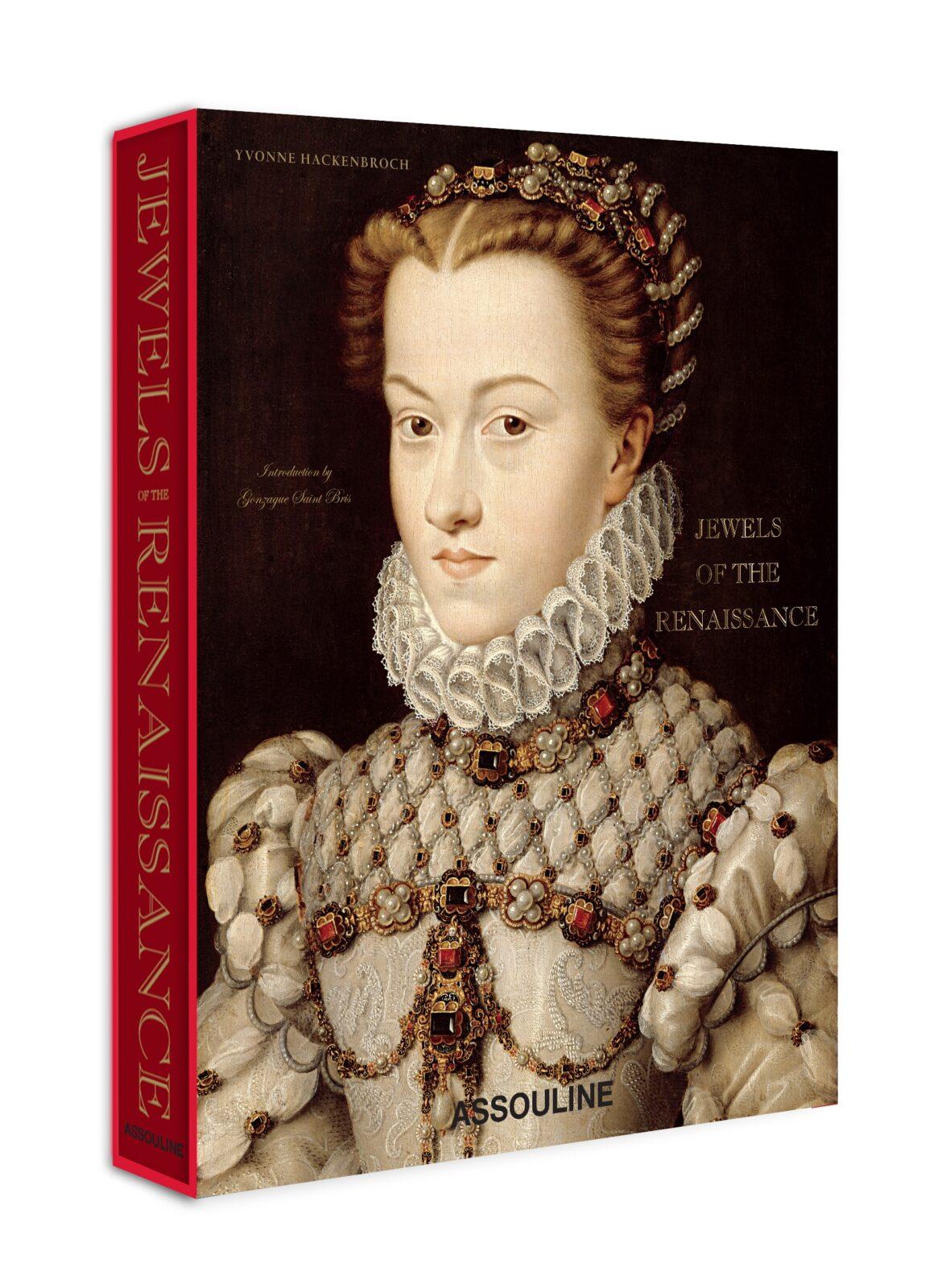
The original 1979 text by Professor Yvonne Hackenbrock, a passionate storyteller of the beauty of jewelry and their power, has been compiled into a volume brimming with luxurious images that expresses the endless creativity and limitless spirit of the Renaissance.
The preface is written by Gonzague Saint Bris, a writer, historian and journalist. This expert in the Renaissance He presents this period with great eloquence: « The Renaissance We convey this admiration, both for the intelligence of grace and the grace of intelligence, in an era when men wore precious stones and women’s shoulders were adorned with jewels.
Let's open it Jewels of the Renaissance
Over three centuries, the Renaissance It will be a period of renewal, artistic, literary and scientific revolutions. Three centuries: the Trecento, the Quattrocento and the Cinquecento, during which a philosophical reflection characterized by humanistic thought took place.
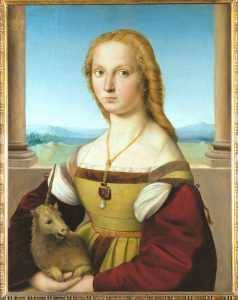
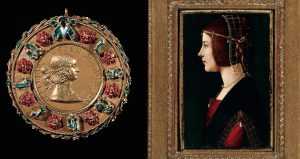
This artistic period born in Italy was introduced in France in the 16th century by Francis I. At his request, Italian artists, including the famous Leonardo da Vinci, developed their ideas. A lover of the arts, a generous patron, and a great builder, the king with the lizard favor the blending of Italian and French culture.
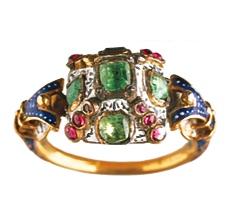
Jewelry, like all works of art, then becomes imbued with this new style. Mythology, plants, arabesques, and fantastic creatures are all popular subjects. The influx of wealth, with the conquest of the New World, led to creations with more ornate patterns and precious stones.
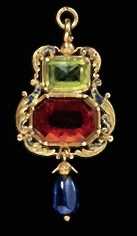
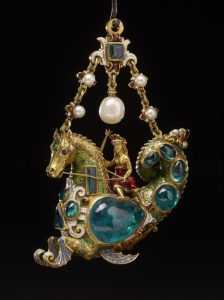
Techniques evolved with the introduction of faceted stones and the use of enamel.
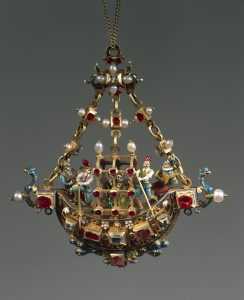
The jewelry They are symbols of power; they express human ambitions and emotions: love, friendship, devotion, superstition, pride...
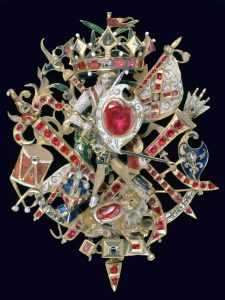
Between two worlds, the Renaissance It is a cultural revolution where man leaves a dark era of ignorance for an era of knowledge and understanding. Jewels of the Renaissance It is a delight for lovers of jewelry and history.
More than a book, it’s a treasure.
Music: Il Giardino Armonico – Marini – Sonata sopra ‘la Monica’