



In postwar jewelry, order was the fashion. Lines were clean, diamonds ruled, and technique was meant to be seen. Jean Schlumberger never really joined that conversation. He designed jewels that look like treasures found at the bottom of an imaginary garden, and he did so with a self-assurance that commands respect.
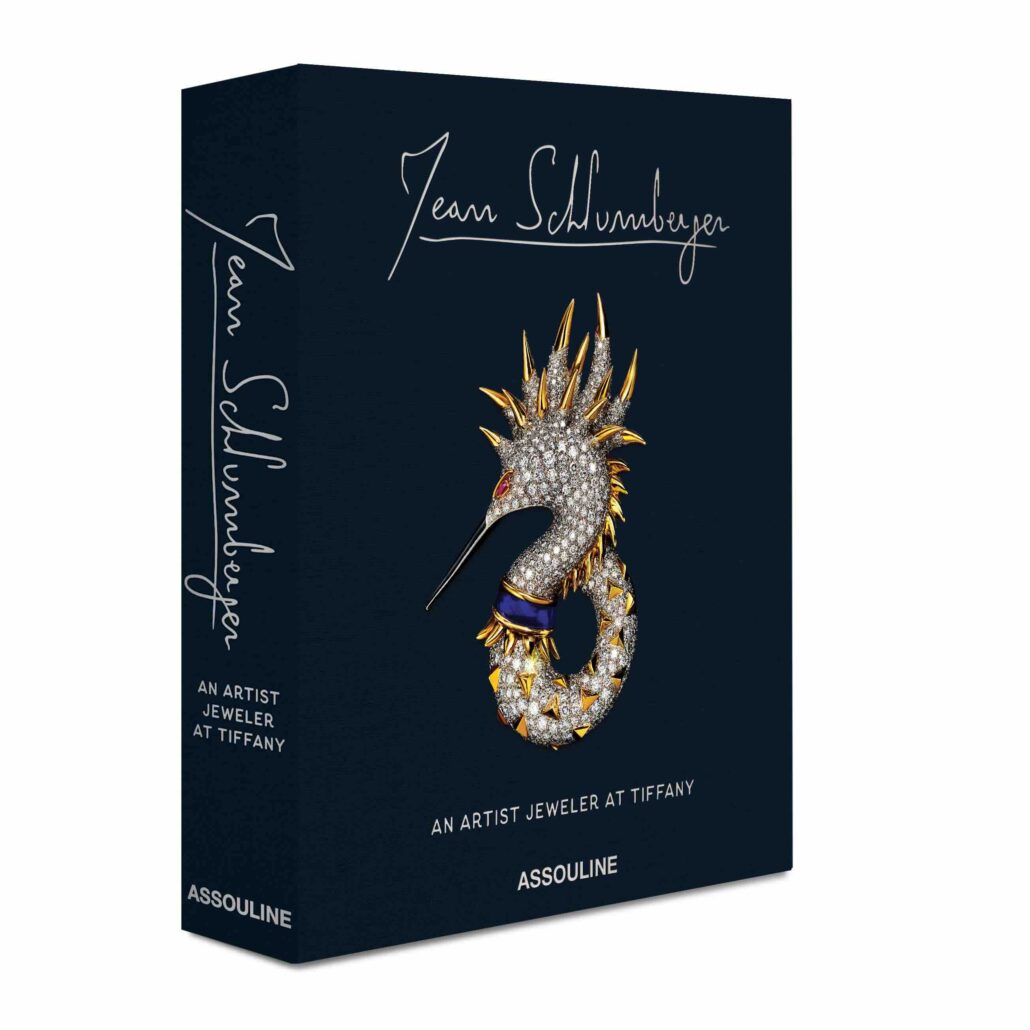
This singular journey is the subject of Jean Schlumberger: An Artist Jeweler at Tiffany, published by Assouline. Faithful to the house's tradition of making the art book an object to be looked at as much as read, the volume presents itself as the definitive reference on the designer, with the scope and ambition to match.
From Alsace to Fifth Avenue
Born in Alsace, into a family of Mulhouse industrialists, Jean Schlumberger was not destined for the trade. He came to it through fashion. In 1930s Paris, he entered Elsa Schiaparelli's orbit and designed buttons and costume jewelry for her whose Surrealist humor already foreshadowed everything to come. The war then took him to New York, where his reputation grew among a clientele not easily impressed.
In 1956, he joined Tiffany & Co. The American house welcomed a Frenchman who thought like an artist rather than a maker of parures, and it gave him the room he needed. From this meeting came some of the most celebrated pieces of twentieth-century jewelry, including the Bird on a Rock, that small golden bird perched on a stone, which became one of the house's emblems.

© Les Arts Décoratifs
If we believe that certain jewels can be sheer poetry, this is likely to be born of an unshackled discipline. Then full of renewed hope, the creative spirit will blossom.
Jean Schlumberger
Design First, Stone Second
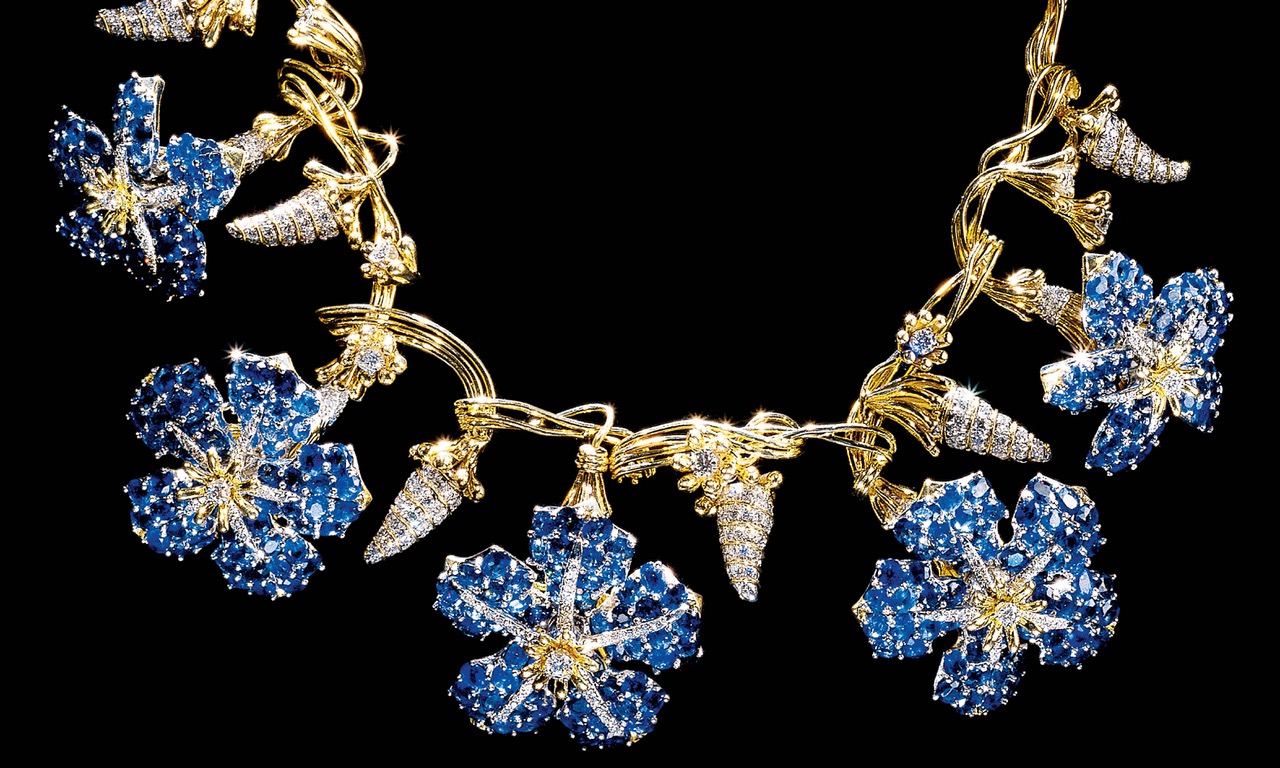
What the book conveys so well is Schlumberger's freedom from the hierarchy of gemstones. He did not believe in ranking so-called precious stones above the rest. Tourmalines, citrines, topazes and peridots all find their place in his work, because the right color matters more than a prestigious name. The game is played in the composition.
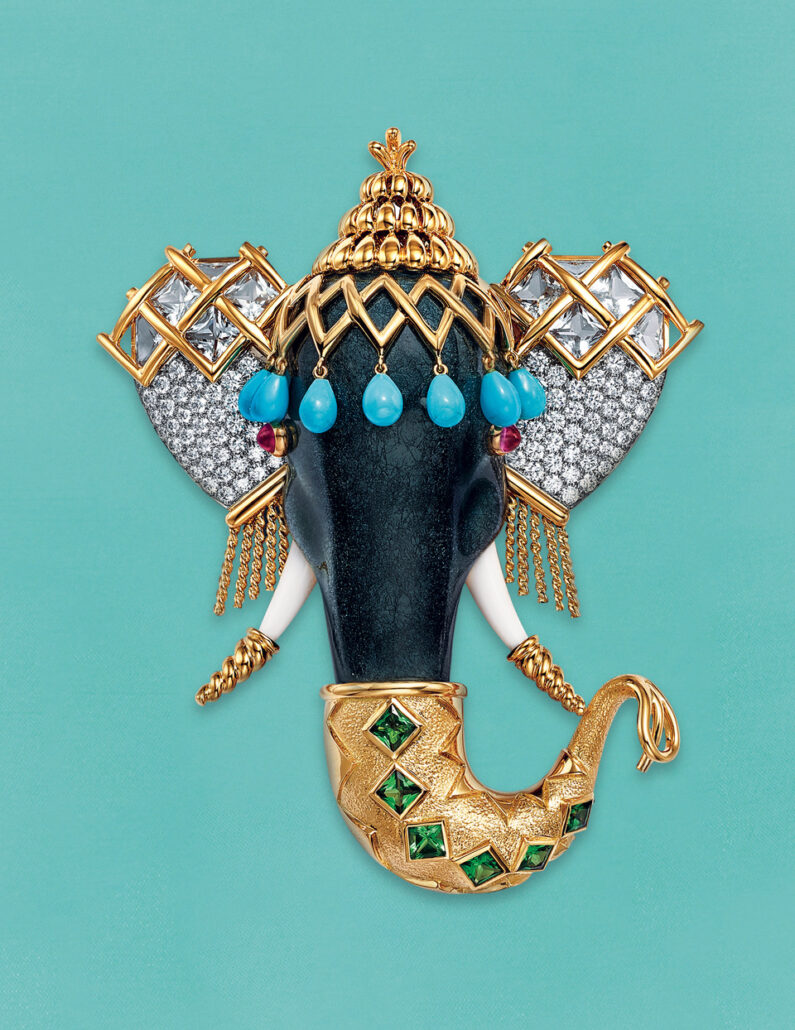
Flowers, shells, birds, ribbons and details borrowed from couture: his nature is a living world, rendered with wonder but without a trace of sentimentality.
And because he knew how to represent objects in space, his jewels can be admired from every angle, like miniature sculptures.
Gold Thread as Handwriting
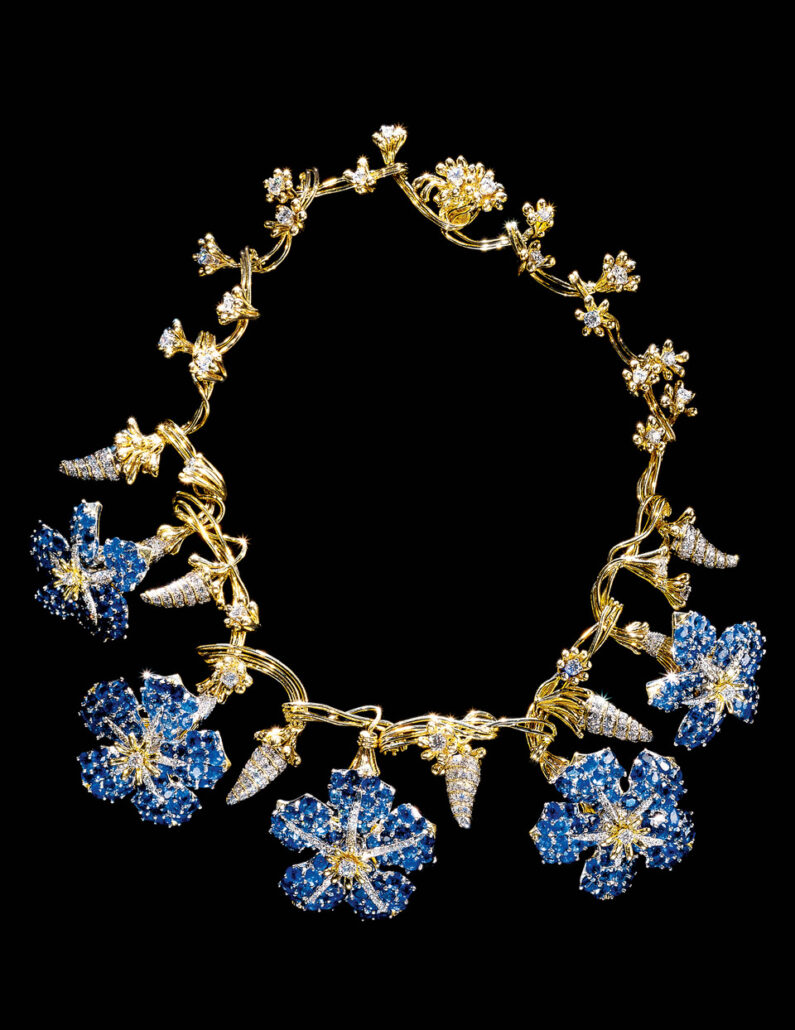
The book also lingers on the hand at work. Schlumberger established a way of working gold wire in scrolls and braids that demands exceptional skill. Add to this hand-set diamonds in abstract patterns, extremely fine engraving and bold colors, and the jewels acquire movement and an almost tactile substance.
© Didier Massart
Anyone who, like me, has held one of these pieces in the palm of the hand knows that photography does not say everything. The gold thread has a weight, a suppleness, a warmth that only touch reveals. What strikes me about Schlumberger is his inimitable style and his audacity. He dares color, volume and movement where others settle for being well-behaved. His signature is recognizable among a thousand.
This freedom rests on a conviction he voiced himself: "I feel convinced that everything which is conceived with love, faith, tenderness, and conviction will in return emanate all the feelings that presided at its birth." Before his jewels, one can only agree.
Pieces Rarely Seen
© Les Arts Décoratifs
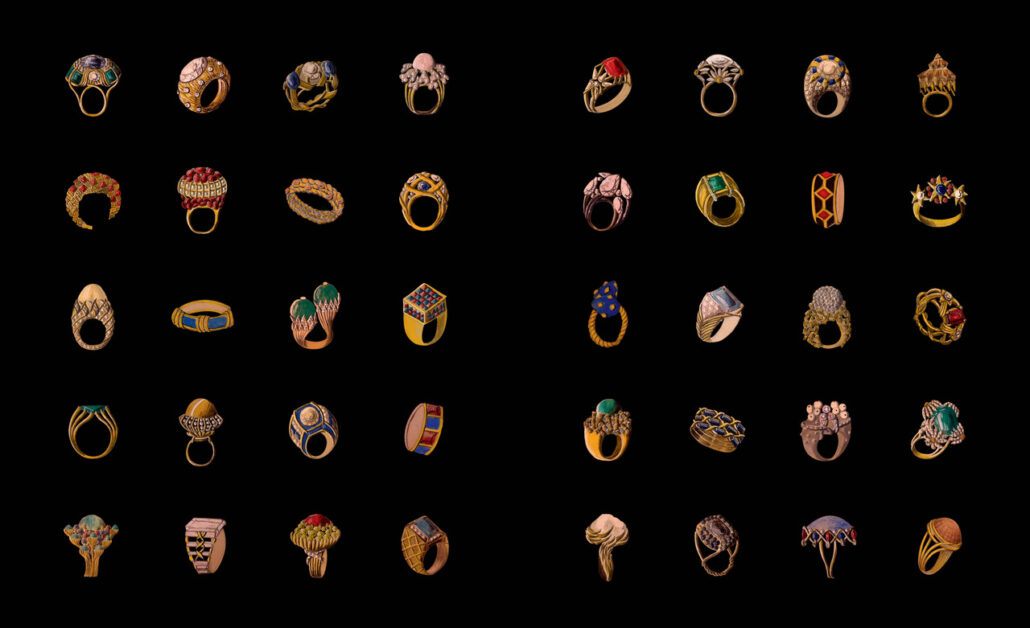
The imagery is one of the book's great strengths. Several jewels from private collections are reproduced here, photographed specially for the volume. For anyone interested in the history of jewelry, it is a precious document, since these pieces most often live far from public view, away from display cases and exhibitions.
A Must-Have for Lovers of Creative Daring
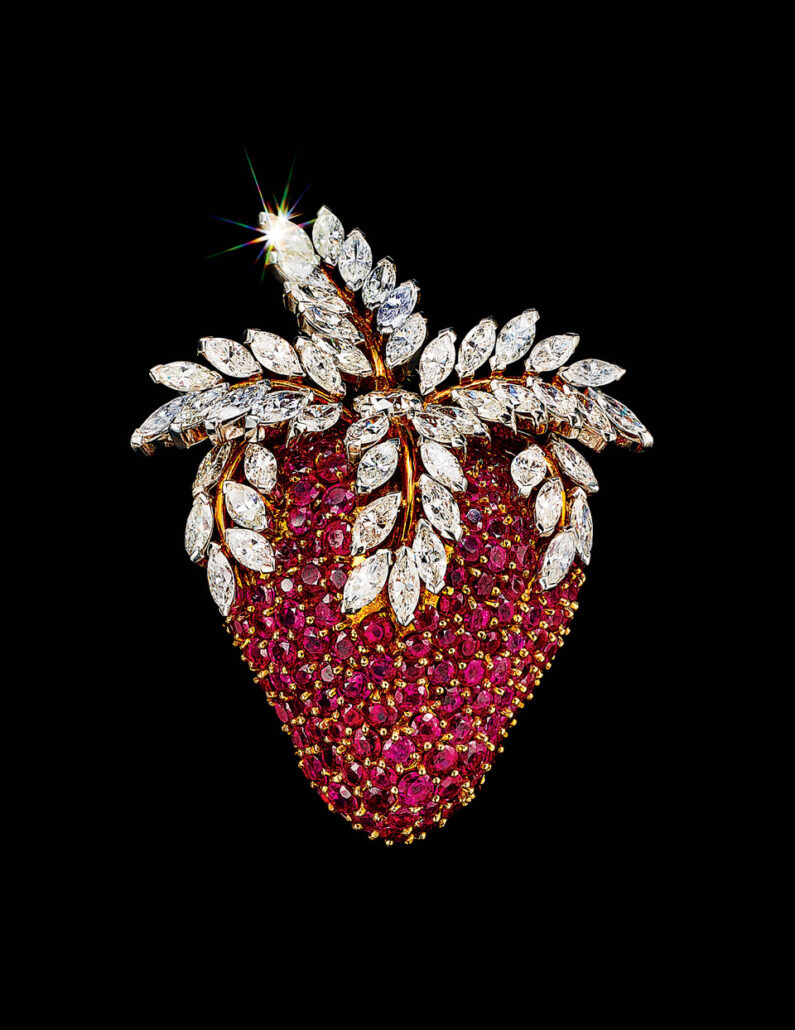
More than a monograph, this book is an invitation to step into the mind of a creator who never stopped marveling.
With Schlumberger, imagination does not seek to please: it asserts itself naturally, blending mastery of the craft with freedom of tone. This creative energy, at once theatrical and rigorously exacting, continues to inspire today's jewelry, which is gradually rediscovering color and daring.
Thus, Jean Schlumberger: An Artist Jeweler at Tiffany is for anyone who loves the history of jewelry and great creative adventures. It naturally takes its place among the essential volumes of a library devoted to the decorative arts: a book to be leafed through slowly, the way one opens a jewelry case, and to return to as a reminder that a jewel can be the fruit of great learning without ever taking itself too seriously