






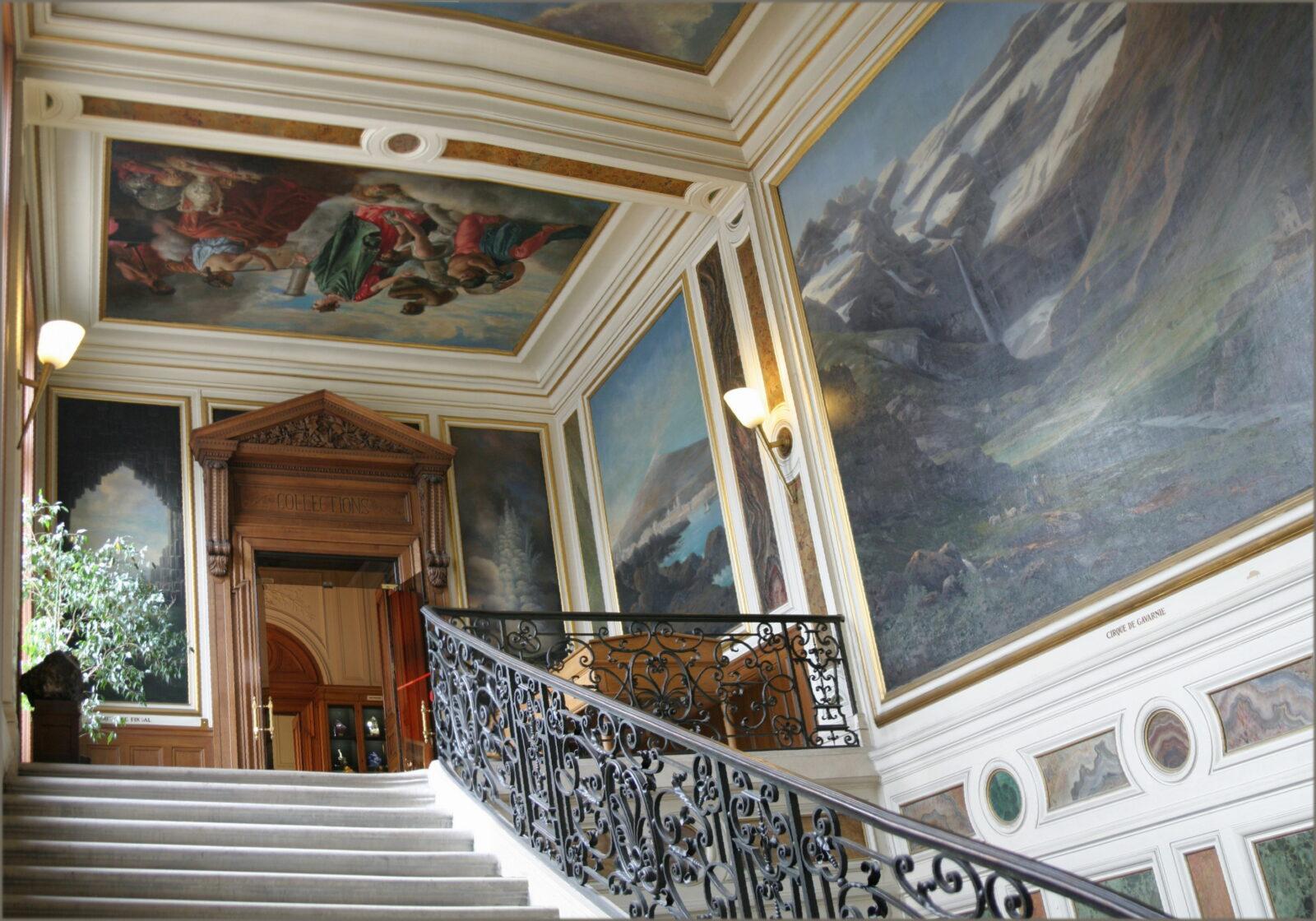
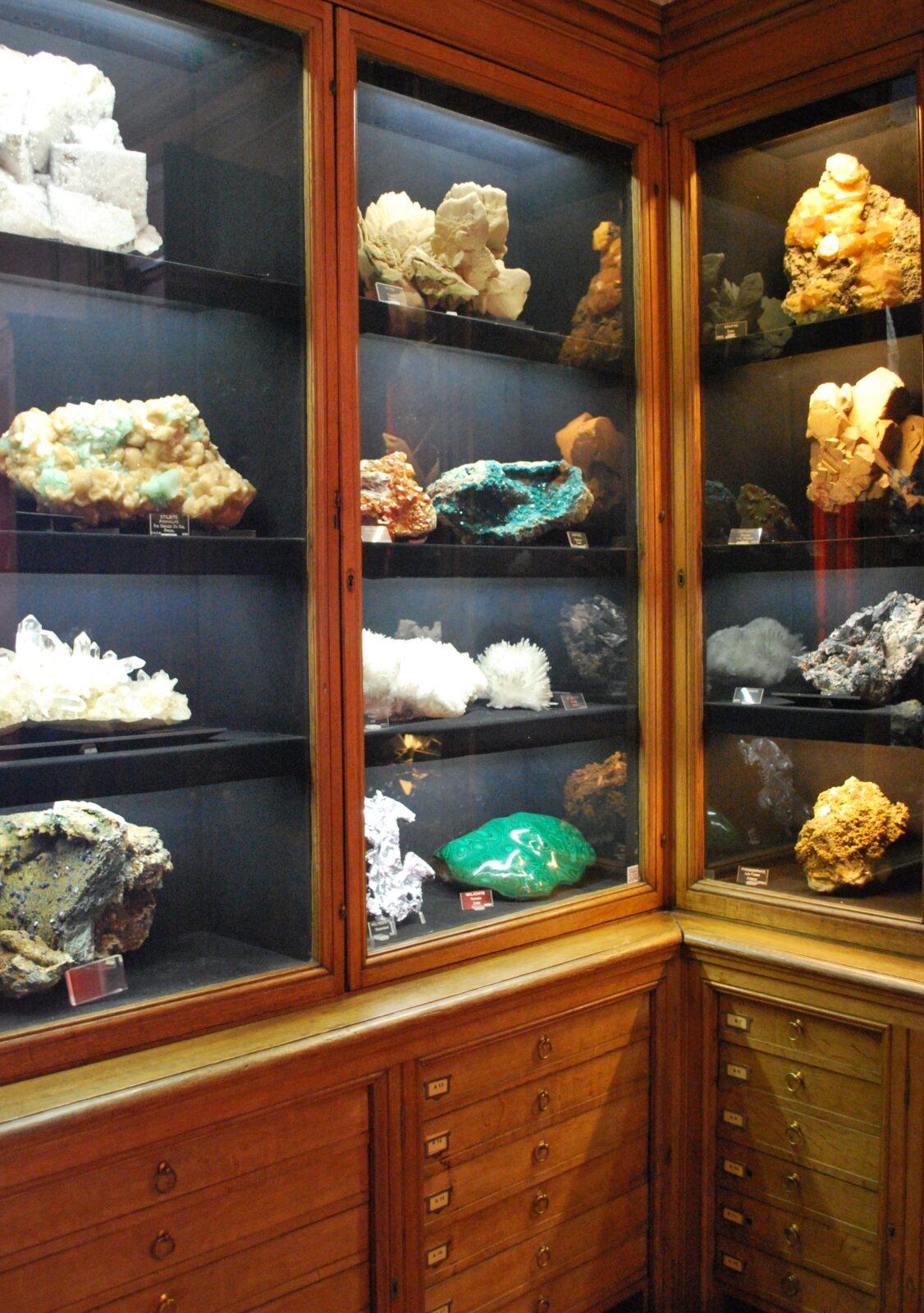
Esprit Joaillerie met Didier Nectoux, curator of Museum of Mineralogy Mines ParisTech. For our readers, he shares the «mineral curiosities» and wonders of nature. This interview takes place at L’Hôtel de Vendôme, located in the gardens of Luxembourg, where the mineralogy museum Mines de ParisTech is located.
Rocks, crystals and minerals are on display there, offering a universal heritage.
Meeting with Didier Nectoux
What is your favorite stone?
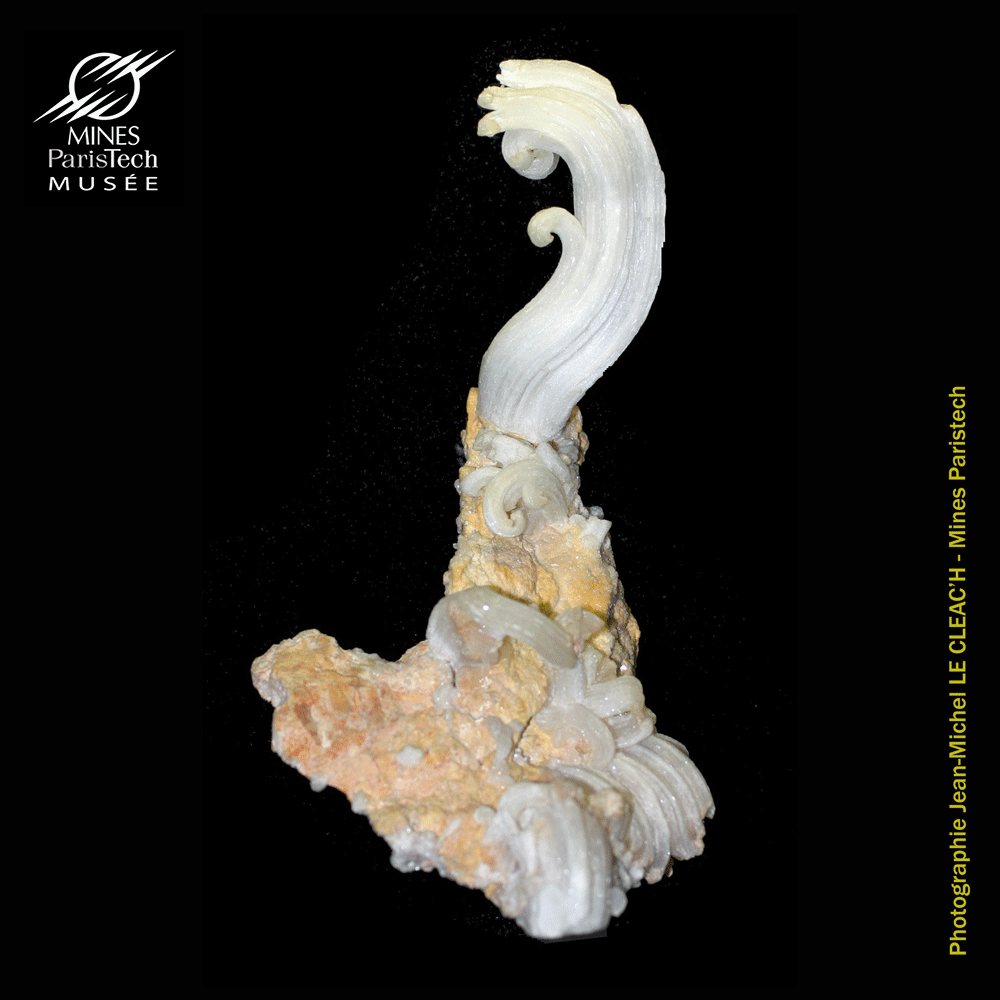
There are two of them; I like them because they evoke wonder and question about the natural and the artificial. First of all, the Sepiolite because no one believes that it is a mineral! In fact, it looks surprisingly more like a sculpture than a mineral.
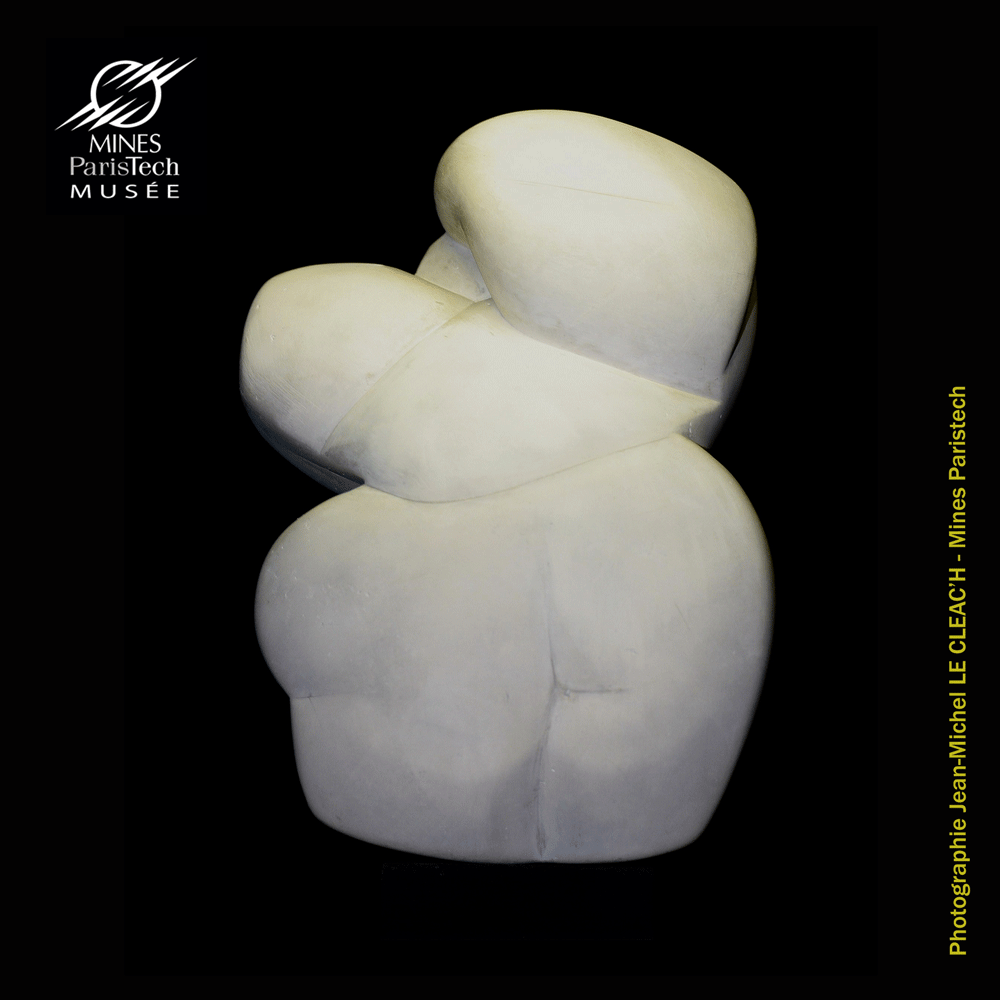
© Mines ParisTech
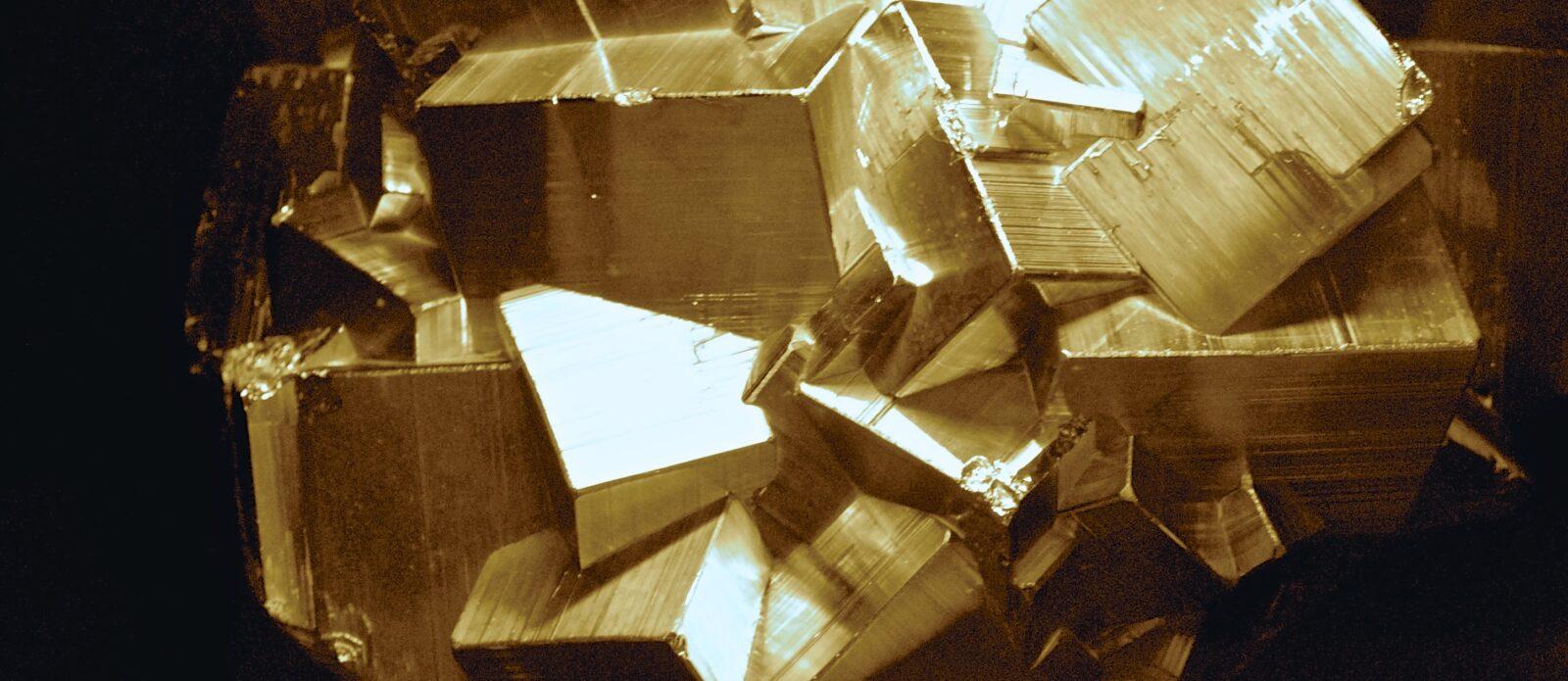
Then, the second one is Pyrite. It’s a classic, but here too the perfection of geometric forms strikes the eye. Thus, the visitor has a hard time believing that there was no human intervention on such samples.
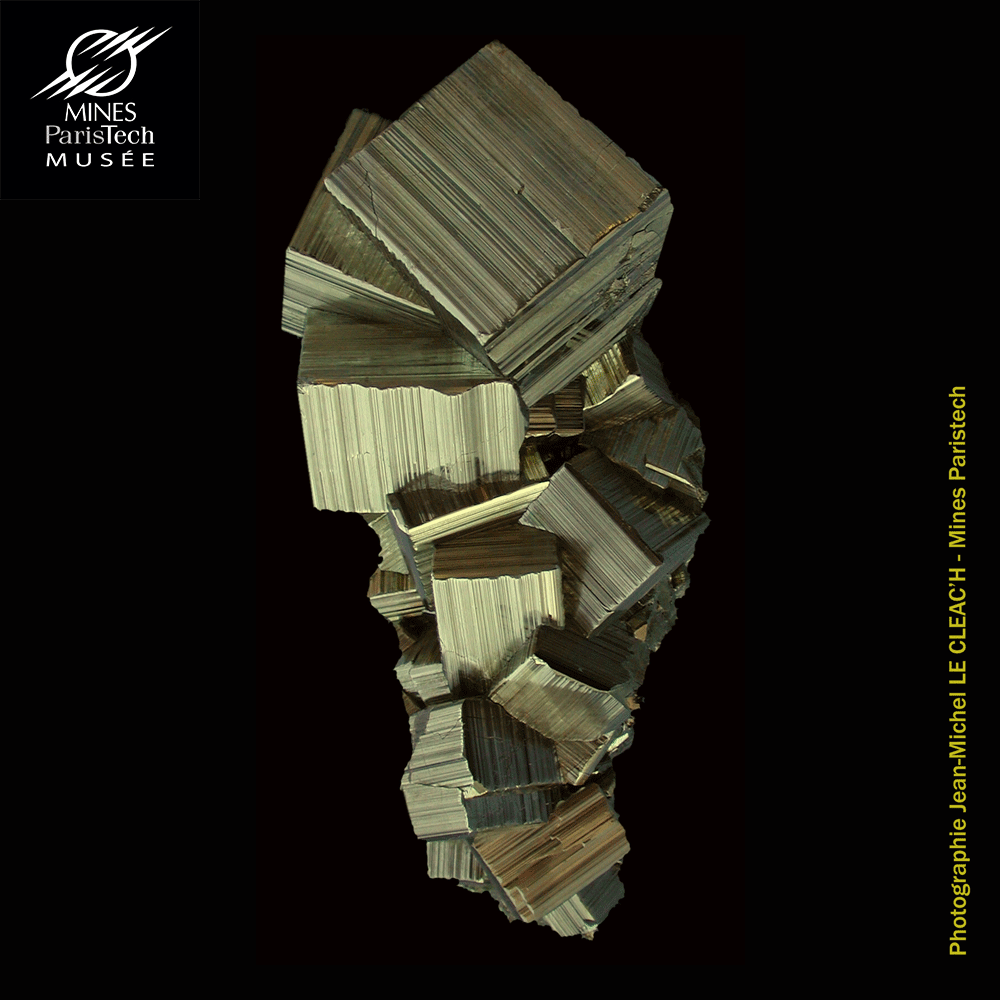
© Mines ParisTech
What do you like about your job?
Without hesitation, I answer the sharing of knowledge.
What inspires you with a gemstone for a jewelry piece?
This interests me because a jewel with a stone tells both the story of the quarry from which it was extracted, and the craftsmanship of the craftsman who carved it.
Moreover, it is fascinating to be able to make a connection between a carved stone and the way it was transformed, shaped. Here is a phrase that I kept in mind: that of a very young visitor to our Mineralogy Museum:
«The stones are so beautiful that you would think they were fake.»
This confusion between natural beauty and artistic creation is wonderful.
If you had to choose a stone for its usefulness?
Immediately the calcite comes to mind.
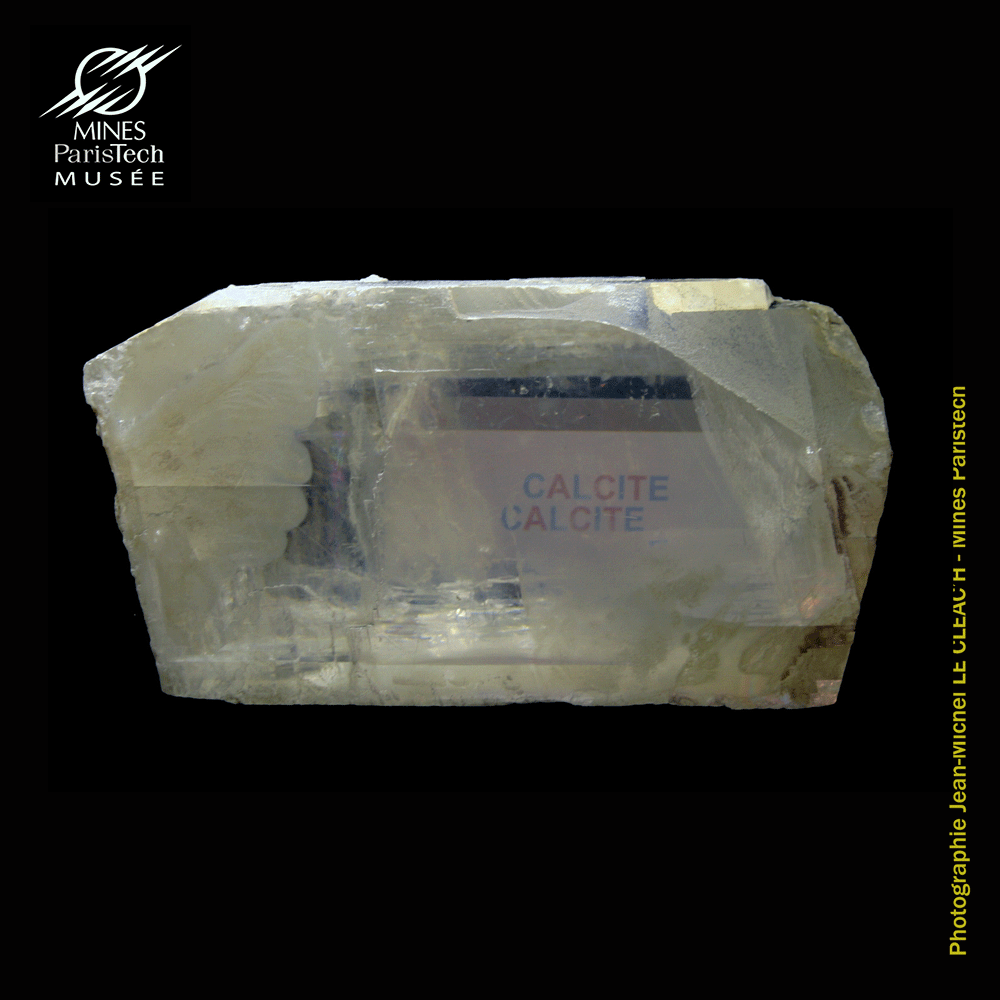
© Mines ParisTech
For example, by heating it to 880 °C, limestone is produced. Temples, cathedrals, bridges, castles, or even simple private houses have been built with this material.
Similarly, it also enters into the composition of cement (80% Calcite and 20% Clay), cement has accompanied the industrial revolution. Again, how many works of art and constructions have been and are still built in concrete!
Still regarding calcite, it is not to be forgotten the discovery and work of the Abbé René Just Haüy, considered the father of crystallography. The little story goes that it was by dropping a rhombic calcite crystal and breaking it that the Abbé Haüy had the intuition that an internal organization of minerals existed, thus developing the concept of the integral molecule. In telling this anecdote and having him exclaim «Everything is found!» Cuvier made Haüy enter the Pantheon of Great Scientists. In crystallography, calcite is somewhat like Newton’s apple to the law of gravity. Calcite opened the doors of matter!
It should be noted that calcite, calcium carbonate, is also the storage unit for atmospheric CO2.
Billions of years ago, calcite began to precipitate (thanks no doubt to biological activity) to form significant volumes of limestone rocks. In doing so, it consumed and stored the enormous amount of atmospheric CO2 produced by volcanoes, thus making the air breathable and thus possible life outside of water.
Formidable calcite that thus participates in the history of the Earth, science, and human civilization.
A historical stone?
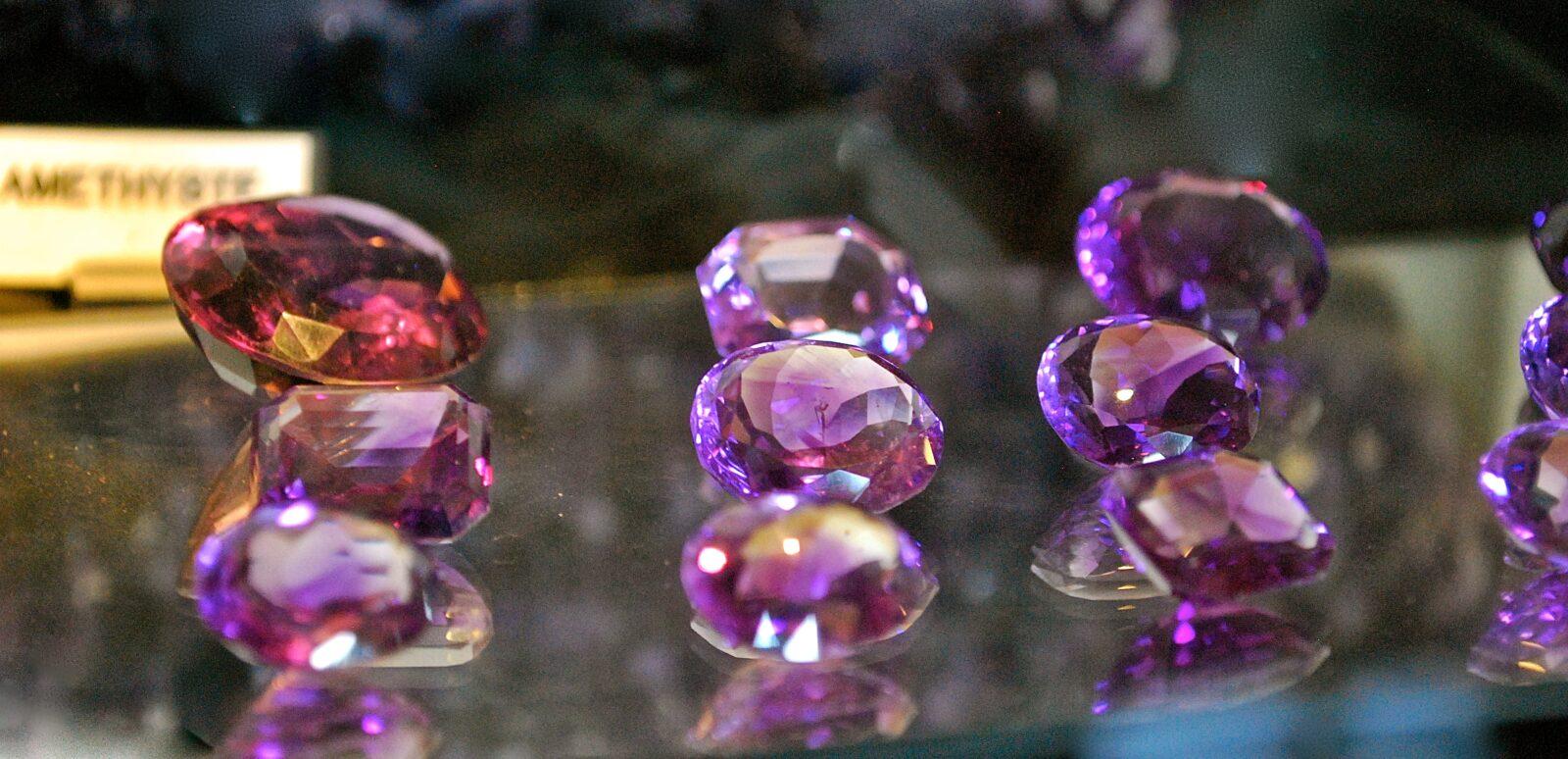
The jewels of the Crown!
The Mineralogy Museum of Mines ParisTech owns and displays amethyst, topaz, and emeralds from the jewels of the French Crown. In 1887, the republic decided to sell this treasure. However, the experts decided to keep certain stones that would be deposited in the Louvre, the National Museum of Natural History, and the Museum of the École des Mines.
What has happened to you? Given the passion for stones?
It was thanks to a fourth-grade teacher, his geology class, and a field trip to Cormeilles en Parisis. Despite intense rain, I was probably the only student enchanted by this geological outing. I brought back shells from oysters and gypsum crystals.
© Mines ParisTech
It was a real revelation. The teacher was great.
My passion was born that day.
A music you listen to?
Baroque music. Mozart because it touches on the divine. But right now it’s also Stromae’s album. It’s very eclectic.
Which exhibition would you like to organize?
An exhibition about the beauty and usefulness of minerals! An exhibition that explains the relationships that exist between these magnificent minerals and the objects that surround us in our daily lives.
Also about the discovery of minerals and ores. The human, technical, scientific adventures that involve their extraction, processing, and transformation to obtain manufactured objects are absolutely fascinating and very little known to the general public.
We thank you for this visit amidst this aesthetic heritage.
You make mineralogy accessible to everyone. Thus, thanks to you, our perspective on stones changes; they are not only beautiful; they are also useful!
Museum Mines ParisTech
60 Bd Saint-Michel 75006 Paris