





Chic Cats, feline meditation according to The Assouline Editions.
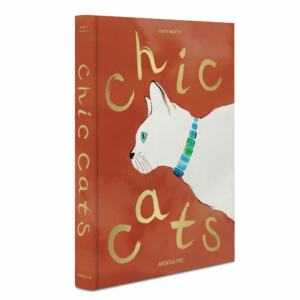
There are books that impose nothing, but create a climate. Chic Cats, of Editions Assouline, This aesthetic of softness, where the editorial object becomes a space for contemplation, is evident in the cat; it appears here not as a subject but as a line of escape, a presence that organizes the gaze without ever submitting to it.
Since his first alliances with man, the feline has cultivated a tenacious ambiguity. Companion without dependence, familiar without docility, it traverses the ages with an almost conceptual consistency. In ancient Egypt, it was associated with sacred order and protective powers; today, it inhabits the images with a comparable ease, as if it had never left that symbolic territory. This shift, the book suggests without explaining, preferring juxtaposition to demonstration.
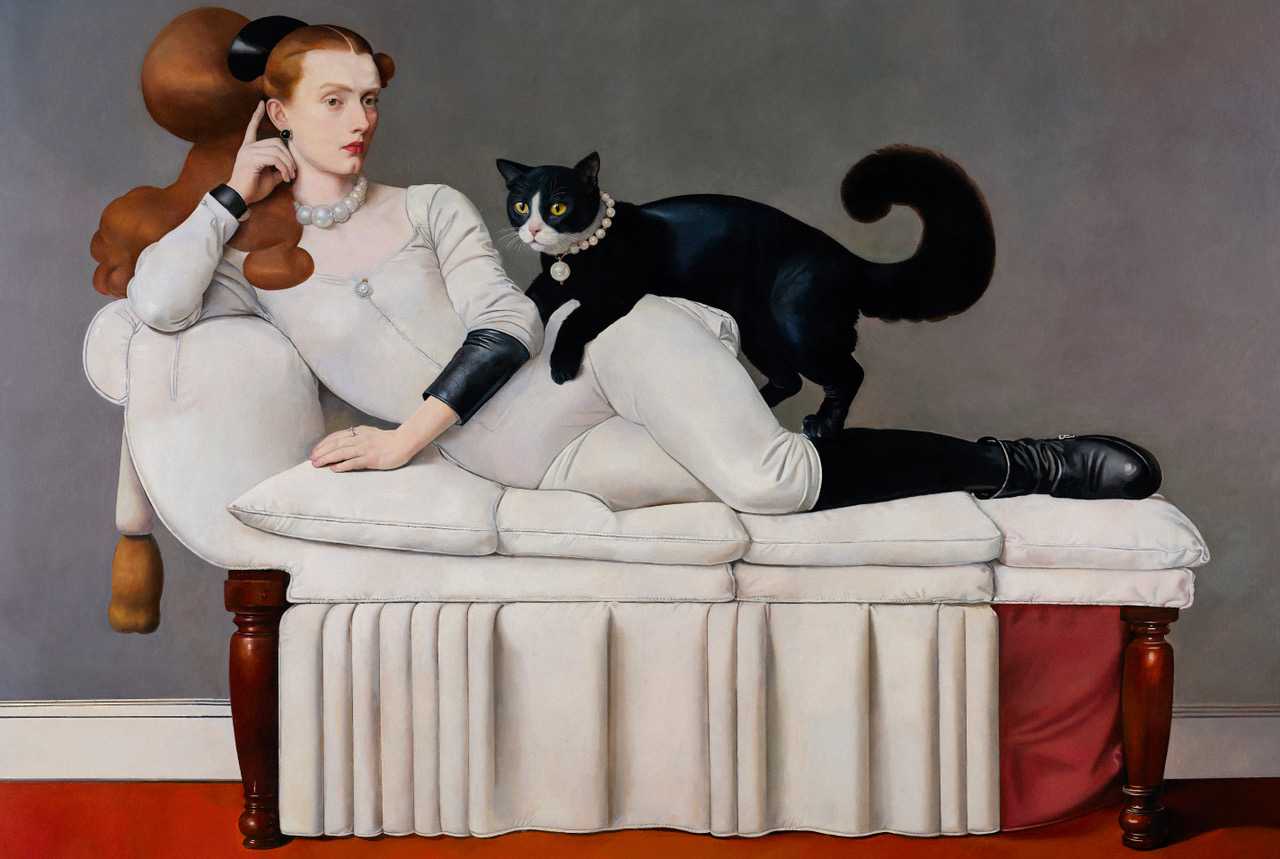
The strength of the work lies in its composition. The images dialogue at a distance: a fashion photograph responds to a cinematic archive, a modern work echoes a domestic scene. The cat moves between these registers without ever dissolving into them. It introduces a slight tension, an almost imperceptible imbalance, which prevents the image from closing in on itself.
In this ensemble, chic is not manifested as a visible attribute. It rather manifests itself in a way of being in the world, characterized by restraint and economy. The cat does not seek to seduce; it withdraws, turns away, allowing itself to be approached without ever giving in. This posture, which some creators have recognized, runs through the pages like a silent lesson. One thinks of those figures in fashion or the arts who saw the cat as an alter ego, not a symbol, but an affinity.
Cinema, too, has managed to capture this unique quality. Not by multiplying the effects, but by giving the cat time to exist on screen. A brief appearance is sometimes enough to move a scene, to change its texture. Chic Cats he captures these moments with an almost documentary attention, without succumbing to nostalgia.
What is at stake ultimately goes beyond the mere fascination with the animal. The book sketches a reflection on presence: how to occupy a space without filling it, how to mark an era without becoming trapped in it. The cat, by its very withdrawal, offers a possible answer. It embodies a form of freedom that does not proclaim itself.
In this perspective, the work of Editions Assouline It neither seeks to classify nor to conclude. It leaves it to the reader to move around, to associate, to interpret. And perhaps that is where its justice lies: in this trust granted to the intelligence of the gaze, and in this way of recalling, without insistence, that style often begins where discourse fades away.
Credit Cover © Von Wolfe