






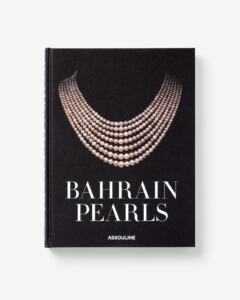
Bahrain, the kingdom of fine pearls, a dive into the book of Editions Assouline.
There are territories whose memory emerges from the surface of things. In Bahrain, it rests in the hollow of a oyster. When the Venetian traveler Gasparo Balbi noted in 1590 that «the most beautiful pearls are found on the island of Bahrain,» he recorded an already ancient fact. Well before modern maritime routes, the pearly banks of the Arabian Gulf irrigated trade and shaped an insular economy whose brilliance owed nothing to chance.
The book Bahrain Pearls, published in Editions Assouline, is rooted in this historical depth. The work does not merely exalt a natural treasure; it also reconstructs its human, political and cultural context. From the periods of Dilmun and Tylos (ancient names of the archipelago, which was then a commercial crossroads between Mesopotamia and the Indus Valley) to the contemporary era, it traces the thread of an activity that kept the kingdom beating in its heart for centuries.
Pearl fishing, documented as early as the 3rd millennium BC, structured Bahrein’s society. It imposed its rhythms, hierarchies, and know-how. In Muharraq, the former capital, merchant houses and courtyards still bear witness to this maritime prosperity. Listed as a UNESCO World Heritage Site under the title «Pearling, Testimony of an Island Economy», the site preserves the memory of a trade that linked the island to the great markets of Bombay, Paris, or Istanbul.
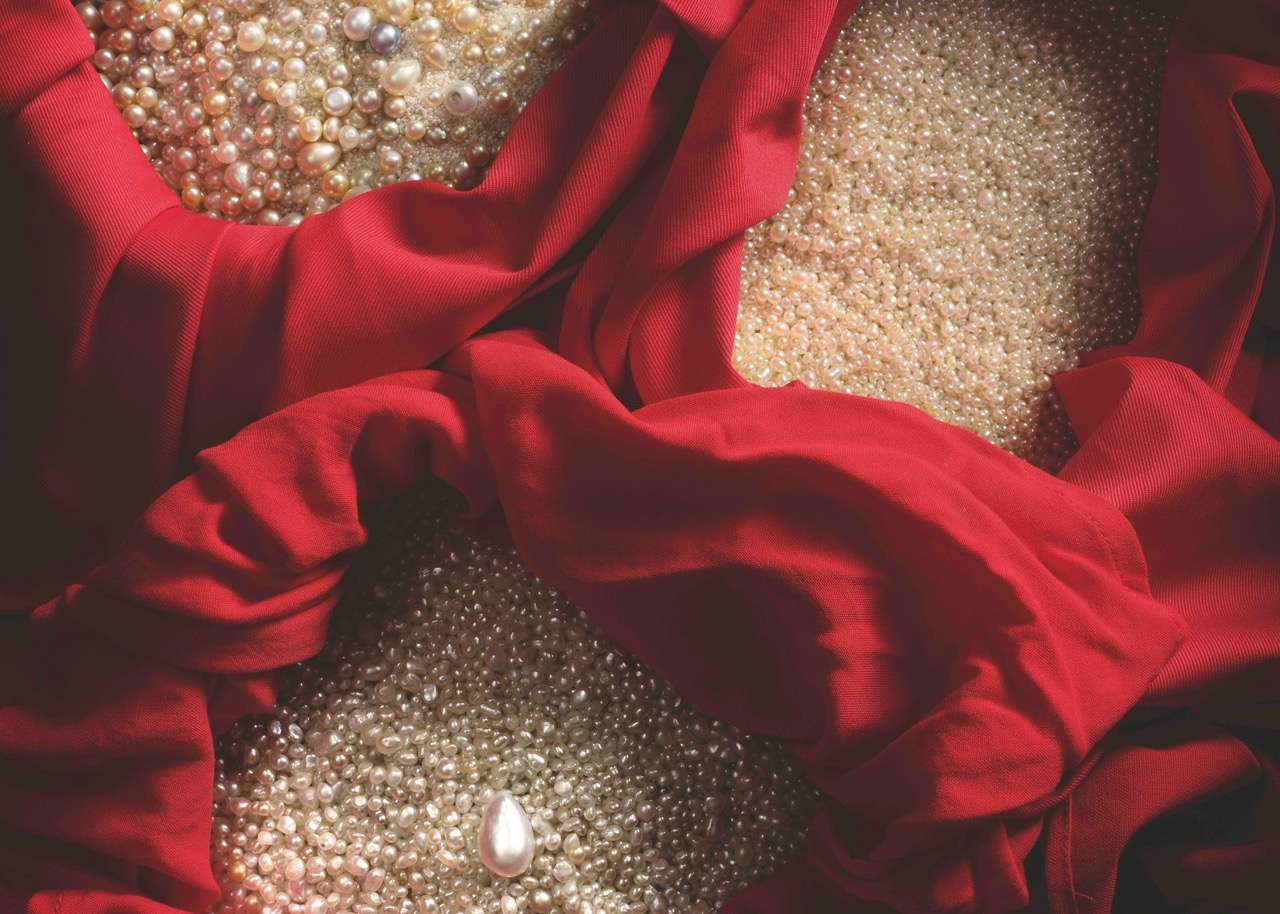
This past does not belong solely to the archives. In a world where synthetic gems are taking up an increasingly important place, Bahrain maintains a unique position: the kingdom neither permits the cultivation of cultured pearls nor imports them. The oysters are harvested in protected areas, and natural pearls continue to fuel an artisan craft handed down through families committed to the precision of the craft and to knowledge of the seabed. This continuity gives the jewel a particular density: it is not just an ornament, but a fragment of an ecosystem and a history.
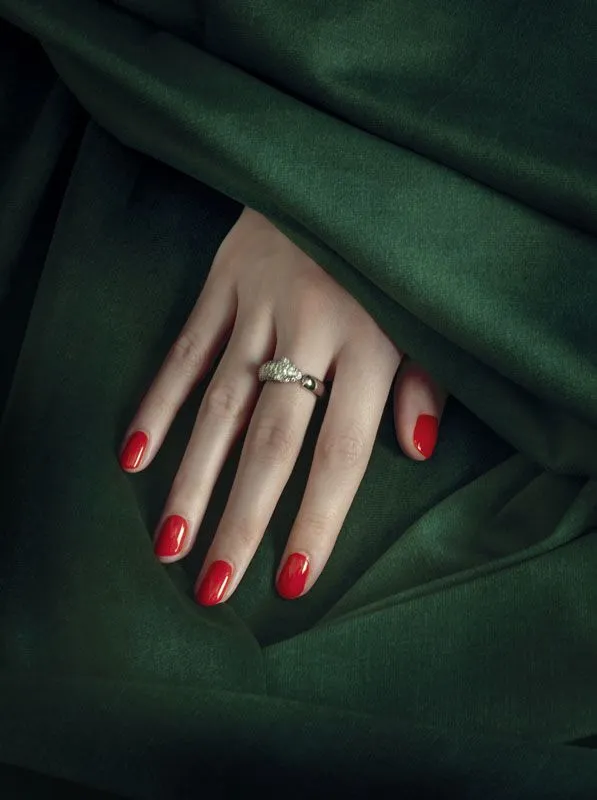
In this context, Bahrain Pearls It unfolds a rich narrative, supported by iconography that alternates views of archives, portraits of artisans, and ancient or contemporary jewelry pieces. The work highlights the way in which the pearl shaped a local aesthetic, based on balance and measure, while also interacting with international tastes. One can see the evolution of mountings, the influence of trade, and the permanence of a preference for natural pearls with soft reflections.
The author, Carol Woolton, is intimately familiar with these territories where the history of art and economic history intersect. Her work has been dedicated for several years to placing the jewel in a broader cultural perspective, paying attention to the contexts of creation as well as the narratives it conveys.
Bahrain Pearls It is aimed at both gem enthusiasts and readers interested in maritime civilizations. It reminds us that certain materials, by their very presence, carry with them a sense of geography, an economy, and a collective memory. In Bahrain, the pearl thus remains less a commodity to be coveted than a sign of belonging, the subtle radiance of a history shared between the sea and the land.