





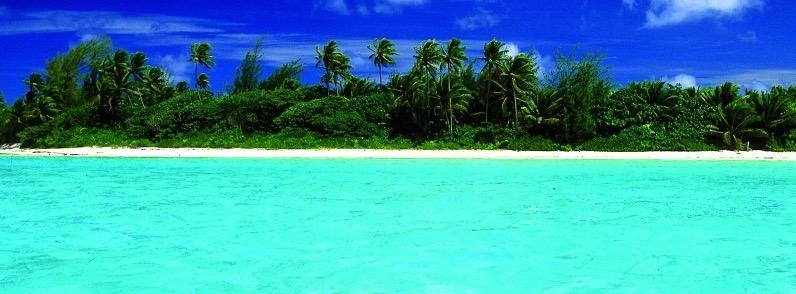
A pearl in Tahiti.
Esprit Joaillerie offers you a summer break with the pearl of Tahiti.
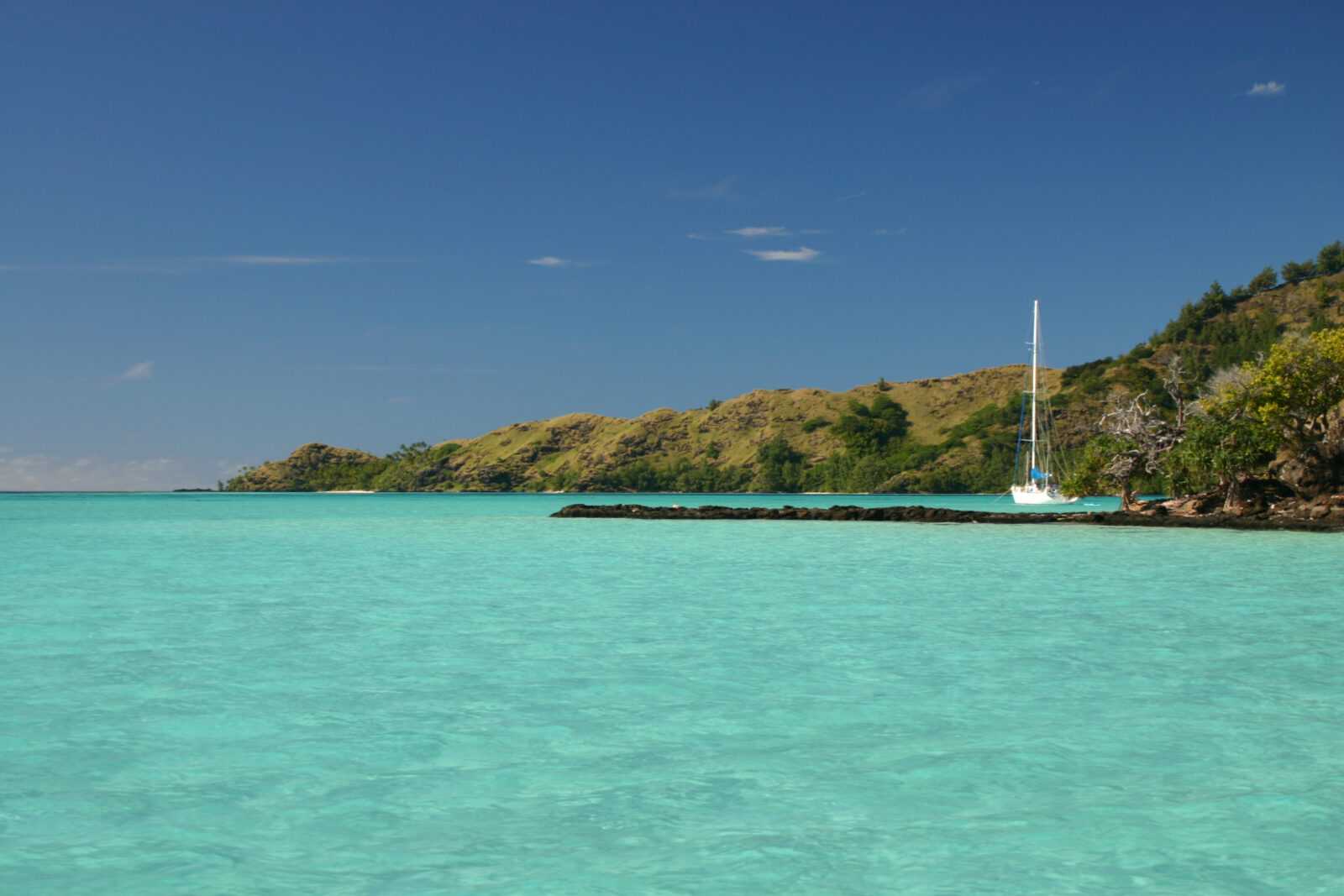
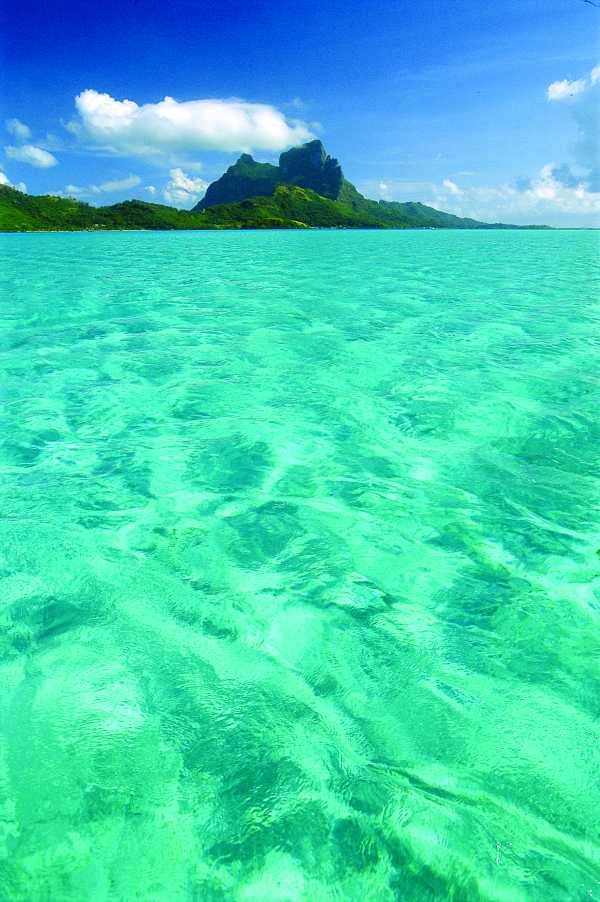
First of all, it must be said that Polynesia is a magnificent destination where the blue sky blends with the immense sea to discover islands, lagoons and pearls.
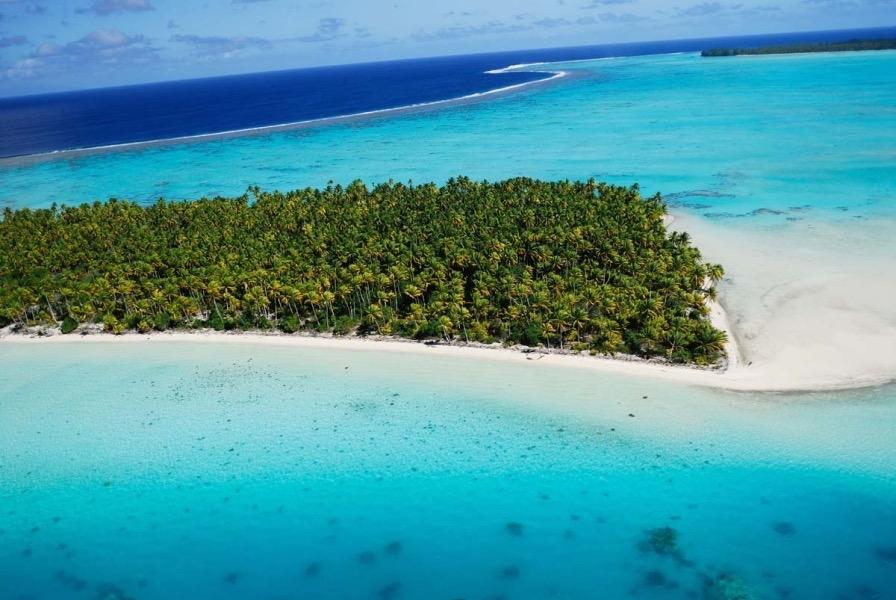
French Polynesia is located in the South Pacific. It is an archipelago of five groups of islands, each with its own culture, history, and traditions.
But there is one thing that unites all the islands of Polynesia, the pearls of Tahiti.
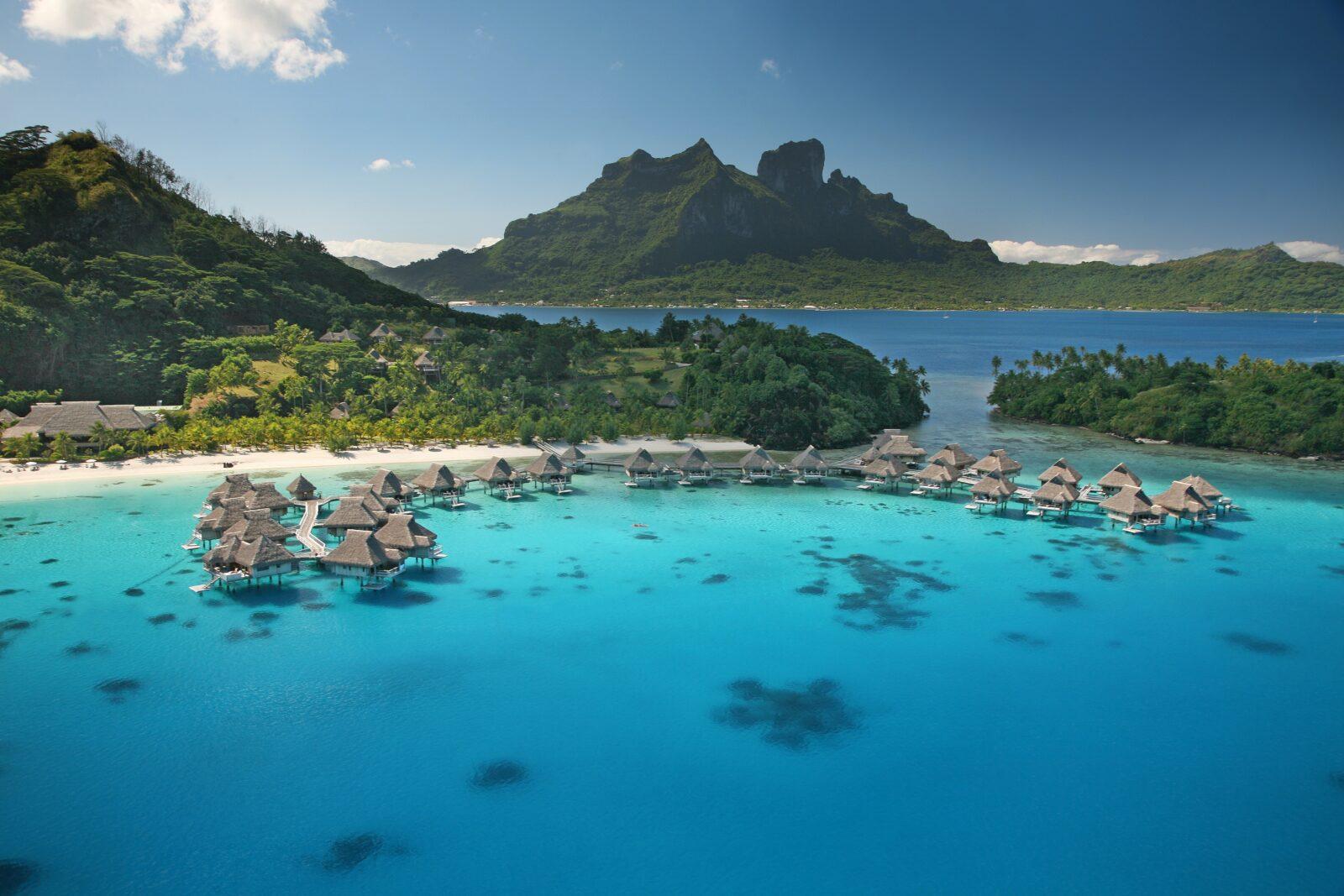
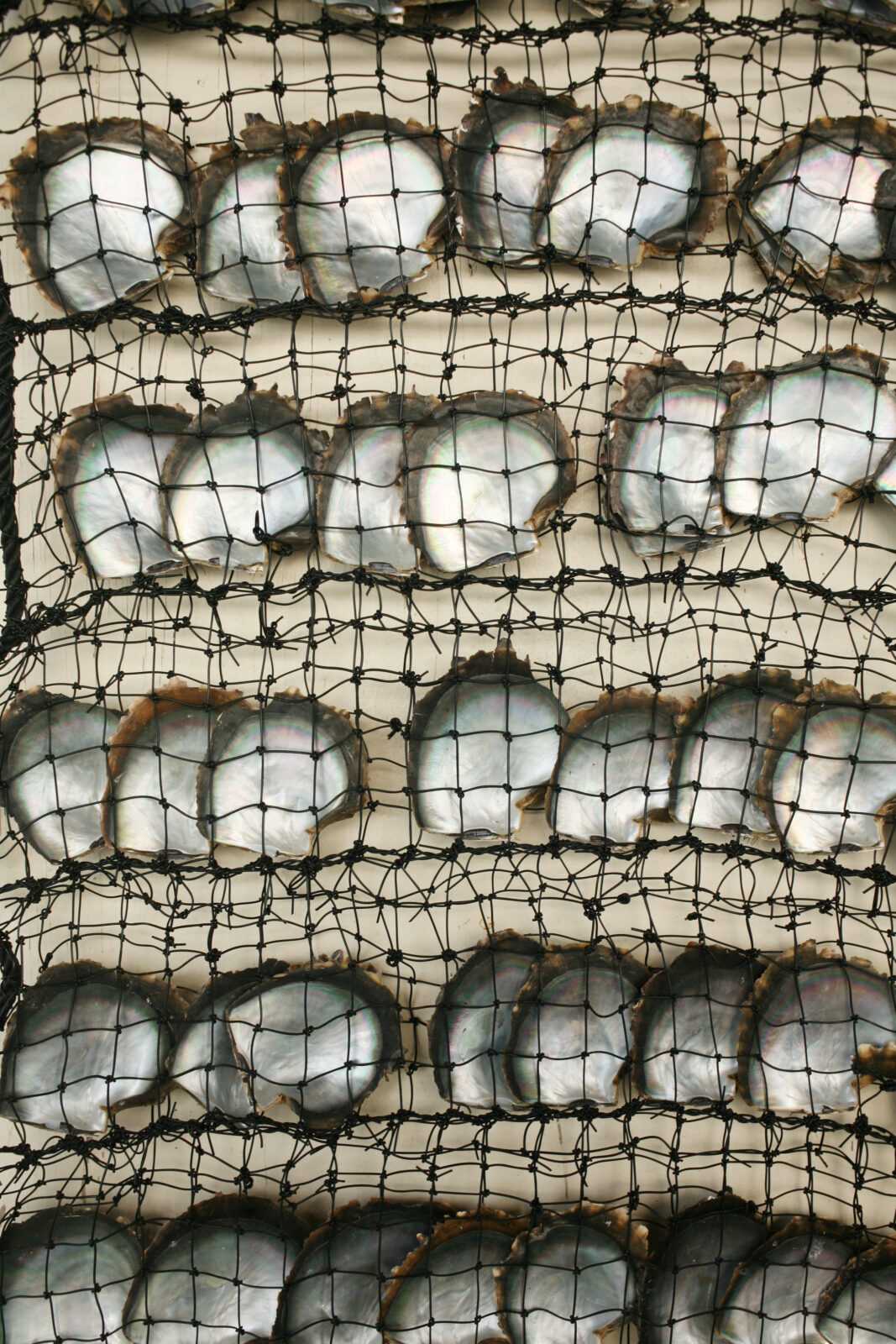
It should be noted that these pearls are grown exclusively in the crystal-clear waters of French Polynesia. Moreover, they are famous worldwide for their unique color, brilliance, and beauty. Because the pearls of Tahiti are produced by the black pearl oyster, also known as Pinctada margaritifera. Native to the warm waters of the South Pacific Ocean. That is how the black pearl, Poe Rava In Polynesian, it is derived from a shell about 25 to 35 cm in diameter.
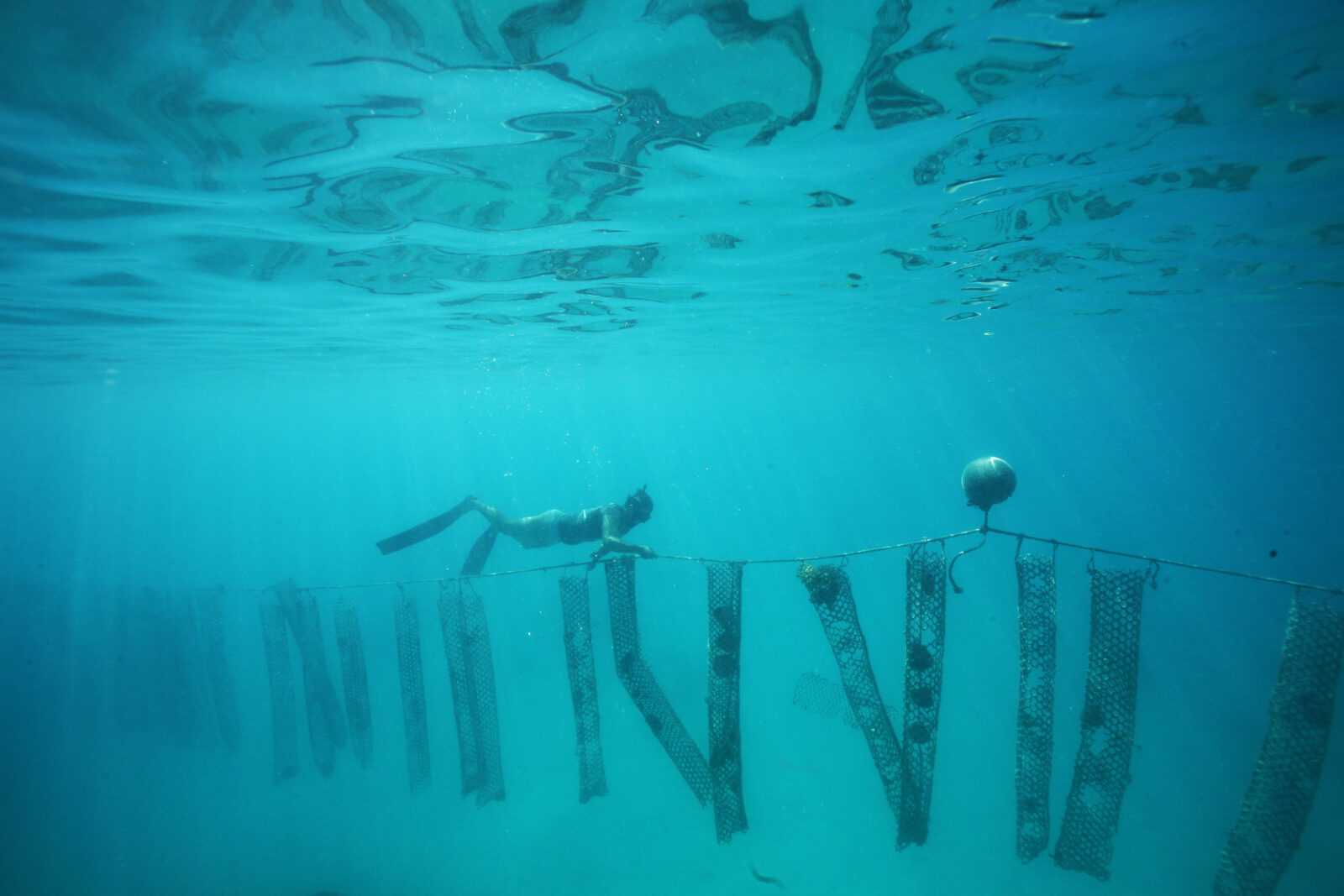
In fact, the process of producing Tahitian pearls is complex and demanding. Thus, black pearl oysters take several years to grow before they are ready to be harvested.
It is important to emphasize that the pearl grafting process in oysters requires great expertise and meticulous attention. For example, the Tuamotu archipelago, the Gambier Islands, and the Society Islands are home to pearl farms where many pearls are grafted. In this regard, the Polynesian pearl farms have acquired unparalleled expertise. It takes about 3 to 4 years to obtain a Tahiti pearl.
ⒸGIE TOURISME TAHITI
ⒸGIE TAHITI TOURISME
It should not be forgotten that in the face of the scarcity of fine, natural pearls, an artificial production technique has been developed. The invention of the pearling oyster grafting began in the early 20th century thanks to three Japanese: Kokichi Mikimoto, Tokishi Nishikawa and Tatsuhei Mise. The grafting involves inserting a nucleus of the shape of a ball into the pearling oyster’s pouch.
After that, in the 1960s, Jean-Marie Domard, a veterinarian working for the fisheries service in French Polynesia, began experimenting with the grafting techniques used in Japan on Pinctada Margaritifera. In other words, Polynesian perliculture was born!
ⒸGIE TAHITI TOURISME
ⒸGIE TAHITI TOURISME
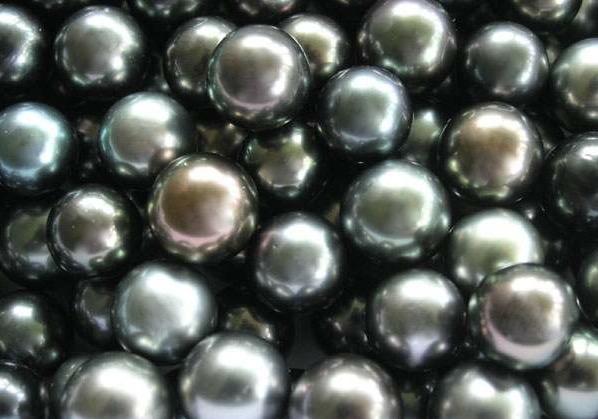
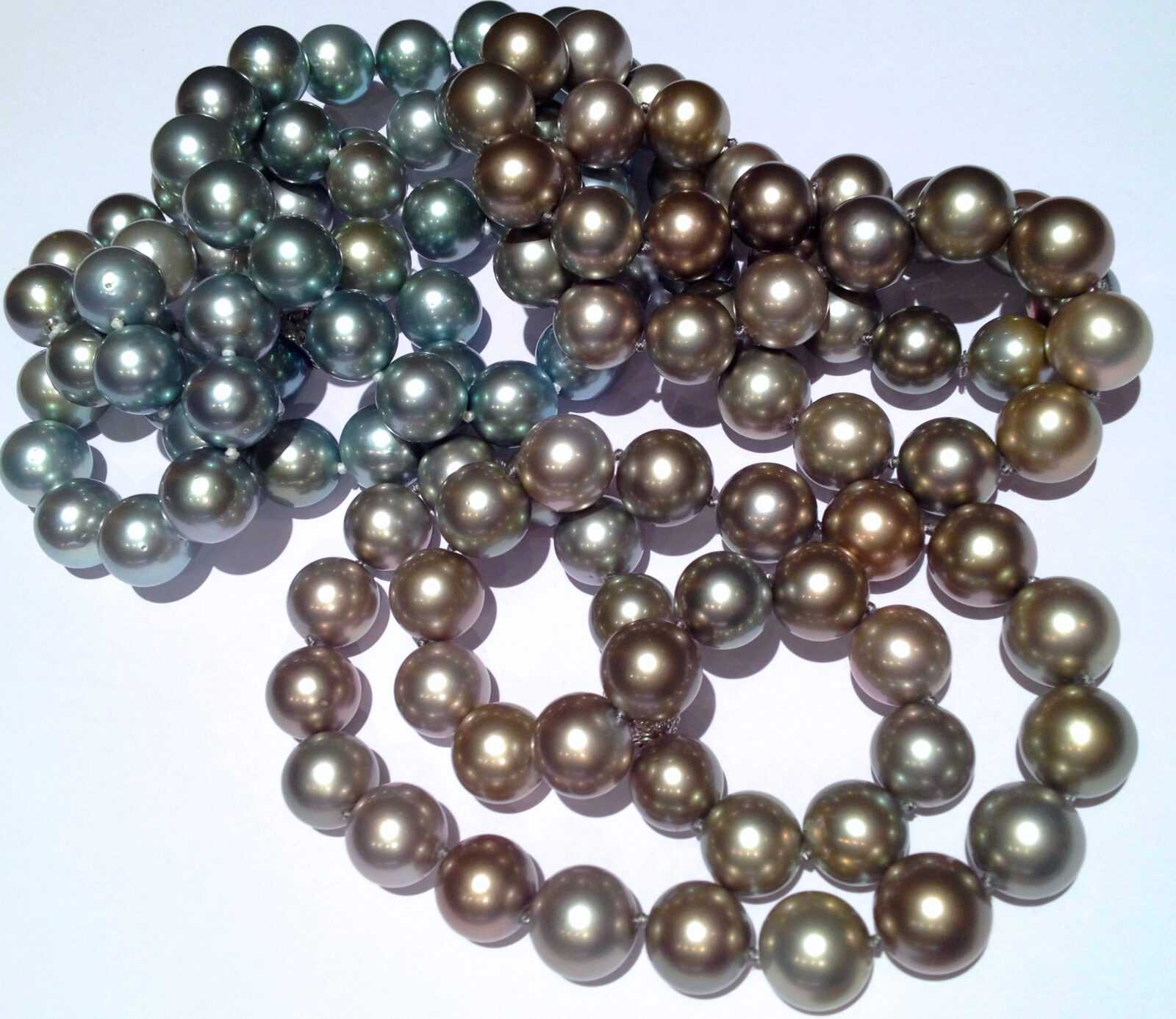
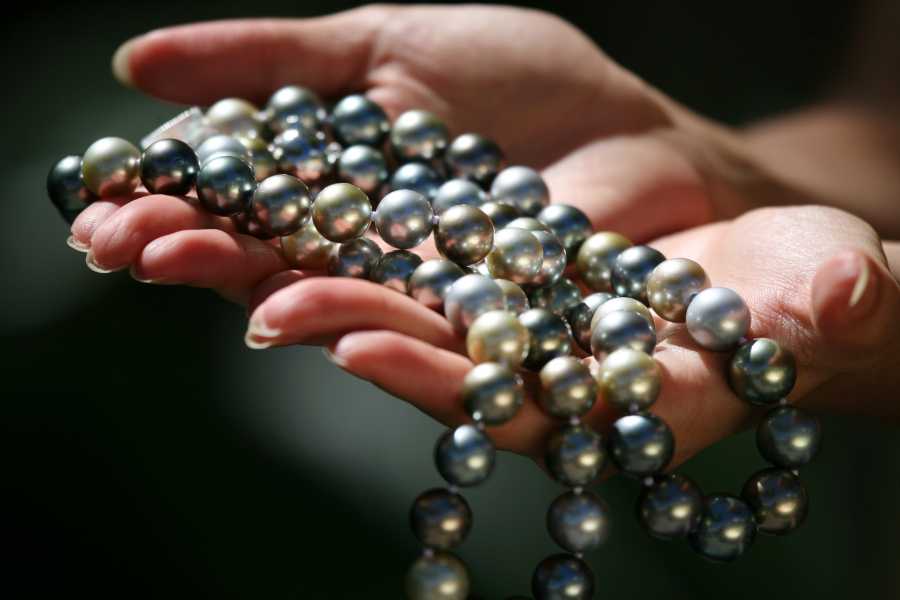
Tahiti pearls are also subject to strict quality and authenticity standards. They are also classified according to their size, shape, color and luster. The natural color palette of the Tahiti pearl ranges from light gray to intense black. And all shades are possible; pink, blue, green, eggplant hues can be seen. The famous Tahiti pearl peacock, The peacock tail reveals all these nuances in a single pearl.
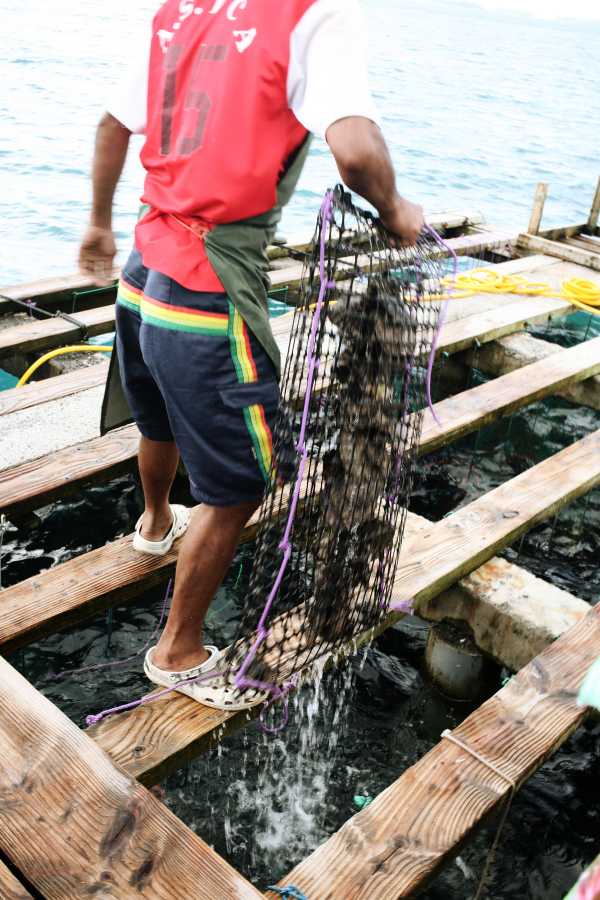
Perlière farm in the Isles under the Wind.
ⒸGIE TAHITI TOURISME
The natural color palette of the Tahitian pearl ranges from light gray to intense black, with shades of pink, blue, green, eggplant...
Polynesian mythology speaks of black pearls as the first showcases of light that were given by the creator Tane. Tane made them into stars before sending them to Ruahatu, the god of the oceans, to illuminate his universe. Then the god Oro, the deity of Beauty, Harmony and Peace, offered them to the women he seduced. Finally, he entrusted the pearl oyster «te hui tara mea» to humans as a memorial to his passage on Earth.
So why not take a dive in Otemanu Lagoon in search of a forgotten pearl? I wish you a wonderful holiday.
ⒸGIE TAHITI TOURISME
My sincere thanks to Tahiti Tourism
tahiti-tourisme@mail.pf