






Shine, The light shared by the Empire to our days
In a narrative fed by the house archives Chaumet, In , Laurence Cossé explores the turbulent trajectory of the jewels, objects of light and power, at the heart of the female lives of history.
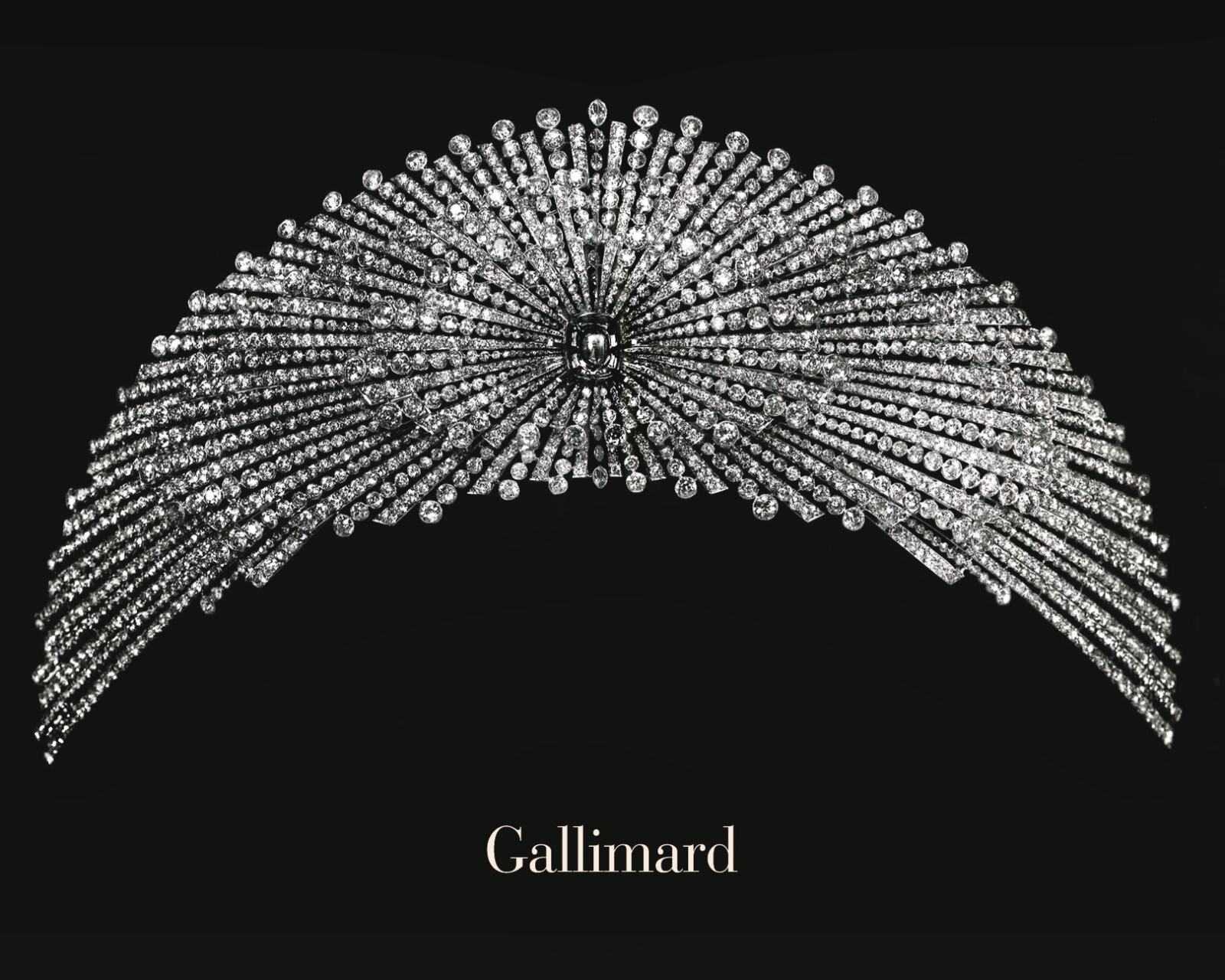
The diamond tiara named Triple Soleil, offered by Prince Felix Youssoupoff to his wife Irina Romanova in 1914, seemed destined to endure through the centuries. But barely three years later, the Russian Revolution precipitated the couple’s exile, and the opulence of a world came crashing down. The diadem, hidden in the Moscow palace, reappeared in 1925 in an illustrated newspaper, in the hands of the Bolsheviks. The jewel survived, but nothing is intact.
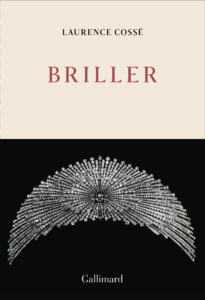
Through this poignant scene, Laurence Cossé opens Shine, published by Gallimard. In it, she weaves a subtle reflection on the way in which jewelry (and in particular those crafted by Chaumet ) become witnesses to history as well as to the intimate. They appear, disappear, and sometimes reappear in a different form. They accompany women through their triumphs and setbacks, their unions and breakups, their balls and exiles.
This book is not read as a gallery of portraits, but as a succession of narratives where the jewelry object serves as a link. It crosses generations and regimes, passing from an imperial court to a fashionable scene, from a closed display to a museum showcase. This narrative thread reveals powerful and fragile women, protected or exposed, whose jewelry embodies much more than a taste or status. They crystallize a moment, a belonging, a memory.
Drawing on rigorous documentation, Laurence Cossé does not seek to glamorise, but to understand what these works say about the world around them. In contrast to the spectacular, she questions the permanence in the ephemeral, and the way in which some works escape their creator as well as their owner.
Shine offers a journey through time where the jewel becomes the thread that weaves together unique and often little-known stories. Without ever trying to emphasize the brilliance of the pieces, this book reveals what these creations tell about the eras they have traversed, the women who wore them, and the glances that surrounded them. A sensitive look at jewelry as a memory in motion, both precious and alive.