






Diamond myths and reality
In the world of precious stones, particularly in the world of diamonds, it is not uncommon to encounter misconceptions that raise doubts and questions. To help us clarify these questions about the natural diamonds and the synthetic diamonds, the Natural Diamond Council publishes a report that combats misinformation.
As David Kellie, CEO of the Natural Diamond Council, points out:
«At a time when consumers are more curious and informed than ever before, they want to know about the values and environmentally responsible practices of companies, and even of industry as a whole, from which they make their purchases.».
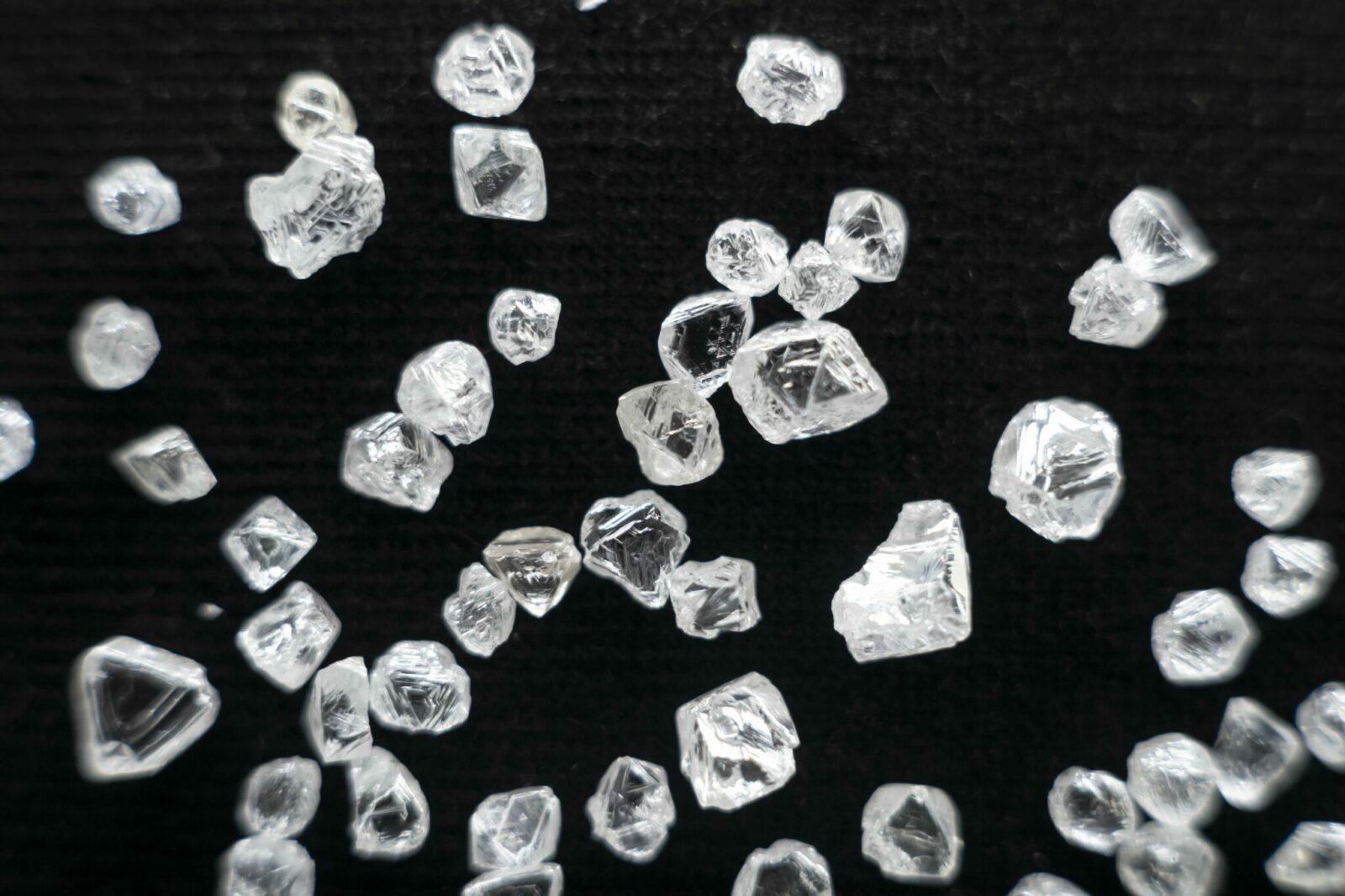
De Beers Group
Collection of rough diamonds in diamond displays at De Beers Group
Calgary 2021 / NDC
It should be noted that this report has been the subject of numerous studies conducted by the Gemological Institute of America, Bain & Compagny, and even NASA. Therefore, this report is intended to be transparent. Therefore, it is important to make a clear distinction between the following: diamond And the synthetic diamond, often called a laboratory diamond. Here are some key points to consider:
First of all, it should be noted that synthetic diamonds can be detected using professional verification instruments. Especially in independent gemmology laboratories. They easily detect the specific characteristics related to the rapid growth and the artificial environment of these diamonds.
By replicating the process of nature in a short time, synthetic diamonds consume a lot of electricity. Thus, more than 60% of the synthetic diamonds are produced in China and India. Their electricity comes largely from coal. Moreover, the intense temperature required for the production of these synthetics is similar to that of 20 % of the sun’s surface.
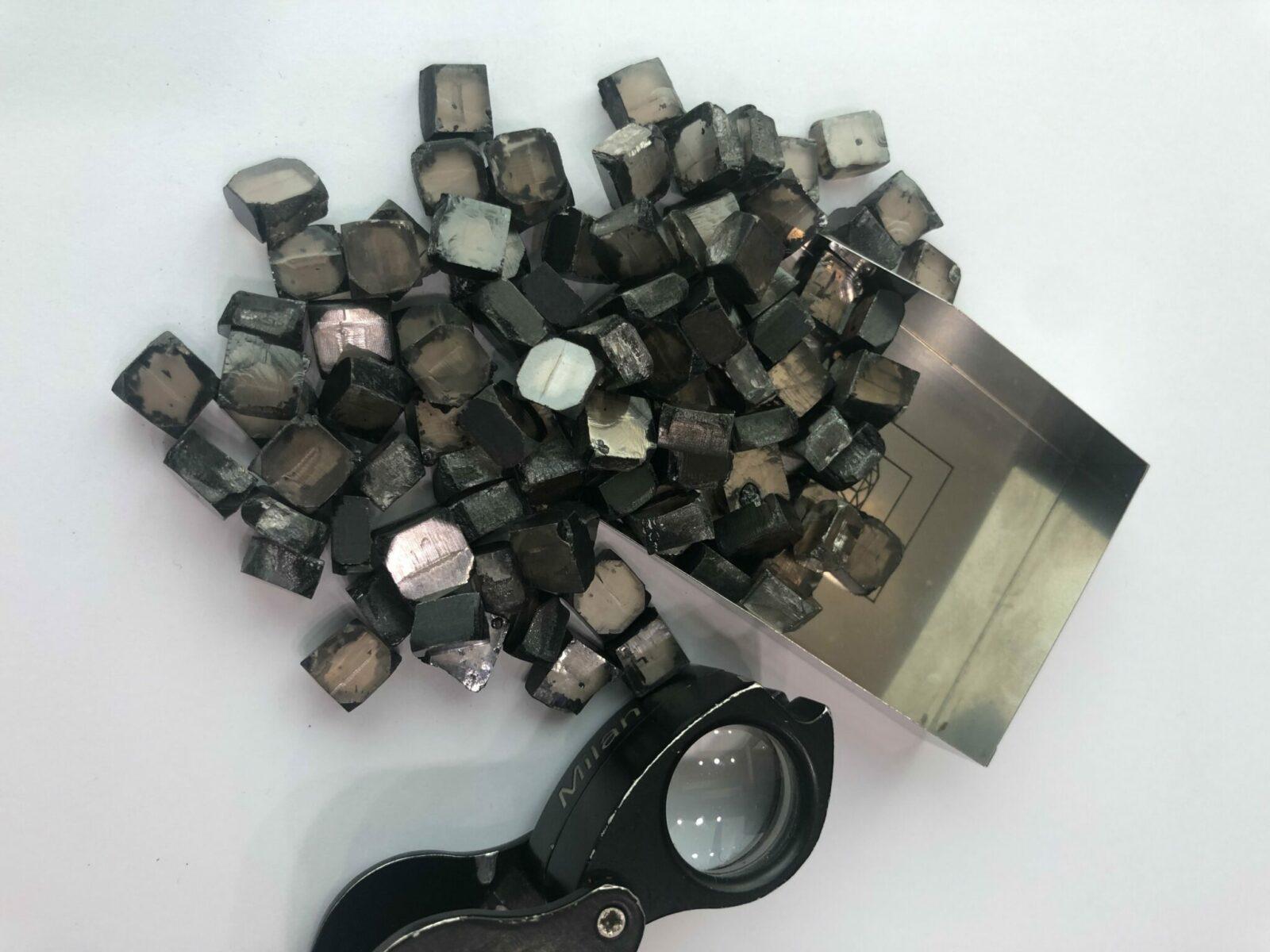
NDC Credit
We draw attention to the price of these synthetic stones. It should be noted that laboratory diamonds have experienced a significant depreciation of approximately 74% since 2016. Furthermore, the value of Natural diamonds It progresses by about 3 % per year.
Let us not forget that the diamond It formed at the same time as the Earth, millions of years ago. This rare and precious stone is unique. Therefore, in a spirit of preserving natural resources, the industry diamond Nature protects its environment. By preserving biodiversity and also reducing its carbon footprint. This is a positive development that continues to improve. It should also be noted that the sector of diamond It brings more than 10 million people together. This highlights its positive impact on communities and its commitment to sustainability and social responsibility.
To say all this, this report allows us to understand why the diamond It is so special. By separating the real from the fake, it restores the truth. In fact, the laboratory stones are not identical to natural stones. Moreover, this report convincingly highlights the value of diamonds in several aspects. Thus, this report highlights that the value of diamond It goes far beyond its beauty and brilliance.
Full report available to view here